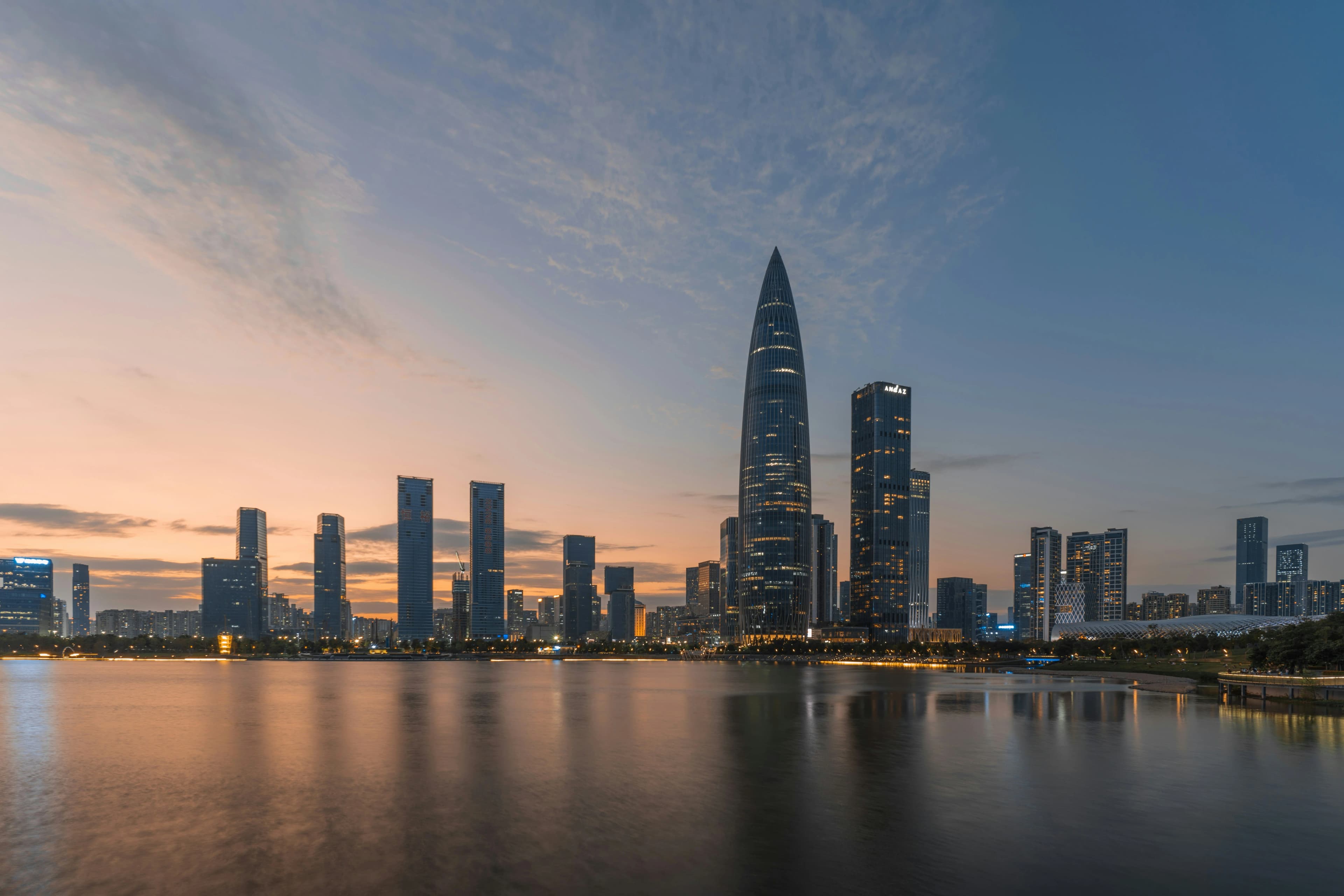
Understanding Shenzhen as a luxury destination
The city borders Hong Kong to the south and is connected to it via multiple crossing points, making it a natural pairing destination for travelers moving between the two. This geographic relationship shapes the luxury hospitality market in Shenzhen, which has developed with a clear awareness of international standards, drawing both business travelers and culturally motivated visitors who want something distinctly mainland Chinese in character.
Best areas to stay in Shenzhen for a luxury suite experience
Futian district
Futian is Shenzhen's administrative and financial core. The skyline here is dense with high-rise towers, and the district contains the city's central business district as well as several major cultural institutions, including the Shenzhen Concert Hall and the Shenzhen Museum. Luxury hotels in Futian position themselves within walking distance of corporate headquarters and major retail destinations. The suite experience in this district tends toward the sleekly corporate: large floor plans, high floors, and panoramic city views that read almost like an architectural diagram of modern China.
Nanshan district
Nanshan, located to the west, has emerged as the technology and innovation corridor of Shenzhen, housing the headquarters of some of China's most significant technology companies. The district has a slightly lower density than Futian and more green space, including proximity to the coast and Shenzhen Bay. Luxury properties here attract a different profile of guest: executives from the technology sector, international business visitors, and travelers who prefer a slightly more residential character to their stay. Suites in Nanshan often feature views toward the water or the hills of the western district.
Luohu and the historic commercial core
Luohu is the oldest commercial district in Shenzhen and the original point of entry from Hong Kong via the Lo Wu crossing. It is denser, more textured, and more layered than the newer districts. For travelers interested in understanding how the city actually functions at street level, proximity to Luohu offers a more immersive experience. Luxury accommodations here tend to be slightly older in construction but often occupy landmark buildings with established reputations for service.
When to visit Shenzhen
Shenzhen has a subtropical climate, which means the most comfortable period for travel falls between October and March. Temperatures during these months are mild and humidity drops considerably compared to the summer period. The summer months, from June through September, bring heat, high humidity, and a typhoon season that can affect travel logistics and outdoor activities.
From a cultural and business calendar perspective, several periods are worth noting. The Shenzhen International Furniture Fair, held annually in March, draws a significant international design and architecture audience and creates notable demand for premium accommodations. The China Hi-Tech Fair in November is one of the largest technology exhibitions in the world and fills the city's best hotels rapidly. Travelers seeking suite availability during these periods should plan considerably in advance. The weeks surrounding Chinese New Year, which falls between late January and mid-February depending on the lunar calendar, see a partial quieting of business activity but an increase in domestic leisure travel.
Local luxury standards: what to expect from high-end suites in Shenzhen
China does not operate a nationally standardized luxury hotel classification equivalent to France's Palace designation. The most commonly referenced indicator is the five-star rating system administered by the China National Tourism Administration, though in practice the market has stratified well beyond this. International luxury brands operating in Shenzhen, as well as prominent domestic Chinese hospitality groups, have established properties that meet global standards for suite design, service protocol, and amenity depth.
What distinguishes the finest suites in Shenzhen is largely architectural. Given the city's youth, many of its landmark hotels were purpose-built or designed by internationally recognized architectural and interior design firms. This means suites frequently reflect considered spatial thinking rather than the ad hoc accumulation of features common in older properties. Expect high floor plans with substantial glazing, integrated technology infrastructure, and a service culture that reflects the city's dual orientation toward domestic Chinese hospitality norms and international business expectations.
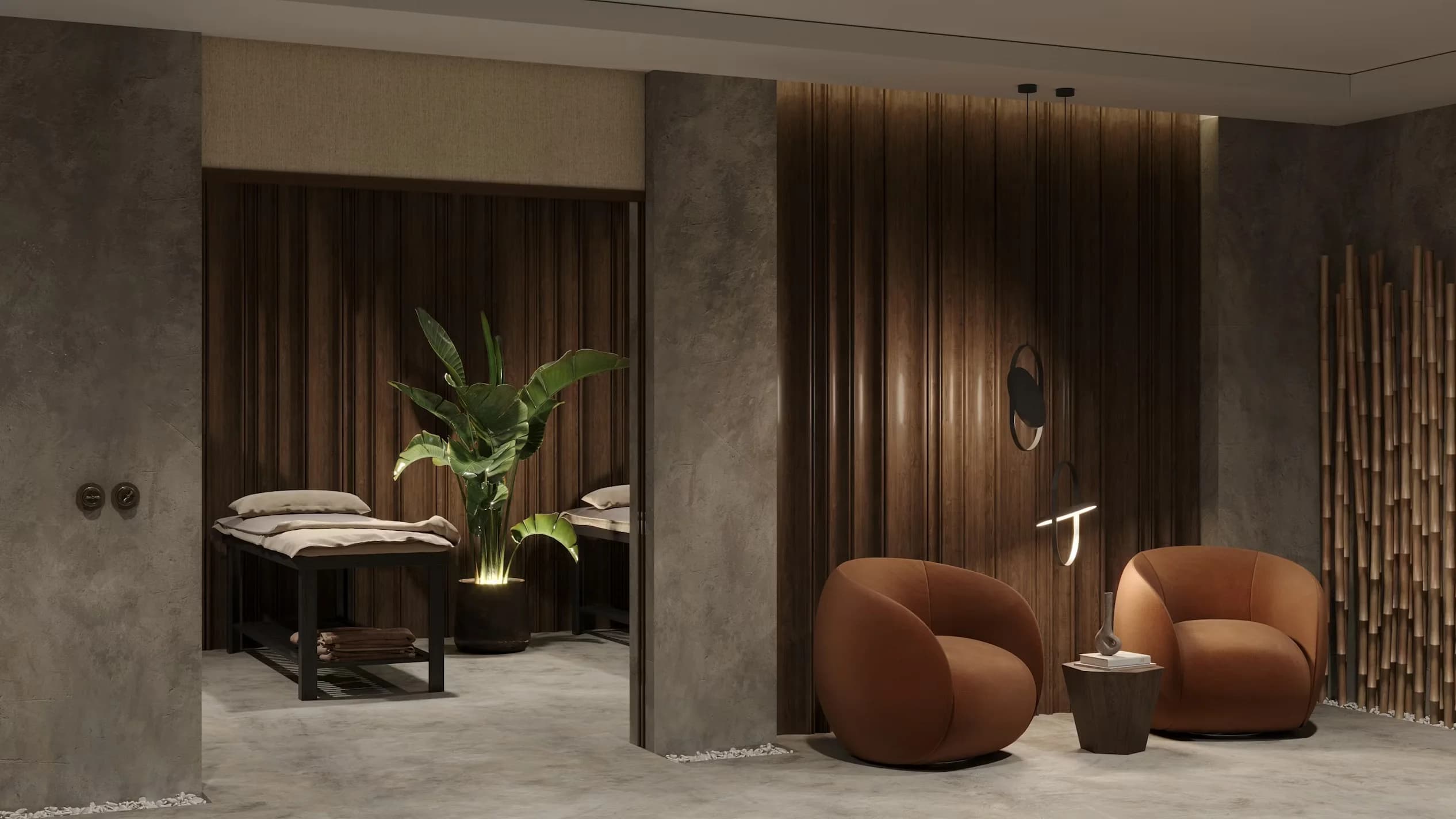
Amenities within top-tier suites in Shenzhen typically include butler service, dedicated check-in, separate living and sleeping areas, and access to executive floors with private lounge facilities. Many properties also integrate traditional Chinese wellness programming, including in-suite treatments and access to facilities designed around Chinese health and relaxation practices.
How to choose the right luxury suite in Shenzhen
The primary consideration when selecting a luxury suite in Shenzhen is purpose. The city functions primarily as a business and innovation destination, and its hospitality infrastructure reflects that orientation. Travelers arriving for corporate or technology-sector purposes will find that proximity to Futian or Nanshan provides measurable practical advantages in terms of transit time and proximity to meeting venues.
For travelers approaching Shenzhen as a cultural or design destination, the choice becomes more nuanced. The city's contemporary art and design scene is concentrated in several districts, and access to cultural programming, gallery spaces, and design-focused experiences should factor into the selection process. Some properties maintain active cultural partnerships or host rotating art installations within their public spaces, which can extend the experiential value of a stay beyond the suite itself.
Guests combining Shenzhen with a Hong Kong itinerary should consider the logistics of border crossings, which are efficient but require passport documentation and can involve queuing during peak travel periods. Selecting a suite close to a major crossing or with reliable car service infrastructure simplifies this element of the journey considerably.
Why a curated selection matters in Shenzhen
Shenzhen's hotel market has expanded rapidly and unevenly. The volume of properties carrying a five-star designation in the city is significant, but quality and character vary considerably across that category. Without editorial filtering, identifying a suite that genuinely delivers on spatial quality, service consistency, and experiential coherence requires navigating a large and often opaque market.
La Suite applies a consistent curatorial standard to every property it features, evaluating not just the physical attributes of a suite but the integrity of the broader hotel experience: the quality of materials, the competence of the service team, the coherence of the property's design language, and the clarity of what a stay there actually feels like. In a city as fast-moving and commercially complex as Shenzhen, that editorial layer is not a convenience. It is a genuine filter against mediocrity dressed in the language of luxury.