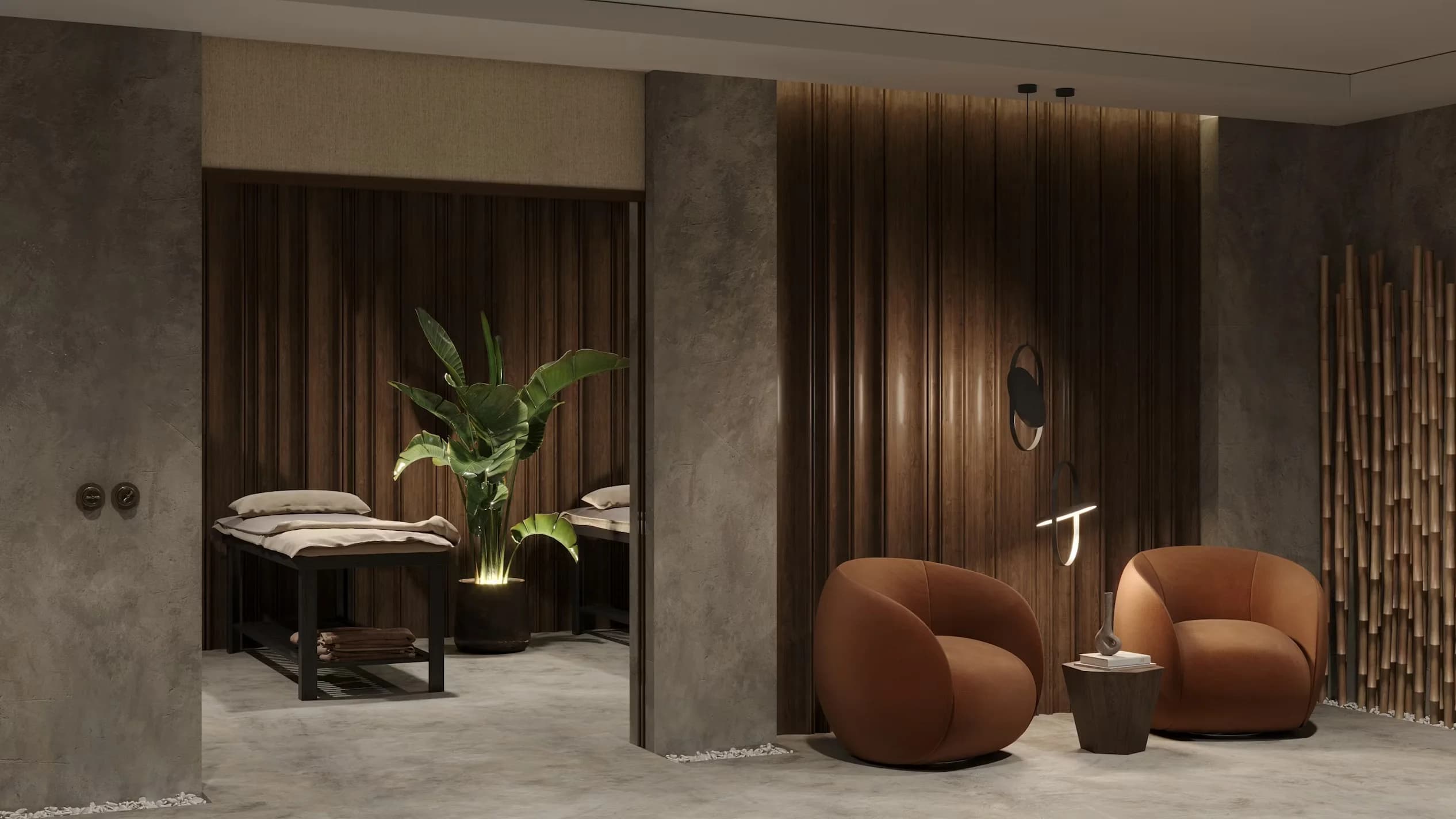
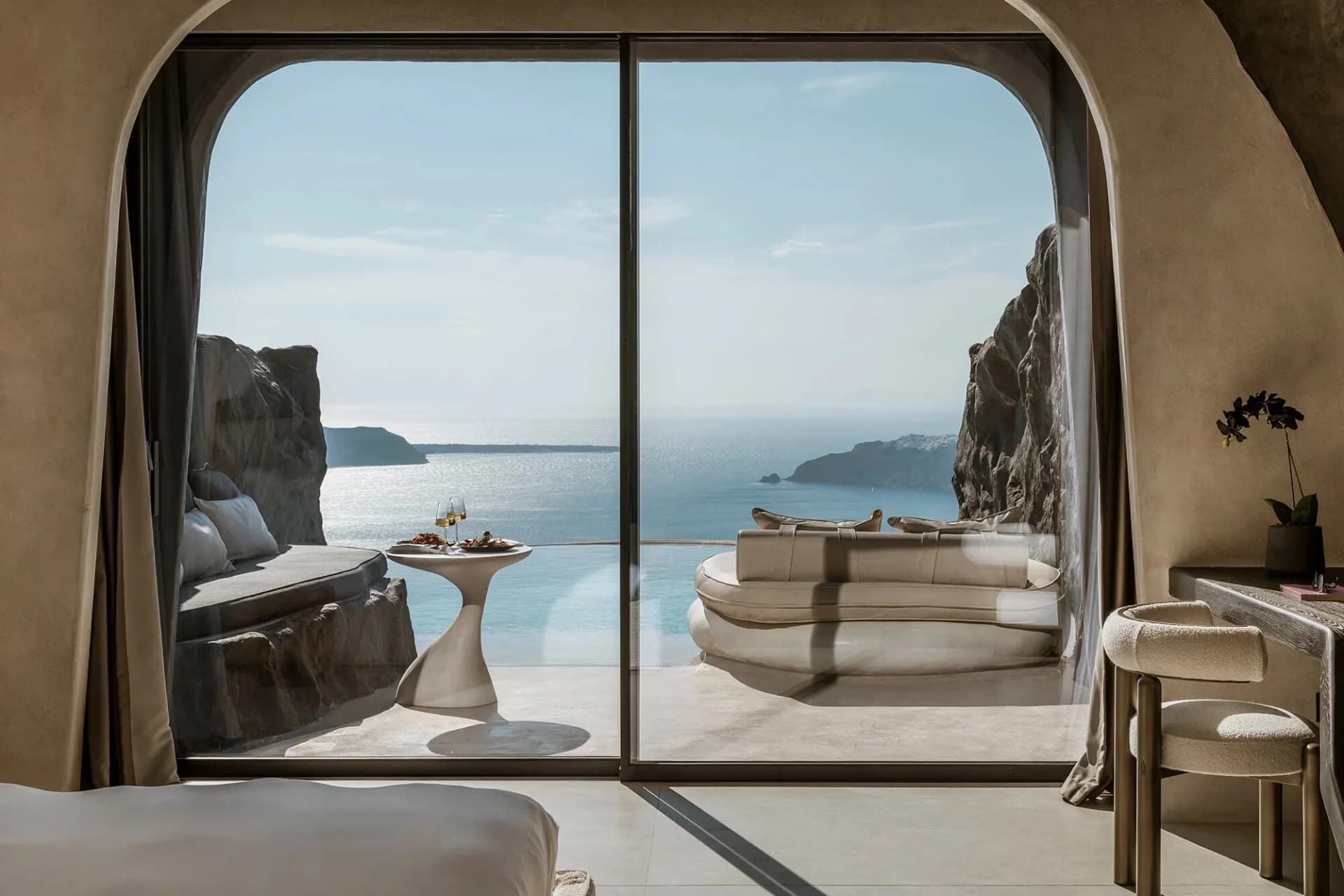
Ananti at Gangnam, Séoul
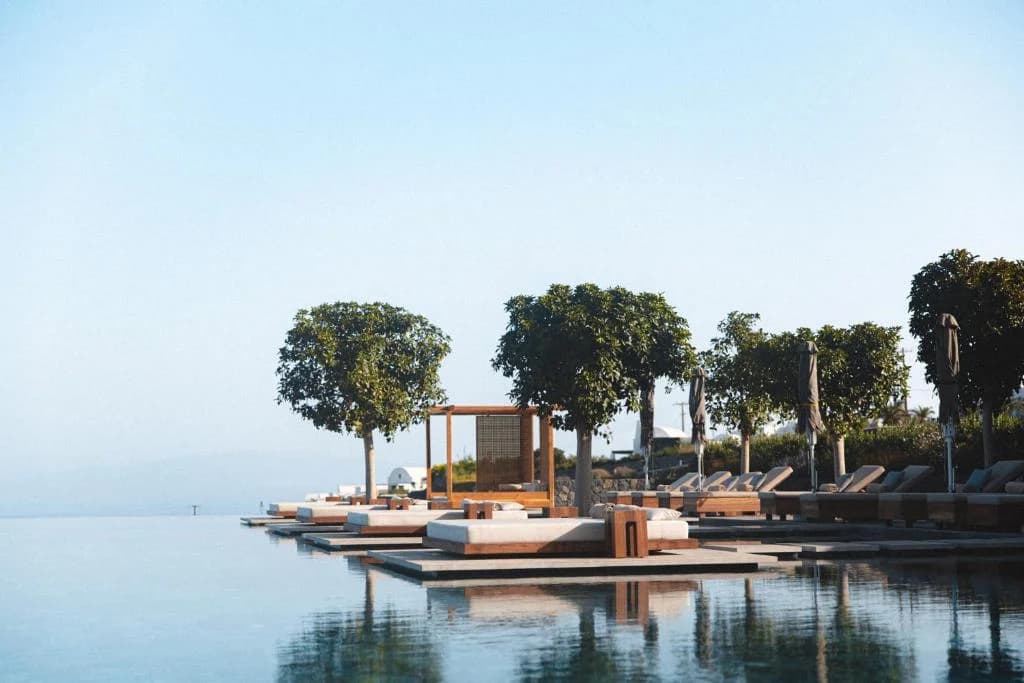
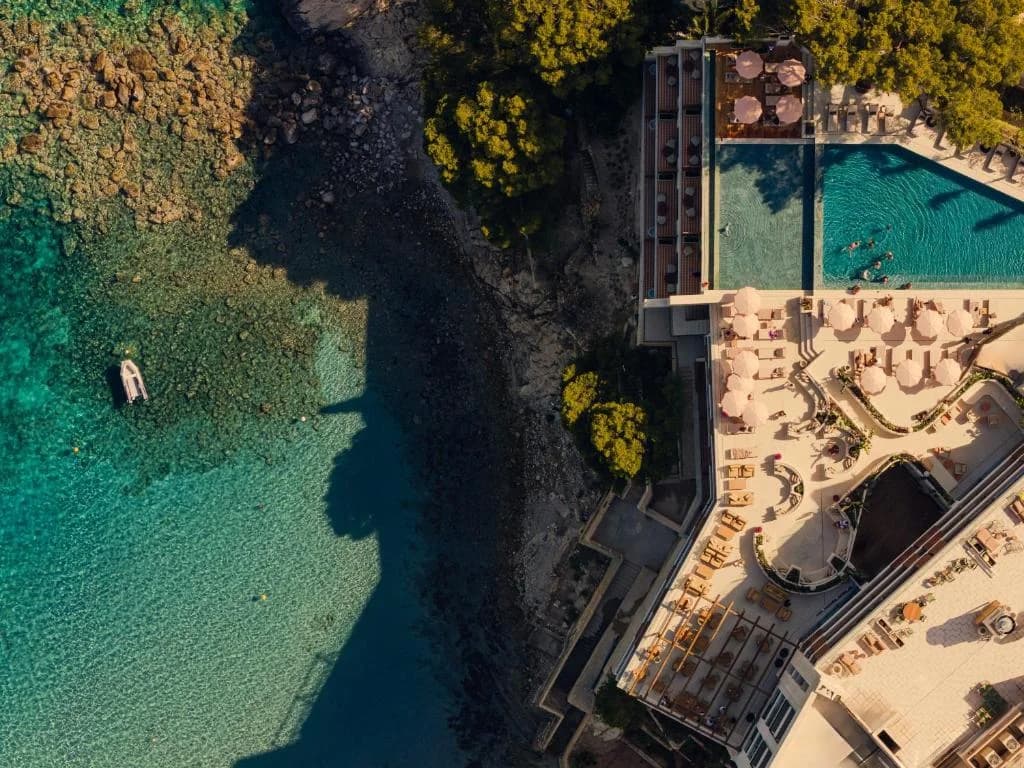
Located 2 miles from Gangnam Station, Ananti at Gangnam offers 4-star accommodations in Seoul and has a bar. Providing a restaurant, the property also features a seasonal outdoor swimming pool, as wel

Seoul is a capital of approximately ten million people, occupying a basin defined by the Han River to the south and a ring of low mountains to the north. Its geography is not incidental: the city's historic core, its commercial districts, and its contemporary cultural neighbourhoods each occupy distinct topographical zones, and the choice of where to stay shapes the entire texture of a visit. For travelers seeking a luxury hotel suite, the question is not simply which property offers the best amenities, but which location aligns with the pace and priorities of the trip.
36 hotels available

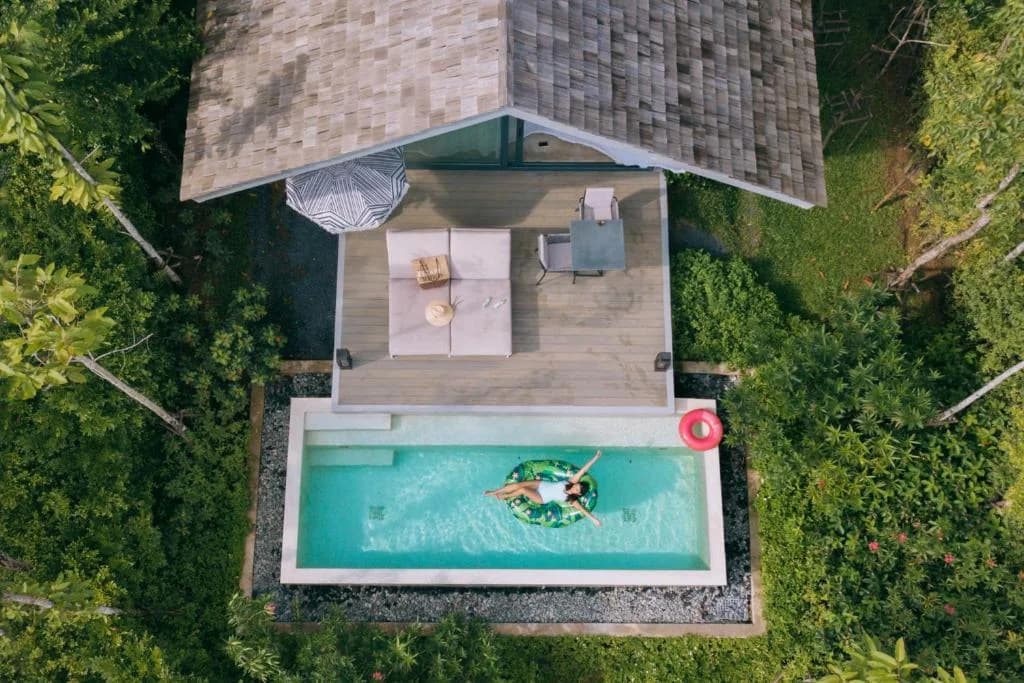
Located 2 miles from Gangnam Station, Ananti at Gangnam offers 4-star accommodations in Seoul and has a bar. Providing a restaurant, the property also features a seasonal outdoor swimming pool, as wel

Located in Seoul and with Gangnam Station reachable within 2.4 miles, Andaz Seoul Gangnam, By Hyatt has concierge services, allergy-free rooms, a shared lounge, free WiFi and a bar. Offering a restaur

Standing tall amid greenery, Banyan Tree offers spacious rooms with modern interiors overlooking scenic Namsan Mountain. 5-star facilities include a full-service spa, both indoor and outdoor pools and

Located in Seoul and with Gyeongbokgung Palace reachable within a 17-minute walk, Bukchon Binkwan by Rakkojae has concierge services, non-smoking rooms, a garden, free WiFi throughout the property and

Overlooking the beautiful Han River in central Yeouido and recognized as one of the top hotels by Conde Nast Traveler and World Travel Awards, the 5-star Conrad Seoul offers a year-round indoor swimmi

Featuring a garden, Courtyard by Marriott Seoul Botanic Park is located 7.5 mi from Hongik University in Seoul. Guests can take advantage of using free bikes, free WiFi and free parking space availabl

Located in Seoul, 1.9 miles from Yeongdeungpo Station, Fairmont Ambassador Seoul provides accommodations with a fitness center, free private parking, a restaurant and a bar. With free WiFi, this 5-sta

Centrally located in Gangnam-gu, the luxurious Grand InterContinental Seoul Parnas is a 5-minute walk from Samseong Subway Station (Line 2). An indoor pool is included among its many recreational faci

Located in Gangnam, Seoul, the center of business and culture, Imperial Palace Seoul aims to be an “elegant, comfortable premium hotel” under the motto of “Timeless Elegance, Endless Comfort.” At Impe

Located on the slopes of Acha Mountain, Grande Walkerhill Seoul offers a 1.2 mi jogging course, casino, golf range and 8 food and beverage outlets. Grande Walkerhill Seoul features luxurious rooms wi

Featuring 4-star accommodations, Gudo Collective Gangnam 구도 컬렉티브 강남 is located in Seoul, a 6-minute walk from Gangnam Station and 2 miles from COEX Convention Centre. The property is around 2.4 miles

Hilton Garden Inn Seoul Gangnam features a seasonal outdoor swimming pool, fitness center, a restaurant and bar in Seoul. With free WiFi, this 4-star hotel offers a 24-hour front desk and a business c

Located in Seoul and within a 6-minute walk of Myeongdong Station, HOMES Red Myeongdong has a fitness center, non-smoking rooms, and free WiFi throughout the property. This 4-star hotel offers a busin

Located in Seoul and with Ewha Women’s University reachable within 2.2 miles, Hotel Naru Seoul - MGallery Collection has concierge services, non-smoking rooms, a restaurant, free WiFi throughout the p

JW Marriott Seoul is centrally located in Gangnam district, above Shinsegae Department Store, Seoul Express Bus Terminal and Subway Station, served by Line 3, 7 and 9. This hotel features 7 on-site di

L’Escape, a Luxury Collection Hotel, Seoul Myeongdongl is located in Seoul and has a fitness center and a bar. Boasting a 24-hour front desk, this property also provides guests with a restaurant. Free

Located in Mapo-Gu district of Seoul, L7 Hongdae features various facilities including a restaurant, a fitness center and a bar. Free WiFi is available. Seasonal rooftop pool is available at an addit

Linked to Euljiro 1-ga Subway Station (Line 2) and Lotte Department Store, this luxury hotel provides 10 food and beverage options and rooms with an LCD TV. Guests can also make use of the fitness cen

LOTTE HOTEL WORLD is a premier 5-star luxury hotel providing guests with exclusive 'Wonder Door' access for immediate entry and a one-time reentry privilege to Lotte World Adventure. Centrally locate

Marriott Executive Apartment Seoul features self-catering 5-star apartments, just 1969 feet from Yeouido Subway Station (Line 5 and 9) . First-rate leisure amenities include an indoor pool, fitness ce
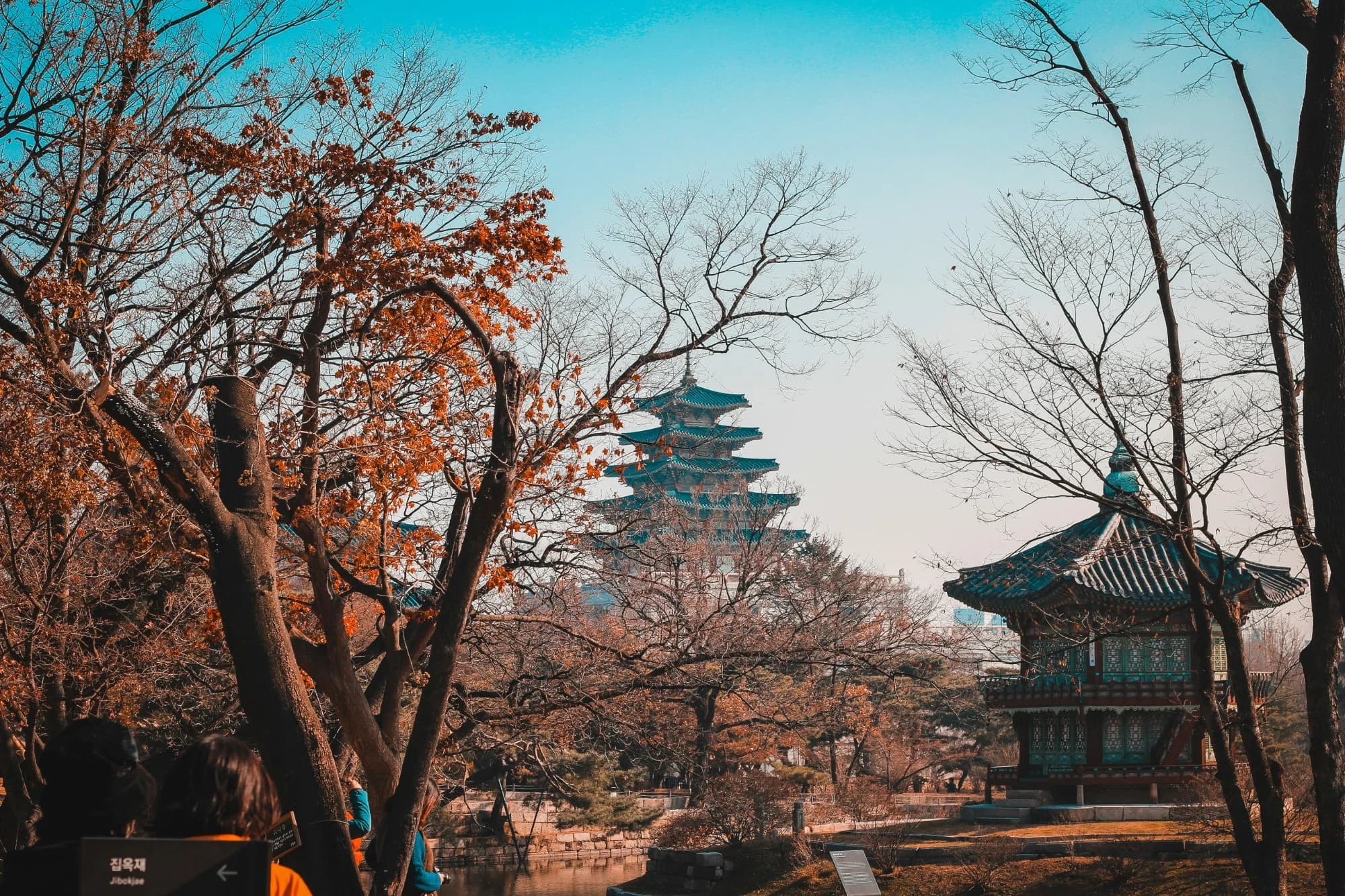
The area surrounding Gyeongbokgung Palace and Bukchon Hanok Village is the densest concentration of pre-modern Korean spatial culture still intact in the city. Properties positioned here offer proximity to the formal geometry of Joseon-era architecture, the narrow tile-roofed lanes of the hanok districts, and the quiet of Changdeokgung's secret garden. A luxury hotel suite in this zone tends toward restrained interiors that reference traditional Korean aesthetics: low furniture lines, natural materials, and an awareness of borrowed landscape.
South of the Han River, the Gangnam corridor from Apgujeong through Cheongdam and into Samsung-dong represents Seoul's most commercially concentrated luxury corridor. The flagship boutiques, the private art spaces, the dermatology clinics favored by international visitors, and the high-density restaurant culture all occupy this zone. Luxury suites in this area tend to be housed in contemporary high-rises, with floor-to-ceiling glass, city panoramas, and service models calibrated to business and medical tourism as much as leisure.
The ridge running through Itaewon into Hannam-dong has become one of the most design-literate neighborhoods in East Asia. Independent galleries, the Seoul outposts of international auction houses, architect-designed restaurants, and the embassies of over a hundred countries sit in close proximity. A suite positioned here places the traveler inside the city's most internationally porous cultural zone, within walking distance of Leeum Samsung Museum of Art and the concentrated retail of Hannam-dong's gallery streets.
Seoul has four sharply defined seasons, and each carries distinct experiential value. Spring, specifically the two to three weeks of cherry blossom season in late March and early April, represents the city's most visually precise seasonal moment. Suite availability at premium properties tightens considerably during this period, and rates reflect the demand. Advance reservation of three to four months is standard for the top-tier inventory.
Autumn, from late September through November, offers the city's most temperate climate alongside the foliage cycle of the mountain parks. The cultural calendar is dense during this period: the Seoul International Drama Awards, Frieze Seoul (which has established itself as the city's primary international art fair since its 2022 launch), and a concentration of gallery openings align with the season. Winter is cold and dry, with temperatures regularly below zero in January and February, but it is also when the city's indoor hospitality culture is at its most intense. Many of Seoul's finest hotel suites offer dedicated winter programming during this period.
Summer is humid and punctuated by a monsoon season (jangma) running roughly from late June through July. Travelers who visit during this period should plan indoor and cultural itineraries accordingly. Suite rates are generally more accessible in summer outside of major holidays.
South Korea does not operate a formal palace hotel designation equivalent to France's official Palace label. However, the domestic luxury hospitality market is structured around a combination of the government's five-star classification system and the competitive positioning of the major hotel groups: Lotte, Shilla, and the Korean operations of the major international chains. The concept of jeong, a Korean cultural value describing deep relational attentiveness, manifests in service culture as a form of hospitality that anticipates needs without explicit instruction. This is distinct from the formal scripted service of some Western luxury properties and closer in ethos to the Japanese ryokan tradition, though expressed through a contemporary Korean urban lens.
Top-tier suites in Seoul are increasingly designed with ondol, the traditional Korean underfloor heating system, integrated into contemporary room design. The tactile experience of ondol in a luxury context is one of Seoul's most distinctive suite-specific pleasures and worth specifying when selecting a property. Bathrooms in the finest suites often reference Korean bathing culture, with deep soaking tubs, separate wet rooms, and skincare amenity programs that reflect the country's global leadership in cosmetic and dermatological research.
The primary axis of choice in Seoul is between historic-adjacent properties in the northern districts and the contemporary high-rise inventory of Gangnam and the river-facing towers. Neither is inherently superior; the decision depends entirely on the purpose of the visit. A traveler focused on cultural immersion, museum visits, and the pre-modern layers of the city will find the northern properties more coherent with their itinerary. A traveler combining leisure with business meetings, shopping in Cheongdam, or appointments in the medical district will find the Gangnam corridor more functional.
Floor level and orientation matter considerably in Seoul. The city's mountain topography means that suites positioned above the twentieth floor with a northern exposure can frame Bukhansan directly, an experience with no equivalent in the city. River-facing rooms on the southern side offer the Han River panorama and the city's light at dusk. It is worth specifying both the floor and the orientation at the time of reservation rather than accepting a standard assignment.
Suite categories in Seoul's top properties range from junior suites of approximately sixty square meters to full presidential configurations exceeding three hundred square meters, with private terraces, dedicated butler service, and separate reception rooms. For travelers accustomed to European or American luxury suite standards, Korean top-tier suites are competitive in scale and consistently superior in bathroom specification and in-room technology.
Seoul's luxury hotel market has expanded significantly in the past decade, with new openings from multiple internationally recognized brands alongside the renovation and repositioning of legacy Korean properties. The volume of inventory makes unguided selection inefficient. Properties that present similarly in promotional materials can differ significantly in actual suite quality, service culture, location logic, and suitability for specific traveler profiles.
La Suite applies a consistent editorial framework to evaluate properties: the physical quality of the suite itself, the coherence of the service model, the contextual intelligence of the location, and the degree to which the property reflects rather than ignores the specific character of Seoul as a place. The curated selection by La Suite removes the noise of volume and surfaces only the properties where all four criteria are met at a level consistent with the expectations of the most discerning travelers.

The choice depends on the purpose of the visit. The Jongno and Bukchon area offers proximity to Seoul's historic core, traditional architecture, and the palace complexes of the Joseon dynasty. Gangnam and Cheongdam-dong are better suited to travelers combining leisure with business, retail, or medical visits, as the southern districts contain the city's highest concentration of commercial luxury infrastructure.
Spring (late March to early April) and autumn (October to November) are the most sought-after seasons, with peak demand during cherry blossom season and the autumn foliage cycle. Frieze Seoul, which takes place in September, has added a significant international art-focused demand period. Booking three to four months in advance is advisable for top-tier suite inventory during these windows.
Ondol is the traditional Korean system of underfloor radiant heating, historically achieved through stone channels beneath the floor. In contemporary luxury suites, it is implemented through hydronic or electric underfloor heating systems and creates a distinctive thermal environment: warm floors with cooler ambient air, which aligns with traditional Korean living postures and produces a deeply physical sense of comfort specific to the region.
South Korea does not have a formal government-designated palace hotel category equivalent to France's official Palace classification. The top tier of the Korean market is structured around major domestic groups (Lotte, Shilla) and the Korean operations of international chains, evaluated through the national five-star classification. In terms of suite scale, bathroom specification, and in-room technology, the finest Seoul properties are fully competitive with European counterparts and often exceed them in cosmetic amenity programming.
Frieze Seoul, launched in 2022, has become the city's primary international contemporary art fair and attracts a significant concentration of globally mobile collectors and cultural travelers each September. The Seoul International Drama Awards, various fashion weeks aligned with Korean designer schedules, and major K-classical music seasons at the Seoul Arts Center are relevant to culturally motivated visitors. The cherry blossom season, while not a formal event, is the city's most precisely calendared natural phenomenon.
Suite categories at Seoul's leading properties range from junior configurations of approximately sixty square meters to presidential suites exceeding three hundred square meters with private terraces, dedicated butler service, and separate reception rooms. The city's high-rise architecture means that many top-floor suites offer floor-to-ceiling glass on multiple sides, maximizing both the mountain and river panoramas that define Seoul's geographic character.
Many of Seoul's top-tier suites are configured with dedicated workspaces, high-speed connectivity, and separate living and sleeping areas that make them functional for stays of a week or longer. Seoul's time zone (KST, UTC plus nine) aligns reasonably with extended work schedules for travelers managing operations across Asia, and the city's infrastructure, including transport, medical facilities, and food delivery culture, is exceptionally dense and efficient by global standards.
The finest Seoul suites reflect Korea's deep bathing culture through bathroom specifications that include deep soaking tubs, separate rainfall shower enclosures, and sometimes dedicated wet room designs. Skincare amenity programs, often featuring products from Korean cosmetic houses, are a distinctive feature of top-tier properties. Specifying bathroom orientation at the time of booking is worthwhile: some suites offer mountain or river views from the bath, which is an experience specific to Seoul's topography.
Seoul occupies a distinct position relative to Tokyo, Hong Kong, and Singapore. Its luxury hotel culture is more architecturally diverse, drawing on a tension between the pre-modern Korean aesthetic (low horizontals, natural materials, borrowed landscape) and the aggressively contemporary commercial architecture of the post-1980s development period. Service culture is deeply attentive without being performatively formal, and the city's food culture, one of the most sophisticated in Asia, is far more accessible at the suite level than in many comparable capitals.
Seoul's luxury hotel inventory has expanded considerably in recent years, and the volume of branded properties makes quality differentiation difficult to assess from standard booking platforms. La Suite applies an editorial framework that evaluates suite quality, service culture, location intelligence, and the degree to which a property reflects Seoul's specific character. The curated selection by La Suite is designed to surface only the properties where all criteria are met at a level consistent with the expectations of the most deliberate travelers.