Understanding Tbilisi as a luxury destination
The distinct areas of Tbilisi worth considering
Sololaki and the old town
The districts of Sololaki and the adjacent old town form the historic core of Tbilisi. Nineteenth-century Russian imperial architecture sits alongside Persian-influenced structures and the characteristic carved wooden balconies that define the city's visual identity. Properties in this zone place guests within walking distance of the Narikala fortress, the sulphur bathhouses of Abanotubani, and the narrow lanes of what was once a significant Silk Road stop. The sensory density is high: the smell of sulfur from the bathhouses, the sound of Georgian polyphonic singing from nearby churches, the texture of worn stone underfoot. For guests who want the city to be immediately present, this is the correct address.
Vera and Vake
Moving west from the historic center, Vera and Vake represent Tbilisi's more residential, leafy character. Tree-lined streets, independent restaurants, wine bars focused on Georgian natural and amber wines, and a calmer pace of life define this area. Luxury hotel properties in these districts tend toward the boutique scale, with interiors that reflect the global fluency of a new generation of Georgian hoteliers. Guests who value proximity to Tbilisi's growing contemporary art and gastronomy scenes often gravitate here.
Mtatsminda and the upper city
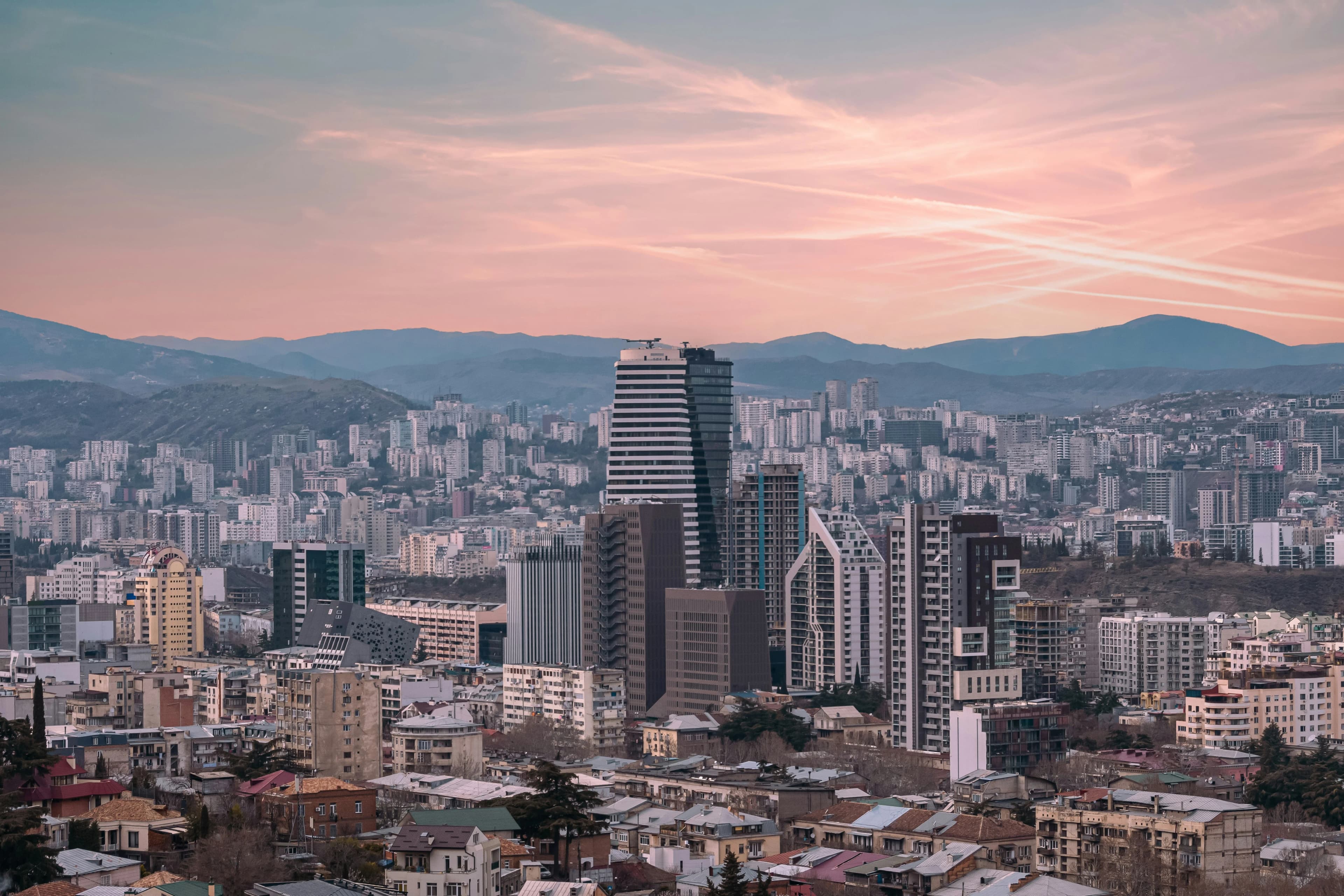
The forested hill of Mtatsminda, accessible by funicular, offers Tbilisi's most dramatic vantage points. Properties positioned in the elevated zones of the city command views over the river valley and the medieval towers of Narikala. The atmosphere is quieter and more removed. For travelers using Tbilisi as a base for broader exploration of Georgia, the relative separation from the city center can function as a genuine asset.
When to visit Tbilisi
The Georgian calendar offers two primary windows for the luxury traveler. Spring, from April through early June, brings mild temperatures, blooming vegetation in the city's parks and surrounding hills, and manageable visitor numbers. The light in this period is particular: clear and southern, flattering the terracotta and ochre tones of Tbilisi's facades. Autumn, from September through November, is equally considered. The harvest season for Georgia's wine regions, which begin just an hour east of Tbilisi in Kakheti, makes this the preferred season for travelers who plan to combine city time with winery visits. October in particular sees the Rtveli grape harvest, a significant cultural event in the Georgian agricultural and social calendar.
Summer in Tbilisi runs hot, with temperatures frequently exceeding 35 degrees Celsius. The city does not close, but the thermal intensity changes the rhythm of daily life. Winter is cold and occasionally snowy, which suits a particular type of traveler: those drawn to the Georgian table, the warmth of a traditional feast, and the quieter atmosphere of the city between seasons.
Local luxury standards: what to expect from top-tier suites in Tbilisi
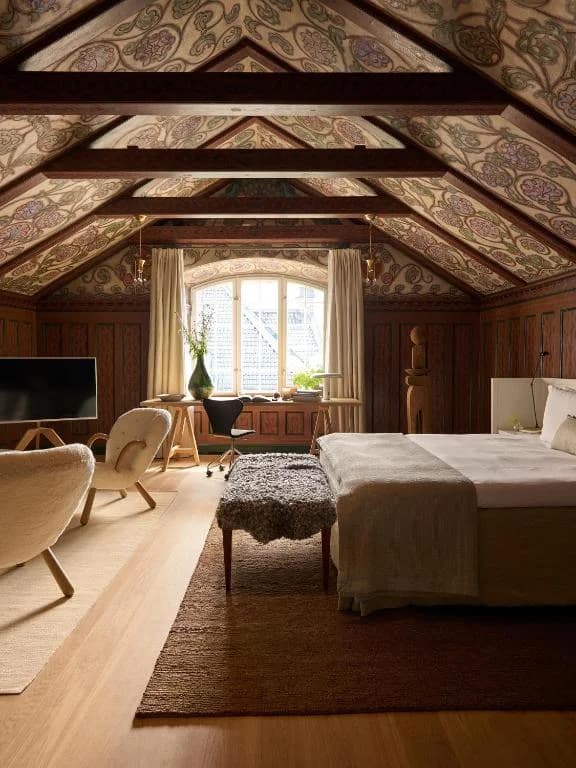
Georgia does not operate a national palace hotel designation in the manner of France. The local framework for prestige hospitality is shaped instead by the intersection of international brand standards and the Georgian tradition of exceptional private hospitality, known as tamada culture, in which the host's role is treated with near-ceremonial seriousness. At the highest level, luxury hotel suites in Tbilisi typically feature: generous floor areas relative to comparable European capitals, architectural detail drawn from the building's original period, and highly personal service orientations. The best properties understand that Georgian hospitality is not a transaction. It is a form of social contract.
The wine list is a meaningful differentiator. Georgia is one of the world's oldest wine-producing regions, with a documented history exceeding eight thousand years. A luxury hotel suite stay in Tbilisi that does not engage seriously with Georgian wine, including the distinctive amber wines made by skin-contact fermentation in traditional clay vessels called qvevri, represents a missed dimension. Top properties curate cellars that read as genuine expressions of the country's viticultural identity.
How to choose the right luxury suite in Tbilisi
The choice between historic restoration and contemporary build is the primary axis. Guests who respond to the layered texture of original architecture, exposed stone, restored plasterwork, and wooden floors from a prior century will find the most resonant options in Sololaki and the old town. Guests who prioritize design coherence, contemporary spatial planning, and full-service amenities at an international standard may prefer the newer properties in Vake or purpose-built luxury hotels above the city center.
Suite size in Tbilisi is worth examining carefully. The city's older building stock imposes physical constraints that some properties navigate with creativity, and others do not. A suite labeled as a penthouse in a restored nineteenth-century building may offer dramatic views and period detail but more modest square footage than the category implies elsewhere. Clarity on the specific layout, terrace access, and included services is the practical counsel before confirming a booking.
The city's compact scale is also a relevant consideration. Tbilisi is navigable. No district within the inner city is more than twenty minutes from another by car. The notion that location is critical, in the way it might be in Paris or London, applies less acutely here. Suite selection can therefore be weighted more toward the property's character and the quality of its service orientation than toward a postcode calculation.
The value of a curated selection for Tbilisi
Tbilisi's luxury hospitality landscape is expanding. New properties open regularly, and the gap between genuine quality and the appearance of it is not always immediately legible from a standard booking interface. La Suite applies editorial and experiential criteria to every property it lists, with particular attention to the things that the room rate does not reveal: the specificity of the suite's design, the coherence of the service model, and the degree to which the property actually reflects its city rather than bypassing it. For a destination as particular as Tbilisi, where the most meaningful experiences tend to involve cultural immersion rather than amenity accumulation, that curatorial discipline carries weight. The curated selection by La Suite is built for travelers who want fewer choices and better ones.