Understanding Bangalore as a luxury destination
Key areas for luxury stays in Bangalore
Central Bangalore and the CBD
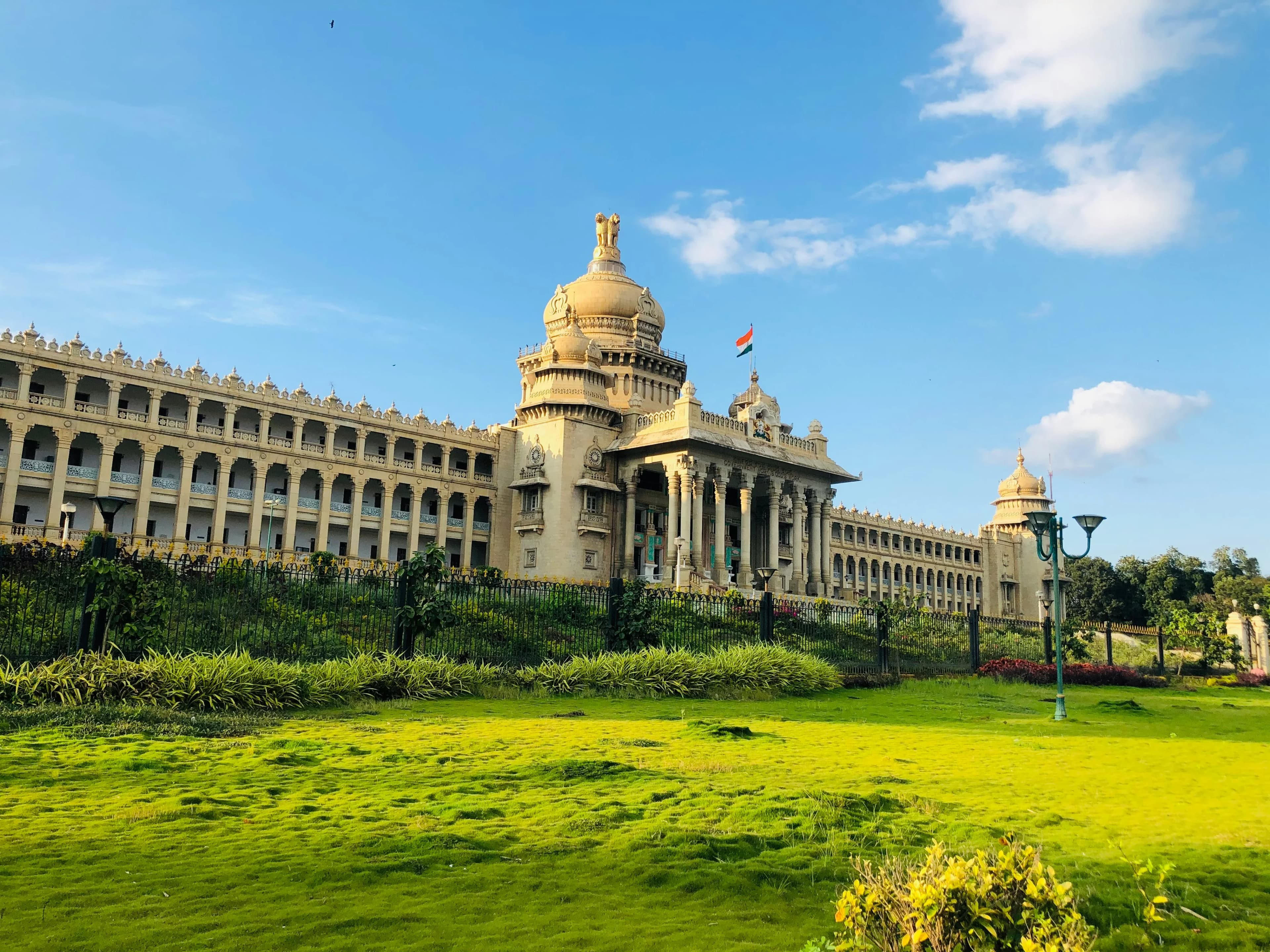
The central business district, anchored around MG Road, Brigade Road, and Cubbon Park, contains the city's highest concentration of established luxury hotels. The area benefits from proximity to Cubbon Park, one of India's better-maintained urban green spaces, and to the Vidhana Soudha, the neoclassical state legislature that remains an architectural reference point. Suites in this corridor tend to occupy upper floors of purpose-built towers, offering city views and efficient access to corporate and cultural venues alike.
Whitefield and the eastern corridor
Whitefield emerged as a residential and commercial extension of the city following the IT sector's expansion in the 1990s and 2000s. It now contains a distinct luxury hospitality cluster, largely driven by corporate demand from the surrounding technology parks. Properties here are generally newer, architecturally contemporary, and designed around conference infrastructure without sacrificing suite quality. For travelers whose itinerary is anchored in eastern Bangalore, this corridor offers practical and aesthetic advantages.
Hebbal and North Bangalore
North Bangalore has gained strategic importance since the Kempegowda International Airport was established in Devanahalli. The area around Hebbal and the Outer Ring Road has attracted several large-format luxury hotels that serve both the airport transit market and long-stay guests seeking quieter surroundings. Suites here typically offer more lateral space and resort-style amenities that the compressed central city cannot always accommodate.
Indiranagar and the inner suburbs
Indiranagar represents a different register of luxury, rooted in the city's residential fabric rather than its corporate geography. Boutique properties and design-forward guesthouses operate in converted bungalows and newer low-rise structures, appealing to travelers who prioritise neighbourhood character over hotel scale. The density of independent restaurants, galleries, and specialty retail in this area has made it a preferred base for culturally oriented visitors.
When to visit Bangalore for a luxury suite stay
Bangalore's climate is among the most consistent in India, which simplifies the question of timing considerably. The period from October through February delivers the most temperate conditions: daytime temperatures in the low to mid-twenties Celsius, dry air, and clear evenings that make the city's rooftop dining culture fully accessible. March and April warm perceptibly but remain manageable. The monsoon arrives typically in June and extends through September, bringing heavy rainfall that can affect travel logistics, though the city's garden character is arguably at its most pronounced during these months.
From a hospitality standpoint, peak demand concentrates around the Indian festival calendar, particularly Dussehra and Diwali (October to November), when rates across luxury properties rise and suite availability tightens. The Indian Premier League cricket season, held between March and May, and major technology conferences organised through the calendar year also generate demand spikes. Booking a luxury suite in Bangalore three to six months in advance is advisable for preferred properties during these windows.
Local luxury standards and what to expect from top-tier suites
India does not operate a national palace hotel classification equivalent to France's official Palace designation, but the market has developed its own hierarchy. The leading international groups, including Taj, Oberoi, ITC, and Leela, each maintain properties in Bangalore that function at the upper tier of domestic luxury. The ITC Hotels group, notably, carries its own internal Responsible Luxury framework and Green Rating credentials, which appeal to guests for whom environmental accountability is a selection criterion alongside design and service.
Suite configurations in Bangalore's top luxury hotels typically include separate living areas, butler service, and access to dedicated club or suite lounges. Indian hospitality at this level tends to place particular emphasis on food and beverage quality, and Bangalore's cosmopolitan culinary scene, which includes serious South Indian vegetarian traditions alongside contemporary international kitchens, is well represented within the better properties. Expect curated in-suite dining options, not merely room service menus.
The concept of the heritage property carries weight in Bangalore, where a small number of colonial-era buildings have been converted into boutique hotels. These offer a distinctly different texture from the tower-format luxury hotel, with lower room counts, more deliberate design, and a pace that reflects the city's older residential character.
How to choose the best luxury suite in Bangalore
The first question is geographical: Bangalore is a large, traffic-dense city where the distance between a suite and a traveler's primary commitments, whether corporate meetings, cultural sites, or the airport, has material consequences for the quality of a stay. Choosing a property in proximity to the relevant node of the city is not a secondary consideration.
The second consideration is suite typology. A traveler seeking a self-contained residential environment, with kitchen facilities, dedicated workspace, and the ability to host small meetings privately, will find this configuration more readily in newer properties. A traveler who values architectural character, garden access, and a quieter cadence should look toward heritage and boutique formats. Both categories exist in Bangalore; they serve genuinely different purposes.
Third, consider the food and beverage infrastructure within the property. Given the quality and diversity of Bangalore's independent restaurant scene, a traveler comfortable navigating the city will find significant culinary value outside the hotel. For those who prefer to eat in, particularly corporate travelers on compressed schedules, the in-house dining programme of a luxury hotel becomes a more significant variable.
The value of a curated selection by La Suite
Bangalore's luxury hotel market has expanded quickly, and the gap between properties that market themselves as luxury and those that consistently deliver at that standard is not always legible from brand positioning alone. La Suite applies a consistent editorial framework to this selection, assessing suite-specific criteria rather than overall hotel reputation. The result is a curated set of options that reflects the actual experience of staying in a top-tier suite in this city, not an aggregated star rating.
For a city as geographically complex and commercially dynamic as Bangalore, the value of that curation is concrete. It reduces the time cost of research, surfaces properties whose suite programmes are genuinely distinguished, and provides a reliable basis for a stay that meets the standard a discerning traveler has calibrated elsewhere in the world. The curated selection by La Suite is the most direct route to that outcome.