Where to stay in New Delhi: understanding the city's distinct luxury zones
Lutyens' Delhi, the colonial-era zone designed by Edwin Lutyens and Herbert Baker, remains the city's most formally composed quarter. Wide, tree-lined avenues, low building heights, and proximity to the diplomatic enclave make this area the preferred address for heads of state and senior executives. Properties here tend toward monumental scale, with interiors that reference both Rajput and Mughal decorative traditions alongside mid-century modernism.
The area around Connaught Place and the central business district offers a different proposition: proximity to commercial hubs, government ministries, and the city's institutional architecture. Suites in this zone prioritize efficiency alongside ceremony, catering to travelers whose schedules demand both rapid access and genuine retreat.
South Delhi, particularly the corridors around Chanakyapuri and the Mehrauli archaeological zone, offers quieter surroundings with access to some of the city's most serious contemporary dining and cultural institutions. This is the preferred zone for travelers who want distance from the capital's official density while remaining within reach of its cultural core.
Aerocity, adjacent to Indira Gandhi International Airport, has emerged as a distinct luxury node for travelers with compressed itineraries or onward connections. The properties here are architecturally contemporary and operationally precise, designed for a global business audience.
When to visit New Delhi for a luxury suite experience
The timing of a visit to New Delhi is not a minor consideration. The city's climate is decisive: it shapes the quality of outdoor space, the usability of terrace suites, and the general comfort of movement through the city.
October through March represents the most considered window for high-end travel. Temperatures during this period are moderate, the air quality is generally more manageable than in summer months, and the city's cultural calendar is at its most active. The Delhi International Arts Festival, India Art Fair (typically held in February), and the diplomatic and fashion seasons all fall within this window. Suite availability at the city's leading properties tightens during these months, particularly in January and February.
April through June brings intense heat, with temperatures regularly exceeding 40 degrees Celsius. Some travelers deliberately use this period for negotiated rates and reduced crowds at key sites, and well-engineered luxury suites with strong climate control remain entirely functional. July through September is the monsoon season: humidity is high, the city's gardens and green corridors become dramatically lush, and certain heritage properties take on a particular atmospheric quality during this period.
Local luxury standards: what defines a top-tier suite in New Delhi
India does not operate a formal government classification equivalent to France's Palace designation, but the market has developed its own markers of distinction. The leading luxury hotel groups present in New Delhi include both Indian conglomerates with deep roots in the hospitality tradition and international operators who have adapted their standards to the local context.
The most significant Indian hospitality identifier is the Taj brand's flagship tier, which draws on the group's founding ethos of princely-era service. Properties operating at this level are characterized by staff-to-guest ratios that remain among the highest in global luxury hospitality, an emphasis on personally anticipatory service rather than scripted interaction, and interiors that integrate classical Indian craft traditions into contemporary spatial planning.
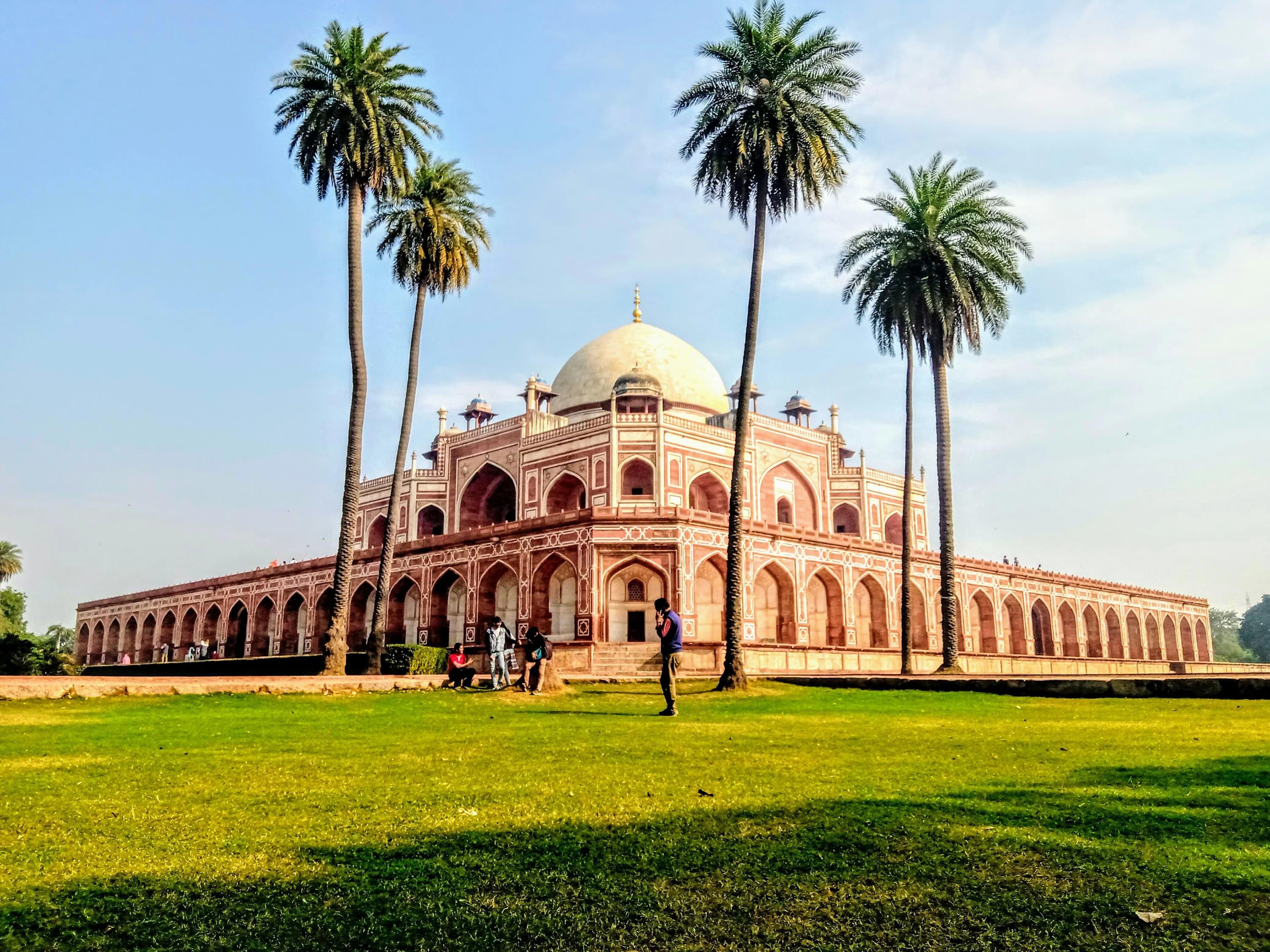
Heritage properties, particularly those converted from maharaja residences or colonial-era institutions, offer a distinct category of suite experience. These buildings carry genuine provenance: the materials, proportions, and ornamental detail are not reproduction but original fabric. A suite in a heritage property in New Delhi is an encounter with a specific moment in the subcontinent's architectural history.
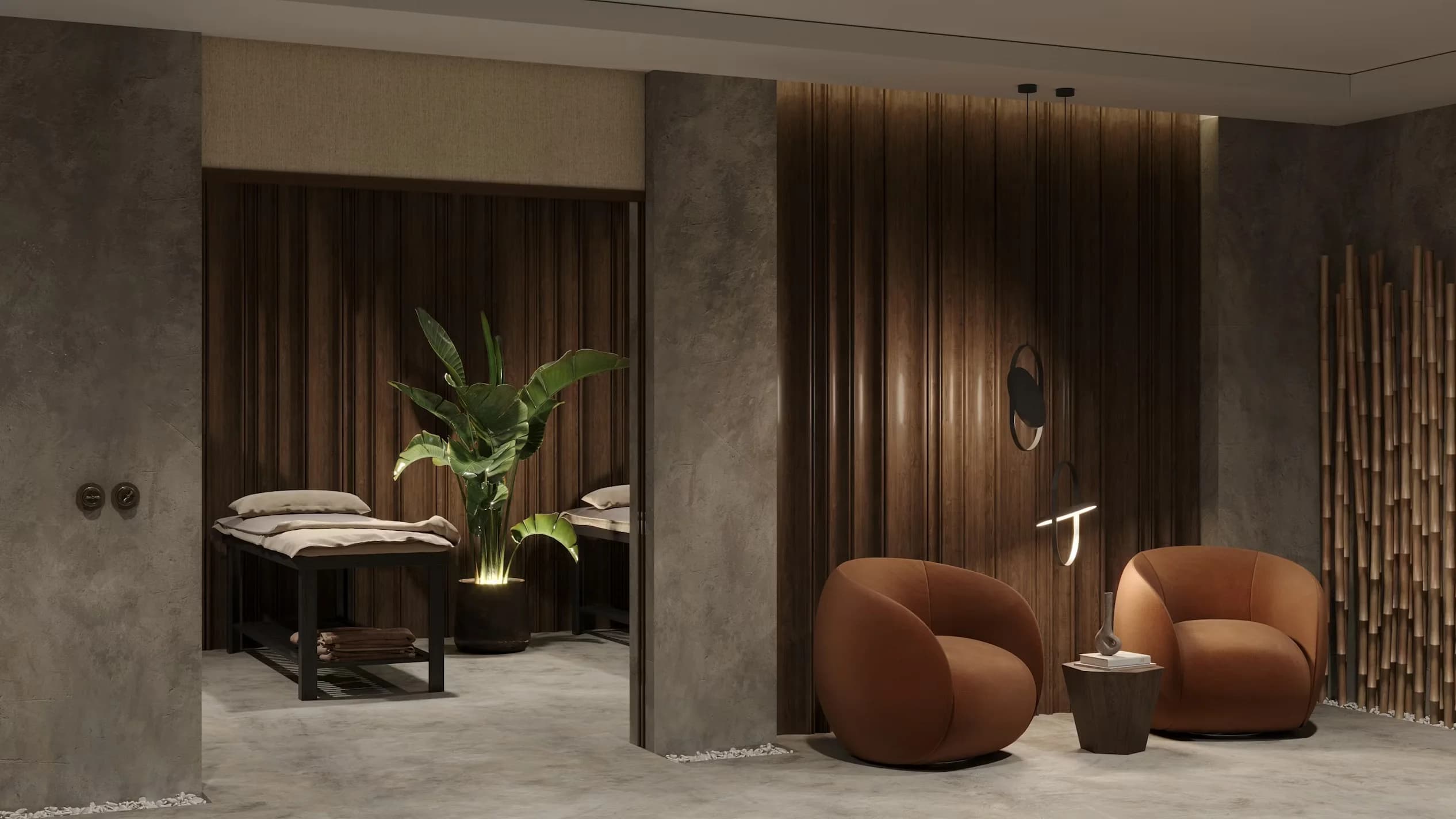
Contemporary luxury hotels, particularly those that have opened in the past decade, bring a different standard: rigorous climate engineering, contemporary Indian design authorship, and amenities calibrated to an internationally mobile clientele. Many of these properties have invested significantly in spa infrastructure drawing on Ayurvedic and other classical South Asian wellness traditions.
How to choose the right luxury suite in New Delhi
Several practical considerations are specific to New Delhi and should inform the selection process for any discerning traveler.
First, the question of location relative to purpose. New Delhi is a large city with traffic patterns that can significantly affect journey times, particularly during morning and evening peak hours. A suite in Lutyens' Delhi places the traveler in proximity to diplomatic and government functions but at some distance from the airport. Aerocity properties solve the transit question but remove the traveler from the city's cultural and institutional fabric. Mapping the primary purpose of the visit against the geography of each zone is essential before making a selection.
Second, the choice between heritage and contemporary architecture carries real implications. Heritage suites often feature higher ceilings, deeper room proportions, and decorative elements of genuine historical interest, but may involve older mechanical systems and less uniform acoustic privacy. Contemporary properties tend toward more precise environmental control and spatial consistency across suite categories.
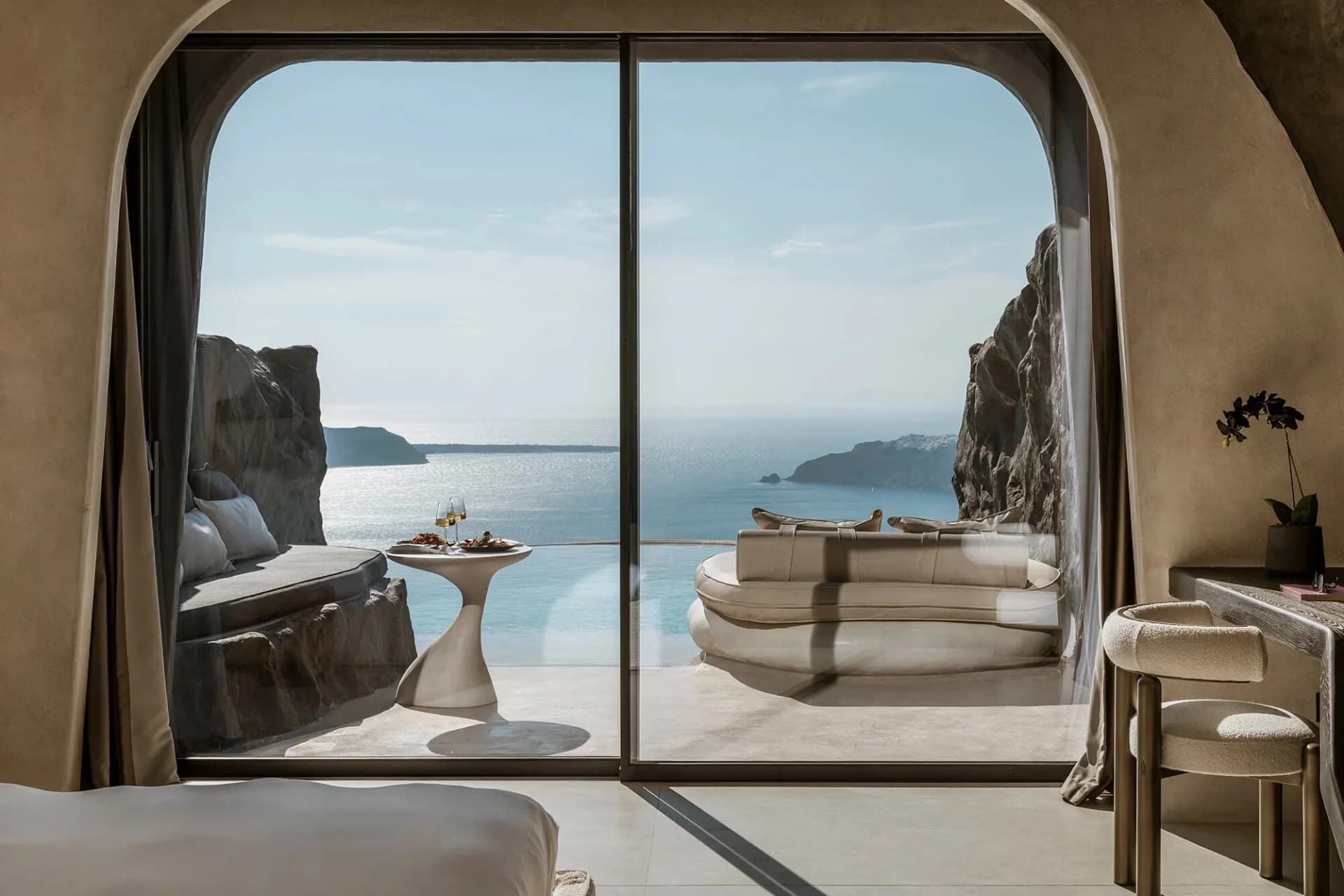
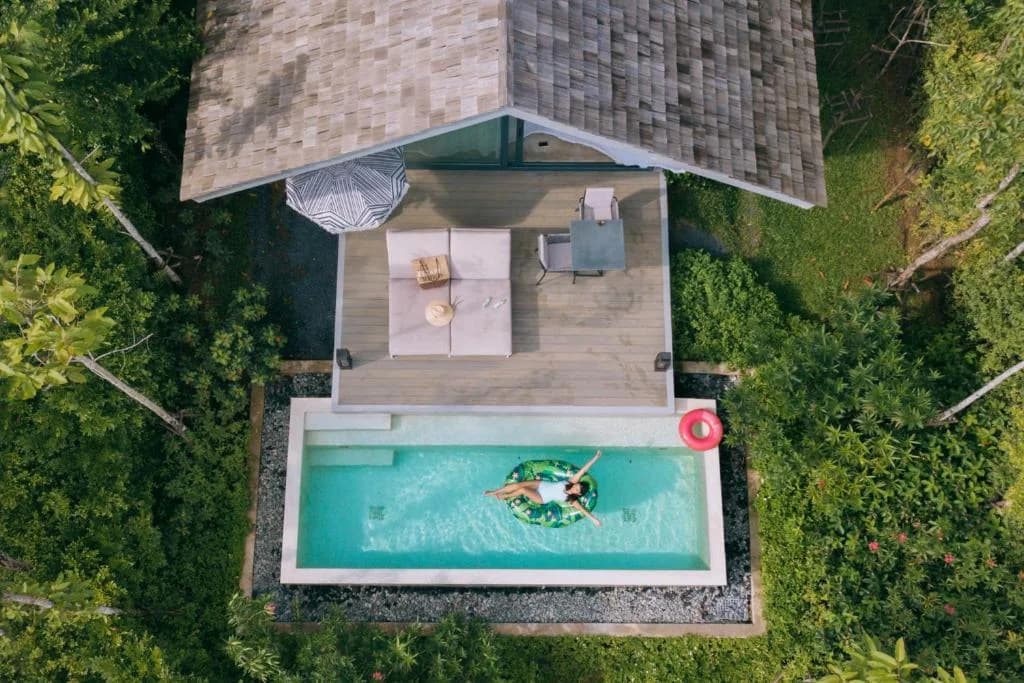
Third, consider the outdoor component. Several of New Delhi's leading properties offer suites with private terraces, plunge pools, or direct garden access. These are highly usable during the October-to-March season and add a dimension to the stay that enclosed room formats cannot replicate. Confirming outdoor functionality and orientation before booking is a practical consideration specific to this city's climate.
Why a curated selection matters in New Delhi's luxury hotel market
New Delhi's hotel market is substantial and, at its upper end, genuinely varied. The range of available options spans colonial-era palaces, post-independence modernist landmarks, and recently completed contemporary towers. Without a precise curatorial framework, the selection process can default to brand recognition rather than the actual quality and character of individual suites.
La Suite's approach filters this market by the suite itself: its proportions, service infrastructure, design integrity, and the specificity of the experience it delivers. In a city where the gap between a property's lobby impression and its actual suite quality can be significant, that granularity matters. The curated selection by La Suite reflects properties where the suite category represents the defining offer, not an afterthought to a larger hotel operation.