Cactus Village Penida, Klungkung Regency
Located in Nusa Penida, 1.6 miles from Giri Putri Cave, Cactus Village Penida provides accommodations with an outdoor swimming pool, free private parking, a garden and a restaurant. Among the faciliti

Klungkung Regency is among the smallest administrative regions in Indonesia, yet its cultural density is disproportionate to its size. The regency encompasses both the mainland area around Semarapura and the offshore islands of Nusa Penida, Nusa Lembongan, and Nusa Ceningan. Each of these zones offers a distinct spatial and sensory context for high-end travel, ranging from the ceremonial formality of the royal heartland to the raw coastal topography of the Nusa islands.
4 hotels available

Located in Nusa Penida, 1.6 miles from Giri Putri Cave, Cactus Village Penida provides accommodations with an outdoor swimming pool, free private parking, a garden and a restaurant. Among the faciliti

Elegant Accommodations MAUA Nusa Penida Bali in Nusa Penida offers a 5-star resort experience with spa facilities, a modern restaurant, bar, and a year-round outdoor swimming pool. Guests enjoy se

Prime Beachfront Location Semaya Beach Resort in Nusa Penida offers a private beach area and direct beachfront access. Guests enjoy stunning sea views and a sun terrace, complemented by a swimming

Exceptional Facilities The Tamarind Resort in Nusa Lembongan offers spa facilities, a year-round outdoor swimming pool, a fitness center, and wellness packages. Guests can relax at the pool bar or
Hotels in the area, but in a neighbouring town.

Located on the rice terraces of Sidemen Valley, Samanvaya offers a peaceful getaway an hour’s drive from Ubud. Each bungalow offers a private balcony with stunning views of rice terraces and garden vi

The Wapa Lux Tent has an outdoor swimming pool, garden, a terrace and restaurant in Sidemen. Featuring a bar, the 5-star hotel has air-conditioned rooms with a private bathroom. The property has room

Elegant Accommodations Wapa di Ume Sidemen in Sidemen offers comfortable rooms with air-conditioning, private bathrooms, and garden or mountain views. Each room includes a work desk, mini-bar, and fre

Badung Regency is the administrative and geographic heart of southern Bali, encompassing a series of distinct coastal and inland zones that each carry their own architectural character and social register. Unlike Bali as a whole, which spans mountainous highlands and rural rice-farming communities, Badung concentrates the island's most refined hospitality infrastructure into a relatively compact territory. The result is a destination where the density of exceptional luxury hotel options is unusually high, and where the differences between one area and the next are meaningful enough to influence the entire tone of a stay.

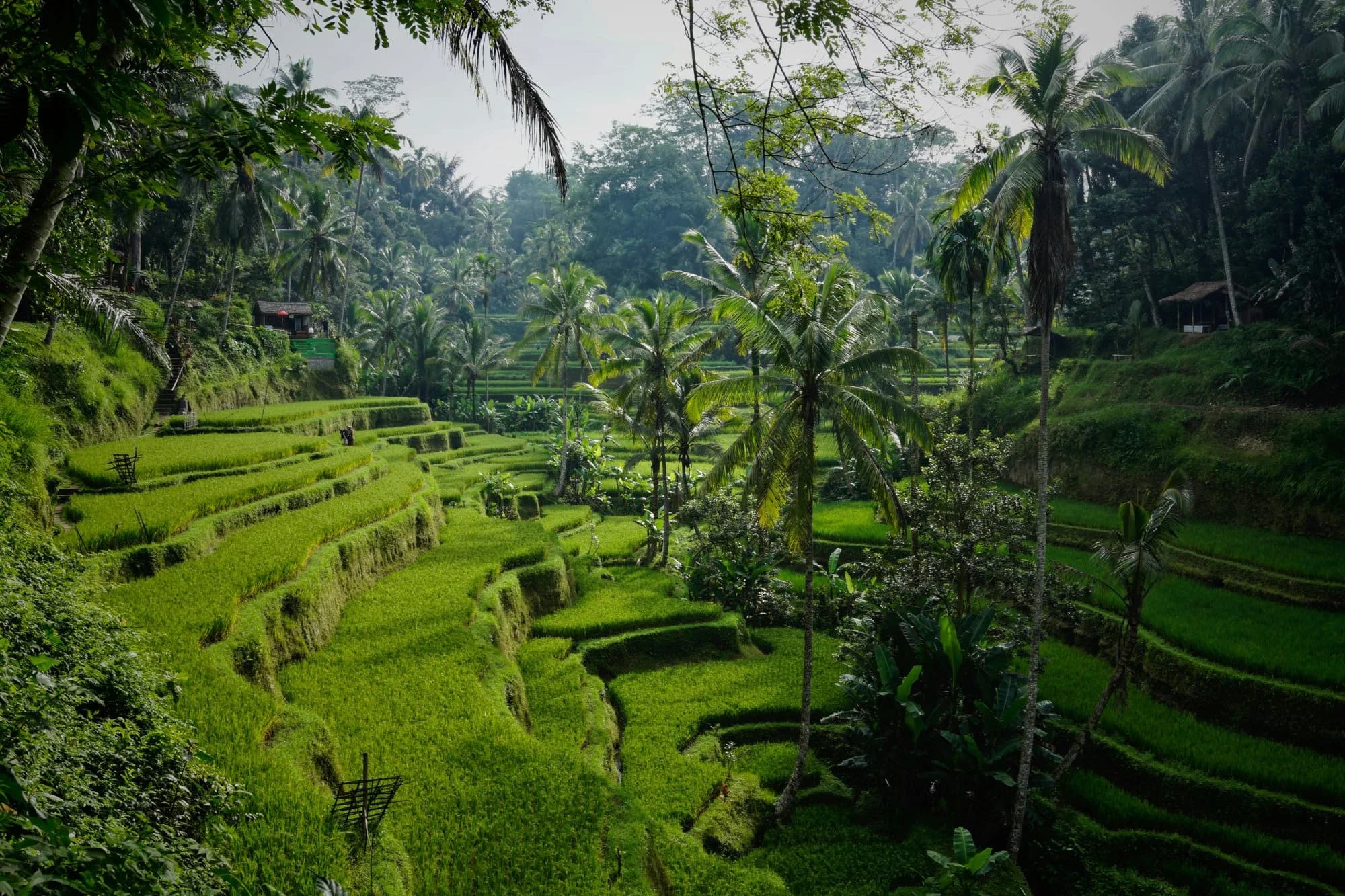
Gianyar Regency is one of nine regencies in Bali, and it holds a disproportionate share of the island's cultural weight. The regency contains Ubud, long recognized as Bali's artistic and intellectual center, alongside smaller villages with distinct craft traditions: silver work in Celuk, stone carving in Batubulan, painting in Batuan. For the high-end traveler, this concentration of cultural production creates a backdrop that no beach resort can replicate. The landscape itself is architecturally demanding: volcanic ridgelines, terraced rice paddies maintained under the traditional subak irrigation system (a UNESCO-recognized cultural landscape since 2012), and river valleys carved by the Ayung and Petanu rivers. A luxury suite positioned within this geography is not simply accommodation. It is a vantage point.

Bangli Regency is the only landlocked regency in Bali, and that geographic fact shapes everything about what a stay here offers. The territory extends from the fertile central plains through the Kintamani plateau and up to the caldera rim of Mount Batur, an active volcano at approximately 1,717 metres. Below, Lake Batur sits within the ancient caldera, providing one of the island's most architecturally compelling natural views. This is not a destination built for beach leisure. It is a destination for travelers who read landscapes closely and who find as much meaning in a temple courtyard at dawn as in a hotel pool at sunset.
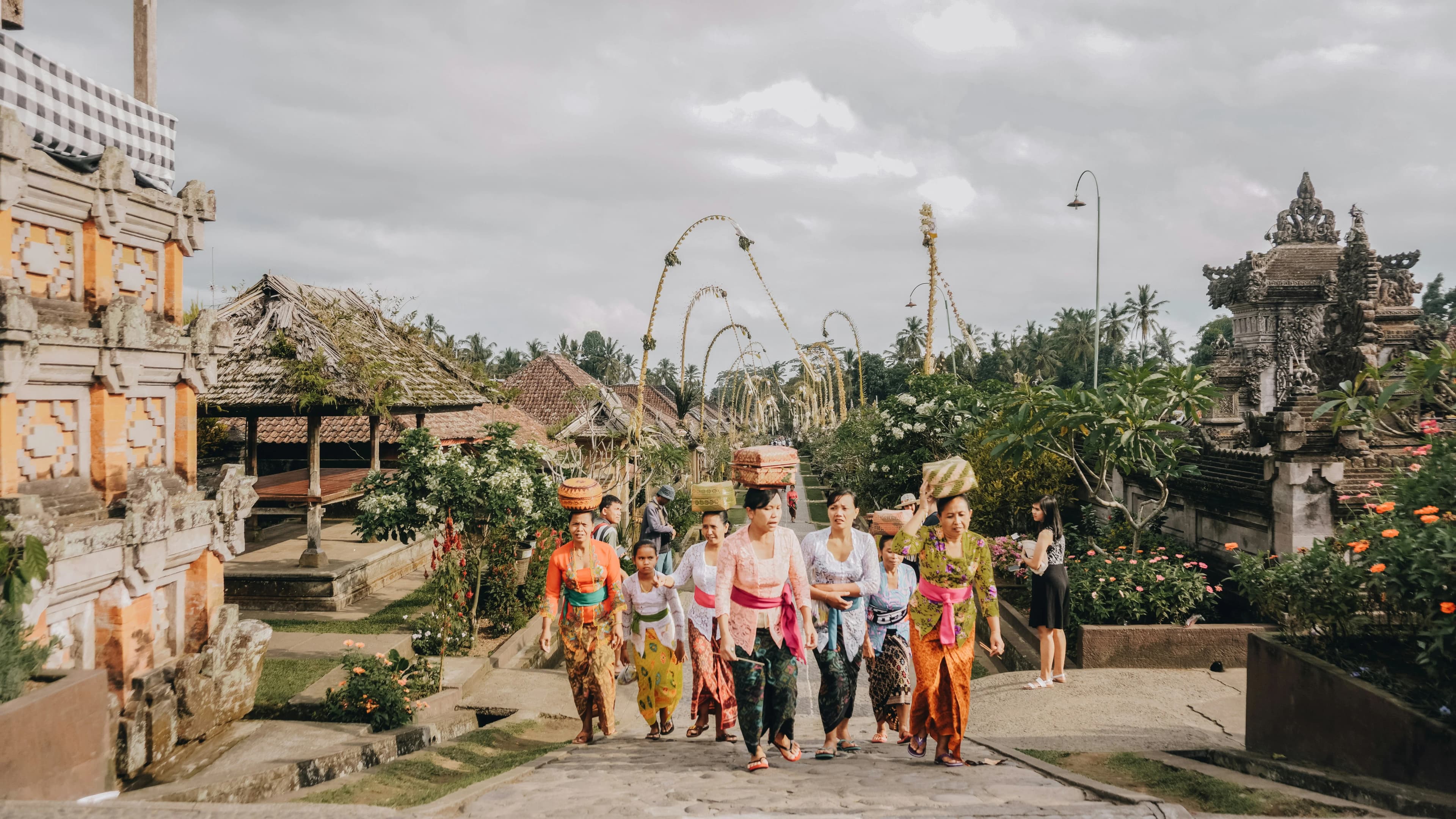
For the design-literate traveler, Klungkung presents a different register than the better-known resort corridors of Seminyak or Ubud. The landscape here is drier, the vernacular architecture more austere, and the relationship to Balinese Hinduism more visibly intact in daily life. A luxury hotel suite in this territory is not a backdrop for beach leisure. It is a vantage point from which to observe a living ceremonial culture.
The town of Semarapura contains the Kerta Gosa, a royal justice pavilion whose ceiling paintings represent one of the finest examples of the Kamasan school of Balinese classical art. The surrounding countryside is dense with temple complexes and traditional craft villages. Accommodation in the mainland area tends toward intimate retreats oriented around private gardens and traditional compound architecture. The atmosphere is contemplative and unhurried.
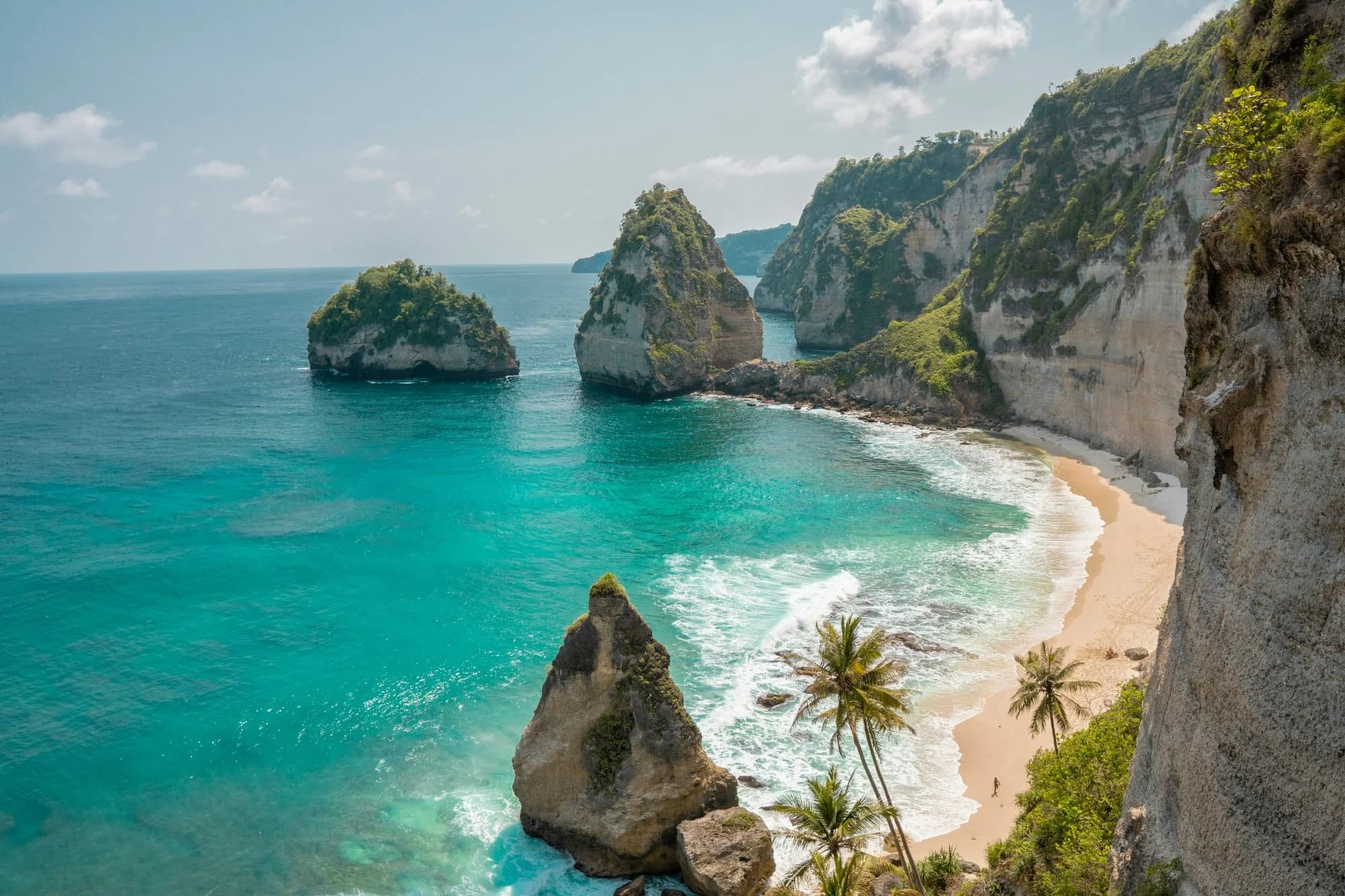
Nusa Penida has undergone significant transformation over the past decade, moving from a largely inaccessible island to one of the most sought-after natural destinations in Asia. The island's cliffs, limestone formations, and near-pristine marine environments attract travelers prepared to trade urban convenience for exceptional scenery. Luxury accommodation here tends to be small-scale and design-forward, with suites positioned to maximize the visual drama of the island's topography.
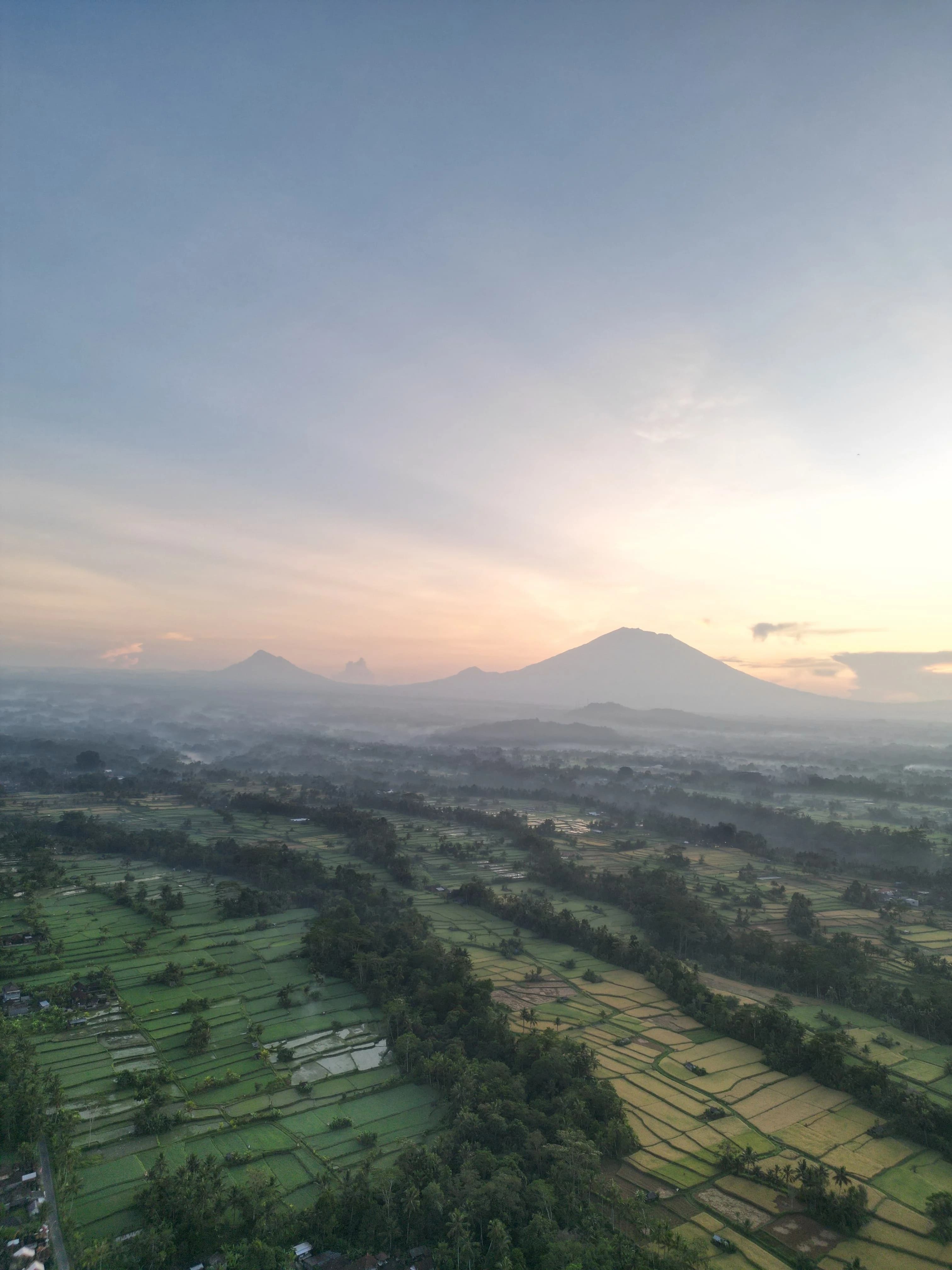
These two smaller islands, connected by a suspension bridge, offer a more settled and curated experience than Nusa Penida. Nusa Lembongan has a longer history of welcoming international visitors and supports a compact ecosystem of boutique properties. Suites here are typically oriented toward the Lombok Strait and the volcanic silhouette of Agung. The scale is intimate, the pace deliberate.
The dry season in Bali and Klungkung Regency runs from approximately May through October, with July and August representing peak demand. During these months, the Nusa islands are most accessible by fast boat, visibility for diving and snorkeling is at its clearest, and the risk of heavy rainfall is lowest. Suite availability at the most sought-after properties tightens considerably in this window, and advance planning is advisable.
The shoulder months of May, June, and September offer a more measured experience: favorable weather, reduced visitor density, and greater flexibility in accommodation. The wet season, from November through March, brings daily rainfall, typically in concentrated afternoon bursts. Some smaller properties on the Nusa islands reduce capacity or close for maintenance during this period. Travelers who prioritize cultural immersion over coastal access may find the wet season rewarding, as temple ceremonies and agricultural rituals intensify during this time.
The Balinese ceremonial calendar operates independently of the Gregorian year and produces significant temple festivals throughout Klungkung's mainland. The Odalan cycle, in which each temple celebrates its anniversary every 210 days, means that ceremonial activity is effectively continuous. Travelers with a genuine interest in Balinese Hinduism should cross-reference their visit with the local Pawukon calendar.
Indonesian hospitality operates within a distinct set of values that differ from European or North American luxury conventions. The emphasis is placed on spatial generosity, the integration of indoor and outdoor living, and the quality of craft materials rather than on technological amenity or formal service theater. A well-appointed luxury suite in Klungkung will typically feature open-air bathrooms, hand-carved stone or wood detailing, private plunge pools, and unobstructed views calibrated to the surrounding landscape.
The concept of the private villa compound, where a suite or a cluster of rooms is organized around an enclosed garden with its own pavilion and pool, represents the dominant format for high-end accommodation in Bali and carries through to Klungkung. This structure provides a level of privacy and spatial autonomy that conventional hotel formats rarely match. Guests are rarely visible to one another, and the boundary between interior and exterior space is deliberately ambiguous.
On the Nusa islands, the luxury standard is more recent in its development and correspondingly less codified. The best properties here have been designed with a clear architectural intention and positioned to exploit the islands' topography. Cliff-edge infinity pools, open-sided dining pavilions, and suites constructed from local stone and reclaimed timber are recurring formal choices.
The first decision for a traveler considering Klungkung is whether to base themselves on the mainland or on one of the offshore islands. The mainland offers cultural depth, ease of access to the rest of Bali, and a more rooted sense of place. The Nusa islands offer physical drama, relative seclusion, and a more pronounced separation from the mainstream tourist infrastructure of southern Bali.
For those prioritizing privacy and architectural quality, a compound-style suite on the mainland or a cliff-facing suite on Nusa Penida or Lembongan will typically deliver the most coherent experience. Travelers with families or those requiring consistent connectivity should note that the Nusa islands, while increasingly well-served, still operate with infrastructure limitations that are part of their character rather than a deficiency to be corrected.
The architectural orientation of a suite matters considerably in this landscape. North-facing properties on Nusa Lembongan, for instance, look directly toward Bali and Agung. East-facing suites on the mainland catch the early light over the rice terraces that fringe the regency. These are not incidental considerations. They define the quality of each morning and the rhythm of each day.
Klungkung Regency does not have the volume of internationally recognized luxury hotel brands that characterize Seminyak or Nusa Dua. The most compelling properties here tend to be independently owned, architecturally specific, and less visible through conventional booking channels. This is precisely the context in which curation adds the most value.
La Suite's approach to Indonesia is grounded in direct knowledge of the properties, their spatial quality, their service consistency, and their relationship to the surrounding environment. For a territory as particular as Klungkung, where the difference between an exceptional suite and an adequate one is rarely legible from a photograph alone, a curated selection by La Suite provides a reliable framework for a consequential decision. Explore the full La Suite selection for Indonesia to identify the properties that align with your specific priorities.

Klungkung Regency offers a more culturally rooted and less commercially developed experience than the resort corridors of Seminyak or Kuta. The regency contains the historical center of Balinese royal culture, significant classical art traditions, and the dramatic natural landscapes of Nusa Penida, making it a destination oriented toward depth of experience rather than resort leisure.
Nusa Lembongan is the most established of the offshore islands for high-end accommodation, with a small number of design-focused properties oriented toward the Lombok Strait. Nusa Penida suits travelers who prioritize dramatic natural scenery and are comfortable with a more frontier atmosphere. The mainland around Semarapura is best for those seeking cultural immersion within a garden compound setting.
The dry season from May to October provides the most reliable conditions for coastal access, particularly to the Nusa islands. July and August see peak demand and reduced availability at the better properties, so booking several months in advance is advisable. May, June, and September offer favorable weather with lower occupancy pressure.
The mainland area of Klungkung is approximately one hour by road from Ubud and under two hours from Seminyak, depending on traffic. The Nusa islands are reached by fast boat from Sanur, with crossings typically taking between 30 and 45 minutes to Nusa Lembongan and around 45 minutes to Nusa Penida.
The dominant format is the private compound, in which a suite or villa is organized around an enclosed garden with a plunge pool and open-air living spaces. Materials typically include carved volcanic stone, reclaimed timber, and handmade textiles. On the Nusa islands, suites are more likely to reflect a contemporary tropical minimalism that responds to the cliff-edge topography.
Klungkung has a smaller and less internationally branded luxury hotel inventory than Ubud or Seminyak. The properties that do operate at a high level here tend to be independently owned and architecturally distinctive, with a strong relationship to the local landscape. Travelers who find value in exclusivity and cultural specificity often prefer this over the more saturated markets to the west.
The Kerta Gosa in Semarapura is a primary cultural reference point, housing ceiling paintings from the Kamasan school that are among the finest examples of classical Balinese art. Temple festivals occur continuously on the traditional Pawukon calendar and are observable throughout the regency. The underwater environment around the Nusa islands, including manta ray cleaning stations and diverse reef systems, represents a natural experience of equivalent significance.
Nusa Penida has developed a small number of properties that meet a genuine luxury standard, particularly for travelers who value seclusion and landscape drama over urban convenience. Staying on the island allows access to its most compelling sites in the early morning before day-trippers arrive by boat from Sanur. As a day trip, the island is accessible but the experience is necessarily compressed and less considered.
Coastal suites on the Nusa islands offer direct engagement with the marine environment and typically more pronounced architectural drama, but they involve a boat transfer and some infrastructure limitations. Inland suites on the mainland offer proximity to Balinese cultural sites, greater connectivity, and the sensory quality of the surrounding agricultural landscape. The choice depends on whether the priority is natural landscape or cultural context.
La Suite evaluates properties based on spatial quality, architectural coherence, service consistency, and the integrity of the suite product specifically, not merely the overall hotel reputation. In a territory like Klungkung, where independently owned properties dominate the high-end segment, this approach surfaces options that are not always visible through conventional booking channels. The full Indonesia selection is available at lasuite.com.