
Karuizawa
Hotels with luxury suites in Karuizawa
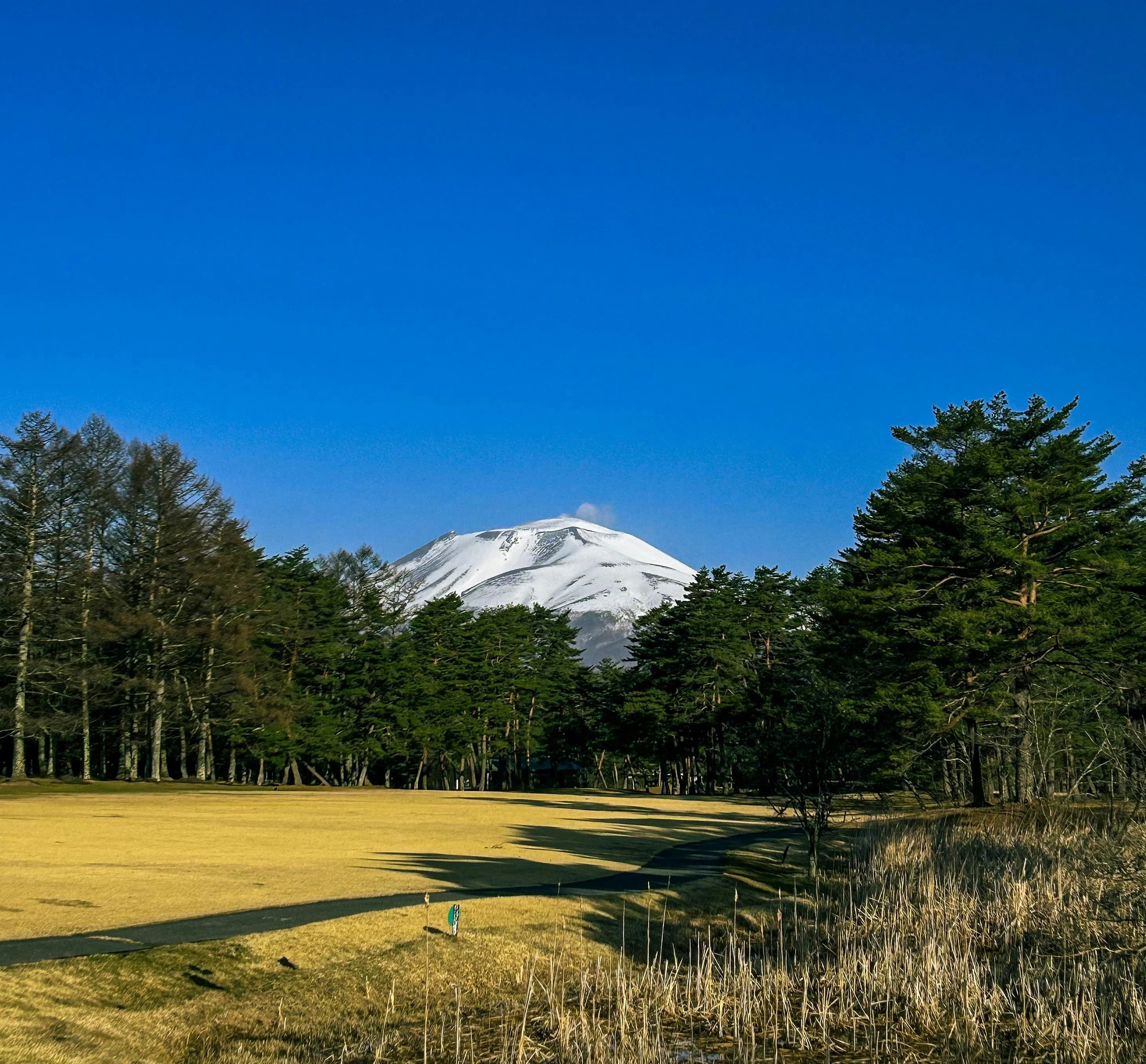
Karuizawa, located in Nagano Prefecture at roughly 1,000 metres elevation, has served as Japan's foremost highland escape since the late nineteenth century. Its association with discretion and cultural refinement is structural, not aspirational. The town has historically attracted artists, writers, intellectuals, and Japan's imperial family, who maintained a summer villa here. That legacy shapes the aesthetic of the destination today: restrained, forest-facing, and architecturally considered.
0 hotel available
No hotels.
Nearby
Hotels in the area, but in a neighbouring town.

Comfortable Accommodations Fufu Karuizawa Yokou No Kaze in Karuizawa offers family rooms with air-conditioning, private bathrooms, tea and coffee makers, and TVs. Each room includes free WiFi, ens

Conveniently located just a 3-minute walk from JR Karuizawa Shinkansen (bullet train) Station, Hotel Grand Vert Kyu Karuizawa offers spacious guestrooms with a comfortable sofa and free WiFi. Guests a

Located within 0 mi of JR Karuizawa Station, , Hotel Indigo Karuizawa by IHG in Karuizawa has a number of amenities including a restaurant, a fitness center and a public bath. This 5-star hotel featur

Karuizawa Prince Hotel features 3 dining options, a large-scale shopping mall with 240 shops, hot-spring・open-air baths and a steam sauna facility, various golf courses and on-site ski slopes. Guests

Open from August 2018, featuring Mount Asama views and a single-star Michelin restaurant, Le Grand Karuizawa Hotel and Resort is located in Karuizawa. The resort is fitted with garden, bar, fitness an

Comfortable Accommodations LONGINGHOUSE Kyukaruizawa Suwanomori in Karuizawa offers family rooms with air-conditioning, private bathrooms, and free WiFi. Each room includes bathrobes, a refrigerat

Surrounded by lush greenery, Mampei Hotel offers free WiFi and free on-site private parking. JR Karuizawa Station is a 10-minute drive from this nonsmoking accommodations. Kumobaike Pond can be reache

Located in a tranquil area surrounded by natural beauty. The hotel offers a shuttle and a luggage delivery service between JR Karuizawa Station south exit and the hotel. Bicycle rental is available, a
Why Karuizawa draws Japan's most design-literate travelers
For travelers exploring Japan with an eye for design and spatial quality, Karuizawa presents a counterpoint to urban intensity. It is not a resort in the conventional sense. It is a place of deliberate decompression, and the suites here are calibrated accordingly: wide windows oriented toward birch and cedar, materials sourced locally, and a general preference for silence over spectacle.
The distinct areas of Karuizawa and where to stay
Kyu-Karuizawa: the historic core
The old town district, known as Kyu-Karuizawa, contains the original concentration of Meiji-era summer villas, Christian mission buildings, and the Ginza shopping street that has served the resort since the early twentieth century. Properties in this area tend toward a certain formality, reflecting the established social character of the neighbourhood. A suite here places the guest within immediate reach of the town's most culturally layered streets without sacrificing privacy.
Hoshino: the architectural district
The Hoshino area, anchored by the Hoshino Resorts group's flagship development, has become the reference point for contemporary luxury hospitality in Karuizawa. The spatial logic here is landscape-first: accommodation is distributed across forested terrain, and the relationship between indoor and outdoor space is treated with architectural seriousness. This is where guests who prioritise design credentials and spatial innovation tend to stay.
Naka-Karuizawa and the forest periphery
Moving away from the commercial centre, the forest periphery around Naka-Karuizawa offers a quieter register entirely. Properties here are typically smaller, more private, and more explicitly connected to the surrounding ecology. For travelers arriving from Asia's dense urban centres, the shift in sensory register is immediate and significant.
When to visit Karuizawa for a suite stay
Summer: the traditional peak season
July and August represent Karuizawa's established high season, a pattern that has persisted since the Meiji period. Temperatures remain comfortable at altitude when Tokyo is humid and difficult, and the social calendar intensifies. Suite availability is tightest during this window, and advance planning is essential. The Karuizawa Music Festival, one of Japan's oldest classical music events, typically runs through August and adds a specific cultural dimension to a summer stay.
Autumn: the preferred season for aesthetic travelers
Late September through November is widely considered the most rewarding season for design-conscious visitors. The deciduous forests around Karuizawa produce a foliage sequence in amber, copper, and deep red that is photographically precise and architecturally significant when framed through a suite's floor-to-ceiling glazing. Temperatures are brisk and the summer crowds have thinned considerably.
Winter and spring
Winter brings snow to the plateau, and several properties in the area are specifically configured for cold-weather stays, with onsen facilities and interior materiality chosen for warmth. The nearby Shiga Kogen ski area extends the winter proposition for guests who want activity alongside retreat. Spring, particularly late April and May, sees the forests re-emerge and offers a quieter, more intimate quality than either summer or autumn.
Understanding luxury standards in Karuizawa
The ryokan tradition and its influence
Japan's indigenous luxury hospitality format, the ryokan, is defined by spatial generosity expressed through traditional craft: tatami flooring, fusuma sliding screens, kaiseki dining, and private onsen baths. In Karuizawa, the ryokan influence is often present as a design sensibility rather than a literal format. Many of the area's premium properties synthesise ryokan principles, particularly the attention to material detail and the integration of bathing into the suite experience, with contemporary architecture.
What to expect from a top-tier suite in Karuizawa
The finest suites in Karuizawa share several consistent qualities. Private outdoor access, whether a terrace, garden, or forest-facing deck, is standard at this level. Bathing facilities are treated as a primary spatial consideration rather than a utility, and often incorporate natural stone and views of the surrounding landscape. Dining, when offered in-suite or in small private settings, follows the kaiseki logic of seasonal ingredients presented with formal precision. Noise levels are structurally low, and the design vocabulary tends toward natural materials: timber, stone, washi paper, and handcrafted textiles.
Connectivity and access
Karuizawa's position on the Hokuriku Shinkansen line means that travel from Tokyo Station takes approximately seventy-two minutes, a fact that conditions the destination's entire luxury proposition. The speed and ease of access makes it viable as a two or three-night stay appended to a longer Japan itinerary, and many guests arrive directly from Tokyo without a connecting transfer. Having a luxury hotel suite waiting at the other end of a Shinkansen journey is a particular kind of precision travel that Karuizawa is uniquely positioned to offer within Japan.
How to choose the right suite in Karuizawa
Forest-facing versus town-adjacent
The most fundamental choice is spatial orientation. Forest-facing suites, typically found in the Hoshino district and the forest periphery, prioritise ecological immersion and silence. Town-adjacent suites in Kyu-Karuizawa offer walkability and cultural access. The two are not equivalent, and the choice should reflect the actual purpose of the stay rather than an abstract preference for luxury.
Architecture: contemporary or historically inflected
Karuizawa's architectural offer spans from properties that reference Meiji-era summer house aesthetics to resolutely contemporary buildings whose material palette is drawn from the surrounding forest. Neither is superior. The question is which spatial logic is coherent with how a particular traveler wants to spend seventy-two hours. For guests who want architecture to be a primary part of the experience, the contemporary forest lodges set a clear standard. For guests who value historical context and a sense of place rooted in Japan's modern cultural history, the older district rewards careful selection.
The role of a curated selection
Karuizawa has expanded its hospitality offer significantly over the past decade, and the range of properties now claiming premium positioning is wide. The curatorial work required to distinguish between properties that deliver on their spatial and experiential promises and those that offer only surface credentials is substantial. La Suite's curated selection of luxury suites in Karuizawa applies the same editorial discipline used across our full Japan portfolio: direct assessment of spatial quality, material integrity, and the coherence between a property's positioning and the actual guest experience.
For travelers who approach Karuizawa as an extension of a broader engagement with Japanese culture, architecture, and the specific pleasures of a highland retreat, the suite is not an upgrade. It is the correct unit of accommodation. The curated selection by La Suite is built on that premise.
Frequently asked questions
What makes Karuizawa a destination for luxury suite travel rather than standard hotel stays?
Karuizawa's identity as a highland retreat is built on space, privacy, and a deliberate pace that standard hotel rooms do not accommodate well. A luxury suite here extends the architectural logic of the destination: private outdoor access, generous bathing facilities, and a spatial relationship with the surrounding forest that a compact room simply cannot replicate.
How far is Karuizawa from Tokyo, and is it practical as a short stay?
Karuizawa is approximately seventy-two minutes from Tokyo Station by Hokuriku Shinkansen, making it one of Japan's most accessible mountain retreats. A two or three-night luxury hotel suite stay appended to a longer Tokyo itinerary is entirely practical and increasingly common among international visitors.
What is the best season to book a luxury hotel suite in Karuizawa?
Autumn, from late September through November, is widely regarded as the most rewarding period for design-conscious travelers. The forest foliage is at its most architecturally significant, temperatures are comfortable, and summer crowds have thinned. Summer remains the traditional high season, with tightest suite availability in July and August.
How does the ryokan tradition influence luxury suites in Karuizawa?
Many of Karuizawa's premium properties synthesise ryokan principles within contemporary architecture, incorporating private onsen baths, natural materials such as timber and stone, and a formal attention to seasonal dining. The ryokan is less often a literal format here and more a design sensibility embedded in how space and bathing are prioritised within the suite.
What are the main areas of Karuizawa to consider for a luxury suite stay?
The three principal areas are Kyu-Karuizawa, the historic district with Meiji-era character and walkable cultural access; the Hoshino area, which is the reference point for contemporary architectural hospitality; and the forest periphery around Naka-Karuizawa, which offers the greatest privacy and ecological immersion.
Are luxury suites in Karuizawa appropriate for families traveling with children?
Several properties in Karuizawa are specifically configured for family stays, with suite formats offering multiple sleeping areas and private outdoor space. The town's flat terrain, cycling infrastructure, and the Karuizawa Shiraito Falls and Picchio Wildlife Research Center make it a coherent destination for families who prioritise space and nature access without sacrificing accommodation quality.
What distinguishes a top-tier luxury suite in Karuizawa from a standard premium room?
At the highest level, Karuizawa suites offer private outdoor access oriented toward forest or garden, bathing facilities treated as a spatial priority rather than a utility (often incorporating stone and landscape views), in-suite or private dining rooted in seasonal kaiseki principles, and a level of acoustic separation that reflects the destination's emphasis on silence.
Is Karuizawa worth visiting in winter for a luxury hotel stay?
Winter in Karuizawa offers a distinct proposition: snow-covered forests, onsen facilities that are most compelling in cold weather, and access to the Shiga Kogen ski area. Several properties are specifically designed for winter stays, with material choices and suite configurations oriented toward warmth and interior comfort. It is a quieter and more intimate season than summer or autumn.
How does Karuizawa fit into a broader Japan luxury itinerary?
Karuizawa functions most naturally as a two to three-night highland counterpoint to Tokyo, given its direct Shinkansen connection. For guests on longer Japan itineraries, it can also be positioned as a transit point between Tokyo and Kyoto via the Hokuriku Shinkansen route, adding a mountain interlude between the country's two primary cultural centres without requiring significant detour.
Why use a curated platform like La Suite to find hotel suites in Karuizawa rather than booking directly?
Karuizawa's luxury hospitality offer has expanded rapidly, and the range of properties claiming premium positioning now requires careful editorial assessment. La Suite applies consistent criteria across spatial quality, material integrity, and experiential coherence to identify suites that genuinely deliver on their positioning, saving the traveler the considerable research required to distinguish between authentic quality and surface-level credentials.
Destinations near Karuizawa
68 hotels with luxury suites in Tokyo
123 km away
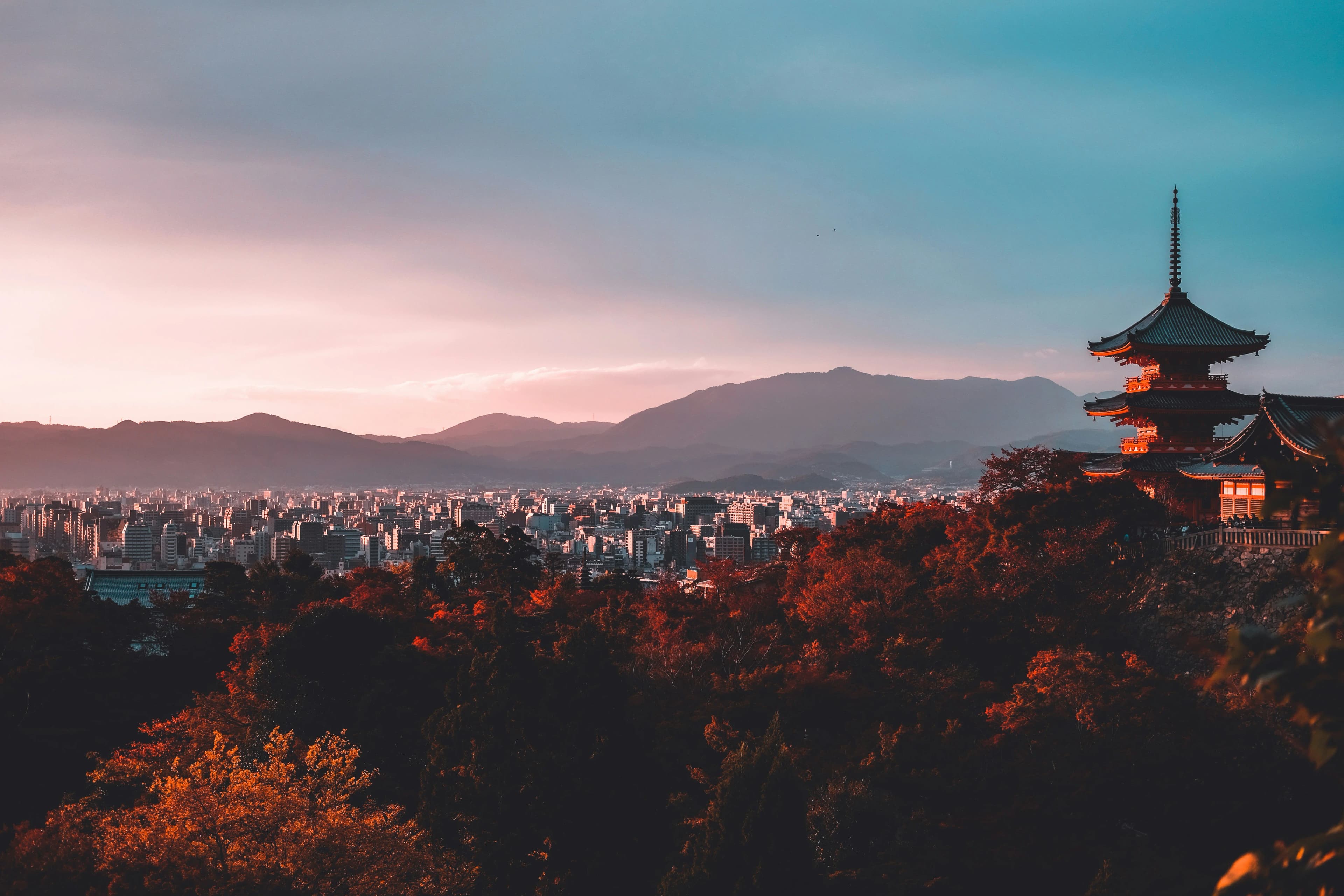
Tokyo resists the idea of a single centre. Its logic is polycentric, with each district maintaining its own identity, pace, and social temperature. Understanding this structure is essential to choosing where to base yourself.
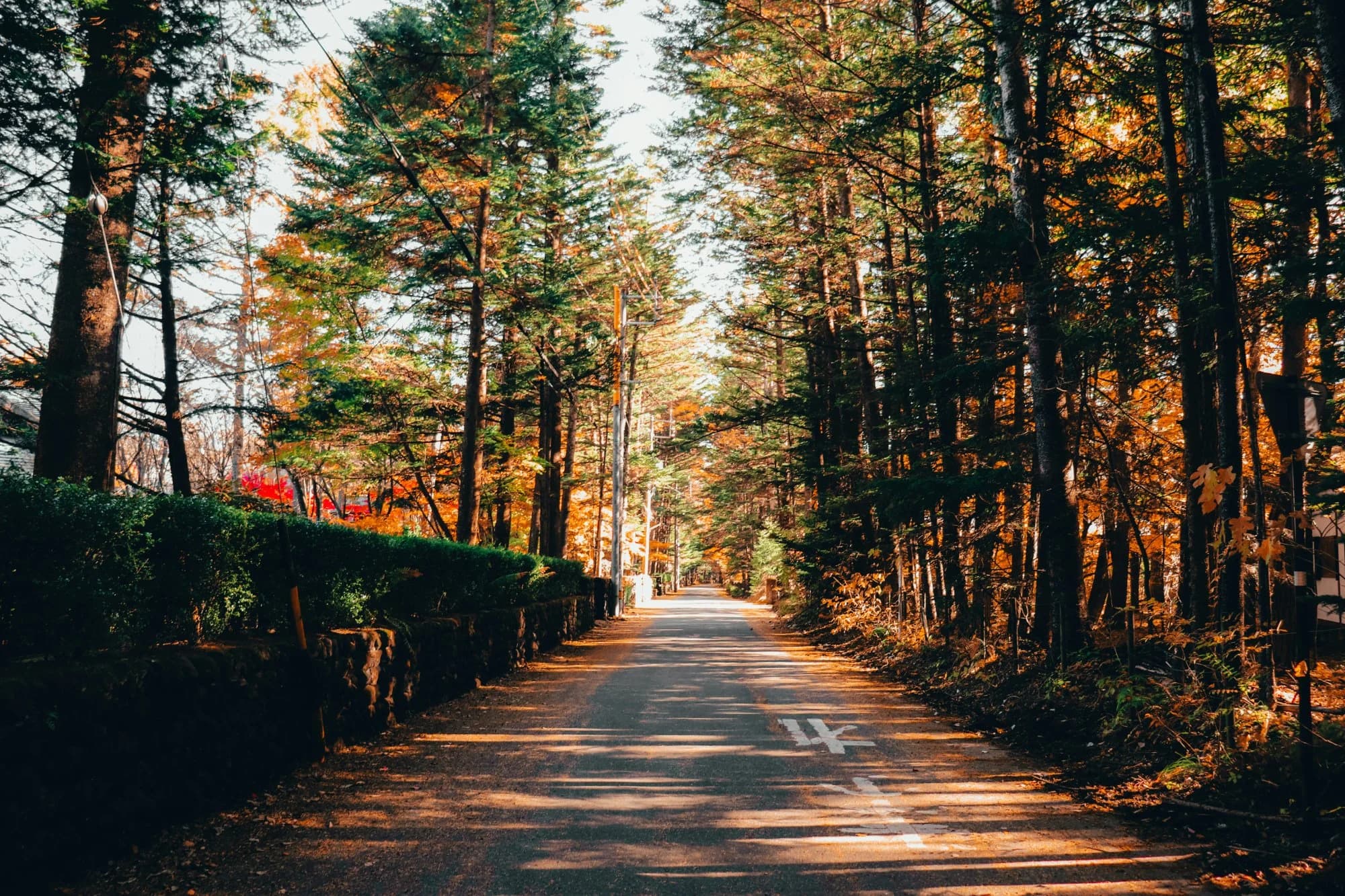
Kitasaku District sits in the northern part of Nagano Prefecture, roughly 140 kilometers northwest of Tokyo by Shinkansen. The territory encompasses several towns and villages, with Karuizawa as its internationally recognized center. At approximately 1,000 meters above sea level, the district offers a cooler microclimate than the capital, a quality that first attracted Meiji-era diplomats and missionaries in the late 19th century. That legacy of selective, cultured retreat has never fully dissolved. Today, Kitasaku remains one of Japan's most respected resort territories, valued for its architectural discipline, quiet forest environments, and proximity to volcanic hot spring networks.
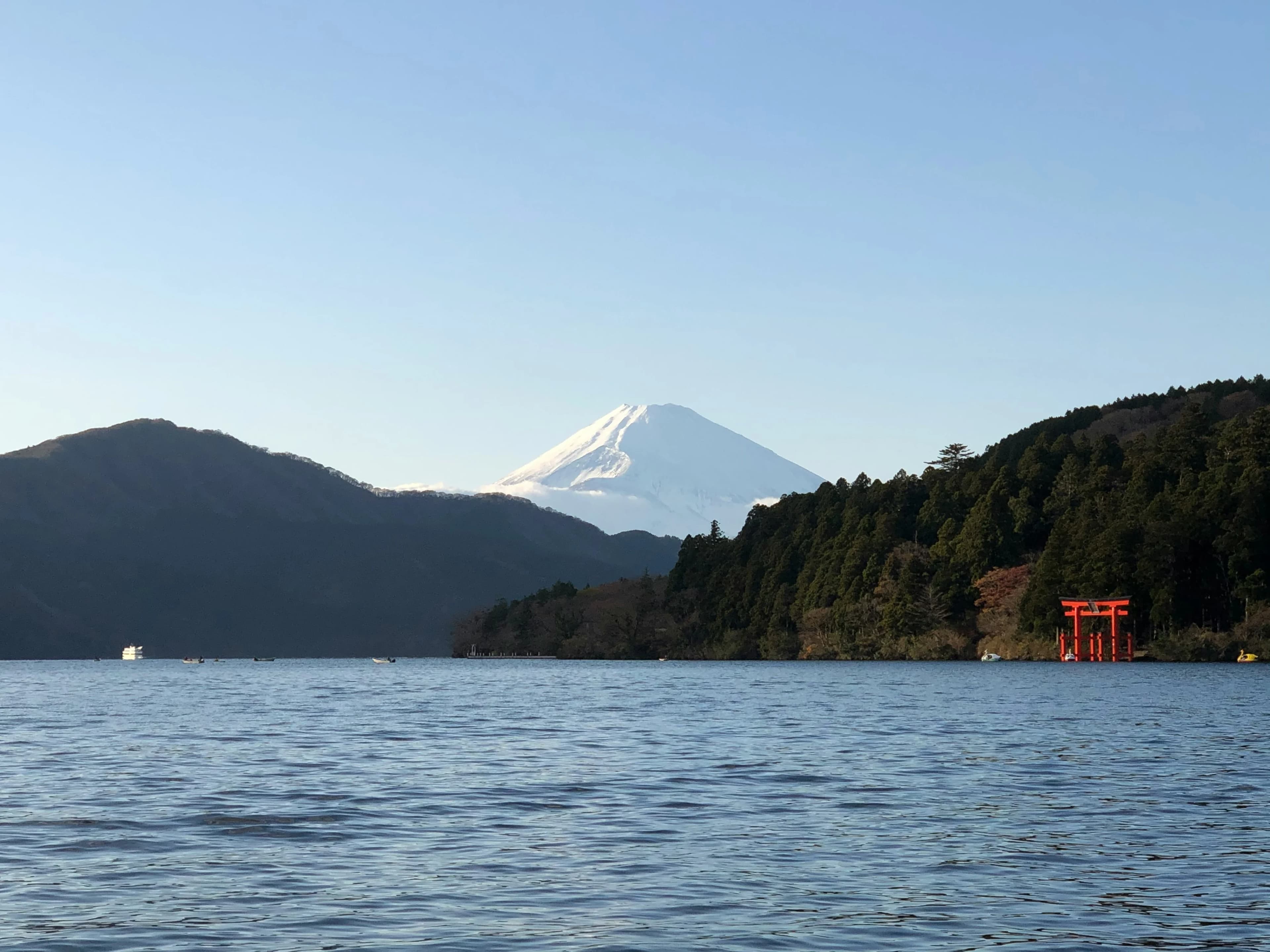
Ashigarashimo District sits at the southwestern edge of Kanagawa Prefecture, roughly 80 kilometres southwest of Tokyo. Its geography is defined by volcanic activity, forested mountain ridges, Lake Ashi, and the ever-present silhouette of Mount Fuji on clear days. This is not an urban luxury corridor. It is a landscape-first destination, where the highest-tier properties are designed around immersion rather than spectacle.