Tokyo's districts: a suite for every register
Ginza is Tokyo's most legible luxury address. Its grid of wide avenues houses flagship architecture by Pritzker laureates, alongside century-old galleries, lacquerware specialists, and the kind of sushi counter where reservations are measured in months. Luxury hotels here position themselves within this continuum of refinement. A luxury suite in Ginza typically offers clean sightlines over the district's low-rise geometry, with interiors that favour restraint over spectacle.
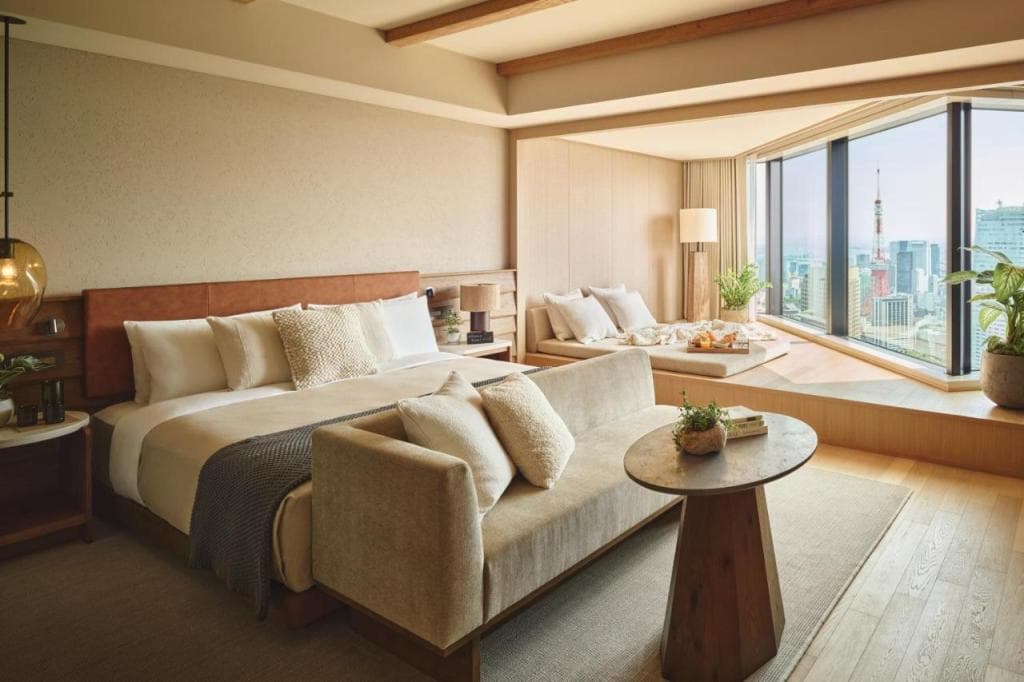
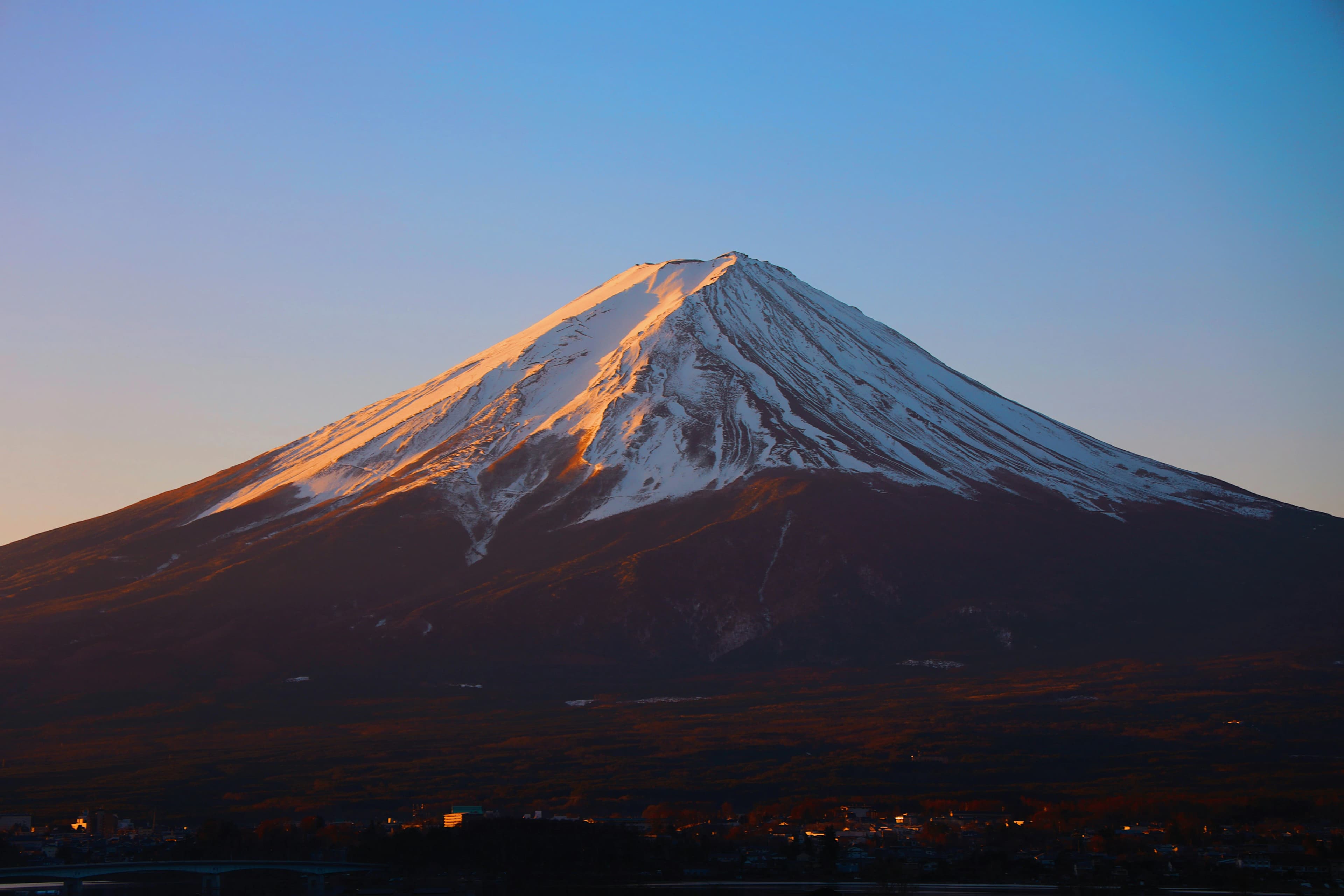
Shinjuku presents a more layered proposition. The western side is corporate and vertical, home to some of Tokyo's tallest hotel towers, where upper-floor suites command panoramic views across the Kanto plain toward Mount Fuji on clear winter mornings. The eastern side transitions into the compressed energy of Kabukicho and the quiet craft bars of Golden Gai. A suite here places you at the intersection of Tokyo's contradictions, which is precisely its value.
Shibuya has undergone significant architectural transformation since the completion of Shibuya Sky and a series of major commercial towers. Luxury hotel openings have followed, introducing suite-level accommodation calibrated to a younger, design-conscious clientele. The neighbourhood suits travellers whose itinerary includes contemporary art, independent fashion, and the live music circuit of the neighbouring streets.
These two adjacent districts form Tokyo's diplomatic and cultural corridor. Akasaka's traditional ryotei restaurants and government adjacency give it a particular gravity. Roppongi is home to the Mori Art Museum, the National Art Center, and a concentration of international embassies. Suites in this area often attract travellers whose schedules combine institutional meetings with serious engagement with contemporary art.
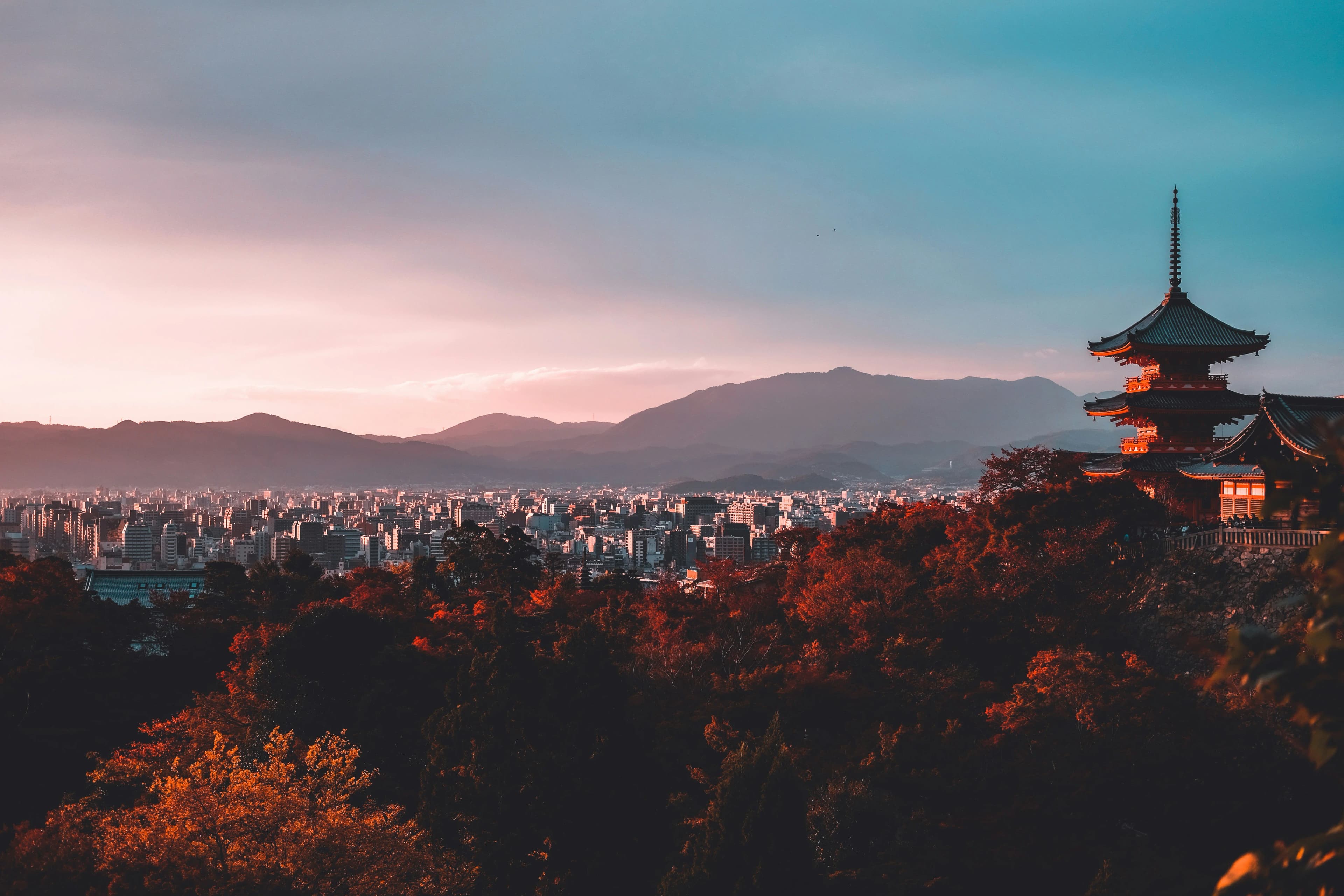
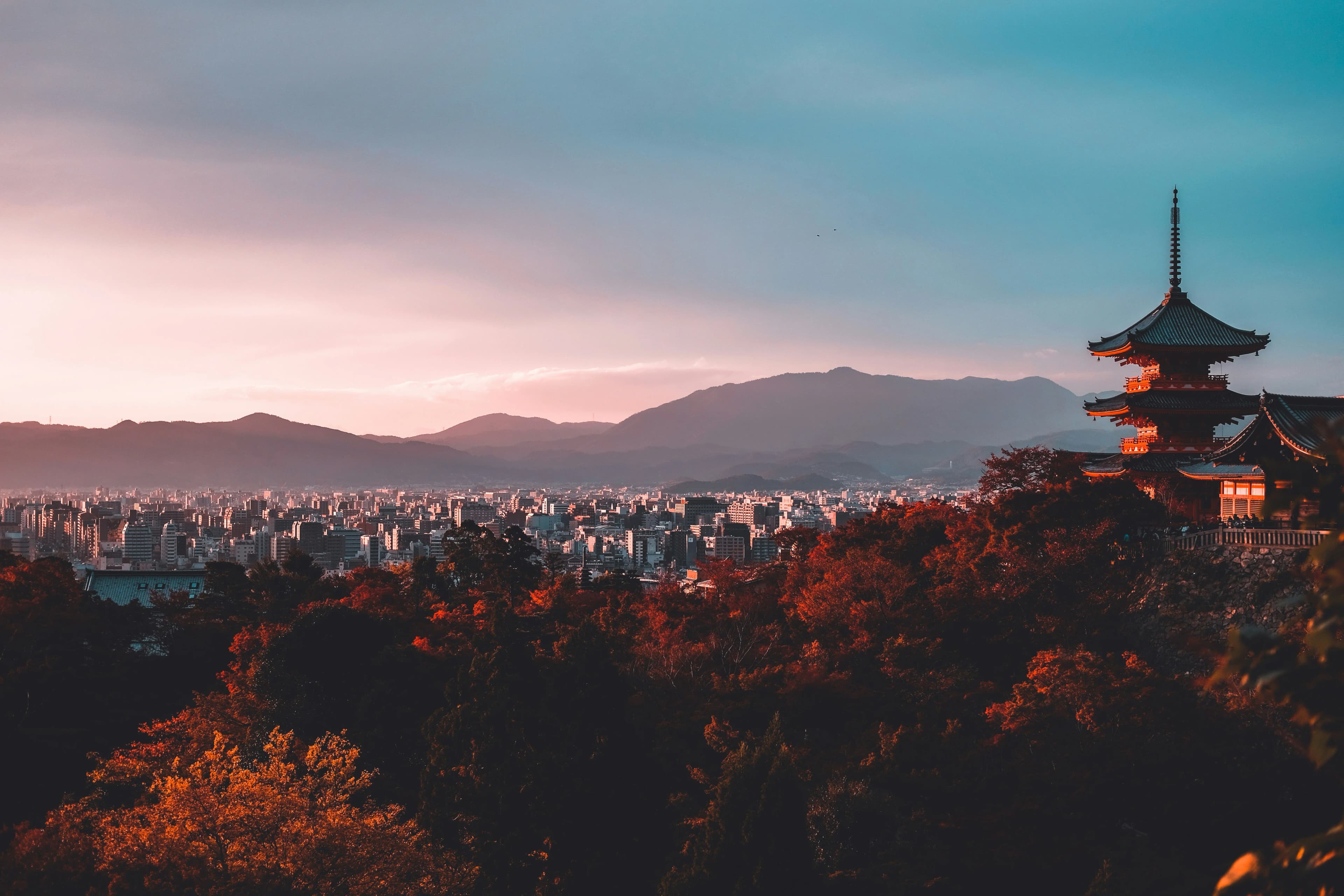
The northeastern axis of Asakusa and Ueno offers a different register entirely. This is the part of Tokyo where the pre-war urban fabric survived most intact: low wooden shopfronts, the approach to Senso-ji, the museum corridor of Ueno Park. Luxury accommodation here tends toward the intimate, with properties that interpret traditional Japanese spatial values through contemporary hospitality design. The experience is closer to Kyoto in its atmosphere than to the western part of the city.
Nihonbashi is Tokyo's historic commercial heart, the kilometre-zero of the old Tokaido road. Its recent cultural rehabilitation has brought new luxury hotel openings designed to appeal to travellers interested in Japan's mercantile heritage, its craft production networks, and its food culture at the highest level. Suites here offer proximity to some of the city's most serious culinary addresses without the performance of the more tourist-facing districts.
When to visit Tokyo for a luxury suite stay
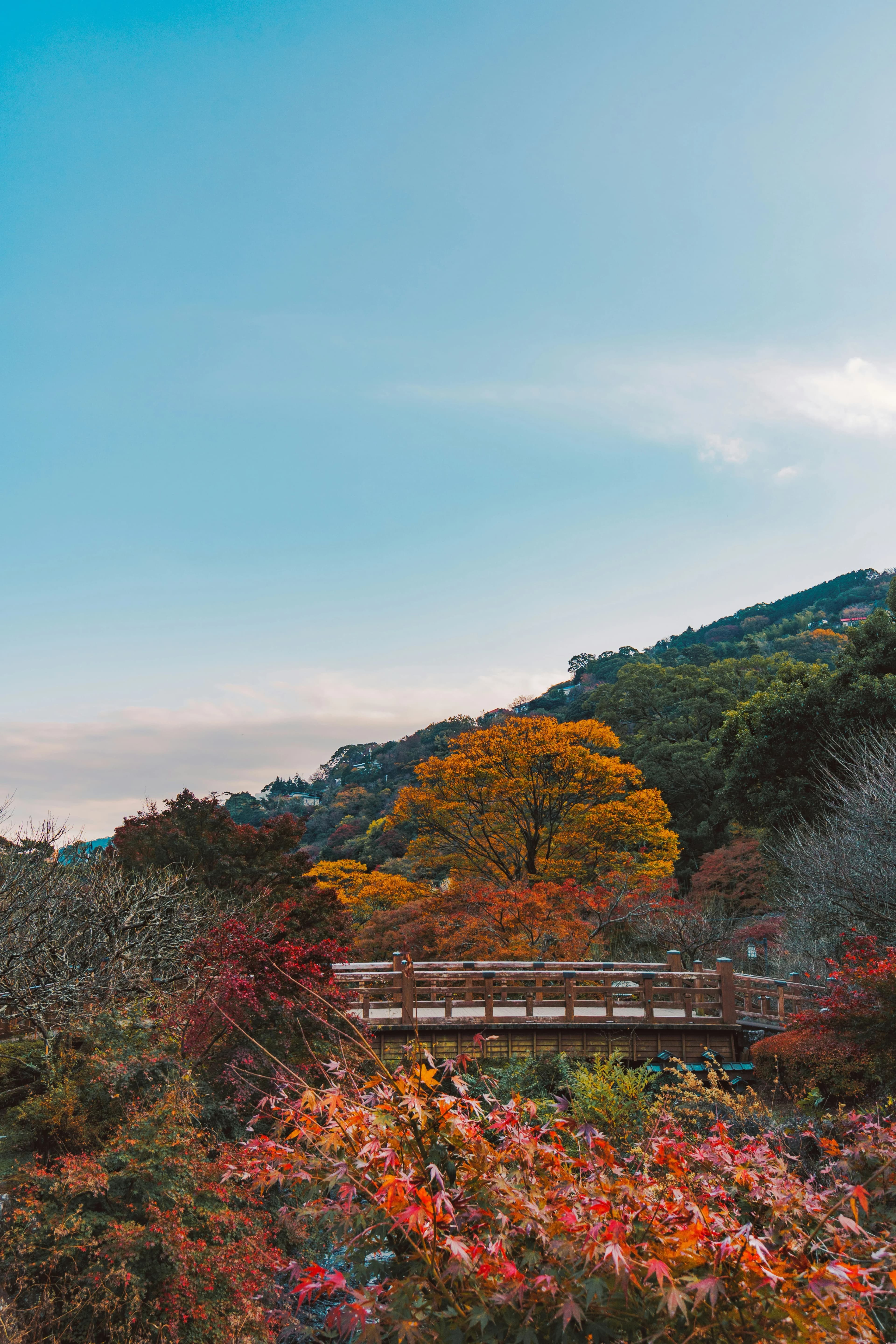
Tokyo functions at a high level year-round, but the timing of a visit meaningfully shapes the experience. Late March to mid-April marks cherry blossom season, when the city's parks and canal-side streets transform. This period drives peak hotel demand, and suite availability at the most sought-after properties should be secured months in advance. October and November offer stable temperatures, clear skies, and autumn foliage in the city's gardens, with significantly more flexibility on bookings.
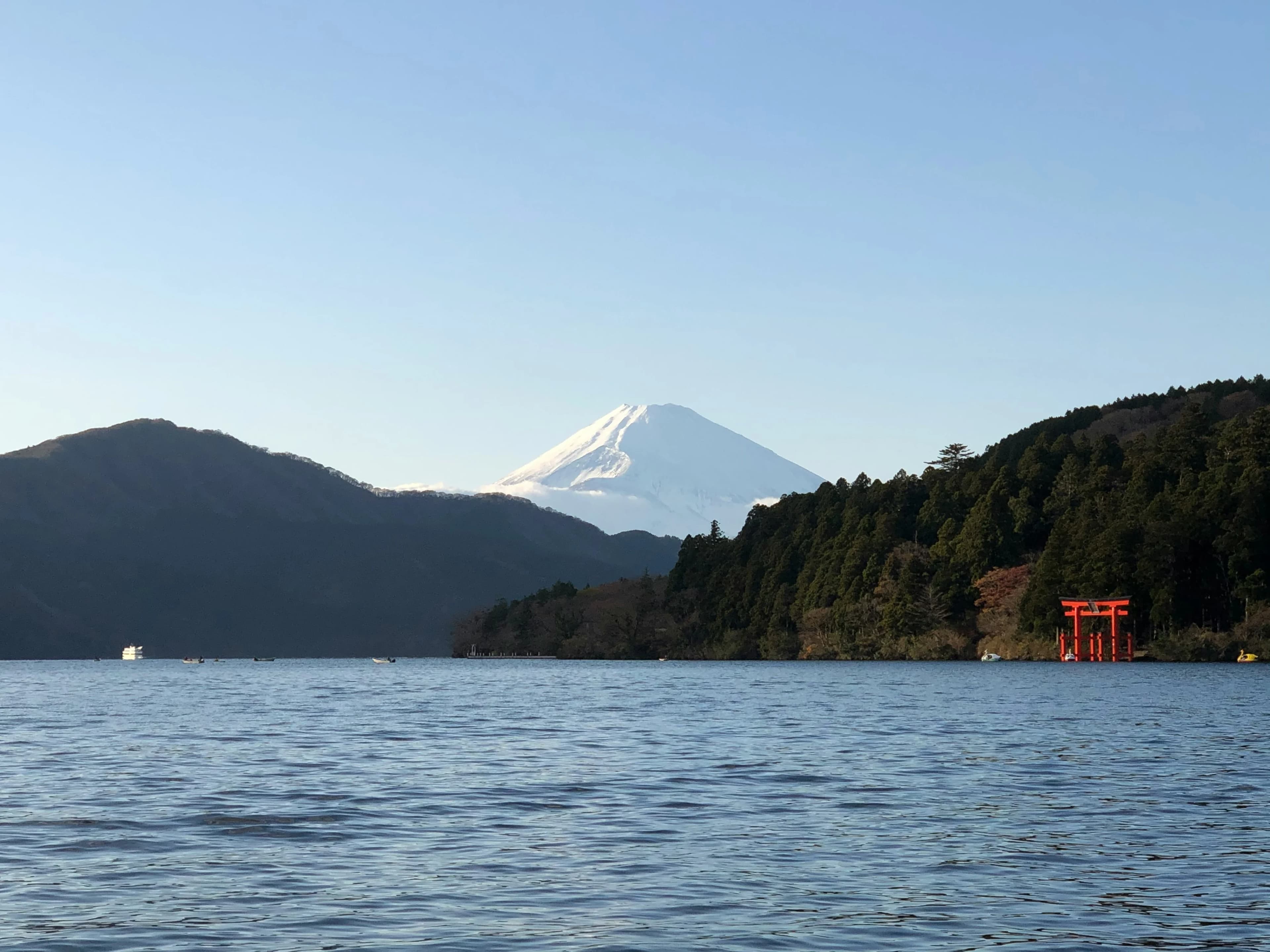
Winter, from December through February, is often overlooked but rewards the informed traveller. The air is clear, Mount Fuji is visible from elevated positions across the city, and the cultural calendar includes major art fairs and theatre cycles. Summer, from July to early September, is warm and humid; many Japanese travellers leave the city during Obon in mid-August, which can ease pressure on hotels. The Tokyo 2020 Olympic legacy has also left the city with improved infrastructure that benefits high-end travellers throughout the year.
Understanding luxury hotel standards in Tokyo
Japan does not operate a formal palace designation equivalent to France's classification system, but the market has developed its own legibility. The major international groups operating in Tokyo at the top tier include properties that have become reference points for service design: the concept of omotenashi, or wholehearted hospitality, shapes every interaction from check-in to suite turndown.
Japanese luxury hotel suites frequently incorporate specific spatial elements worth understanding before booking. The separation of wet and dry areas in bathrooms, the provision of a deep soaking tub (often a hinoki cypress bath in more traditionally inflected properties), and the quality of the yukata and bedding are considered baseline indicators of suite quality at the top end. Floor plans in Japanese suites often prioritise the quality of the view over the volume of the space, a philosophical position with roots in traditional architecture.
Beyond the international flagship hotels, Tokyo has a growing category of design-led boutique properties that offer suite-level experiences at a smaller scale. These are often more architecturally specific, with interiors commissioned from Japanese designers of note.
How to choose the right luxury suite in Tokyo
The primary variable in Tokyo suite selection is the view. The city's topography is essentially flat, which means that elevation matters considerably: upper-floor suites in the western skyscraper districts can offer unobstructed views to the horizon, while lower-floor suites in more intimate neighbourhoods offer a different but equally considered relationship with the urban fabric below.
The second variable is the question of traditional versus contemporary. Tokyo offers both Japanese-inflected interiors (shoji screens, tatami areas, deep wooden baths) and rigorously modern suites with international design references. Neither is superior; the choice depends entirely on the type of experience the traveller is assembling. For those exploring Japan more broadly, it is worth considering how Tokyo fits within a wider itinerary that might include Kyoto or Osaka, and selecting a suite style that provides productive contrast rather than repetition.
Connectivity is worth factoring in. Tokyo's rail network is precise and extensive, but the city's scale means that a suite positioned equidistant from multiple districts can involve significant transit time. Defining your itinerary's priorities before selecting a neighbourhood will save both time and cognitive effort on the ground.
Why curated selection matters in Tokyo
Tokyo's luxury hotel market is large, sophisticated, and genuinely competitive. The challenge is not scarcity but signal: identifying which properties are delivering at the level their positioning suggests, and which suites within those properties represent the most coherent experience. La Suite applies editorial criteria to this process, drawing on direct knowledge of the properties rather than aggregated review data.
The curated selection by La Suite for Tokyo reflects an understanding of the city's distinct neighbourhoods, its seasonal rhythms, and the specific expectations of travellers who approach a suite as a spatial and cultural decision rather than a transactional one. For travellers approaching the broader region, our coverage extends across Asia, providing context for how Tokyo fits within a wider geography of suite-level travel.