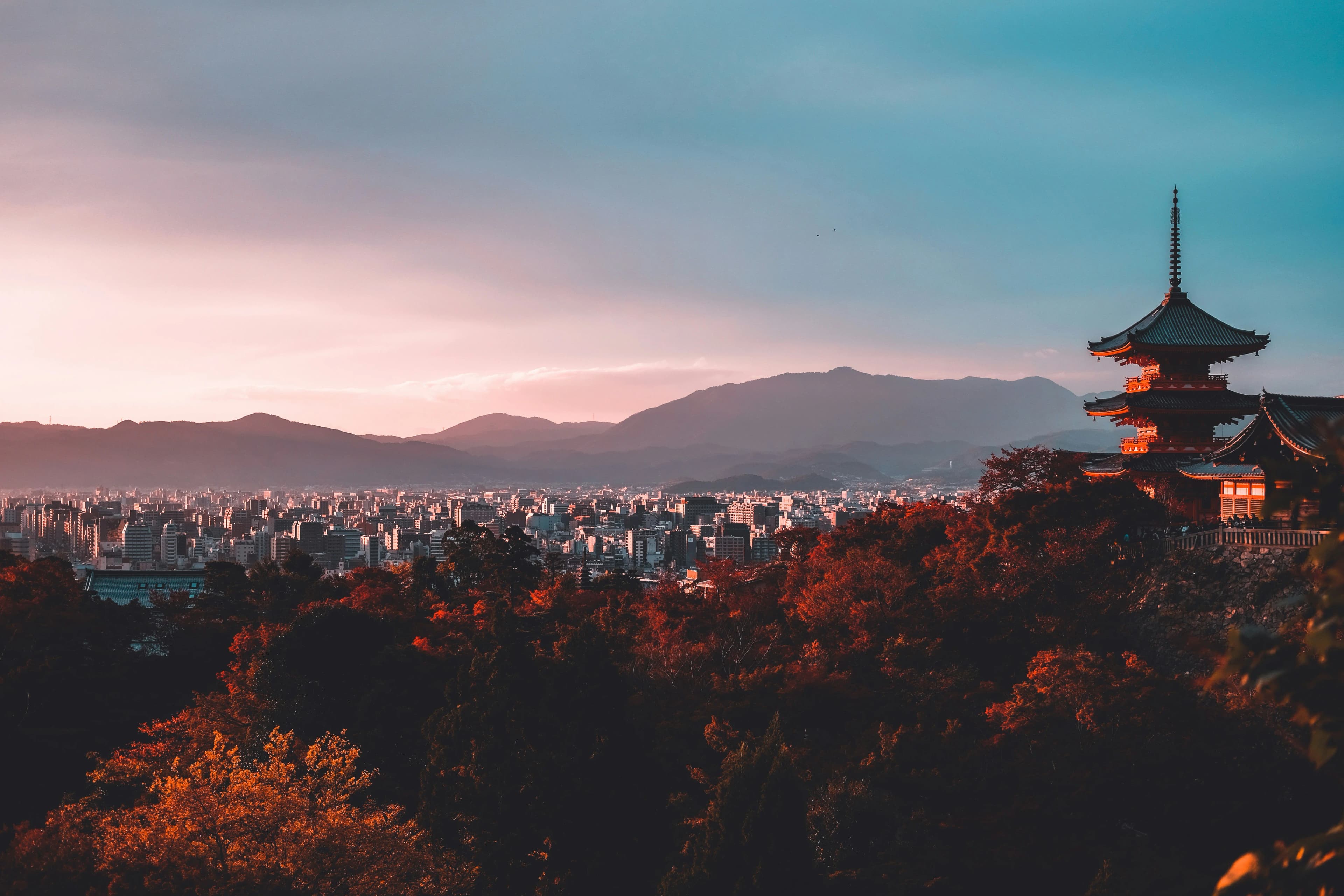
Understanding Shinjuku as a luxury destination
The western side of Shinjuku, known as Nishi-Shinjuku, concentrates the district's high-rise hotel infrastructure. This is where international luxury hotel groups established their Tokyo presence decades ago, drawn by proximity to the metropolitan government complex and major corporate headquarters. The architecture here is unapologetically vertical, and the suites that occupy upper floors deliver skyline perspectives that few districts in the city can match. On clear days, views extend to Mount Fuji, which sits approximately 100 kilometers to the southwest.
The eastern side presents a different proposition. Closer to Kabukicho, Takashimaya Times Square, and the dense retail corridors of Shinjuku-dori, hotels on this axis position guests within immediate reach of the district's commercial and cultural pulse. The tradeoff is intentional: less architectural quietude, more direct immersion.
The distinct areas within Shinjuku worth considering
Nishi-Shinjuku: the tower district
This is where Shinjuku's luxury hotel density is highest. The skyline here is defined by buildings constructed during Japan's economic expansion of the 1970s and 1980s, many of which have since been extensively renovated. Suites in this zone tend toward generous square footage, formal living areas, and wide-angle city views. The immediate surroundings are functional rather than atmospheric, but access to Shinjuku Station and onward transport connections is direct and efficient.
Near Shinjuku Gyoen
The southeastern edge of the district, adjacent to Shinjuku Gyoen National Garden, offers a materially different residential character. Streets are quieter, scale drops, and the proximity to one of Tokyo's most carefully maintained green spaces gives this pocket a composure that Nishi-Shinjuku does not attempt. Hotels positioned near the garden appeal to travelers who prioritize calm without sacrificing central access.
Kabukicho and the eastern perimeter
Hotels near Kabukicho occupy territory that is deliberately theatrical. This is Tokyo's largest entertainment district, operating at full intensity from afternoon into the early hours. Luxury properties here tend to lean into the context rather than resist it: design-forward interiors, curated bar programs, and suites conceived as urban retreats within the spectacle. The traveler who books here knows exactly what they are choosing.
When to stay in Shinjuku
Tokyo's hotel market operates year-round, but Shinjuku has seasonal inflection points worth considering. Late March to mid-April brings cherry blossom season, during which Shinjuku Gyoen becomes one of the city's most sought-after viewing locations. Suite availability tightens significantly in this window, and rates across the district's luxury hotels reflect the demand. Booking three to four months in advance is standard practice for this period.
November is equally compelling. Autumn foliage arrives in the garden and across the district's street trees, and the temperature drops to a register that makes walking the neighborhood's many layers genuinely pleasant. This season attracts fewer international visitors than spring, and suite rates are often more accessible as a result.
Summer in Tokyo is humid and hot, with temperatures regularly exceeding 30 degrees Celsius from July through August. Luxury hotels respond with intensified in-suite programming: enhanced spa access, private dining options, and suite configurations designed to make the interior environment the primary destination. Winter, from December through February, is dry and clear, with the best conditions for unobstructed views toward Fuji from upper-floor suites.
Major cultural reference points for the luxury traveler include the Tokyo Art Fair in May, the various fashion weeks held in March and October, and the programming calendar at the Tokyo Metropolitan Museum of Photography, located nearby in Ebisu.
Luxury hotel standards in Shinjuku and Japan
Japan does not operate the same classification hierarchy as France, which uses the Palace designation for its highest-tier properties. Instead, Japanese luxury hotels are assessed through a combination of international brand affiliation, ryokan tradition (where applicable), and service philosophy rooted in the concept of omotenashi: a form of hospitality that anticipates need rather than simply responding to it.
In a Shinjuku luxury hotel suite, this translates into specific, observable details. Arrival experiences are choreographed. Staff-to-guest ratios at the top properties are high. In-suite materials, from linen thread counts to the weight of bathrobes, are selected with deliberate intent. Japanese luxury does not announce itself loudly. It operates through accumulation of precision.
Many of the district's most respected luxury hotels also offer access to traditional bathing facilities, either through private in-suite onsen (hot spring baths, where the building's plumbing permits) or communal baths executed to a standard that functions as a destination in itself. This is not a decorative gesture. For guests spending multiple nights, the bathing ritual becomes a structuring element of the stay.
How to choose the right luxury suite in Shinjuku
The first consideration is orientation. Shinjuku's western hotels offer skyline views and corporate-district calm. Eastern properties offer proximity to the district's cultural and commercial activity. Neither is superior; they serve different travel intentions.
The second consideration is floor height. In a district defined by vertical architecture, the difference between a suite on the twentieth floor and one on the fortieth is material. Upper floors in Shinjuku's tower hotels deliver views that function as a component of the design itself, particularly at night, when the city's light density becomes the primary visual event.
The third consideration is suite typology. Some travelers prioritize a traditional Japanese room configuration, with tatami flooring, a low table, and futon bedding. Others require a Western layout with a defined bedroom, formal seating area, and a separate bathroom with deep soaking tub. The best luxury hotels in Shinjuku offer both configurations, and occasionally hybrid suites that move between the two registers within the same space.
Practical advice: confirm directly with the property whether the suite includes access to a club lounge, as this varies even within the same hotel. Club lounge access in Tokyo's luxury hotels typically includes breakfast, afternoon service, and evening cocktail hours, which materially changes the economics of a multi-night stay.
Why curation matters in a district this complex
Shinjuku has a significant number of hotels. The gap in quality between the district's finest luxury suites and its standard business hotels is considerable, and the language barrier, combined with the sheer volume of available inventory, makes independent research genuinely difficult. Marketing materials across the category tend toward uniformity.
La Suite's curated selection for Shinjuku is built on direct knowledge of the properties: how suites are configured, which floors deliver the best light conditions, which properties execute Japanese hospitality philosophy most consistently, and where the value-to-experience ratio is most defensible. For a destination as layered and demanding as Shinjuku, that specificity is not a convenience. It is the entire point of the exercise.