Ace Hotel Kyoto, Kyoto
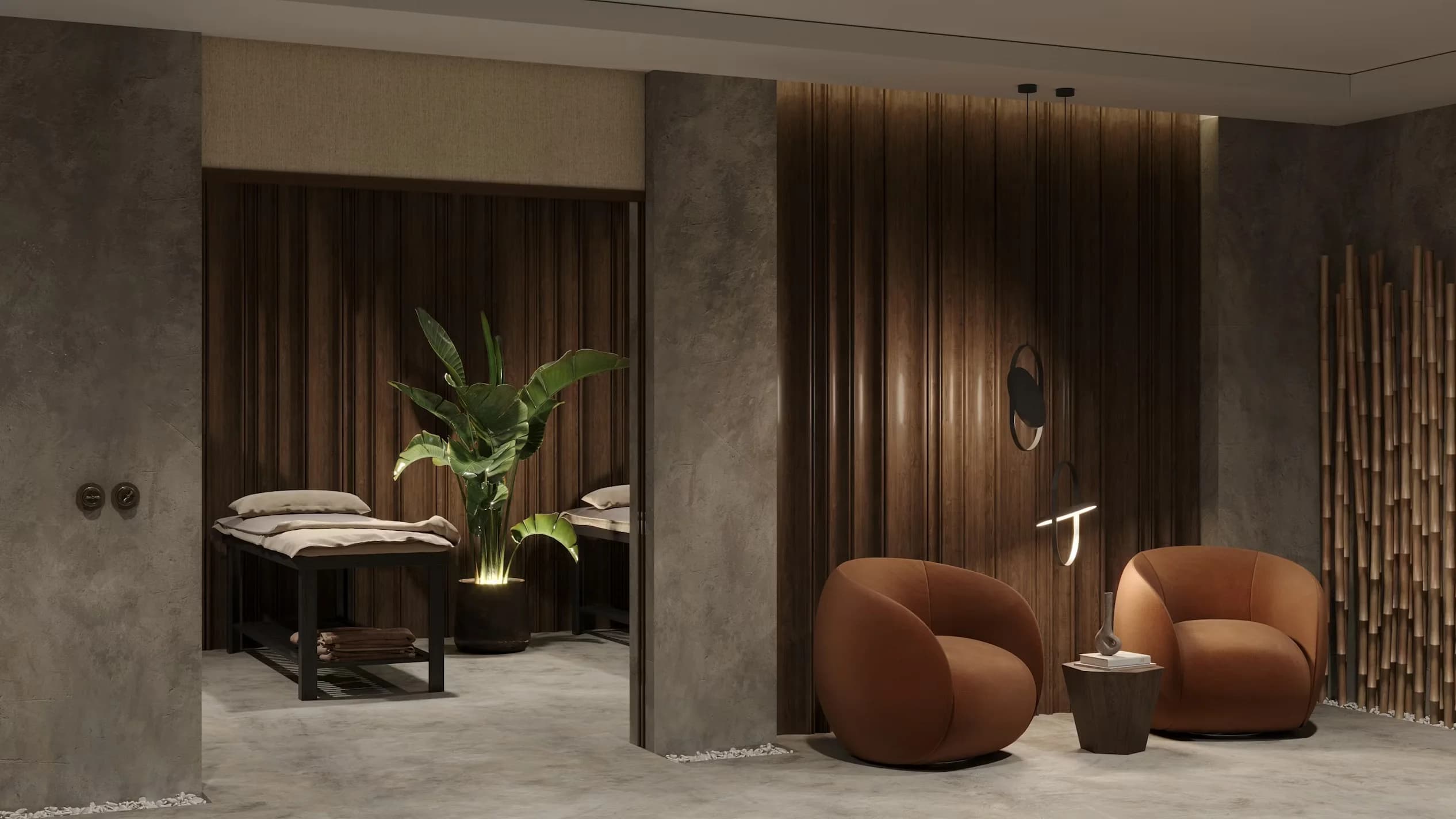
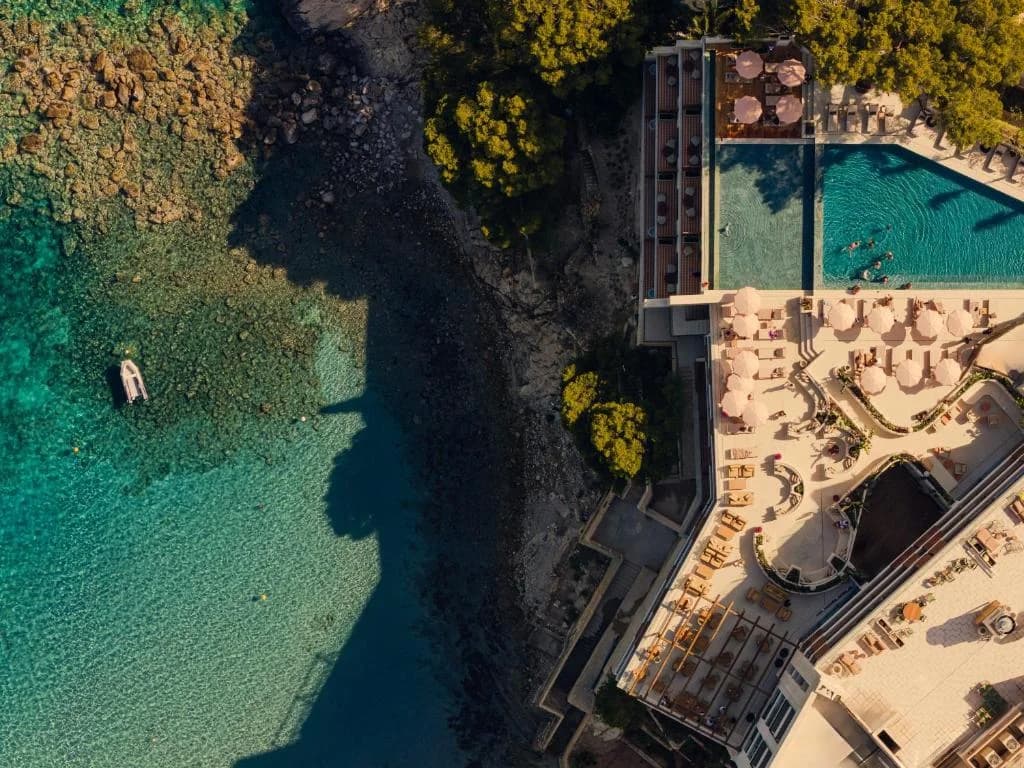
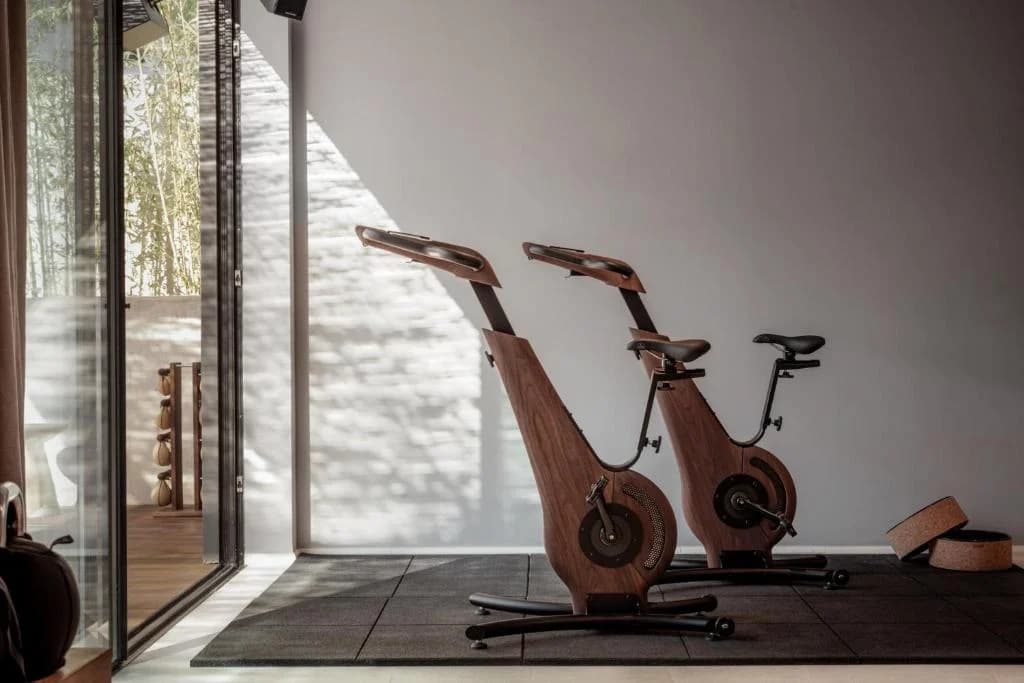
Elegant Accommodations Ace Hotel Kyoto in Kyoto offers a 5-star experience with a fitness center, free bicycles, a garden, terrace, restaurant, bar, and free WiFi. Private check-in and check-out servi

Kyoto is not a uniform city. Its geography and cultural history have produced neighborhoods with fundamentally different characters, each demanding a different kind of suite experience.
29 hotels available

Elegant Accommodations Ace Hotel Kyoto in Kyoto offers a 5-star experience with a fitness center, free bicycles, a garden, terrace, restaurant, bar, and free WiFi. Private check-in and check-out servi

Open from February 2015, Aoi Hotel Kyoto is located a 5-minute walk from Kawaramachi Station and a 13-minute walk from Yasaka Shrine. It offers simply furnished rooms and free WiFi access. Guests can

Elegant Accommodations Banyan Tree Higashiyama Kyoto in Kyoto offers a 5-star experience with family rooms and interconnected rooms. Each room features air-conditioning, a private bathroom, and modern

Cross Hotel Kyoto is set in Kawaramachi Sanjo and provides rooms with warm wooden decor featuring Kyoto-style architecture and free WiFi. Hankyu Kawaramachi Station is a 6-minute walk away, while Sanj

GOOD NATURE HOTEL KYOTO has a fitness center, garden, a restaurant and bar in Kyoto. With free WiFi, this 5-star hotel offers room service and a 24-hour front desk. The property is 1.1 miles from the

Located in Kyoto, a 9-minute walk from Samurai Kembu Kyoto, Hilton Kyoto provides accommodations with a fitness center, private parking, a restaurant and a bar. The property is around 1.2 miles from H

Ideally located within Kyoto Station, Hotel Granvia Kyoto features an indoor swimming pool, a fitness center and 9 dining options. The hotel offers spacious rooms with chic décor and modern facilities

In a prime location in the center of Kyoto, Hotel Imagine Kyoto provides air-conditioned rooms, a shared lounge, free WiFi and a terrace. This 4-star hotel offers a shared kitchen and a concierge serv

Elegant Accommodations Hotel Okura Kyoto Okazaki Bettei in Kyoto offers a 5-star experience with a fitness center, garden, restaurant, bar, and free WiFi. Guests enjoy air-conditioned rooms with priva

Open from September 2017, The Celestine Kyoto Gion is set in Kyoto, a 10-minute walk from Gion-Shijo Station. Guests can walk to Kiyomizu-dera Temple in 15 minutes from the property. Free WiFi is feat

Located in Kyoto, 2.2 miles from Kitano Tenmangu Shrine, Hotel Utano Kyoto Besho provides accommodations with a garden, free private parking and a restaurant. With free WiFi, this 5-star hotel offers

Elegant Accommodations Imperial Hotel, Kyoto offers a 5-star experience in Kyoto, Japan. Guests enjoy spa facilities, a sauna, fitness center, indoor swimming pool, and free WiFi. Dining and Leisure T

Nestled in a quiet residential area, Kyoto Brighton Hotel is located in the heart of Kyoto, a 5-minute walk from Kyoto Imperial Palace. All guest rooms are nonsmoking and soundproofed. An air-purifier

Just 5 minutes from Kyoto Station on the free shuttle, Kyoto Tokyu Hotel features 3 restaurants, a bar and a fitness gym. The modern rooms have Tempur comfort pillows and a satellite LCD TV. Free WiFi

Marufukuro features free bikes, fitness center, a garden and shared lounge in Kyoto. Providing a restaurant, the property also has a terrace, as well as a sauna. The property is a 12-minute walk from

Prime Location Mitsui Garden Hotel Kyoto Sanjo PREMIER in Kyoto offers a central position with easy access to key attractions. Itami Airport is 29 mi away, providing convenient travel options. Excepti

Elegant Accommodations Muni Kyoto in Kyoto offers a 5-star hotel experience with a fitness center, garden, terrace, restaurant, and free WiFi. Guests enjoy air-conditioning, private bathrooms, and gar

Elegant Accommodations Nazuna Kyoto Nishi Honganji in Kyoto offers a 5-star experience with a bar and free WiFi. Guests enjoy a lounge, elevator, 24-hour front desk, concierge service, and full-day se

Conveniently located in the Nakagyo Ward district of Kyoto, nol kyoto sanjo is located a 16-minute walk from Gion Shijo Station, 0.9 miles from Kyoto Shigaku Kaikan Conference Hall and a 14-minute wal

Conveniently located a 7-minute walk from JR Kyoto Train Station, RIHGA Royal Hotel Kyoto is renovated in September 2016 and features 8 restaurants. Free WiFi is provided throughout the property and a
Higashiyama is the city's most architecturally preserved district. The narrow lanes of Ninenzaka and Sannenzaka, flanked by centuries-old machiya facades, lead directly to Kiyomizudera Temple. Properties positioned here offer immediate access to the city's most concentrated layer of historical texture. The sensory environment is particular: stone pathways, cedar and cypress, the smell of incense from nearby temples. A suite in this zone functions as a private retreat adjacent to one of Japan's most visited cultural corridors.
Fushimi Inari and the southern wards attract a more contemplative traveler. The famous vermilion torii gate corridors of Fushimi Inari Taisha extend several kilometers up a forested mountain and are most atmospheric in the early morning, before general visitors arrive. Staying in proximity allows for timed access that transforms the experience entirely.
The Nishiki Market district and the central Kawaramachi area sit within walking distance of the Kamo River. This zone suits travelers who want cultural density alongside access to Kyoto's contemporary dining and retail scene. Gion, the historic geisha district immediately east of here, adds a layer of social theater: the possibility of encountering a maiko or geiko on an evening walk along Hanamikoji Street remains, particularly in the quieter streets off the main route.
Arashiyama, in the western foothills of the city, operates at a different pace entirely. The bamboo grove, the Oi River, the Tenryuji temple garden: all of these are best absorbed from a property that allows genuine stillness. The most considered luxury hotels in this area are designed around garden views and river proximity, with an explicit architectural relationship to the surrounding landscape.
Kyoto's tourism calendar is sharply defined by two natural events: cherry blossom season in late March to mid-April, and autumn foliage from mid-November to early December. During both periods, the city's finest properties fill months in advance. Suite availability at the most sought-after addresses in Gion or Arashiyama during these windows is limited and commands significant premium pricing. Booking six to nine months ahead is not excessive for peak season.
The summer months, particularly July and August, are intensely humid. The Gion Matsuri festival in July, one of Japan's most significant annual cultural events, runs across the entire month and draws substantial visitor numbers to central Kyoto. The evenings during the festival's float processions (the Yamaboko Junko, held on the 17th and 24th of July) are genuinely atmospheric, but require advance planning for accommodations.
Late autumn outside the peak foliage window, November in particular, and early spring before the cherry blossom arrives, offer the most favorable conditions for a measured, unhurried visit. January and February are cold and quiet, with occasional snowfall that transforms the temple gardens into a controlled monochrome that many architecture-literate travelers find more compelling than any other season.
Japan's hotel classification system does not map directly onto the European palace or grand hotel tradition. In Kyoto specifically, the most relevant distinction is between the international luxury hotel (typically a major brand operating a flagship property) and the ryokan, the traditional Japanese inn.
A ryokan suite is structured around tatami mat flooring, futon bedding arranged by staff each evening, in-room kaiseki dinner service, and access to onsen (hot spring baths), where these exist within the property. The experience is choreographed and intentional. The finest Kyoto ryokan, such as those holding multiple Michelin stars for their cuisine, represent a form of hospitality that has no Western equivalent. The architecture, the material palette (washi paper, hinoki cypress, natural lacquer), and the spatial logic are entirely specific to Japan.
International luxury properties in Kyoto, including those operated by global hotel groups, typically offer Western bed configurations alongside Japanese design references. These properties often include access to traditional tea ceremony rooms, in-house kaiseki restaurants, and concierge services oriented specifically toward temple reservations, private garden access, and cultural guide arrangements.
The designation to understand in this context is the Japanese government's official hotel classification, which recognizes properties meeting specific standards of facility and service. However, for the traveler selecting a suite in Kyoto, the most reliable indicators of quality remain the specificity of the design approach, the depth of culinary programming, and the property's relationship to the surrounding cultural environment.
The first decision in Kyoto is architectural preference: tatami suite or Western-format suite. Both exist within the same high-end price bracket, but they deliver categorically different physical experiences. A tatami room requires comfort with floor-level living and futon sleeping arrangements. For travelers accustomed to Western beds who want the full ryokan experience, many properties now offer hybrid configurations with a sleeping platform at bed height within an otherwise traditional room design.
The second consideration is scale. Kyoto's most celebrated ryokan operate with very few rooms, sometimes fewer than ten, which means the experience is intimate but availability is structurally limited. Larger international properties offer broader amenity sets (swimming pools, full spa facilities, fitness centers) but may sacrifice the concentrated cultural atmosphere of the smaller, more specialized addresses.
Garden access is a meaningful differentiator. Properties with private garden views, particularly those with mature maple trees that turn in November or moss gardens maintained in the Kyoto tradition, offer a visual and sensory experience that cannot be approximated by interior design alone. Confirming whether a specific suite has direct garden orientation is a practical question worth asking before committing.
Finally, the culinary dimension of a Kyoto stay is inseparable from the accommodation decision. Properties with in-house kaiseki restaurants of serious standing (Michelin recognition being one verifiable indicator) allow the evening meal to become a structural part of the stay rather than an external logistical decision. For many travelers, the kaiseki dinner is among the most significant cultural encounters of the entire trip.
Kyoto presents a specific curation challenge. The volume of properties using the language of tradition and refinement is high, but the gap between a property that genuinely embodies these qualities and one that deploys them as surface decoration is significant. The difference is often invisible from standard booking platforms, where photography and amenity lists do not capture spatial quality, material honesty, or the caliber of staff cultural knowledge.
La Suite's curated selection for Kyoto is built around properties where the suite experience has a coherent architectural and cultural rationale: where the room design, the garden relationship, the culinary programming, and the service approach form a single, considered whole. This is not a list of hotels. It is a selection of experiences for travelers who already know what they are looking for and need the filter that eliminates the rest.

A ryokan suite is structured around tatami flooring, futon bedding arranged by staff, in-room kaiseki dining, and communal or private onsen bathing. A luxury hotel suite in Kyoto typically offers Western bedding within a design context that references Japanese aesthetics. Both can occupy the same price tier, but the physical and cultural experiences are categorically distinct.
Cherry blossom season (late March to mid-April) and autumn foliage season (mid-November to early December) are the most in-demand periods, with top suites filling six to nine months in advance. Late autumn outside peak foliage, early spring before blossom, and January through February offer genuine availability and a quieter, more considered atmosphere.
The answer depends on the intended experience. Higashiyama offers historical density and immediate access to preserved architecture. Arashiyama provides landscape immersion and relative quiet. The Gion district delivers cultural atmosphere with proximity to kaiseki restaurants and traditional performance culture. Each area produces a materially different stay.
Yes. Several properties in Kyoto, particularly traditional ryokan and some boutique luxury hotels, offer suites with private in-room or attached outdoor onsen baths. These are often hewn from hinoki cypress wood or natural stone and are fed by heated mineral water. Availability is limited and these suites command significant premiums, particularly during peak seasons.
For the highest-rated properties with limited room counts, reservations six to nine months in advance are standard practice during cherry blossom season. Some of the most sought-after ryokan in Gion and Arashiyama reach capacity for this period within days of opening their booking windows. Early planning is not a luxury here but a structural necessity.
Kaiseki is a multi-course meal tradition rooted in the principles of seasonality, restraint, and visual composition. Within a top-tier Kyoto property, an in-house kaiseki dinner typically involves ten to fifteen courses, each tied to the current season's ingredients and presented in lacquerware, ceramic, or natural vessels specific to the dish. The meal is as much a cultural encounter as it is a culinary one.
The most established international luxury properties in Kyoto maintain English-speaking concierge teams capable of arranging private temple visits, tea ceremony sessions, ikebana lessons, and access to cultural experiences not available through general tourism channels. The quality and depth of these services varies significantly between properties, making the concierge offering a meaningful selection criterion.
Kyoto supports family stays of a particular kind: families with children who are culturally curious and comfortable with extended walking, temple environments, and the quieter pace of a city organized around history rather than entertainment. Several larger luxury properties offer suites or interconnecting configurations appropriate for families. Traditional ryokan with tatami suites can accommodate families comfortably, though the fragility of the interiors is a practical consideration with younger children.
Entry-level luxury suites in international hotel brand properties in Kyoto typically begin around 800 to 1,200 USD per night. Suites at the most celebrated ryokan, particularly those with private onsen and full kaiseki board, range from 1,500 to over 3,000 USD per night per person in some configurations. During peak seasons, these figures increase further and additional minimum-stay requirements may apply.
La Suite evaluates Kyoto properties against criteria specific to the destination: architectural coherence between the suite design and the cultural environment, the quality and provenance of the culinary offering, garden orientation and spatial quality, and the depth of cultural programming available to guests. Properties that use the language of tradition without structural commitment to it are excluded from the selection.