Tokyo's distinct neighborhoods and where luxury stays
Marunouchi and the Imperial Palace district form the geographic and symbolic center of the city. Suites positioned here face one of the most valued views in Asia: the moat, the stone ramparts, and the pine canopy of the Palace grounds. The area operates at a formal register, attracting diplomatic delegations, senior executives, and travelers who prefer institutional calm over street-level energy.
Shinjuku, by contrast, is Tokyo at full operational intensity. The luxury tier here sits above the commercial density, offering suites that transform the city's vertical complexity into a composed panorama. It is the correct choice for travelers who want the city as spectacle rather than backdrop.
Minato, encompassing Azabu-Juban, Roppongi, and the Ark Hills corridor, is where international residents and Tokyo's creative and financial elite have long concentrated. Properties in this ward tend toward contemporary architecture, gallery-adjacent programming, and a cosmopolitan tone that sits comfortably between Tokyo and the wider world.
Ginza remains the reference address for retail culture and traditional luxury. Suites in this quarter are often positioned within walking distance of flagship boutiques and long-established tempura or sushi counters that require months of advance reservation. The density of cultural capital per city block is among the highest in the world.
Further out, Yanaka and Tomigaya attract a smaller, more architecture-literate audience seeking boutique properties and proximity to independent galleries, concept stores, and the quieter rhythm of older Tokyo.
When to stay in Tokyo: seasons, events, and suite availability
Tokyo's calendar creates genuine pressure on suite inventory at specific moments, and timing a visit with precision pays measurable dividends.
March and early April remain the most requested window globally, driven by cherry blossom season. The period is brief, usually one to two weeks depending on annual temperature patterns, and demand across the luxury tier compresses significantly. Properties in Shinjuku Gyoen proximity or those with garden-facing suites command a premium and fill months in advance.
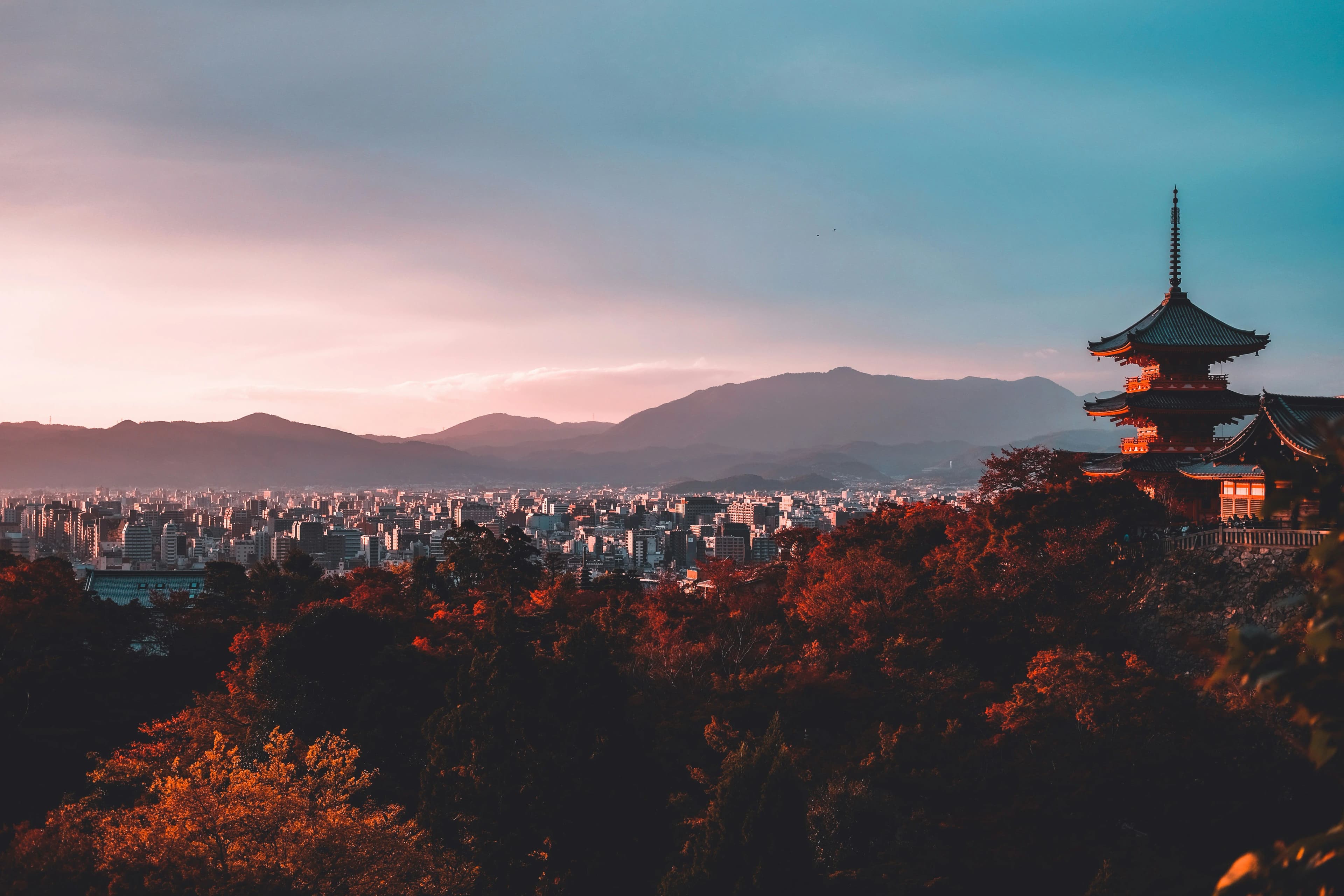
October and November offer what many returning visitors consider the superior window. Autumn foliage reaches its peak across the city's parks and temple grounds, temperatures are temperate, and the cultural calendar is at its densest. Art fairs, fashion presentations, and design weeks cluster in this period. Suite availability is more negotiable than in spring, though not without constraint.
July and August are humid to a degree that qualifies as physiological. High-floor suites with controlled environments remain entirely comfortable, and some travelers use the low-season pricing strategically. January and February are dry, cold, and operationally efficient: crowds thin, pricing softens, and the city runs with characteristic precision.
Understanding luxury hotel standards in Tokyo
Japan does not use the French Palace designation or equivalent national prestige label for hotels. The country operates instead through a combination of international brand standards, longstanding reputation, and an internal hospitality philosophy called omotenashi, which translates approximately as the spirit of selfless service and anticipatory care.
In practice, omotenashi at the suite level means that staff calibrate every interaction to the guest's stated and unstated preferences. Requests are not processed; they are absorbed and acted upon without visible effort. The Japanese concept of ma, the value of negative space and deliberate restraint, also informs suite design at the highest level. Rooms at the top tier are rarely maximalist. They tend toward considered materiality: natural stone, lacquered wood, handwoven textiles, and views that are framed rather than merely present.
Tokyo's top-tier properties divide broadly into two typologies. The first is the internationally operated grand hotel, typically occupying the upper floors of a mixed-use tower, offering panoramic views, multi-language concierge teams, and direct connections to the city's business infrastructure. The second is the urban ryokan, a smaller-format property applying traditional inn principles to a city context. These offer tatami rooms, in-suite onsen access, and a pace that is deliberately removed from the city below. Both typologies represent legitimate expressions of Tokyo's luxury standard: the choice depends on whether the traveler seeks integration or retreat.
How to choose the right luxury suite in Tokyo
Several considerations are specific to Tokyo and differ from the decision logic that applies in European or American luxury markets.
Floor height matters more here than in most cities. Tokyo's low-rise zoning laws were substantially revised in the 1990s, producing a skyline of towers that concentrate the best views above the fortieth floor. A suite at street level or on lower floors, regardless of interior quality, sacrifices the defining visual experience of the city. Confirm the floor position before any reservation is finalised.
Suite size does not always correspond to prestige in Tokyo. The Japanese spatial philosophy places value on proportion and material quality rather than raw square footage. A 70-square-metre suite with hand-finished joinery, curated ceramics, and a soaking tub positioned to face the city may deliver a more complete experience than a 150-square-metre room with generic international furnishings.
Proximity to transport is a practical consideration that compounds daily. Tokyo's rail network is the most precisely engineered in the world, and a suite within walking distance of a major interchange eliminates friction from every movement through the city. This matters particularly for travelers with dense cultural or business itineraries.
Finally, consider the food and beverage architecture of the property. Tokyo holds more Michelin stars than any other city, and several luxury hotels contain restaurants that are among the city's most sought-after reservations. In-house access to that level of dining is a material benefit, not a secondary amenity.
Why a curated selection by La Suite is the right starting point for Tokyo
Tokyo's luxury hotel market is both deep and technically complex. The number of properties presenting themselves as premium is large, and the differences between a genuinely considered suite and a well-marketed standard room are not always visible in photography or standard listings.
La Suite applies editorial judgment to that complexity. The curated selection identifies properties where the suite product, the service architecture, and the physical positioning of the room within the building all meet the standard that discerning travelers require. For a city where the difference between the right floor and the wrong floor, or between omotenashi and its simulation, determines the quality of an entire journey, that level of curation is not a convenience. It is the correct way to approach the decision.










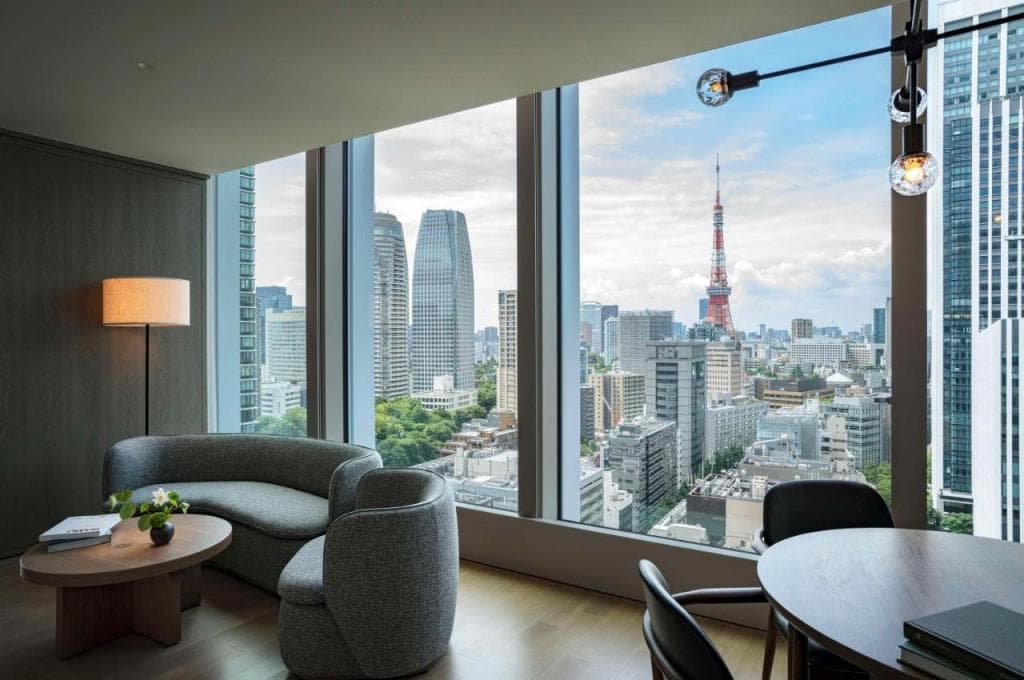


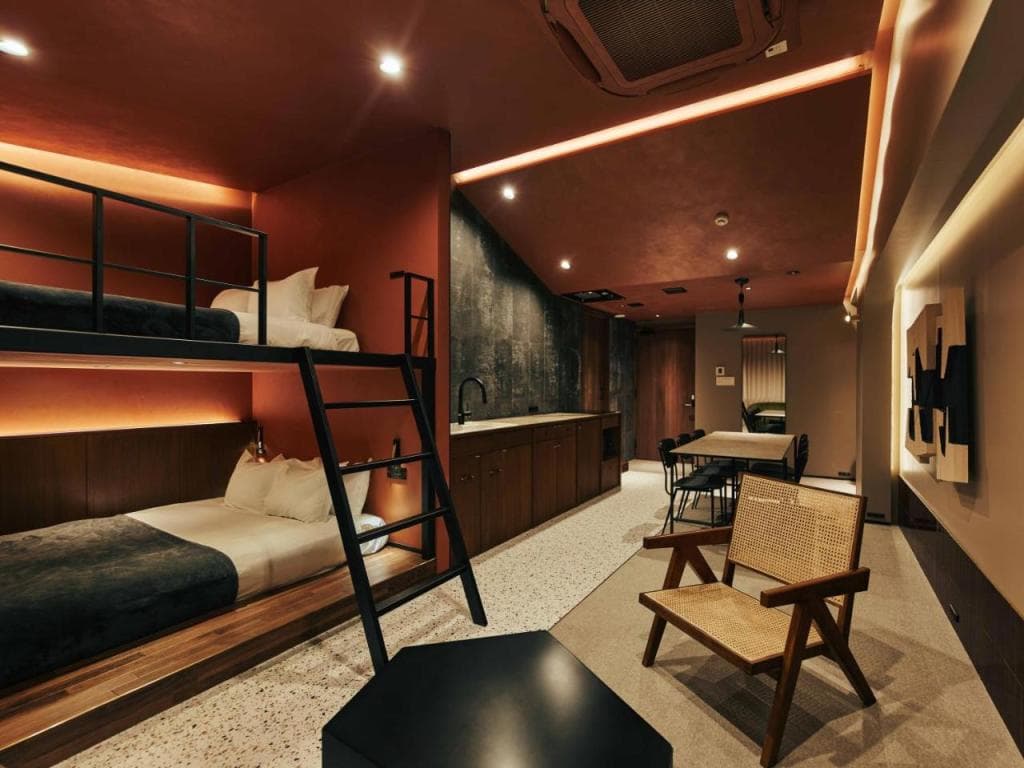


![[Prestige] Corner Twin Room - Club Lounge Access](/_next/image?url=https%3A%2F%2Fq-xx.bstatic.com%2Fxdata%2Fimages%2Fhotel%2Fmax3000%2F251110621.jpg%3Fk%3D99169169d6604d3b949cb3c4ce8dc8a78f8fea097bd1dc2c2c058bd6d7e48cc4%26o%3D%26a%3D8132522&w=3840&q=75)


![[Heritage] Double Junior Suite with View Bath and Balcony - Club Lounge Access](/_next/image?url=https%3A%2F%2Fq-xx.bstatic.com%2Fxdata%2Fimages%2Fhotel%2Fmax3000%2F251111003.jpg%3Fk%3D98510bbb64e92c08ac4e3fba8d6a68775b7eb580ec9275684648155a5c1f11e5%26o%3D%26a%3D8132522&w=3840&q=75)
![[Heritage] Twin Junior Suite - Club Lounge Access](/_next/image?url=https%3A%2F%2Fq-xx.bstatic.com%2Fxdata%2Fimages%2Fhotel%2Fmax3000%2F251110852.jpg%3Fk%3D515ea99fd8b1e58565a77f49cfe550e2e93cfd08e18297ce8a94c29c0954b3c6%26o%3D%26a%3D8132522&w=3840&q=75)
![[Heritage] Double Junior Suite with View Bath - Club Lounge Access](/_next/image?url=https%3A%2F%2Fq-xx.bstatic.com%2Fxdata%2Fimages%2Fhotel%2Fmax3000%2F251110915.jpg%3Fk%3Def0957e0b13e5b462836c8bf73d45ced47cfa738698b46af605435a332c5d449%26o%3D%26a%3D8132522&w=3840&q=75)
![[Heritage] Double Junior Suite - Club Lounge Access](/_next/image?url=https%3A%2F%2Fq-xx.bstatic.com%2Fxdata%2Fimages%2Fhotel%2Fmax3000%2F251110691.jpg%3Fk%3D0bf9230bd409a6395be9d251d03227720949c01f1c6954afb6282ac59cc6e92a%26o%3D%26a%3D8132522&w=3840&q=75)
![[Prestige] Corner Double Room](/_next/image?url=https%3A%2F%2Fq-xx.bstatic.com%2Fxdata%2Fimages%2Fhotel%2Fmax3000%2F310739793.jpg%3Fk%3Dc92f7d805cff2f717a9b548b60d76f1a5e29f0318b2468bf16b33178ec513823%26o%3D%26a%3D8132522&w=3840&q=75)

![[Heritage] Twin Junior Suite with View Bath - Club Lounge Access](/_next/image?url=https%3A%2F%2Fq-xx.bstatic.com%2Fxdata%2Fimages%2Fhotel%2Fmax3000%2F251110989.jpg%3Fk%3D05e64b2b7de1764e790dd51a17e999b86d6b8ef41c9d93a874068d6f400f6996%26o%3D%26a%3D8132522&w=3840&q=75)
![[Heritage] Twin Junior Suite with View Bath and Balcony - Club Lounge Access](/_next/image?url=https%3A%2F%2Fq-xx.bstatic.com%2Fxdata%2Fimages%2Fhotel%2Fmax3000%2F226050538.jpg%3Fk%3D38793c860790871651e050c760d1e0064df3d18815bfe6e4d912608856de4846%26o%3D%26a%3D8132522&w=3840&q=75)

