Where to stay in Malaysia for a luxury suite experience
Kuala Lumpur and the urban corridor
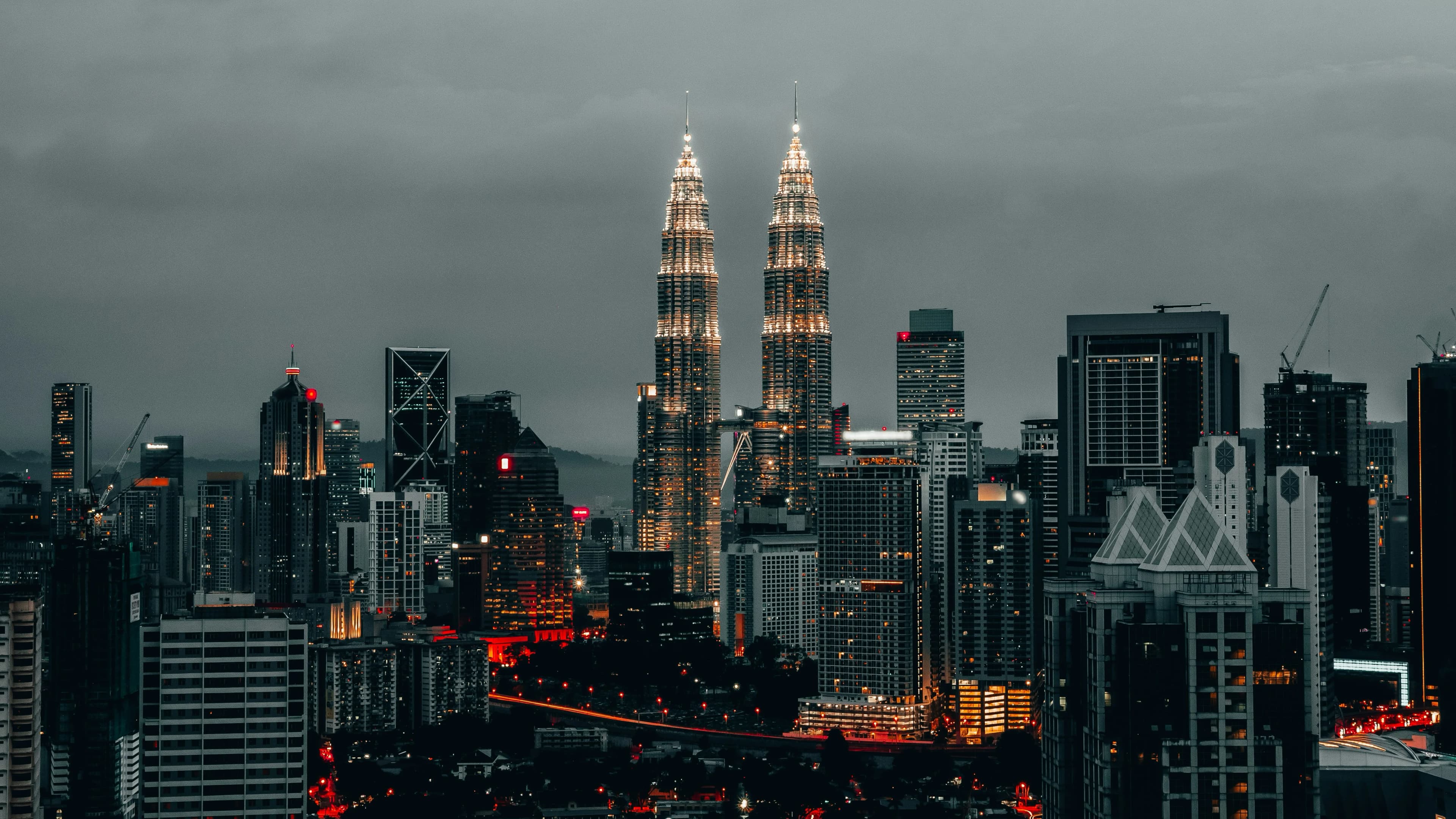
The capital concentrates the country's most architecturally ambitious hotels. The Golden Triangle district, defined by its verticality and density, houses properties where suites occupy high floors with unobstructed views across a skyline that includes the Petronas Twin Towers. These are urban suites calibrated for the executive traveler: controlled environments, high ceilings, and direct connectivity to financial and cultural institutions. The Klang Valley extending outward offers a softer urban register, with boutique properties set within older colonial-era buildings.
Penang and the northwest coast
Penang operates on a different frequency. George Town, a UNESCO World Heritage site, provides a dense urban fabric of Chinese shophouses, colonial mansions, and working temples that makes it one of Southeast Asia's most architecturally layered cities. Luxury stays here tend toward heritage conversions: properties that occupy restored clan houses or early 20th-century mercantile buildings. The island's northern and southern coastlines offer resort-format properties with direct beach access and a slower temporal rhythm.
Langkawi and the Andaman archipelago
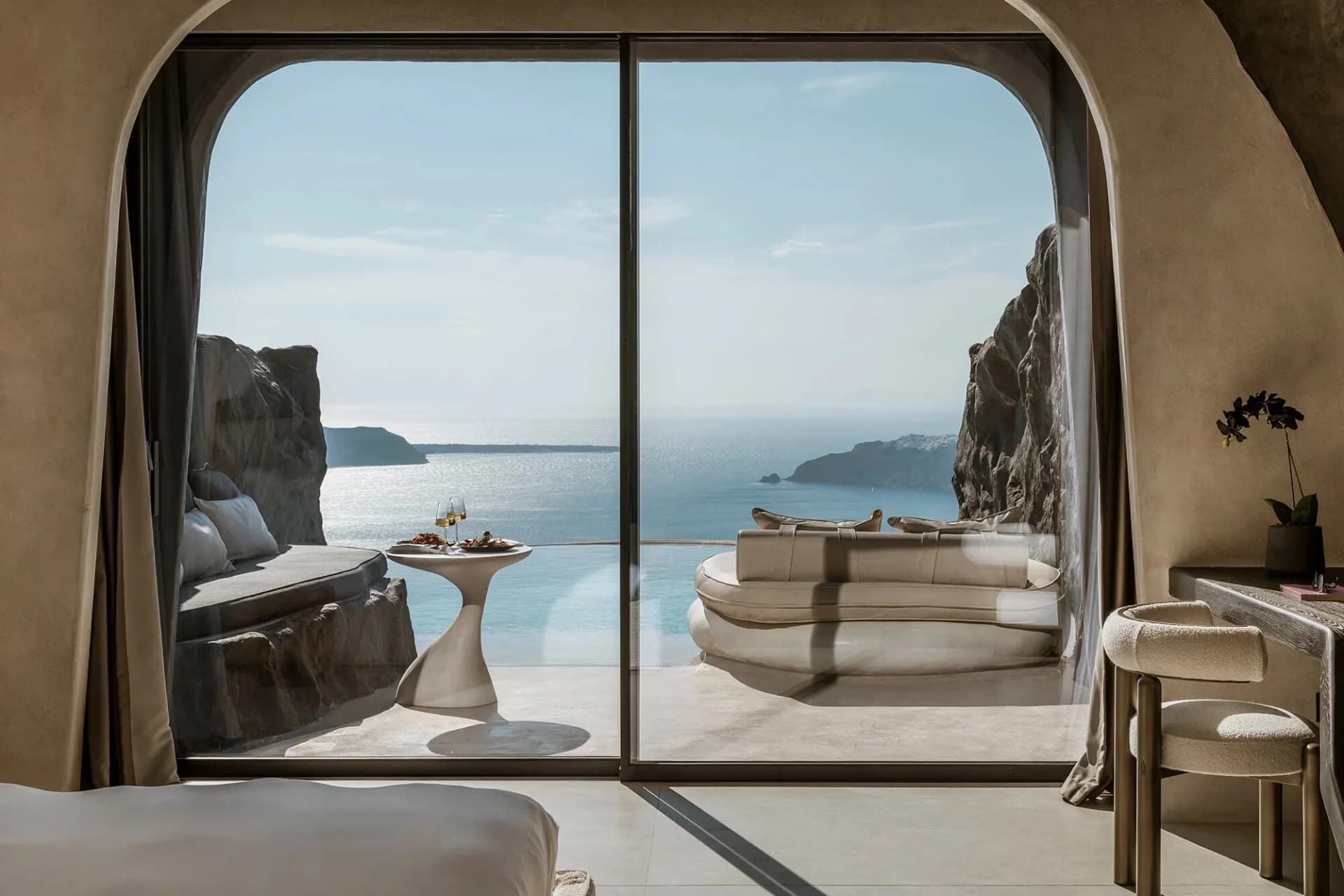
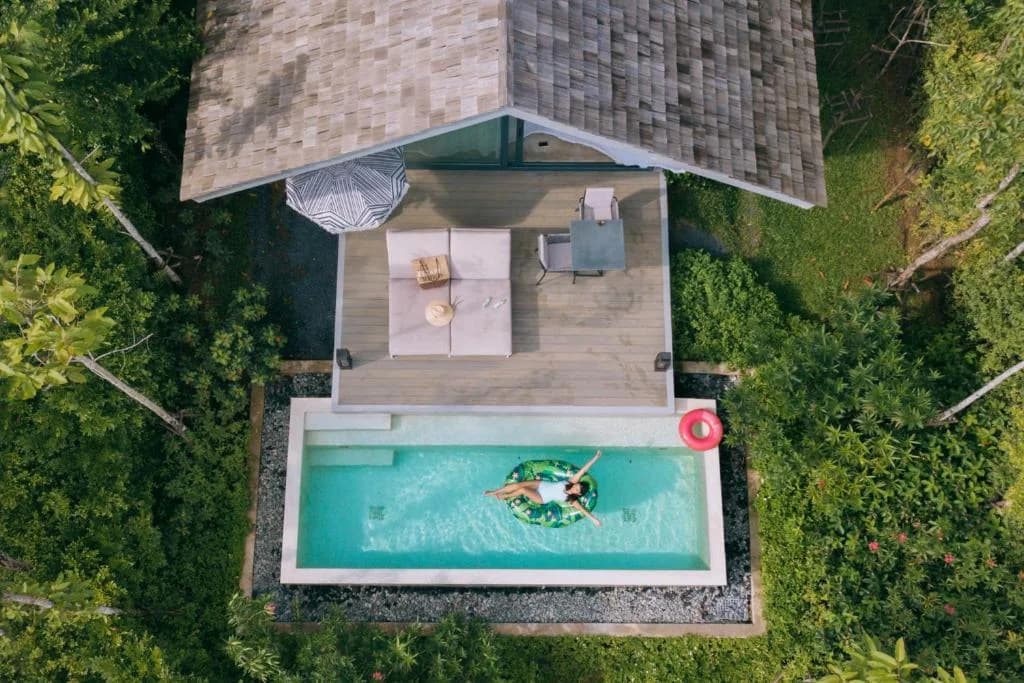
Langkawi's designation as a UNESCO Global Geopark brings geological distinction to its luxury offer. The island's western and northern coasts host properties with direct access to the Andaman Sea, many designed around the interaction between architecture and jungle canopy. Suites here prioritise outdoor living: private pools, open-sided bathrooms, and terraces that dissolve the boundary between interior and landscape. The absence of the mass-market density found elsewhere in the region is a material advantage.
Sabah and Sarawak: Borneo's interior
Malaysian Borneo represents the country's most ecologically singular luxury context. Sabah's proximity to the Kinabalu massif and the Coral Triangle positions it for a form of high-end travel that is structured around natural access rather than resort amenity. Suites in this zone are fewer in number and more deliberate in their design: river lodges, canopy-level retreats, and coastal properties where the surrounding ecosystem is the primary experience. Sarawak adds a further cultural layer, with longhouse traditions and a river-based geography that shapes how properties are conceived and accessed.
When to visit Malaysia for a luxury hotel stay
Malaysia's climate is governed by two monsoon systems, and understanding their timing is essential for planning a suite stay, particularly in coastal zones.
The southwest monsoon (May to September) affects the west coast, including Langkawi and Penang, bringing occasional heavy rain but generally manageable conditions. The northeast monsoon (November to March) affects the east coast of Peninsular Malaysia and parts of Sabah and Sarawak more directly. Kuala Lumpur, positioned inland, operates on a year-round basis with afternoon convective rainfall that rarely disrupts travel plans significantly.
The clearest window for Langkawi and the northwest is November through April, when the Andaman Sea is calm and visibility is optimal. For Sabah and the east coast islands such as the Perhentians and Tioman, the May to October window is preferable. Borneo's interior is navigable year-round, though the driest months (March to October in Sabah) facilitate trekking and river access most reliably.
Malaysia has no single luxury events calendar of the scale found in Europe or the Gulf, but the Formula 1 Malaysian Grand Prix historically drew international affluent travelers to Kuala Lumpur. Major festivals including Hari Raya Aidilfitri and Chinese New Year create periods of heightened domestic travel demand: suite availability in top properties tightens noticeably during these windows, and advance planning is advisable.
Local luxury standards: what defines a top-tier suite in Malaysia
Malaysia does not operate a formal national palace hotel designation equivalent to France's Palace classification. The country's luxury hospitality landscape is instead anchored by the international hotel groups that have established flagship properties in Kuala Lumpur, complemented by a growing independent sector in Penang and Langkawi.
At the upper end, suites in Kuala Lumpur's premier properties are measured by floor height, view axis, and technology integration. Butler service is standard at this level. Suite sizes in the top tier range from approximately 80 to over 400 square metres, with the largest offerings configured as multi-room residences with dedicated dining and meeting infrastructure.
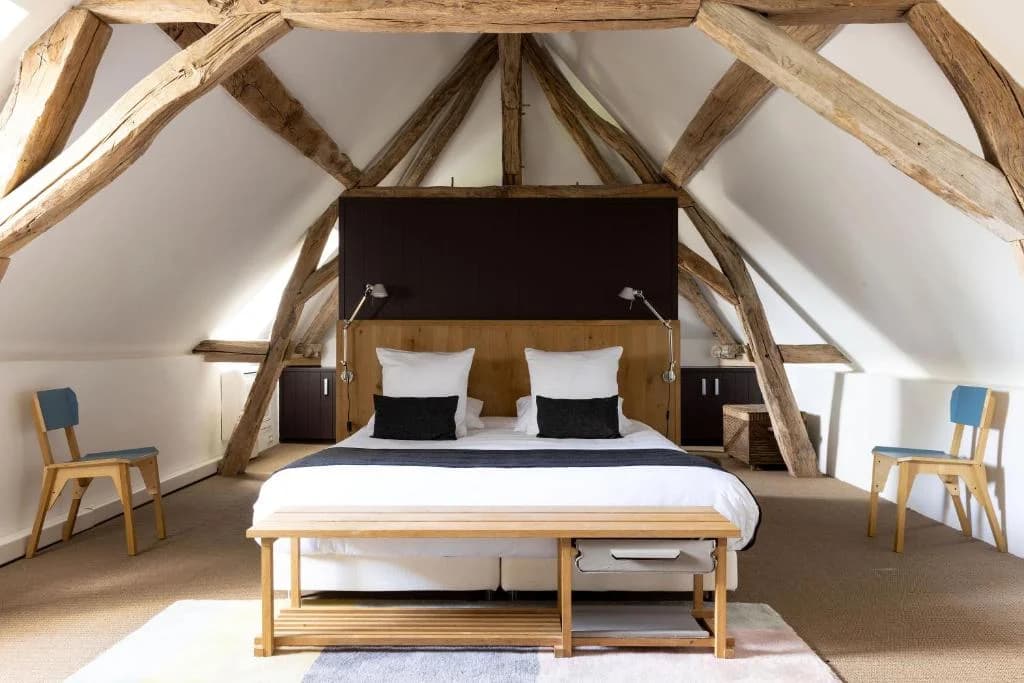
In heritage properties, particularly in Penang, the quality markers shift. Spatial generosity comes from the logic of original architecture: double-volume ceilings, internal courtyards, and the patina of materials that carry genuine historical weight. These properties offer a different form of luxury, one rooted in cultural specificity rather than standardised five-star delivery.
Resort suites in Langkawi and Sabah are evaluated by the quality of private outdoor space, the integrity of the landscape interface, and the level of ecological awareness embedded in the property's operations. Private pool villas with dedicated butler service represent the benchmark format in this category.
How to choose the best luxury suite in Malaysia
Several practical considerations shape suite selection in Malaysia specifically.
First, define the architectural register that matches your travel intent. An urban suite in Kuala Lumpur and a jungle villa in Sabah are not variations on the same experience: they represent fundamentally different spatial and sensory propositions. Clarity on this point eliminates most of the noise in the selection process.
Second, consider the relationship between suite position and the surrounding environment. In coastal properties, the orientation of the suite relative to sunrise and sunset, and the degree of privacy from adjacent units, are factors that vary significantly between properties and are not always apparent from marketing photography.
Third, factor in transfer logistics. Some of Malaysia's most distinctive properties require multi-stage access: flights to secondary airports, boat transfers, or four-wheel-drive approaches. These are not inconveniences to be minimised: they are part of the experiential arc. But they require planning, particularly when traveling with families or in time-constrained itineraries.
Fourth, assess the cultural and culinary context of the property's location. Malaysia's food culture is genuinely exceptional, and proximity to local hawker centres or night markets is a meaningful variable for travelers who engage seriously with cuisine. Some luxury properties in Penang and Kuala Lumpur are positioned specifically to facilitate this access.
Why a curated selection by La Suite matters in Malaysia
With 32 properties assessed across a geographically and culturally complex country, the La Suite selection process filters out the significant volume of properties that market themselves at the luxury tier without delivering it consistently. Malaysia's hospitality market includes a wide range of properties using five-star designations with considerable variation in actual suite quality, spatial standards, and service consistency.
The La Suite curation focuses specifically on suite-level experience: not the property's general amenity offer, but the quality of the suite itself as a spatial and sensory object. In a market where the difference between a category-leading suite and a standard room with premium pricing can be substantial, this specificity has direct practical value for the traveler.
For a country as geographically diverse as Malaysia, curation also performs a navigational function. The decision between a heritage suite in George Town, an overwater villa in Langkawi, and a canopy retreat in Sabah is not self-evident. The La Suite selection maps these choices against the actual experience they deliver, providing a reliable basis for a decision that will shape the entire character of the trip.