Understanding Penang as a luxury suite destination
Best areas to stay in Penang
George Town heritage core
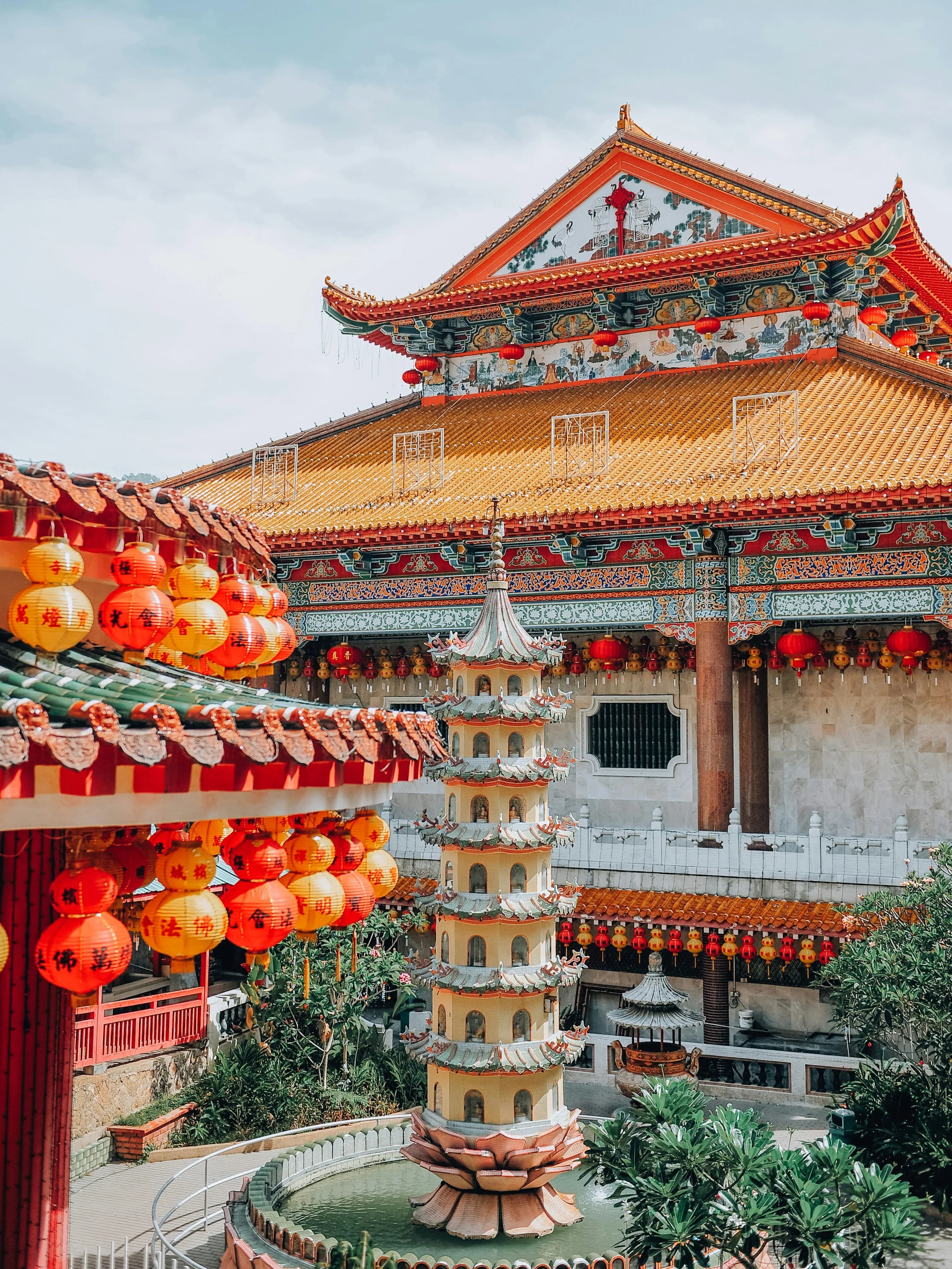
The UNESCO-listed inner city of George Town is the most architecturally significant area on the island. Streets of Chinese clan houses, Anglo-Indian civic buildings, and narrow shophouse rows create a density of visual interest that is almost impossible to replicate elsewhere in the region. Luxury hotels that occupy restored heritage structures in this zone allow guests to inhabit history rather than observe it from a distance. Suites within converted mansions or colonial bungalows carry a sense of material authenticity that purpose-built resorts rarely achieve.
Batu Ferringhi and the northern coast
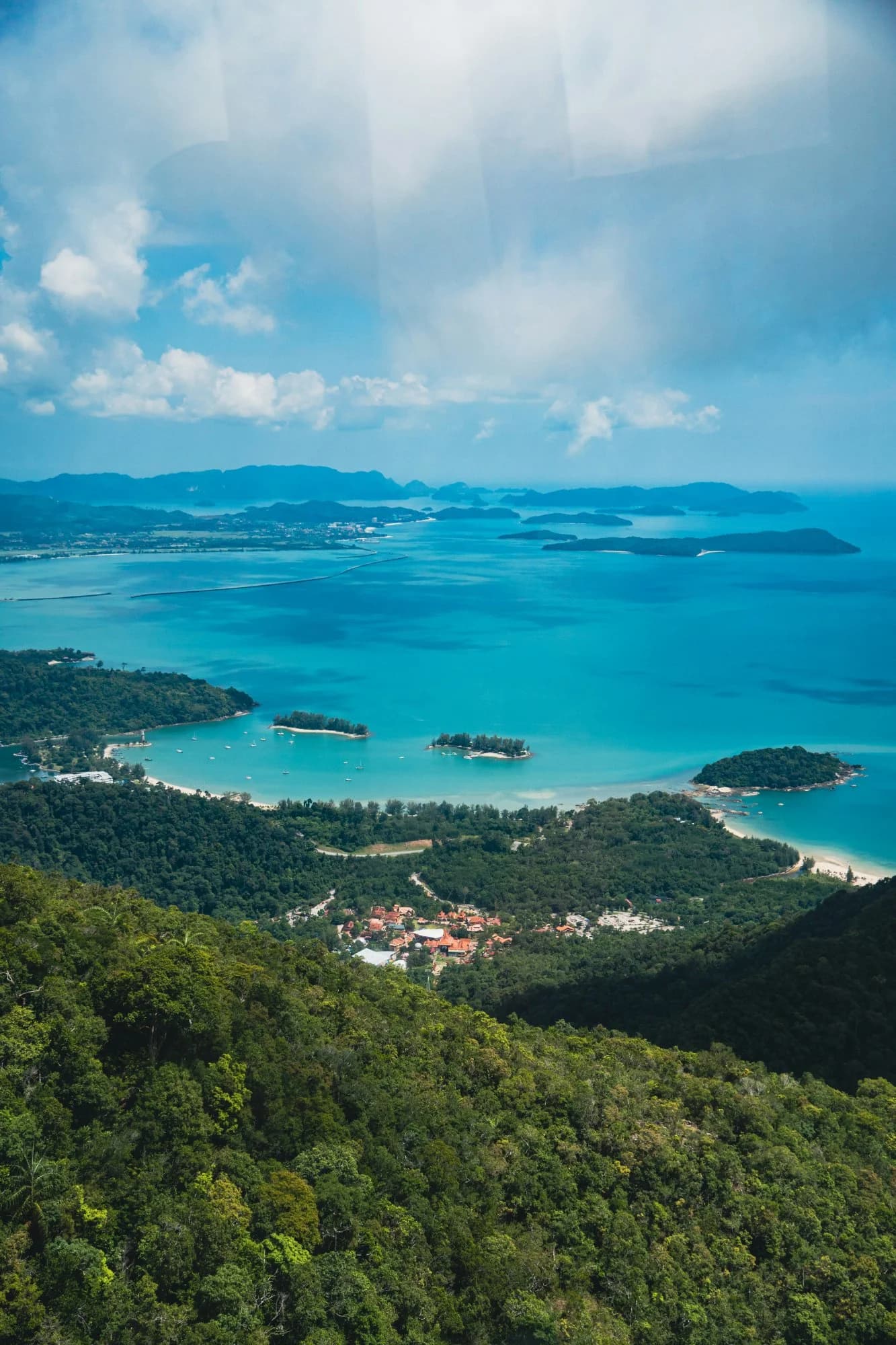
The northern coastal strip of the island, centered on Batu Ferringhi, represents a different proposition entirely. Here, the landscape opens to the Andaman Sea, and larger resort properties with expansive grounds and private pools occupy seafront positions. The atmosphere is quieter and more horizontal. Suites in this zone typically prioritize views, outdoor space, and proximity to the water over architectural heritage. The trade is explicit: less cultural immersion, more physical ease.
Gurney Drive and the mid-island corridor
The area around Gurney Drive functions as Penang's contemporary address, with upscale residential towers, international dining, and a more transactional urban rhythm. Luxury hotel suites in this corridor appeal to travelers whose primary purpose is business or who prefer the conveniences of a modern city infrastructure alongside their accommodation. The connection to George Town is straightforward, making this zone a practical base for those who want to move between both registers.
When to visit Penang
Penang's climate is equatorial, with consistent temperatures throughout the year averaging between 27 and 33 degrees Celsius. The northeast monsoon brings heavier rainfall between October and February, particularly on the east coast of the island. The southwest monsoon, from May to September, tends to be drier and is generally considered the more reliable period for travel. However, given the island's orientation and the moderating effect of its topography, rain on Penang is typically brief and does not fundamentally disrupt a well-planned itinerary.
The most culturally significant periods to visit include Chinese New Year, typically falling in January or February, when George Town's streets become a concentrated expression of the island's Straits Chinese identity. The Penang International Food Festival, held annually in October, draws attention to a culinary culture that is considered by many food writers to be among the most distinguished in Southeast Asia. The George Town Festival, usually scheduled for August, brings international arts programming to heritage venues across the city. Suite availability tends to tighten around these events, and rates reflect the demand accordingly.
Local luxury standards in Penang
Malaysia does not operate a formal palace designation equivalent to France's official Palace hotel classification. The country's hotel star-rating system is administered by the Ministry of Tourism, Arts and Culture, with five stars representing the formal ceiling. Within Penang's market, the distinction that carries most weight among experienced travelers is not star rating but provenance: whether a property occupies a genuinely historic building, and whether the restoration has been executed with archival fidelity rather than decorative approximation.
The Straits-Chinese aesthetic, sometimes called Peranakan or Baba-Nyonya, represents the most locally specific design language available to Penang's luxury hotels. It is characterized by polychrome tilework, carved timber screens, porcelain inlay, and a layering of Chinese, Malay, and European decorative vocabularies that reflects centuries of mercantile contact. Suites that engage seriously with this tradition offer a sensory environment unavailable anywhere else in the world. The distinction between a suite that deploys this aesthetic as surface decoration and one that reflects genuine material knowledge is significant, and worth investigating before committing to a booking.
How to choose the best luxury suite in Penang
The primary decision in Penang is architectural: heritage property or contemporary hotel. Each carries distinct implications for the experience. A restored heritage property in George Town will typically offer smaller physical footprints, less standardized room configurations, and an ambient noise profile shaped by the urban density of the surrounding neighborhood. This is not a deficiency; it is a condition of authenticity. A contemporary resort on the northern coast will deliver larger suites, more predictable amenity sets, and greater physical separation from the city's rhythms.
Beyond architecture, the question of purpose matters. Penang rewards the traveler who engages with it actively: its street food culture requires walking and curiosity, its heritage buildings invite examination, and its arts scene is increasingly connected to international networks of contemporary practice. A suite that places its guest within walking distance of George Town's core is categorically different from one that requires a twenty-minute transfer to reach the city. Consider the granularity of access as a genuine factor in the selection, not merely a logistical footnote.
Practical considerations include the island's traffic patterns, which can be unpredictable during peak hours on the main arteries connecting the north coast to George Town. Travelers who intend to move frequently between zones should factor transfer time into their planning. Penang International Airport connects the island directly to Kuala Lumpur, Singapore, Bangkok, and several regional hubs, making access from most international gateways a two-leg journey at most.
Why curated selection matters in Penang
The luxury hotel market in Penang is relatively compact by regional standards, but the variance in quality between properties marketing themselves at the upper end is substantial. The category of boutique heritage hotel in particular contains both genuinely exceptional properties and those that deploy the vocabulary of historic restoration without the underlying commitment to quality. Independent research through aggregator platforms rarely surfaces this distinction with adequate clarity.
La Suite's curatorial approach applies consistent criteria across every market it covers, from established luxury capitals to emerging destinations such as Penang. The same standards that govern a suite selection in Tokyo or Paris are applied here: spatial quality, material integrity, service architecture, and the coherence of the guest experience as a whole. For travelers approaching Penang for the first time, or returning with higher expectations than a previous visit satisfied, the curated selection by La Suite represents the most reliable point of entry into the island's genuine luxury offer. Explore the full scope of the platform's coverage across Malaysia and the wider Asia region to understand how Penang sits within a broader geography of considered travel.