Understanding Ulaanbaatar as a luxury destination
The city functions as the undisputed logistical and cultural hub of the country. Virtually all international flights arrive at Chinggis Khaan International Airport, which completed its modern terminal in 2021. From Ulaanbaatar, experienced travellers arrange access to the Gobi Desert, the Orkhon Valley, Khövsgöl Lake, and the steppe regions that define Mongolia's identity. The suite you select in the capital is therefore not simply a night's accommodation: it is the anchor for an entire expedition.
The best areas to stay in Ulaanbaatar
The city centre and Sukhbaatar district
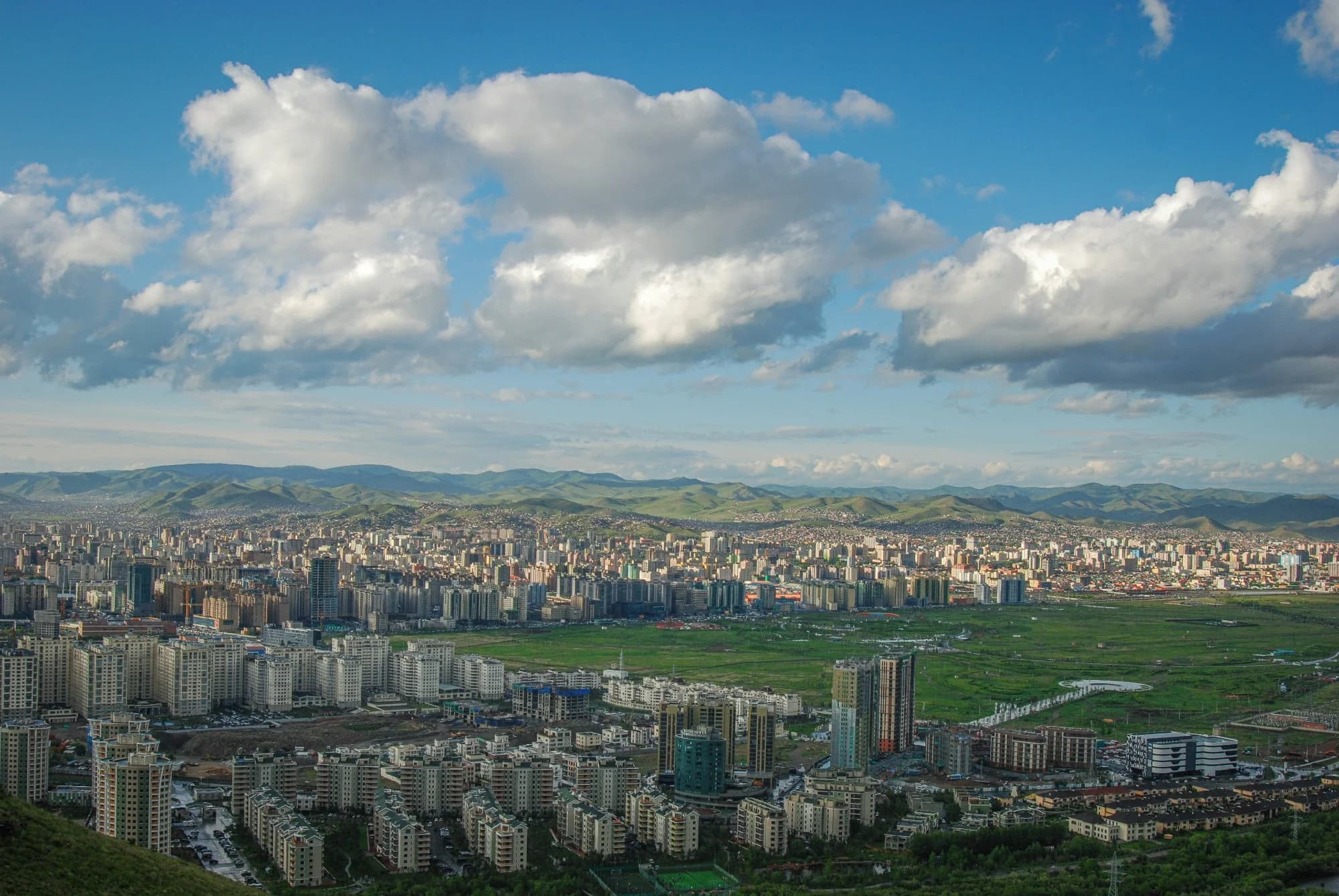
The highest concentration of international-standard hotels occupies the central districts around Sukhbaatar Square and the Peace Avenue corridor. This area provides walkable access to the city's primary cultural sites, embassies, and the restaurants and galleries that cater to a sophisticated international clientele. Properties here tend to occupy modern towers or recently renovated structures, and suites in this zone typically offer panoramic views across the valley and the surrounding Bogd Khan mountain range.
The southern residential and diplomatic quarters
South of the centre, a quieter residential and diplomatic zone has attracted a small number of boutique properties that trade density for discretion. Travellers who prioritise privacy and a degree of remove from the commercial core will find this area more conducive to the pace that a serious luxury stay requires.
When to visit Ulaanbaatar for a luxury stay
Mongolia's climate is extreme and should be taken as a practical factor in planning. Winters are severe, with temperatures regularly falling below minus 25 degrees Celsius between November and February. The city's air quality also deteriorates sharply in winter months due to heating practices in the peri-urban areas. These are material considerations for travellers accustomed to consistent comfort.
The optimal window for visiting Ulaanbaatar is June through September. Summer brings clear skies, manageable temperatures between 15 and 30 degrees Celsius, and the cultural calendar's principal event: Naadam. Held annually in July, the National Naadam Festival is a three-day celebration of the three traditional Mongolian sports: wrestling, archery, and horse racing. It is one of Central Asia's most distinctive cultural events and draws informed travellers from across the world. Suite inventory at the city's better properties tightens considerably around Naadam, and advance planning of several months is advisable.
September offers a quieter alternative: the summer warmth persists, the steppe turns golden, and the city's pace eases after the peak season.
Local luxury standards: what to expect from top-tier suites in Ulaanbaatar
Mongolia does not yet operate within the established luxury classification frameworks found in France or Japan. There is no formal Palace designation. The market is instead defined by a relatively small number of internationally managed five-star properties alongside a growing cohort of locally owned boutique hotels that have invested seriously in suite-level accommodation.
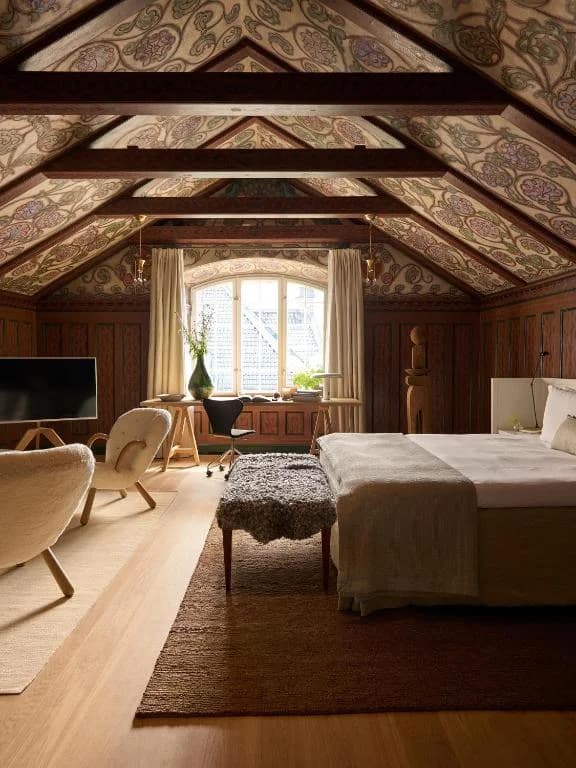
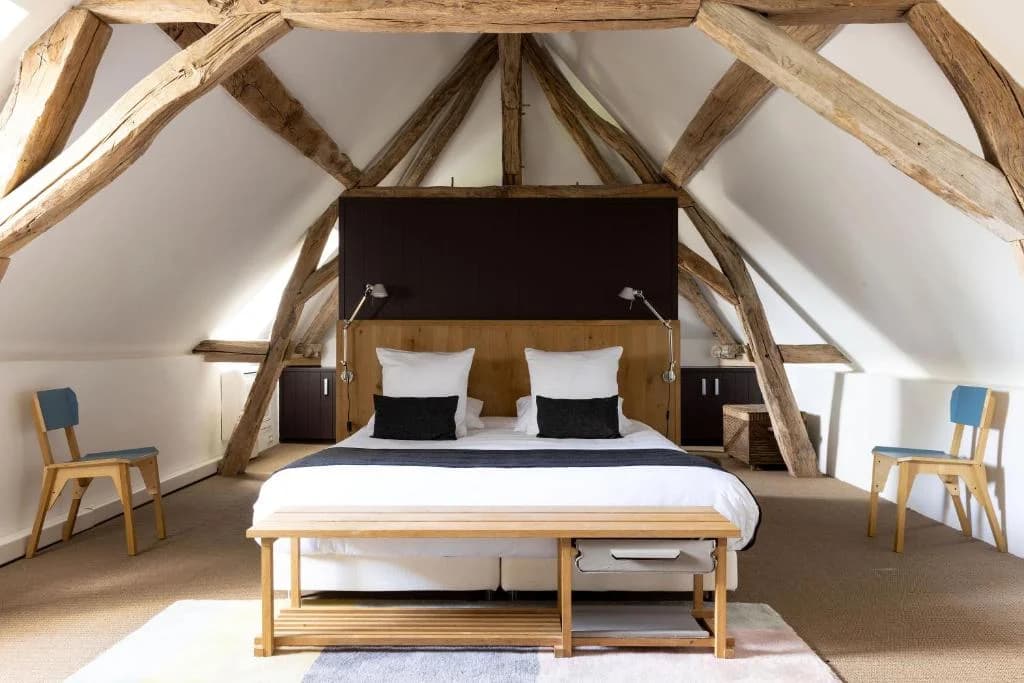
The finest suites in Ulaanbaatar typically offer: generous floor plans suited to executive or family use, contemporary interiors that reference Mongolian material culture (felt textures, hand-knotted carpets, lacquered wooden motifs) without descending into pastiche, strong connectivity and business infrastructure reflecting the city's role as a regional commercial hub, and in the best cases, dedicated butler or concierge capacity for organising expeditions beyond the city.
A specific category of accommodation worth noting is the luxury ger camp. While technically outside the urban core, several operators have established high-specification camp accommodation within driving distance of Ulaanbaatar, notably in the Terelj National Park to the northeast. These camps offer private ger units (the circular felt dwelling traditional to Mongolian nomads) fitted with wood-burning stoves, quality bedding, and in some cases en-suite facilities. They represent a distinctly Mongolian category of suite-level experience and are worth incorporating into a broader itinerary.
How to choose the right luxury suite in Ulaanbaatar
Several practical considerations apply specifically to this destination. First, altitude and climate: the city sits high and the air is dry, which affects comfort, particularly for travellers arriving directly on long-haul flights. Suites with humidification control and generous bathroom facilities are worth prioritising.
Second, connectivity to the wider country: the best suites in Ulaanbaatar are those whose hotel operations include genuine expedition concierge capacity, meaning the ability to arrange permits, vehicles, guides, and logistics for travel into Mongolia's protected areas and remote landscapes. This is not a standard offering and distinguishes the serious operators from the adequate ones.
Third, architectural character: Ulaanbaatar's luxury properties divide broadly between large international chain hotels, which offer consistency and scale, and smaller independent properties, which offer more distinctive spatial design and closer attention to Mongolian material culture. The choice depends on whether the traveller prioritises operational reliability or aesthetic singularity.
Fourth, views and orientation: suites on higher floors facing south or west tend to capture the Bogd Khan Uul mountain range, a UNESCO Biosphere Reserve that forms a dramatic natural boundary to the city. This aspect adds a dimension to the suite experience that is specific to Ulaanbaatar and difficult to replicate elsewhere.
Why curation matters in Ulaanbaatar's luxury hotel market
The Ulaanbaatar luxury hotel market is compact by global standards, and the gap between what is marketed as five-star and what genuinely delivers at suite level is wider here than in more established destinations. Marketing language tends to overstate. Review aggregators reflect a broad traveller base whose standards differ substantially from those of a guest who has stayed in leading properties across Asia, Europe, or the Americas.
The value of a curated selection by La Suite in this context is specific: it filters on the criteria that matter to a discerning traveller, spatial quality, service architecture, material finish, and expedition capacity, rather than on aggregate scores or marketing tier. In a market where the number of genuinely exceptional suites is limited, precision in selection is not a luxury. It is a necessity. La Suite applies the same editorial rigour to Ulaanbaatar that it applies to Paris or Tokyo, because the traveller's standards do not change with the destination.