Understanding Kathmandu as a luxury suite destination
Nepal as a country attracts a specific traveller profile. Many arrive with serious intent, trekking permits, cultural study, or both. Others come specifically for the Kathmandu Valley's UNESCO-designated heritage sites, which include seven distinct monument zones. In either case, the suite is not incidental to the trip but central to how the experience accumulates. For a broader perspective on the region, explore our curated selection of luxury suites in Nepal or browse the full luxury suite offer across Asia.
The distinct areas of Kathmandu and where to stay
Lazimpat and Maharajgunj
These quieter northern districts are home to embassies, wide tree-lined roads, and several of Kathmandu's most established luxury properties. The atmosphere is considerably calmer than the old city, and suites here tend to occupy purpose-built structures with garden courtyards, mountain-facing terraces, and access to spa facilities that meet international standards. This is the preferred address for diplomatic visitors and long-stay guests who require both privacy and proximity to the city's cultural circuit.
Patan and the historic core
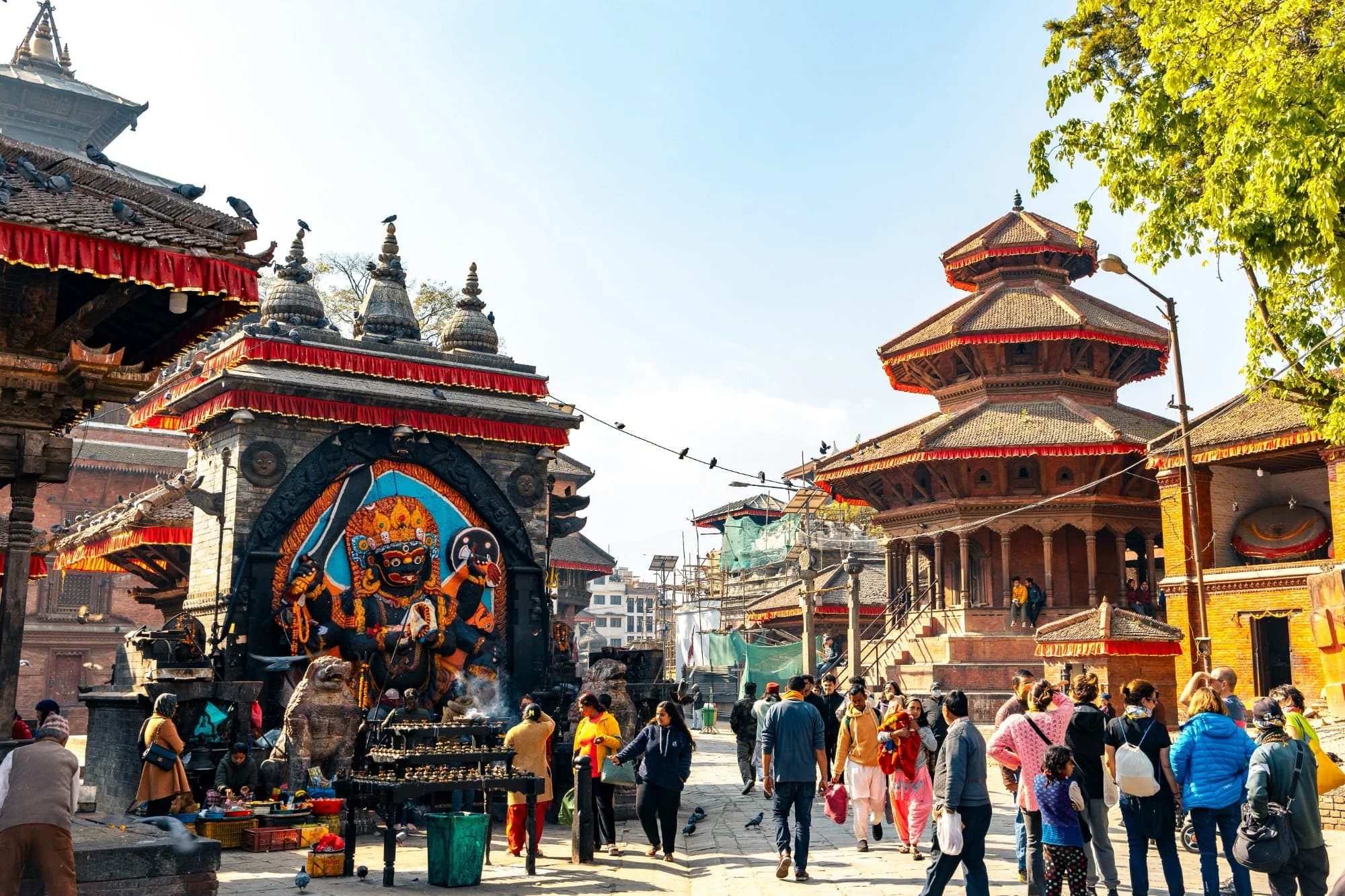
Patan, technically a separate city but now continuous with Kathmandu, is home to some of the finest Newari courtyard architecture in the valley. A small number of boutique properties have converted historic buildings here into refined accommodation. Suites in this zone tend to be more intimate in scale, with carved wooden windows, internal garden spaces, and immediate access on foot to Patan Durbar Square. The trade-off is a tighter urban fabric and less separation from street-level activity.
Boudha
The area surrounding Boudhanath Stupa, one of the largest stupas in the world and a UNESCO World Heritage Site, has developed a quiet hospitality infrastructure oriented toward Tibetan Buddhist culture and long-stay meditation visitors. Suites available in this district tend toward a more meditative aesthetic, with natural materials, restrained colour palettes, and direct views of the stupa's whitewashed dome. It is a less obvious choice for a first visit but a considered one for a return traveller.
When to visit Kathmandu for a luxury stay
The Kathmandu Valley has two optimal windows for travel. The first runs from October through November, immediately following the monsoon season. The air is clear, the mountains are visible, daytime temperatures are mild, and the major Hindu and Buddhist festival calendar is active. Dashain, Nepal's largest festival, typically falls in October and offers a level of cultural immersion unavailable at any other point in the year. Suite availability at the city's finest properties becomes constrained during this period, and early planning is advisable.
The second window runs from March through May. Rhododendrons are in bloom across the surrounding hills, and the pre-monsoon light is particularly clean. Temperatures rise steadily toward May, making April the more comfortable month for extended time in the city. The summer monsoon season, running from June through September, brings near-daily rain, reduced mountain visibility, and lower hotel rates. It is not an unreasonable time to visit for a traveller focused exclusively on the city's interior spaces and cultural institutions rather than its landscapes.
Local luxury standards: what to expect from a high-end suite in Kathmandu
Nepal does not operate a nationally standardised palace or grand hotel classification in the manner of France. The distinction between a standard five-star hotel and a genuinely exceptional suite experience in Kathmandu rests on several specific factors: the quality of the architectural envelope (whether the property occupies a heritage structure or a purpose-designed contemporary building), the curation of local materials and craft within the interiors, the staff-to-guest ratio, and the degree to which the property engages meaningfully with the surrounding cultural context rather than simply insulating guests from it.
The finest suites in Kathmandu typically feature hand-knotted Tibetan or Nepali carpets, stone or terracotta flooring, private balconies oriented toward the Himalayan range on clear days, and bathroom fittings that reflect a considered engagement with local stone and craft tradition. Butler service is available at the top tier. Spa offerings often incorporate Ayurvedic and Himalayan wellness traditions rather than generic international treatments.
It is worth noting that Kathmandu's infrastructure, including power supply and road quality, is variable. Properties that invest in independent systems, reliable connectivity, and managed transfer services represent a meaningfully different standard of stay than those that do not.
How to choose the right luxury suite in Kathmandu
Heritage versus contemporary architecture
Both typologies exist in Kathmandu and both can deliver exceptional results. A converted Rana palace or Newari courtyard building offers an irreplaceable sense of historical weight and visual specificity. A purpose-built contemporary luxury property may offer greater consistency of finish, more generous room proportions, and facilities such as rooftop pools or full-service spas that are difficult to incorporate into historic structures. The decision should be driven by how the traveller intends to spend time in the room itself.
Mountain views
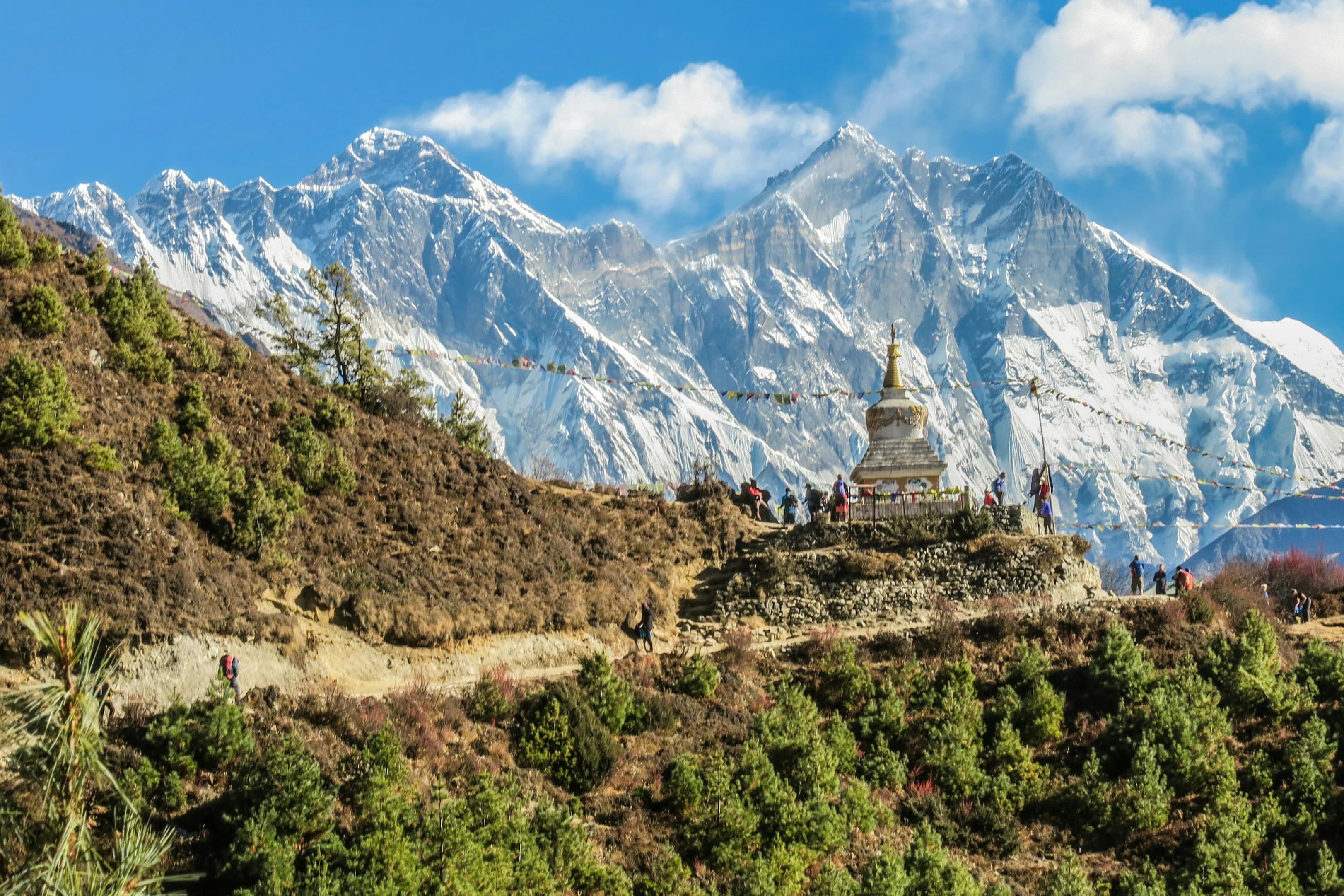
Not all suites in Kathmandu offer views of the Himalayan range, even those marketed as doing so. The city's topography and building density mean that genuine, unobstructed mountain views are available only from specific elevations and orientations. Confirming this detail directly before committing to a booking is a practical necessity rather than an optional refinement.
Location relative to key sites
The distances between Kathmandu's major heritage sites are modest but the traffic and road conditions can make them feel considerably longer. A suite positioned close to the sites most relevant to a particular itinerary will save meaningful time and reduce the logistical friction that can diminish an otherwise well-planned trip.
The value of curation in Kathmandu
Kathmandu's hotel market is heterogeneous. Properties that describe themselves as luxury span an extremely wide range of actual quality, from internationally managed five-star buildings with consistent standards to locally operated boutique hotels whose positioning exceeds their delivery. For a traveller who has limited time and high expectations, navigating this range independently is both time-consuming and unreliable.
La Suite's approach to Kathmandu is the same as its approach to every destination in Asia: a systematic evaluation of architecture, suite quality, service standards, and contextual intelligence. The result is a selection that reflects genuine editorial judgement rather than aggregated reviews or commercial relationships. For travellers planning an extended journey through the subcontinent, it is also worth considering the full luxury suite landscape across Nepal, where properties in the Pokhara valley and on trek routes close to the Annapurna circuit offer experiences that complement a Kathmandu base in structurally different ways.