Best regions in Vietnam for luxury suite stays
The north: Hanoi and the highlands
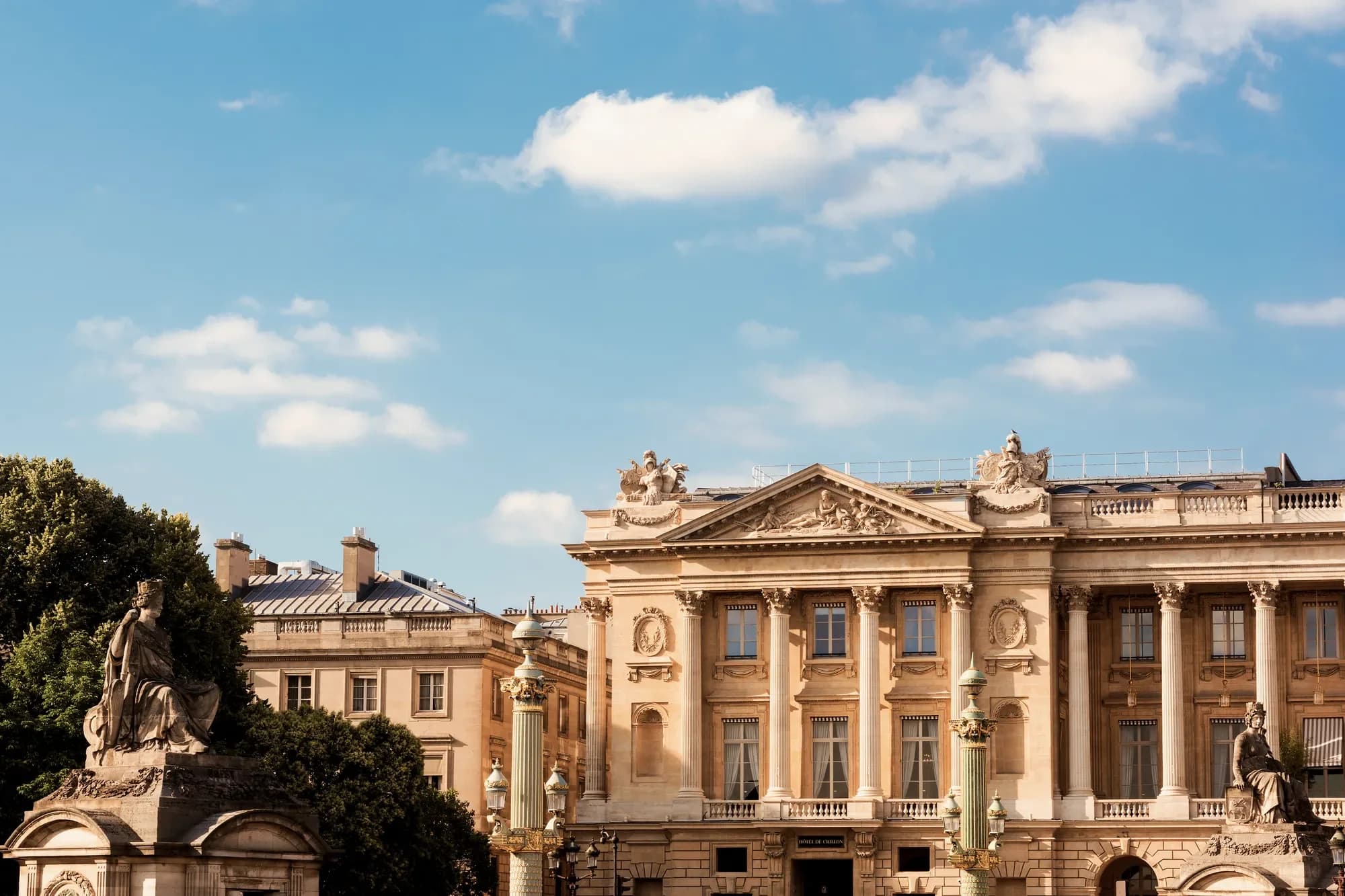
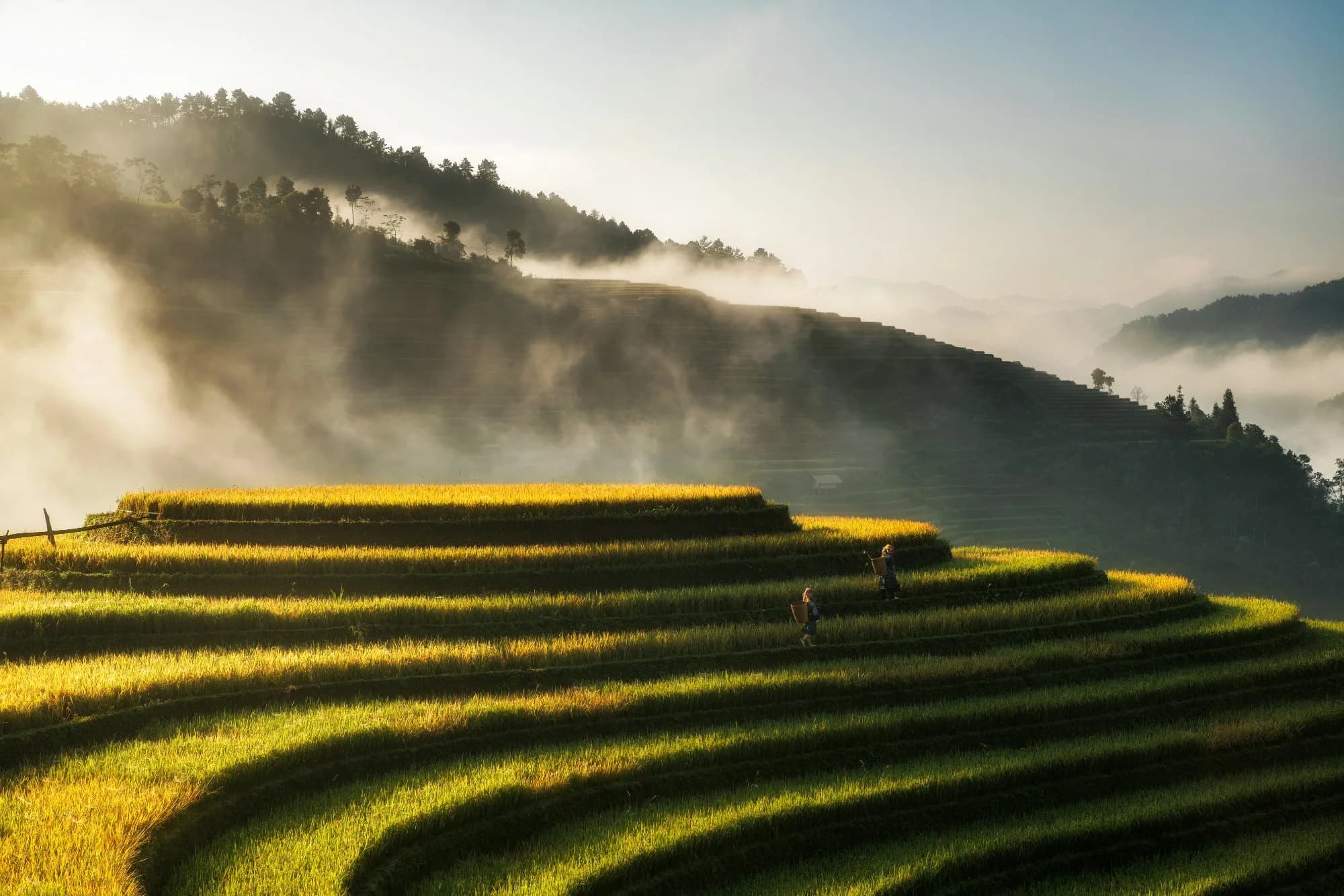
Hanoi operates as Vietnam's cultural and political capital, a city of French colonial architecture, ancient merchant quarters, and a culinary tradition widely regarded as among the most refined in Southeast Asia. Luxury hotels in the capital tend to occupy heritage buildings or purpose-built properties near Hoan Kiem Lake, offering suites that balance local material culture with contemporary comfort. Beyond the city, the northern highlands around Sapa and Ha Giang present a cooler, more austere landscape suited to boutique lodges with dramatic valley-facing suites. These properties are typically smaller in scale and more experiential in character.
Halong Bay and the northeast coast
The karst seascape of Halong Bay and the less-frequented Lan Ha Bay to the south represent one of Vietnam's most architecturally distinctive environments. Luxury here is delivered largely through high-specification liveaboard vessels rather than fixed land-based hotels. The finest of these offer suite-level cabins with private terraces, panoramic glazing, and curated itineraries through the bay's quieter channels. This is a format unique to Vietnam and warrants specific attention when planning.
Central Vietnam: Hue and Hoi An
The centre of the country holds the highest concentration of Nguyen dynasty heritage, from the imperial citadel of Hue to the trading port of Hoi An, a UNESCO World Heritage site. Luxury hotels in this corridor tend to favour large resort formats set along the coast between Da Nang and Hoi An, with suites offering direct beach access and pool villas suited to longer stays. The architectural language draws on both Vietnamese vernacular and colonial references, giving properties here a visual coherence found nowhere else in the country.
The south: Ho Chi Minh City and the Mekong
Ho Chi Minh City, formerly Saigon, is Vietnam's commercial engine: fast, layered, and architecturally complex. Luxury hotels here occupy high-rise towers and restored colonial villas alike, with suites ranging from vertically oriented sky residences to garden-facing rooms within restored plantation-era structures. South of the city, the Mekong Delta rewards travellers who seek a slower register. A small number of high-quality properties here offer riverfront suites with genuine proximity to daily delta life, accessible only by boat.
When to visit Vietnam for a luxury suite stay
Vietnam's climate does not follow a single national pattern. The country's length means that weather conditions vary significantly between regions at any given time, and planning a suite itinerary requires attention to these differences rather than a single travel window.
The north, including Hanoi and Sapa, is best visited between October and April, when temperatures are cooler and rainfall is low. Summers in the north bring heat and humidity that can reduce comfort in properties without robust climate systems. The central coast, including Da Nang and Hoi An, is optimal between February and August. The typhoon season from September to November brings significant rainfall and occasional storms that affect coastal properties directly. The south, including Ho Chi Minh City and the Mekong Delta, operates on a dry season from December to April, which coincides with peak demand and corresponding suite rate increases across the region's best hotels.
Tet, the Vietnamese Lunar New Year, typically falls between late January and mid-February and represents the country's most significant cultural period. Many luxury hotels maintain occupancy through family travel during this window, and suite availability at premier properties requires advance planning of several months.
Local luxury standards: what defines a top-tier suite in Vietnam
Vietnam does not operate a nationally standardised Palace designation comparable to France's system. The five-star classification remains the benchmark, administered by the Vietnam National Administration of Tourism, though the quality range within that tier is wide. At the upper end, international luxury groups including Four Seasons, Aman, Rosewood, and Banyan Tree operate properties that meet consistent global standards. A smaller number of independently operated Vietnamese resorts have developed suite products of equivalent quality, particularly along the central coast and in the northern highlands.
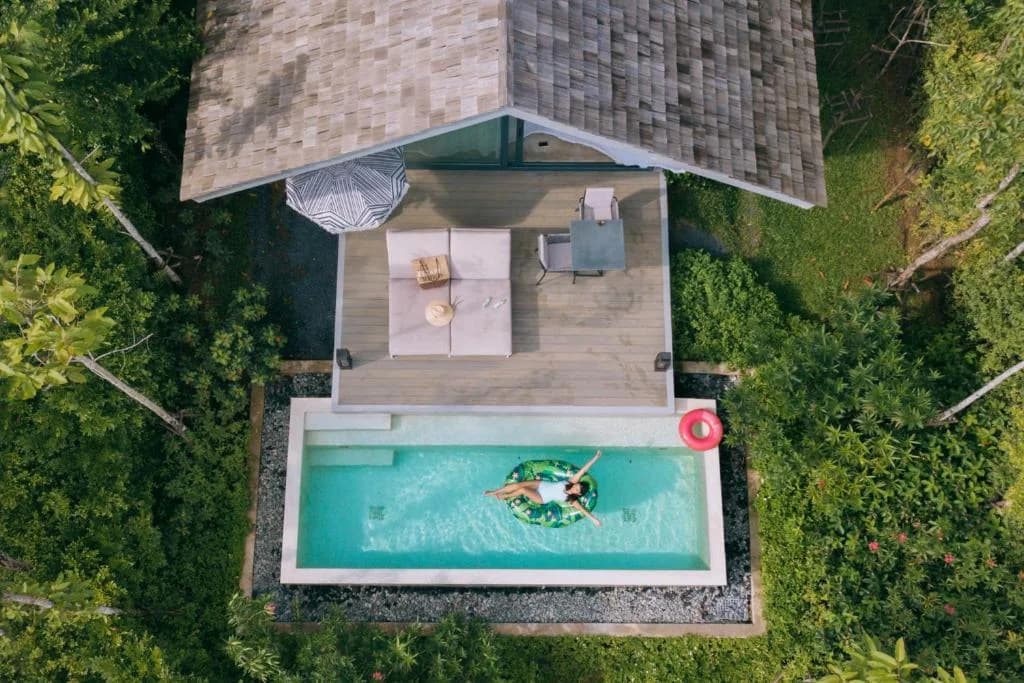
The most distinctive suite typology in Vietnam is the pool villa format: a private structure, often freestanding, with its own plunge or lap pool, an outdoor terrace, and direct garden or beach access. This format is particularly prevalent in resort properties from Da Nang south. In urban contexts, penthouse suites and signature suites within heritage hotels offer a different proposition: architectural character, city positioning, and access to the hotel's public infrastructure rather than private outdoor space.
Liveaboard vessels on Halong Bay represent an entirely separate category. The best of these operate suite-class cabins with en-suite bathrooms, private sun decks, and curated programming that functions as a floating hotel experience. Categorising these within the broader Vietnamese luxury landscape requires a different set of criteria than land-based properties.
How to choose the best suite in Vietnam: practical considerations
The first decision is geographic: Vietnam's length means that a single suite base rarely serves a multi-region itinerary. Most high-end travellers divide their time between two or three distinct areas, selecting a property in each that matches the character of that region. A heritage suite in Hanoi, a coastal pool villa near Hoi An, and a liveaboard cabin on Halong Bay represent a coherent three-part itinerary that does not require compromise on suite quality at any point.
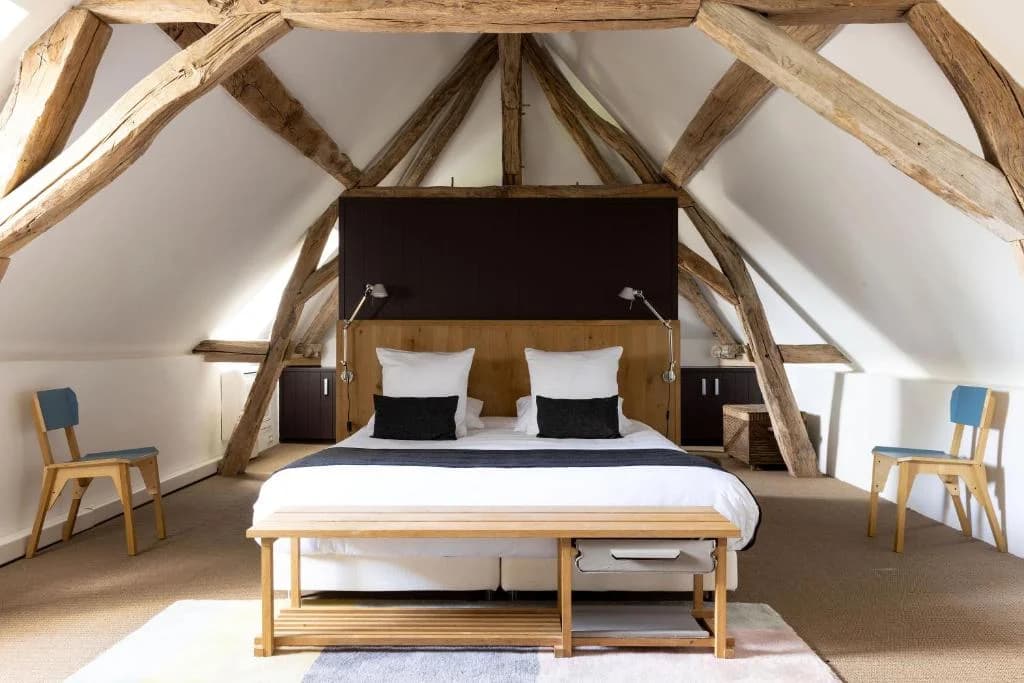
The second consideration is architecture and setting. Vietnam's luxury hotel stock ranges from purpose-built international resort complexes to sensitively restored French colonial buildings and contemporary design properties that reference local craft and material culture. Travellers with a preference for historical context will find the central region most rewarding. Those who prioritise spatial privacy and outdoor living are better served by the pool villa resorts of the central and southern coast.
Service quality in Vietnam's finest hotels is consistently noted as a differentiator. The country has a long-established tradition of hospitality training, and properties affiliated with major international groups typically offer a level of suite-specific service, including dedicated butlers, in-suite dining programmes, and bespoke excursion planning, that aligns with global luxury expectations.
Connectivity between regions has improved significantly with the expansion of domestic aviation. Most major luxury destinations in Vietnam are accessible via direct domestic flights from Hanoi or Ho Chi Minh City, making multi-property itineraries logistically practical.
Why curated selection matters in Vietnam
With 65 properties listed on La Suite, the Vietnamese market presents a volume and diversity that makes unguided research time-consuming and often unreliable. Star ratings in Vietnam are not uniformly applied, online review aggregators do not consistently capture suite-specific quality, and the gap between a property's marketing presentation and its actual suite experience can be substantial.
The curated selection by La Suite applies consistent criteria across every listed property: spatial standards, design integrity, service infrastructure, and the specific quality of the suite product rather than the hotel at large. For a destination as geographically and experientially varied as Vietnam, this filtering function is a practical asset rather than a luxury add-on. It reduces decision friction and ensures that each property selected corresponds to the actual expectations of a discerning traveller.