The distinct zones of Fiji and where to stay
The Mamanuca and Yasawa Islands
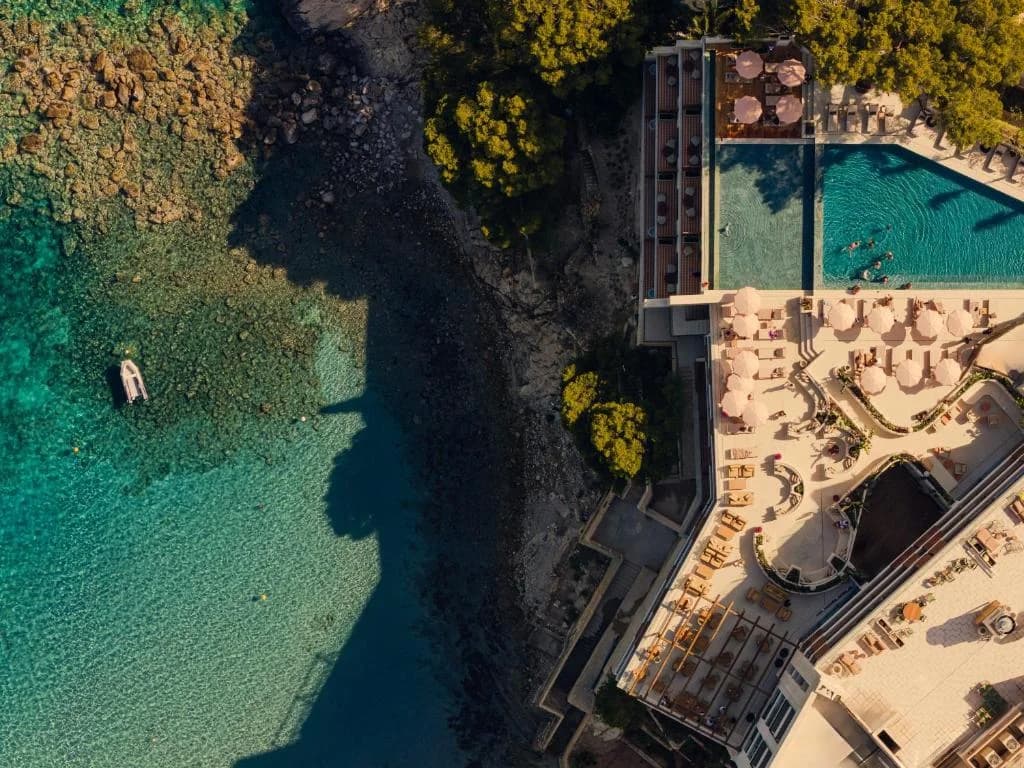
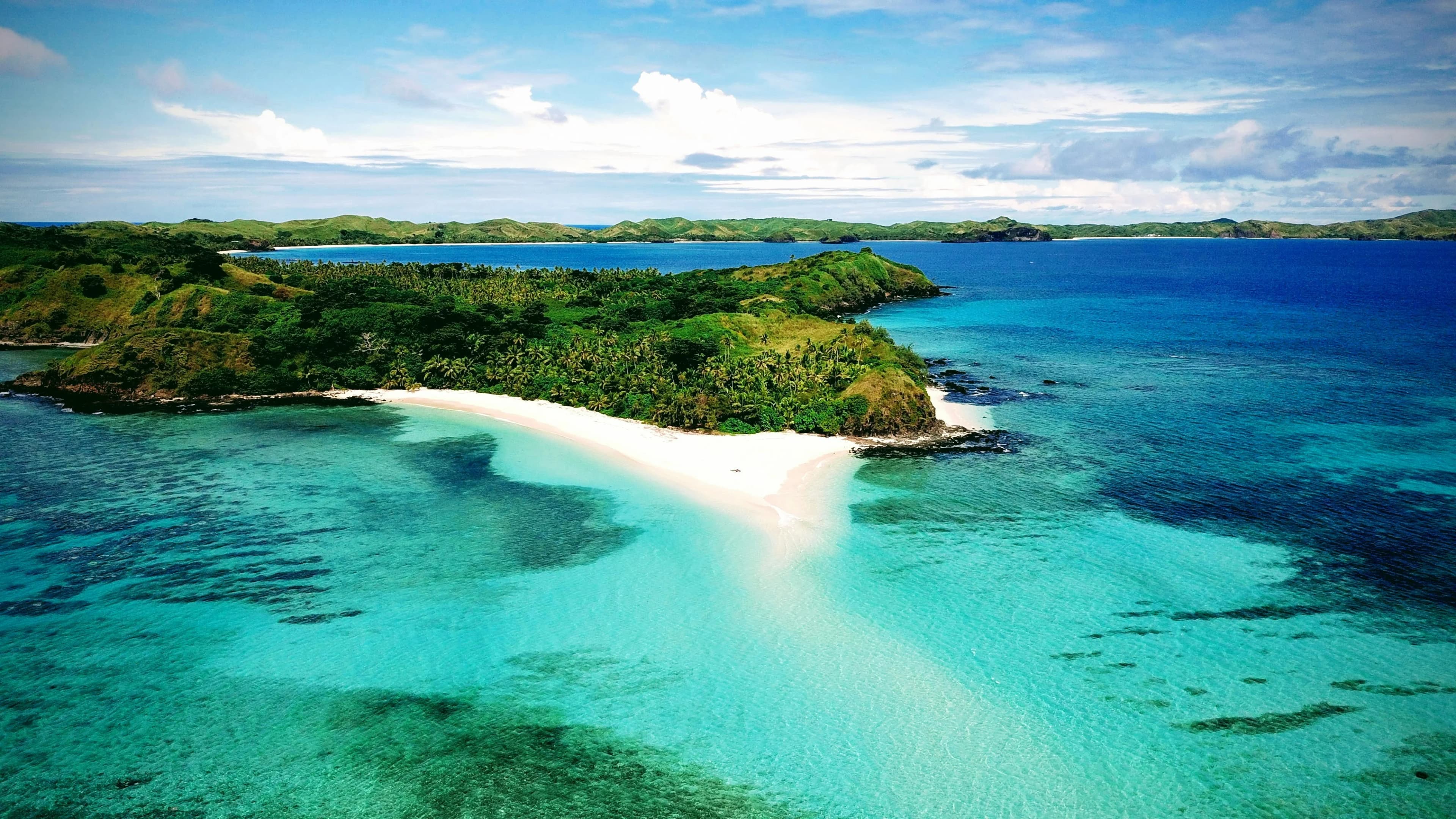
The Mamanuca Group sits just west of Viti Levu and is the most accessible cluster from Nadi International Airport. It contains some of Fiji's most architecturally refined private-island resorts, where bure-style pavilions have been reimagined with contemporary detailing. The Yasawa chain extends further north, more remote and less developed, offering a rawer form of seclusion. Both groups are defined by barrier-reef proximity and the deep blue of the Koro Sea. Suite travellers who prioritise water clarity and island exclusivity typically gravitate toward these archipelagos.
Viti Levu and the Coral Coast
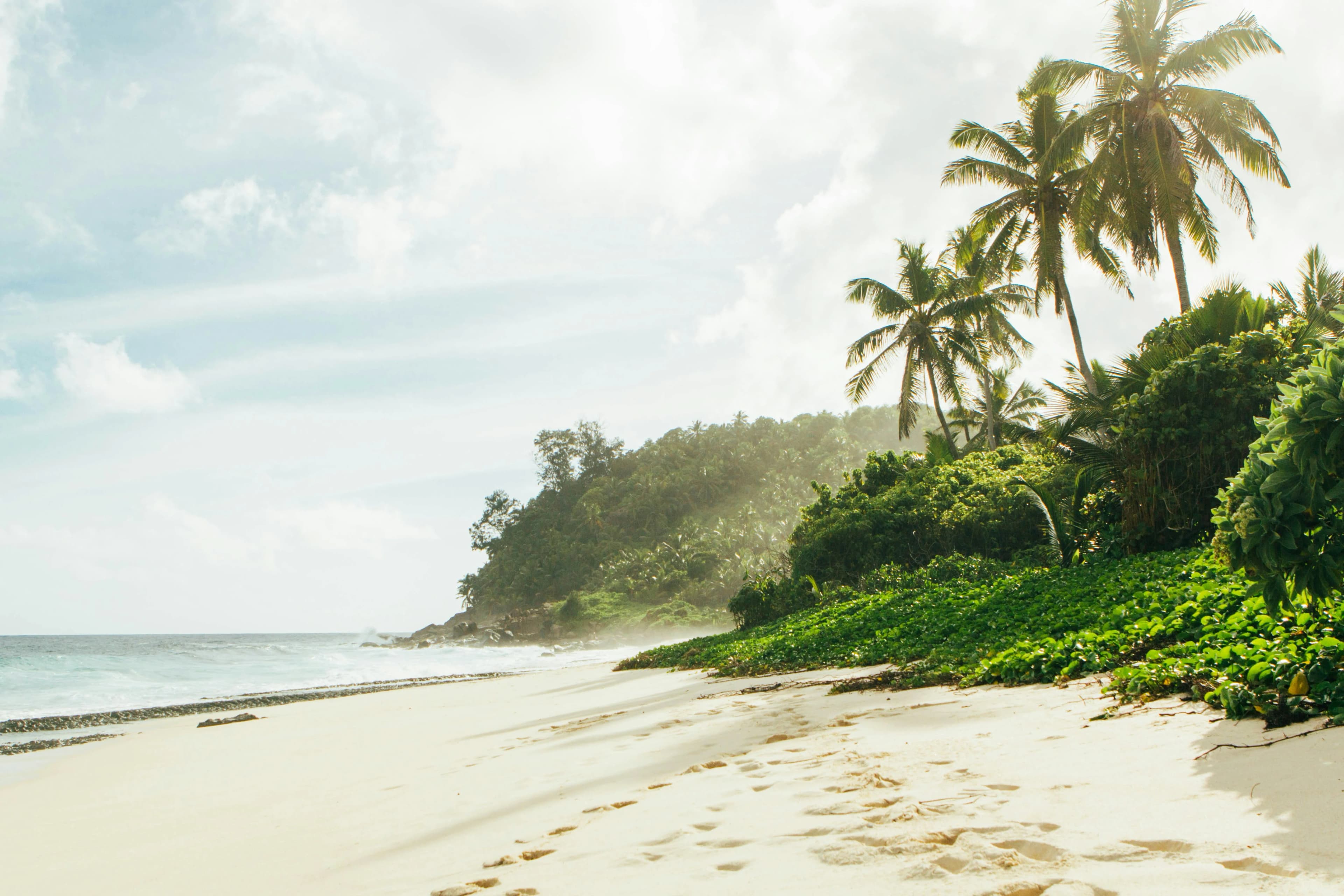
Fiji's main island, Viti Levu, is often underestimated in the luxury context. Its Coral Coast, along the southern shore, hosts properties set against forested hills and fringing reefs. The advantage here is logistical: easier transfer from Nadi, broader infrastructure, and a mix of overwater and garden suite configurations. For travellers combining a Fiji stay with onward Pacific itineraries, Viti Levu functions as an efficient and genuinely beautiful base.
Laucala, Wakaya, and the private-island tier
At the far end of the spectrum sit fully private islands, most notably in the Lomaiviti and northern Lau groups. These are properties where access is controlled entirely by the resort, where suite counts are kept to single figures, and where pricing reflects absolute exclusivity. The experience here is categorically different from any resort context: no shared beach, no other guests visible, and a staff-to-guest ratio that approaches the residential.
When to visit Fiji for a luxury suite stay
Fiji operates on a tropical climate with two primary seasons. The dry season, running from May through October, is the optimal window for most suite travellers. Temperatures sit between 19 and 29 degrees Celsius, humidity is lower, and ocean visibility for diving and snorkelling reaches its peak clarity. This is also the period when Fiji's most sought-after suites experience highest demand, and lead times for certain private-island properties can extend to several months.
The wet season, from November through April, brings higher humidity, periodic cyclone risk, and frequent afternoon rainfall. However, this period also offers reduced rates at many properties, a marked drop in visitor numbers, and a lushness to the landscape that the dry season does not replicate. Travellers who can accept some weather variability will find the wet season delivers a different but equally compelling register of the archipelago.
There are no major international luxury events anchored to Fiji's calendar in the way that Monaco or St. Barts attract a specific circuit. The draw is geographic and experiential rather than social. This is a destination chosen for disengagement rather than scene, which suits a particular kind of high-net-worth traveller precisely.
Understanding luxury standards in Fiji
Fiji does not operate the French Palace classification or equivalent national prestige labelling. Quality signals here come from property-level indicators: island exclusivity, suite count, architectural approach, staff ratios, and reef access. The term most associated with Fiji's traditional architectural vocabulary is the bure, a thatched-roof structure derived from indigenous Fijian building practice. The finest properties have adapted this form with precision, integrating contemporary materials and spatial logic without erasing the cultural reference.
Overwater bungalows, though more associated with the Maldives and French Polynesia in global perception, exist at select Fijian properties and deliver direct ocean access from the suite floor. However, Fiji's point of difference is less the overwater format and more the combination of island scale and reef health. The Great Astrolabe Reef and the Somosomo Strait rank among the most biodiverse reef systems in the Pacific, and the best suites position guests within direct reach of these environments.
Butler service, private dining, and chartered transfers by seaplane or helicopter are standard features at the top tier of Fijian luxury hotels. Seaplane arrivals from Nadi to remote island properties are a functional element of many itineraries, not a theatrical add-on, and suite packages typically integrate this transfer as a baseline.
How to choose the best suite in Fiji
The primary choice architecture in Fiji is between island exclusivity and accessibility. A private-island property with four suites offers something structurally different from a 40-suite resort on a larger island, regardless of how both are rated. Travellers for whom total privacy is the non-negotiable criterion should prioritise properties with controlled island access and low suite counts, accepting that transfers will be longer and logistics more complex.
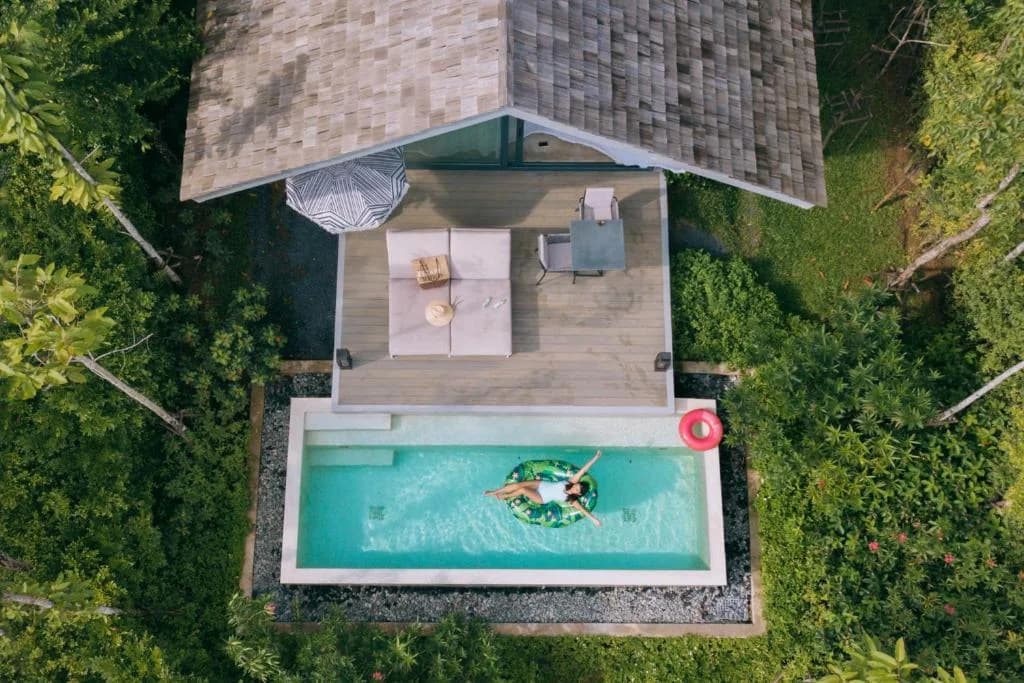
The second major consideration is water orientation. Overwater suites face the ocean directly and offer immediate marine access, but they also expose guests to wind, are typically elevated above the reef rather than adjacent to beach, and suit a specific kind of traveller comfortable with open water beneath them. Beach bungalow suites and hillside pavilions with private pools offer a different spatial relationship with the landscape, often quieter and more grounded in the island's topography.
For families or groups, suite configuration matters enormously. Several Fijian properties offer two-bedroom or multi-pavilion suite formats that maintain privacy between sleeping areas while sharing a central living and pool space. These configurations are particularly well-suited to multigenerational travel, which is a growing segment in Fiji's luxury market.
Practical considerations include transfer time from Nadi, which can range from 20 minutes by seaplane to three-plus hours by boat depending on the property. Climate zone within the archipelago also matters: the northern islands tend to be drier year-round than the south, which can influence the seasonal calculus considerably.
Why curation matters for Fiji specifically
Fiji presents a specific curation challenge: the archipelago contains hundreds of properties across a wide quality range, and marketing materials across the sector have historically leaned toward generic tropical imagery that obscures meaningful distinctions between tiers. A property described as a private island may share that island with another resort. A suite described as overwater may sit above a shallow, low-visibility lagoon rather than open reef.
The curated selection by La Suite addresses this directly. The eight properties presented on this platform have been assessed against criteria of spatial quality, architectural integrity, reef and natural environment access, genuine privacy conditions, and service calibre. The selection is deliberately small. Fiji rewards precision rather than volume, and the traveller who arrives at the right property for their specific priorities will have an experience that a broader, less filtered search rarely produces.