Where to stay in Nassau: understanding the city's distinct luxury zones
Downtown Nassau and the Cable Beach corridor carry the weight of the city's history. The British colonial grid, the painted facades along Bay Street, and the proximity to the official government quarter give this area a formal, almost civic quality. Properties here tend to occupy restored or heritage-adjacent buildings, and suites in this zone often offer harbour views and direct access to the Nassau cultural circuit: the Queen's Staircase, Fort Fincastle, and the Junkanoo Museum.
Cable Beach, stretching west of downtown, is the more contemporary resort corridor. The beachfront here is wider and more consistently accessible than in the city centre, and several large-format luxury hotels have established their flagship suites along this strip. The atmosphere is more self-contained, oriented toward the beach rather than the city's civic life.
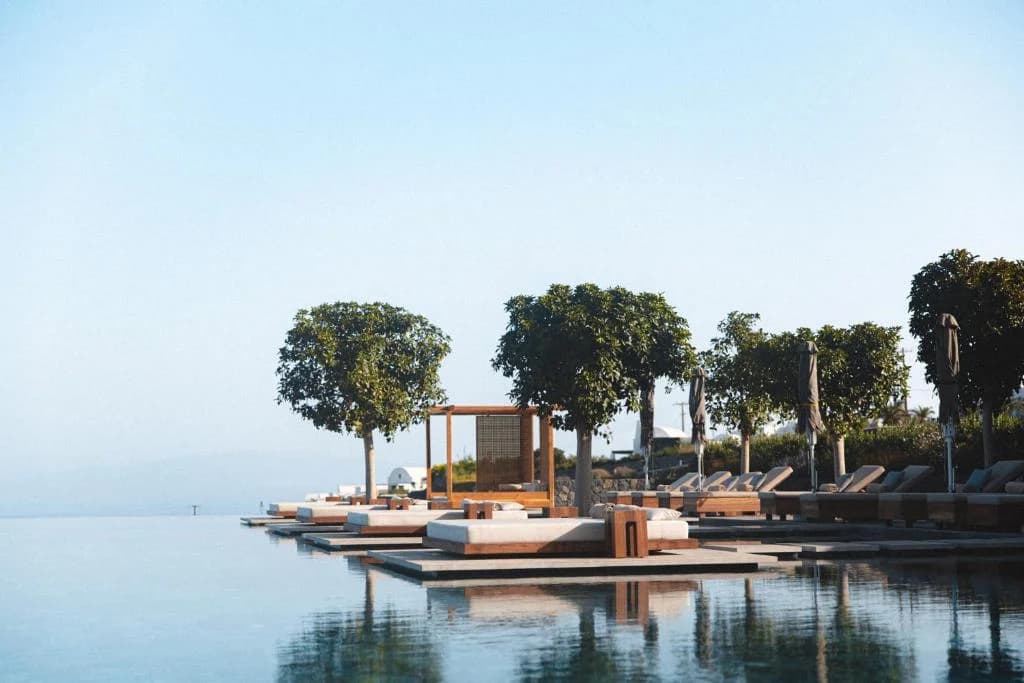
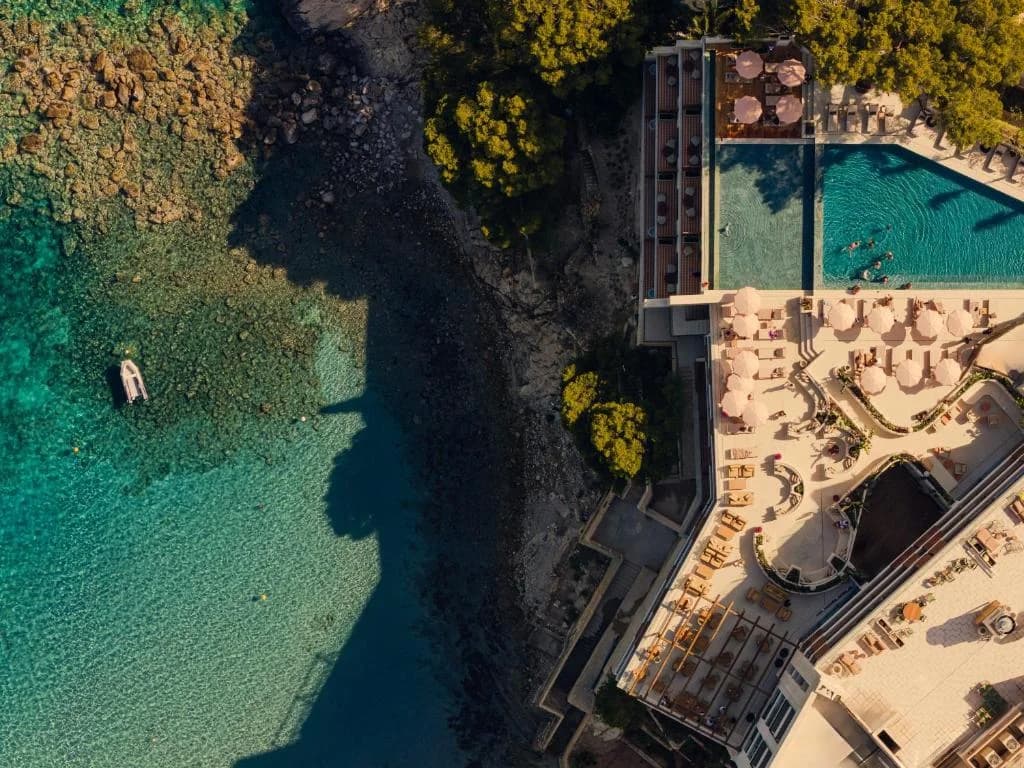
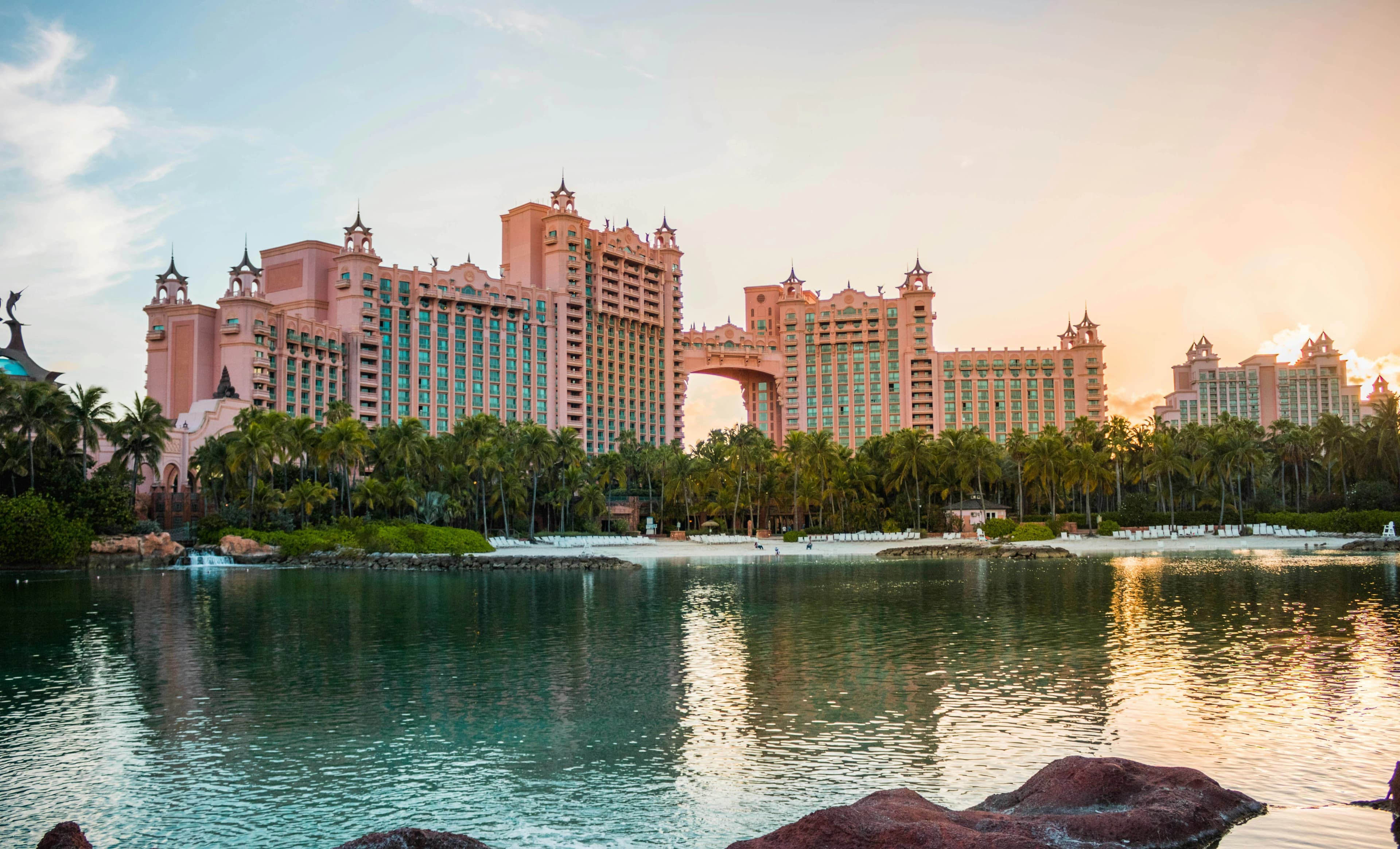
Paradise Island operates almost as a separate destination. Accessed by bridge or water taxi, it concentrates some of the highest suite inventory in the Bahamas, with properties designed around private beach access, marina frontage, and resort-scale amenity. Travellers who prioritise absolute separation from the city's activity tend to gravitate here.
When to visit Nassau for a luxury suite stay
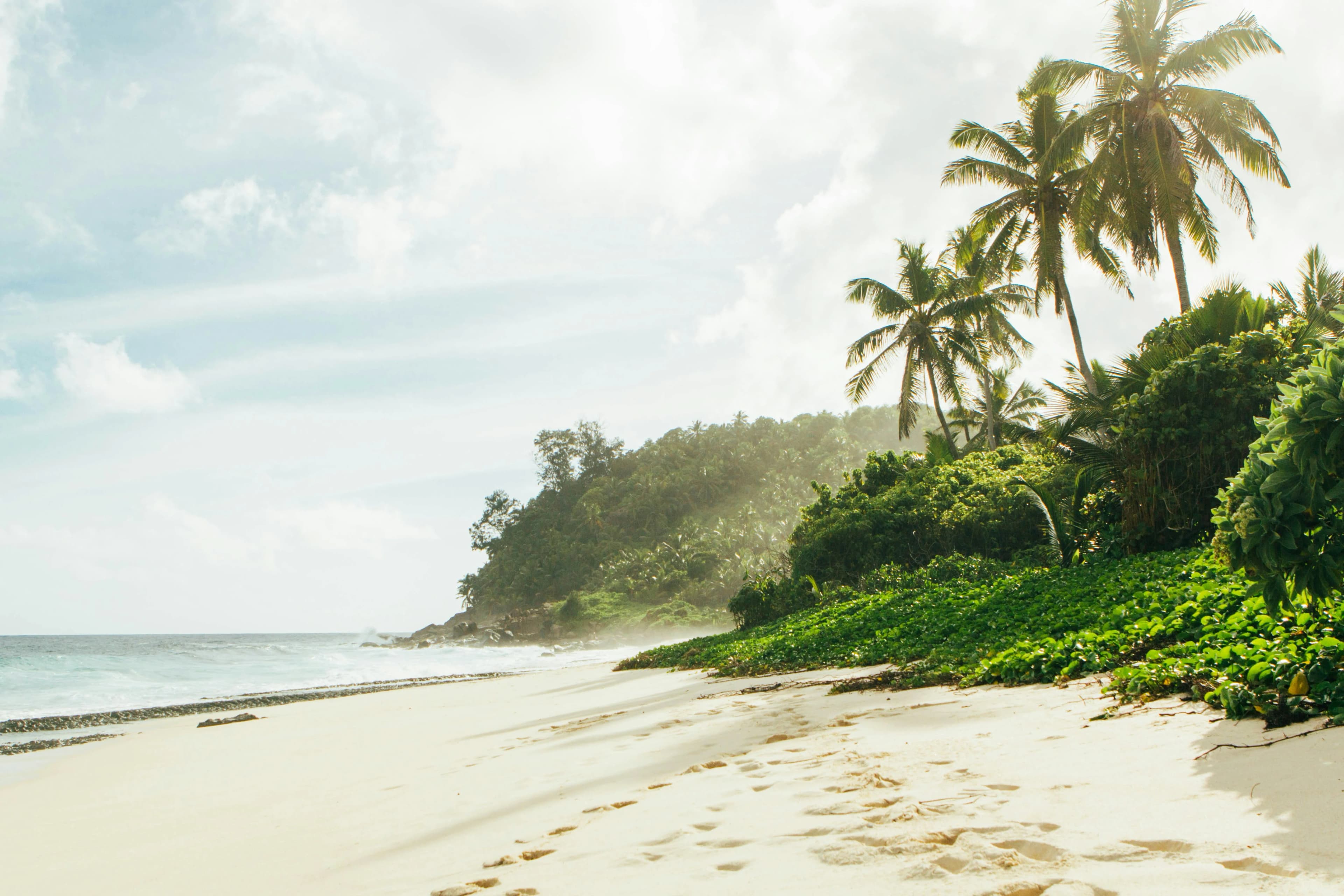
The Bahamas sits in a subtropical climate zone, which produces two broadly distinct seasons. The dry season runs from December through April, corresponding with the peak of North American and European winter travel. Temperatures during this period hold between 21 and 27 degrees Celsius, humidity is manageable, and the Atlantic remains calm enough for reliable water access. Suite rates across Nassau's top-tier properties peak during this window, particularly over the Christmas and New Year period and again around the Presidents' Day weekend in February.
The summer months, May through August, bring higher humidity and warmer water temperatures, approaching 29 degrees Celsius. Hurricane season officially runs from June through November, with peak activity concentrated in August and September. Many high-end travellers find that visiting in late spring or early November offers a practical compromise: lower rates, reduced occupancy, and conditions that remain generally favourable. Properties occasionally offer suite upgrades and extended-stay incentives during these shoulder periods.
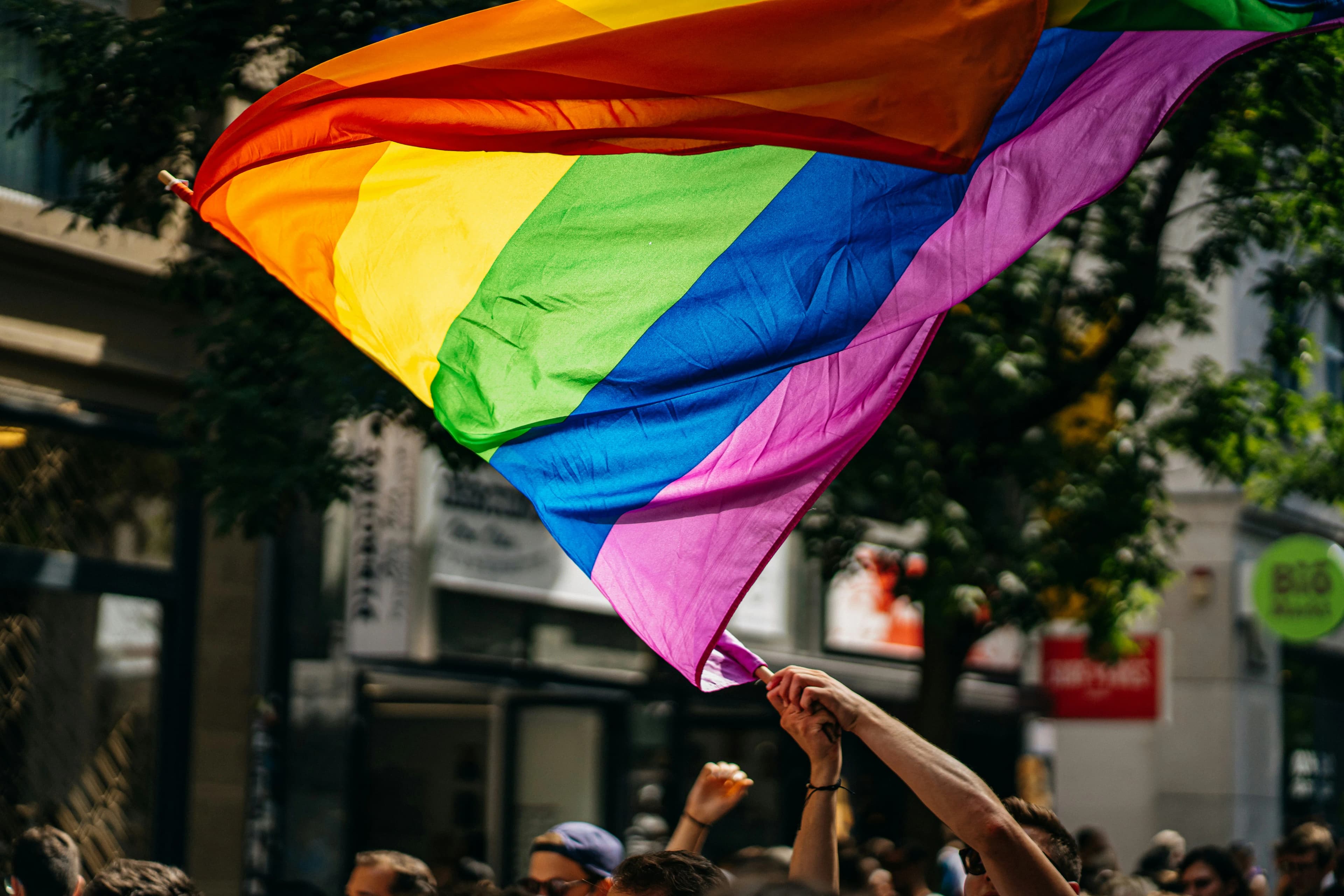
Junkanoo, the Bahamian street parade tradition rooted in West African cultural heritage, takes place on Boxing Day (26 December) and New Year's Day. These events bring significant energy to the streets of Nassau and represent one of the Caribbean's most distinctive cultural experiences. Securing a suite during this window requires advance planning, often six months or more for the most sought-after properties.
Understanding luxury standards in Nassau and the Bahamas
The Bahamas does not operate a formal national hotel classification system equivalent to France's Palace designation or Singapore's formal tiering. Quality at the upper end is instead signalled through brand affiliation, suite footprint, staff-to-guest ratios, and the degree of private access each property can guarantee.
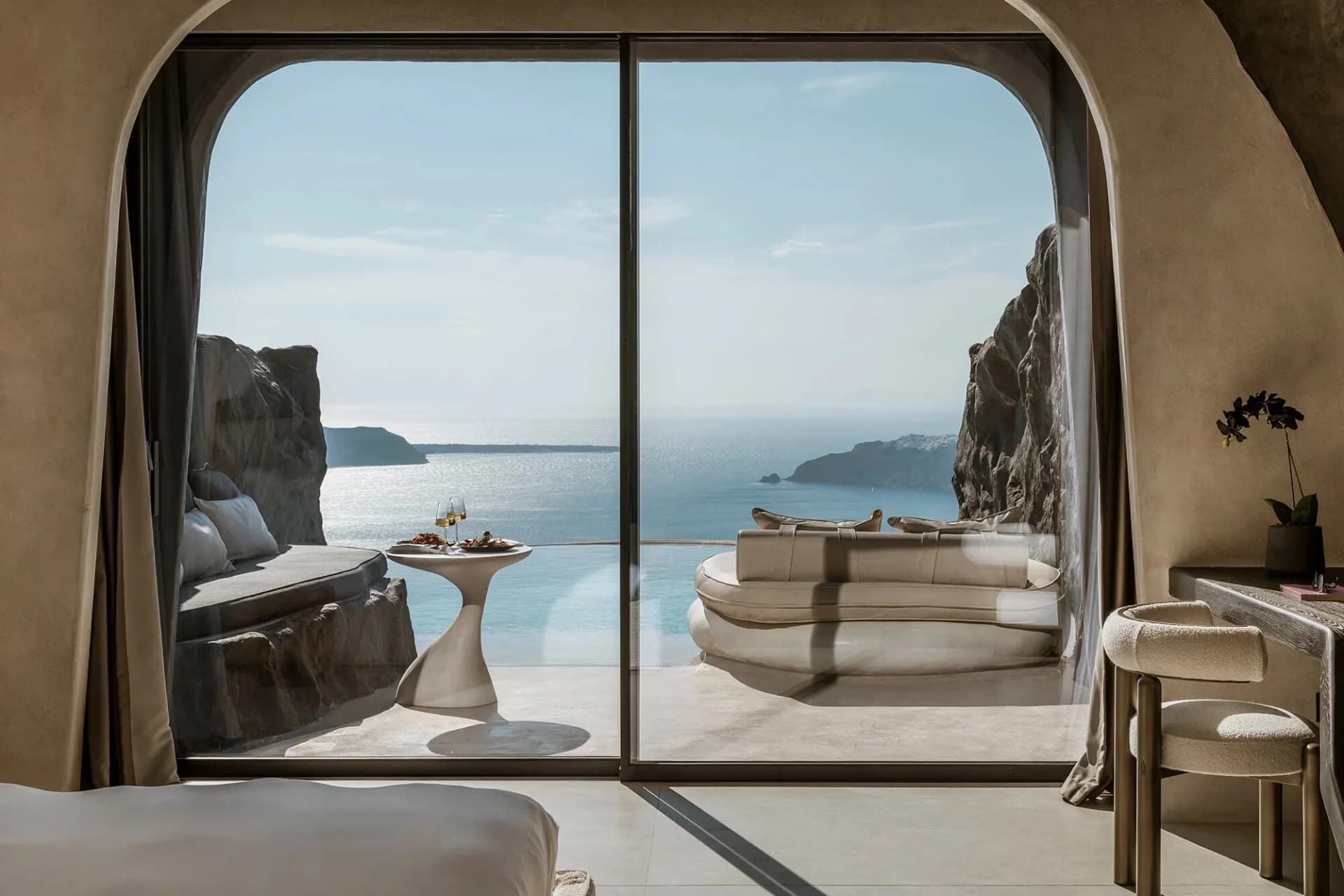
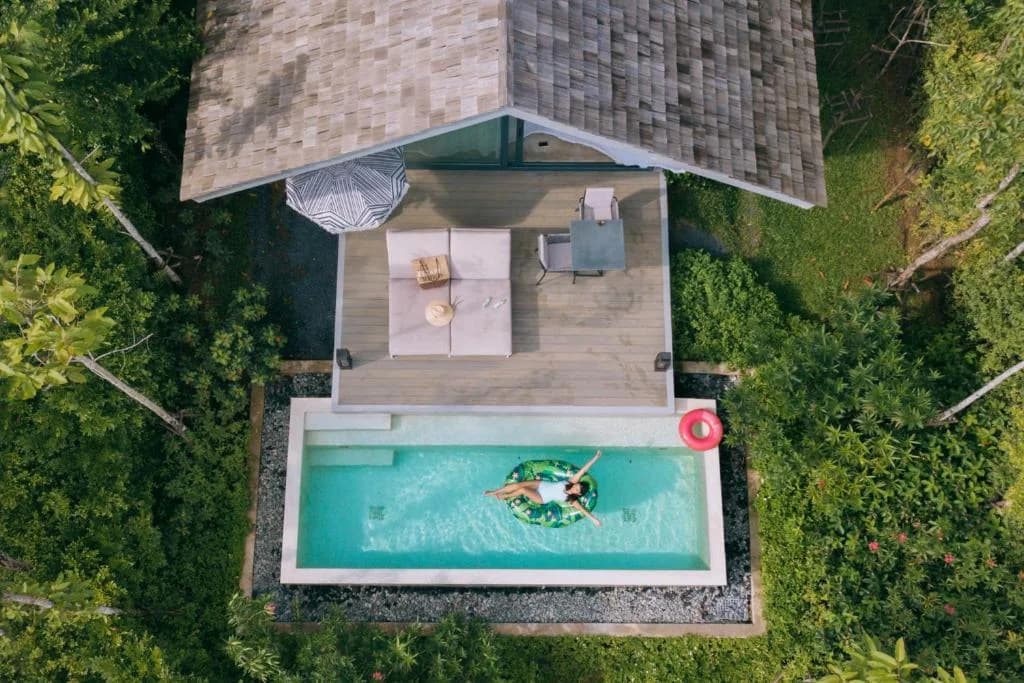
At the highest tier, Nassau and Paradise Island host properties affiliated with internationally recognised luxury hotel groups, where penthouse and villa-style suites can exceed 400 square metres and include private plunge pools, dedicated butler service, and direct beach or marina access. These are properties where the suite itself functions as the primary experience, not merely as accommodation adjacent to a resort.
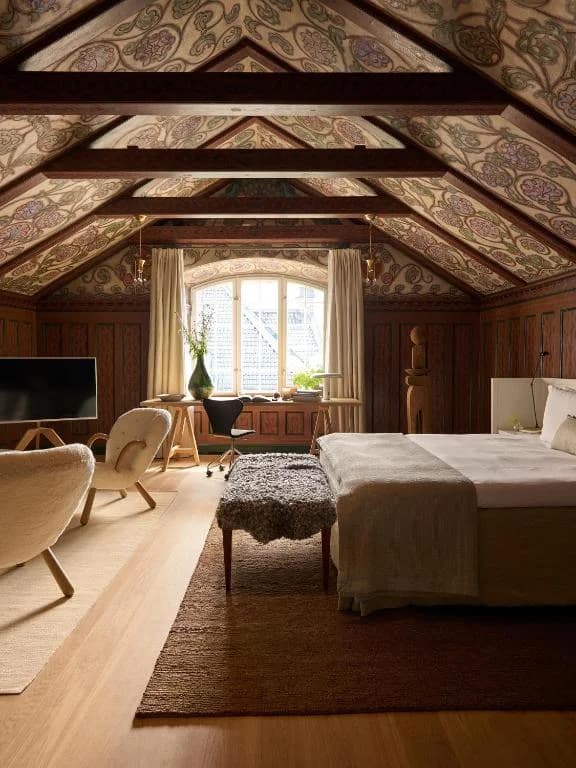
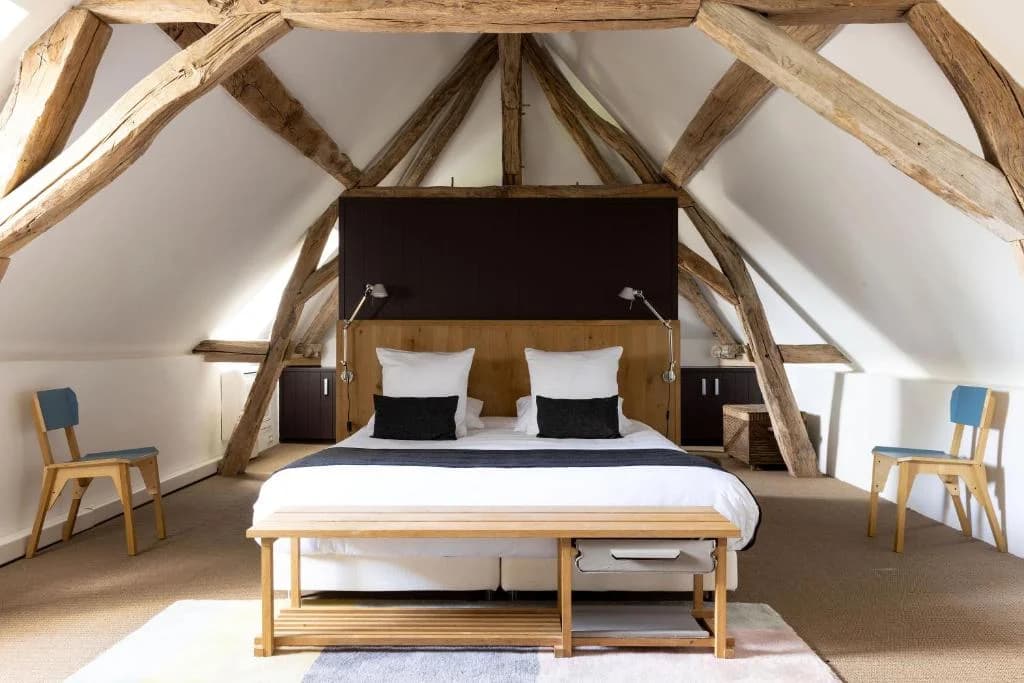
A second tier of carefully managed boutique properties offers smaller suite counts, more considered interior programmes, and a closer relationship to the city's architectural identity. These properties tend to attract travellers who want proximity to Nassau's cultural and commercial life without the scale of a full resort complex.
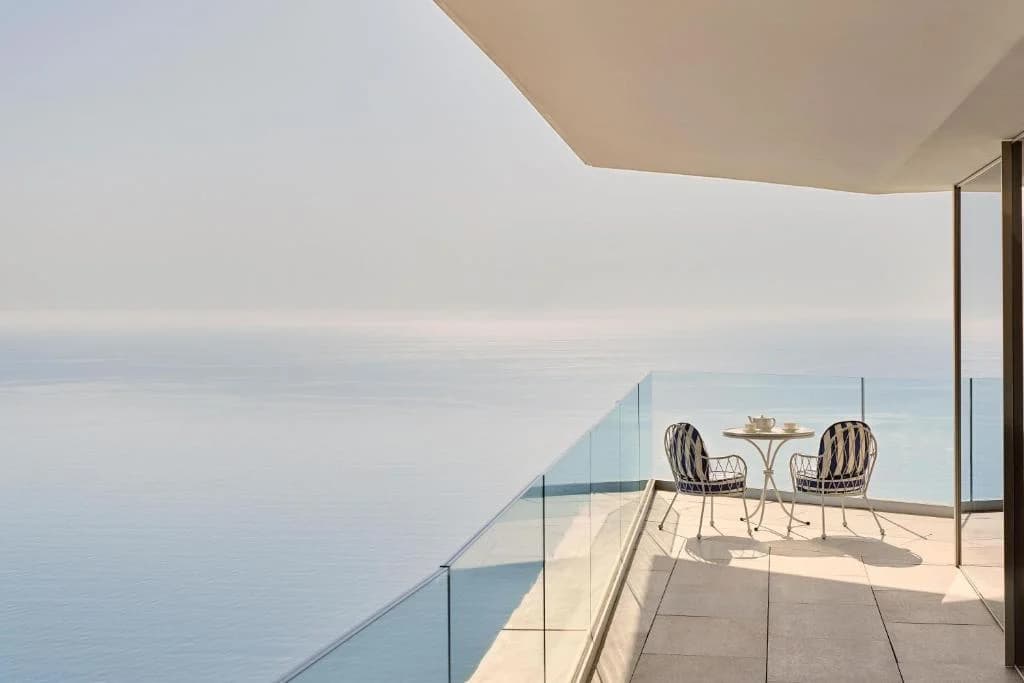
One standard worth understanding is the distinction between an ocean-view suite and a true oceanfront suite. In Nassau's denser resort corridors, this difference can be significant in both experience and price. Confirming floor level, orientation, and the nature of private outdoor space is essential before committing to any booking.
How to choose the best luxury suite in Nassau
Several factors specific to Nassau should shape the suite selection process. The first is proximity preference: city-facing suites in the downtown corridor offer a fundamentally different sensory experience to beachfront suites on Cable Beach or Paradise Island. Neither is categorically superior, but they serve distinct travel intentions.
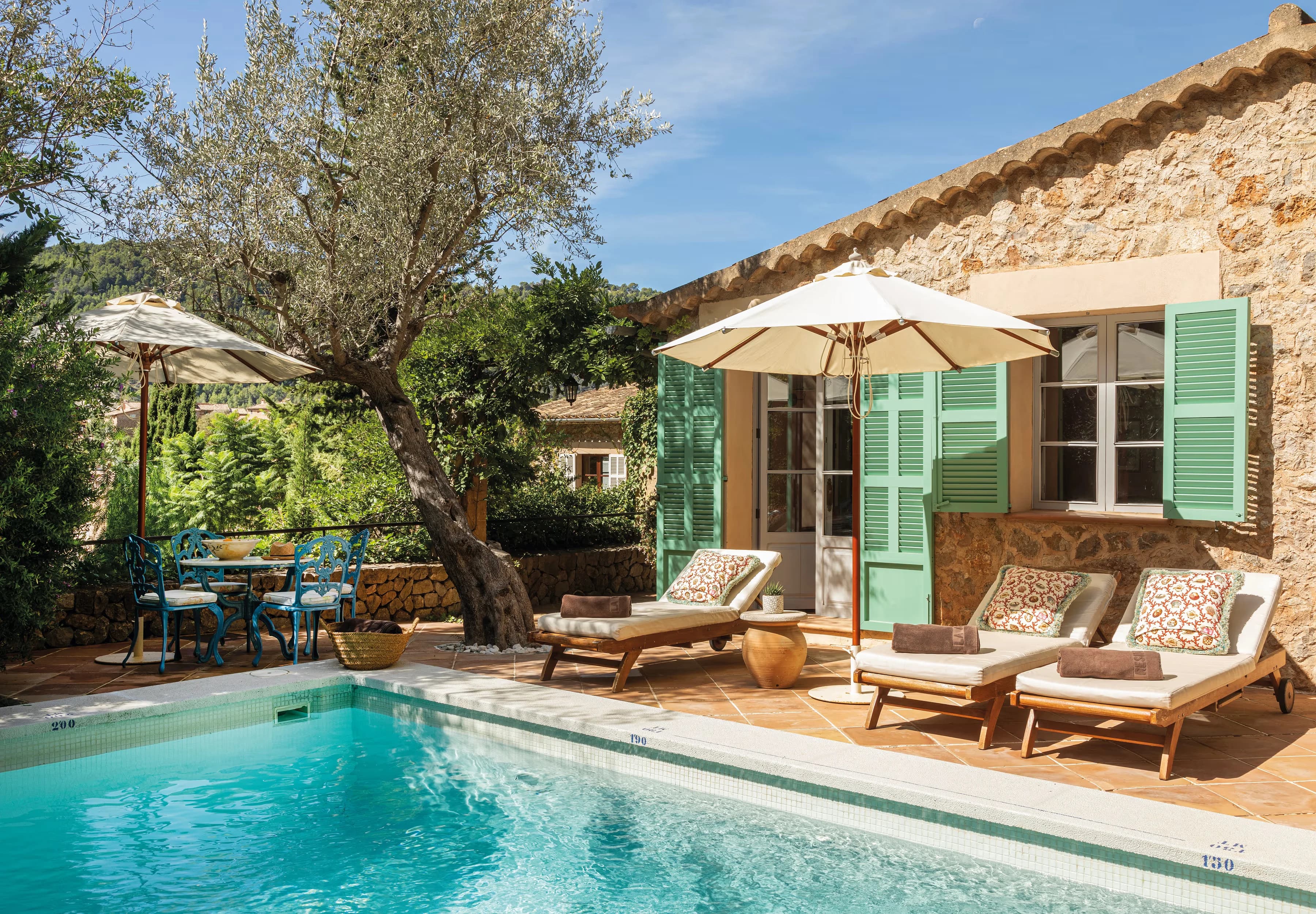
Architectural character is a second consideration. Nassau contains a small number of properties that have integrated the British colonial vernacular into their design programme, using louvred shutters, wraparound verandas, and local stone. Others are contemporary in structure, prioritising glass, ocean orientation, and resort-scale facility. Travellers with a strong preference for one register over the other should verify the property's design approach before booking.
Private access to the water is a practical concern that is easy to underestimate. Several Nassau properties market beach proximity that translates, in practice, to a shared public beach or a narrow strip of managed sand. Suites that guarantee private beach access, a dedicated dock, or direct pool access from the suite terrace represent a meaningfully different proposition.
Finally, consider the logistics of island mobility. Nassau serves as the hub for day trips and overnight excursions to the outer Exuma Cays, Harbour Island, and the Eleuthera coast. Some luxury hotel properties offer dedicated concierge arrangements for private seaplane or chartered yacht transfers to these destinations. For travellers intending to use Nassau as a base for broader Bahamian exploration, a suite at a property with strong in-house travel infrastructure is a structural advantage.
Why curated selection matters in Nassau
Nassau's luxury hotel market contains genuine quality alongside significant variation. The city's growth as a resort destination over the past three decades has produced a dense inventory of properties that market themselves at the upper end without always delivering at that level in terms of suite experience, privacy, or service consistency.
La Suite applies a consistent editorial standard across every property in its selection: suite footprint, design integrity, staff quality, and the degree to which the property can deliver a genuinely private and considered experience. In a market like Nassau, where brand recognition alone is not a reliable proxy for suite quality, this curatorial layer removes the ambiguity from the decision process.
The curated selection by La Suite for Nassau and the broader Bahamas reflects properties where the suite is the central proposition, not an ancillary category. For travellers approaching this destination with deliberate intent, that distinction is the most useful place to begin.