

Nekajui Peninsula Papagayo, a Ritz-Carlton Reserve, Liberia
BarSpa and wellness centerSwimming poolRestaurant
More informationBOOK ON Booking.com
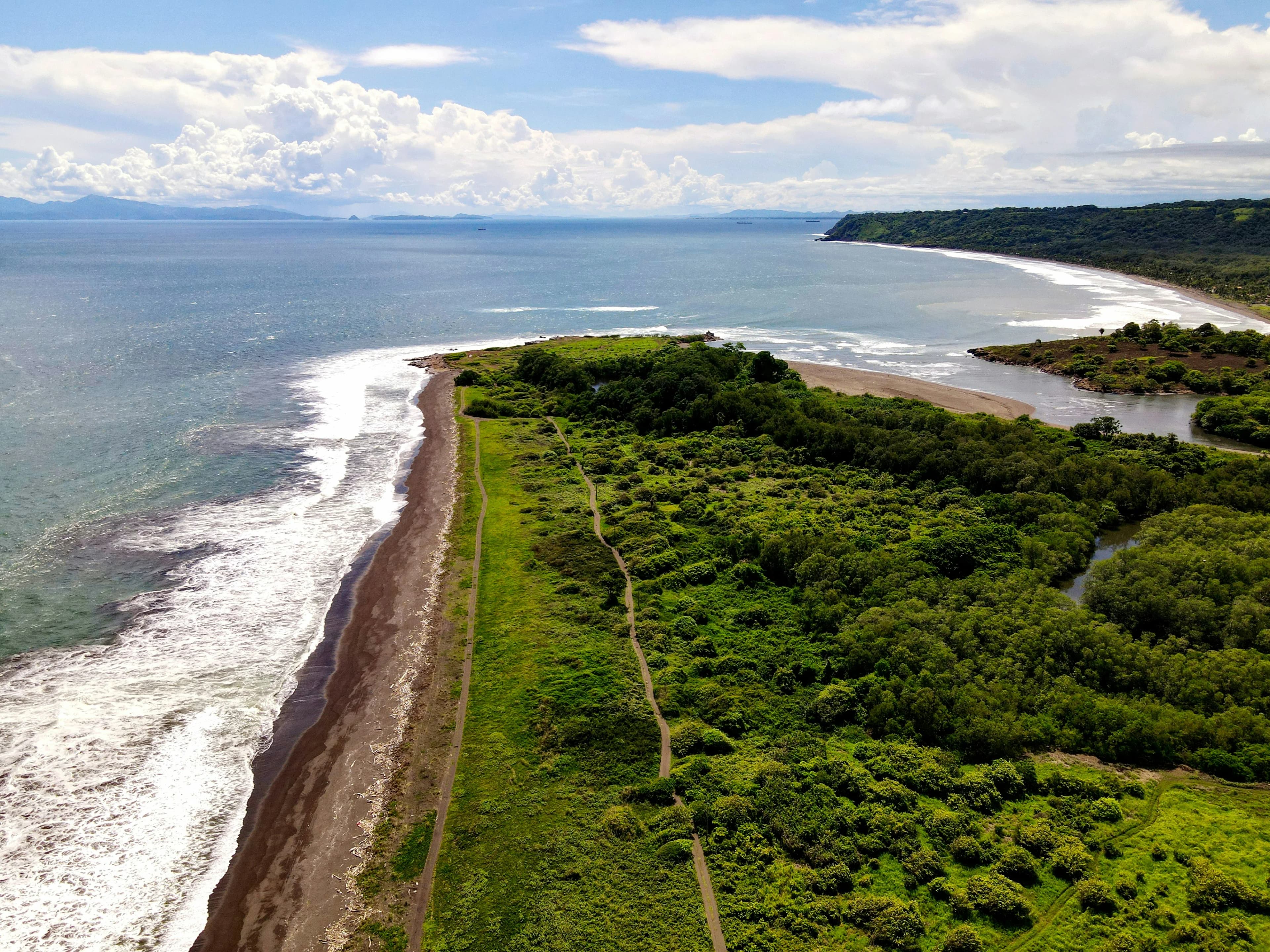
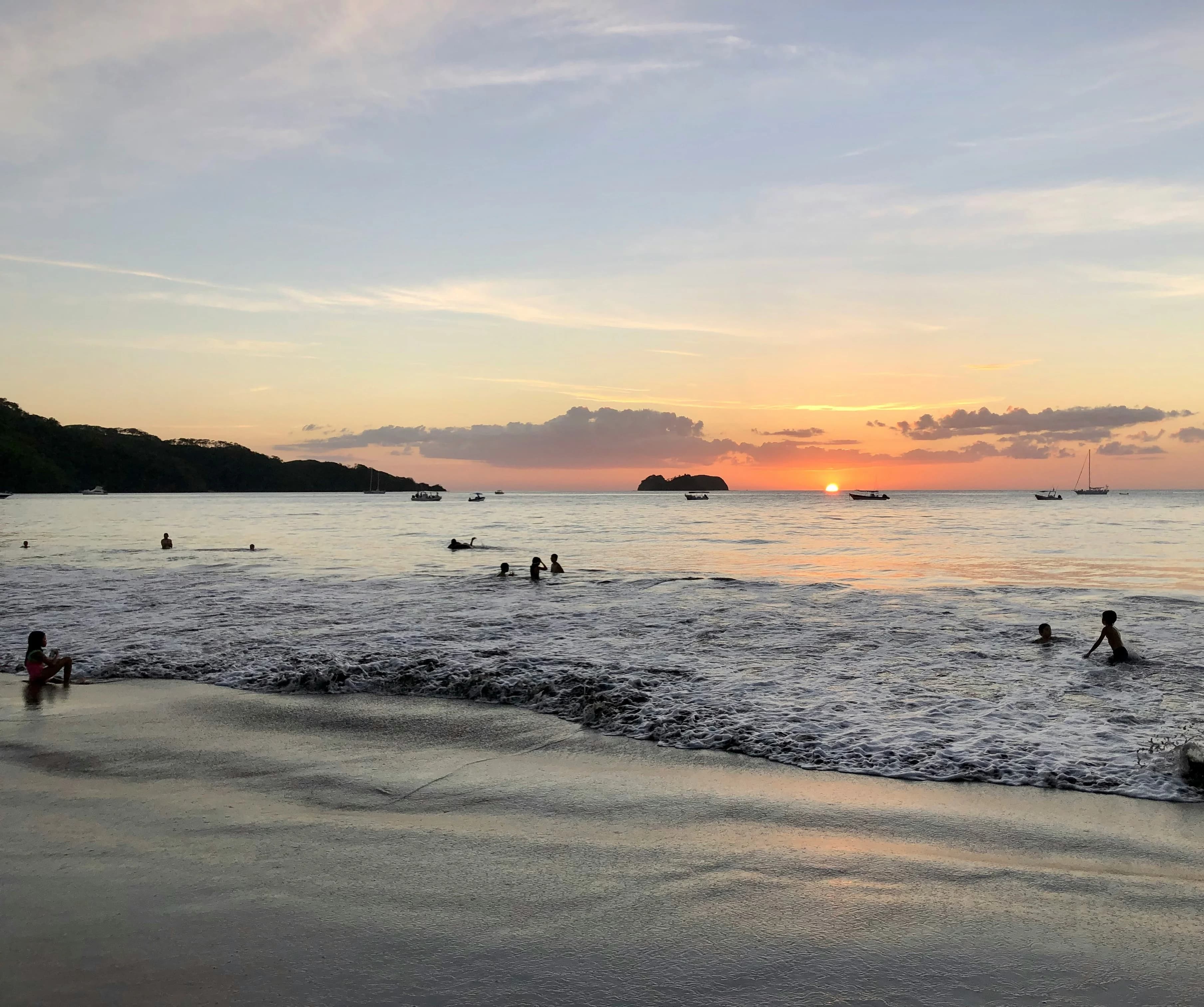
Facing the beachfront, Nekajui Peninsula Papagayo, a Ritz-Carlton Reserve offers 5-star accommodations in Papagayo, Guanacaste and has a garden, bar and spa and wellness center. The property is around


Two-Bedroom Suite with Ocean View
1 bedroom · 5 guests
The suite has sea views.
Discover


Suite with King Bed, Ocean View and Balcony
1 bedroom · 3 guests
The suite has sea views.
Discover


Ocean Reserve King Suite with Ocean View and Balcony
1 bedroom · 3 guests
Guests can enjoy a balcony and sea views.
Discover

Ocean Vista Suite with King Bed, Sofa Bed and Ocean View
1 bedroom · 3 guests
The suite has sea views.
Discover


Reserve Canopy Suite with King Bed, Forest View and Balcony
1 bedroom · 3 guests
The suite features a balcony.
Discover
Two-Bedroom Suite with Ocean View and Outdoor Shower
1 bedroom · 4 guests
The suite has sea views.
Discover


King Suite with Ocean View and Balcony
1 bedroom · 3 guests
The suite has sea views.
Discover


Nekajui Grand Villa Three-Bedroom Suite with Outdoor Shower and Pool
1 bedroom · 6 guests
Discover


Suite with Ocean View and Outdoor Shower
1 bedroom · 4 guests
The suite features sea views.
Discover
See the other suites