Where to stay in Honduras for a luxury suite experience
The Bay Islands: Roatan, Utila, and Guanaja
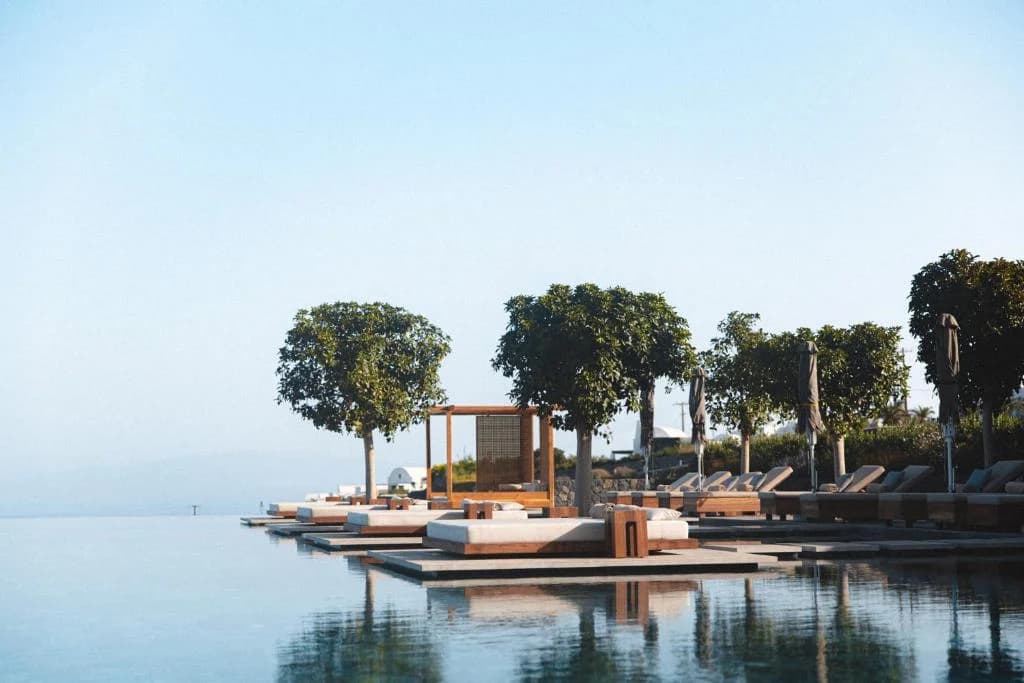
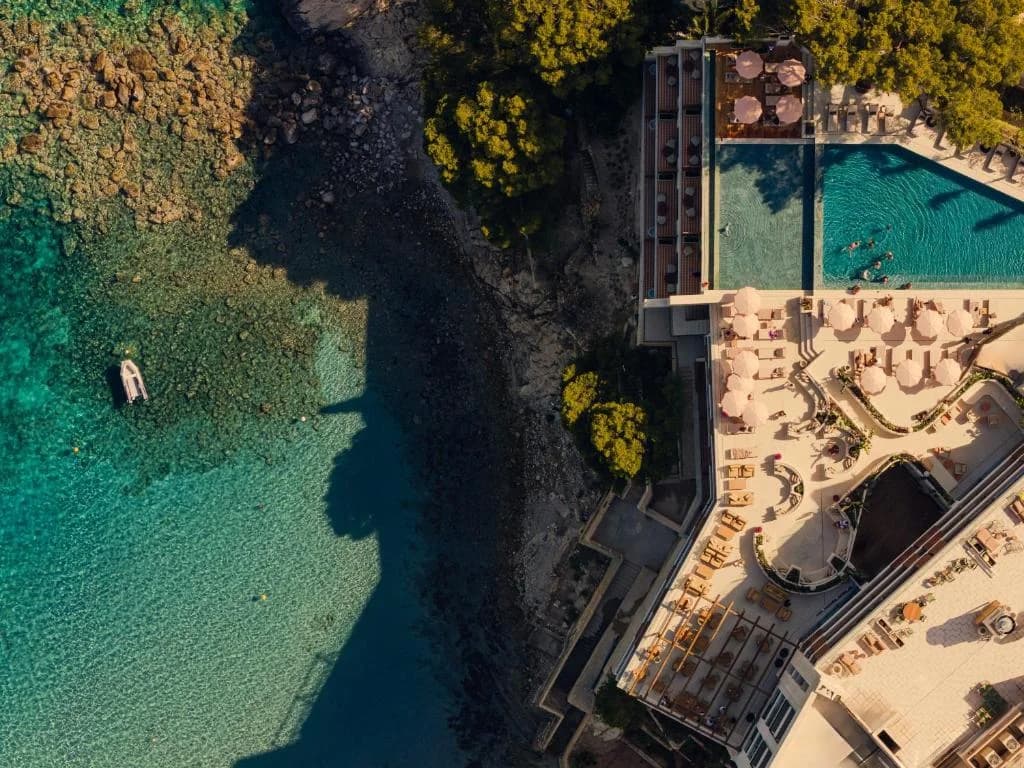
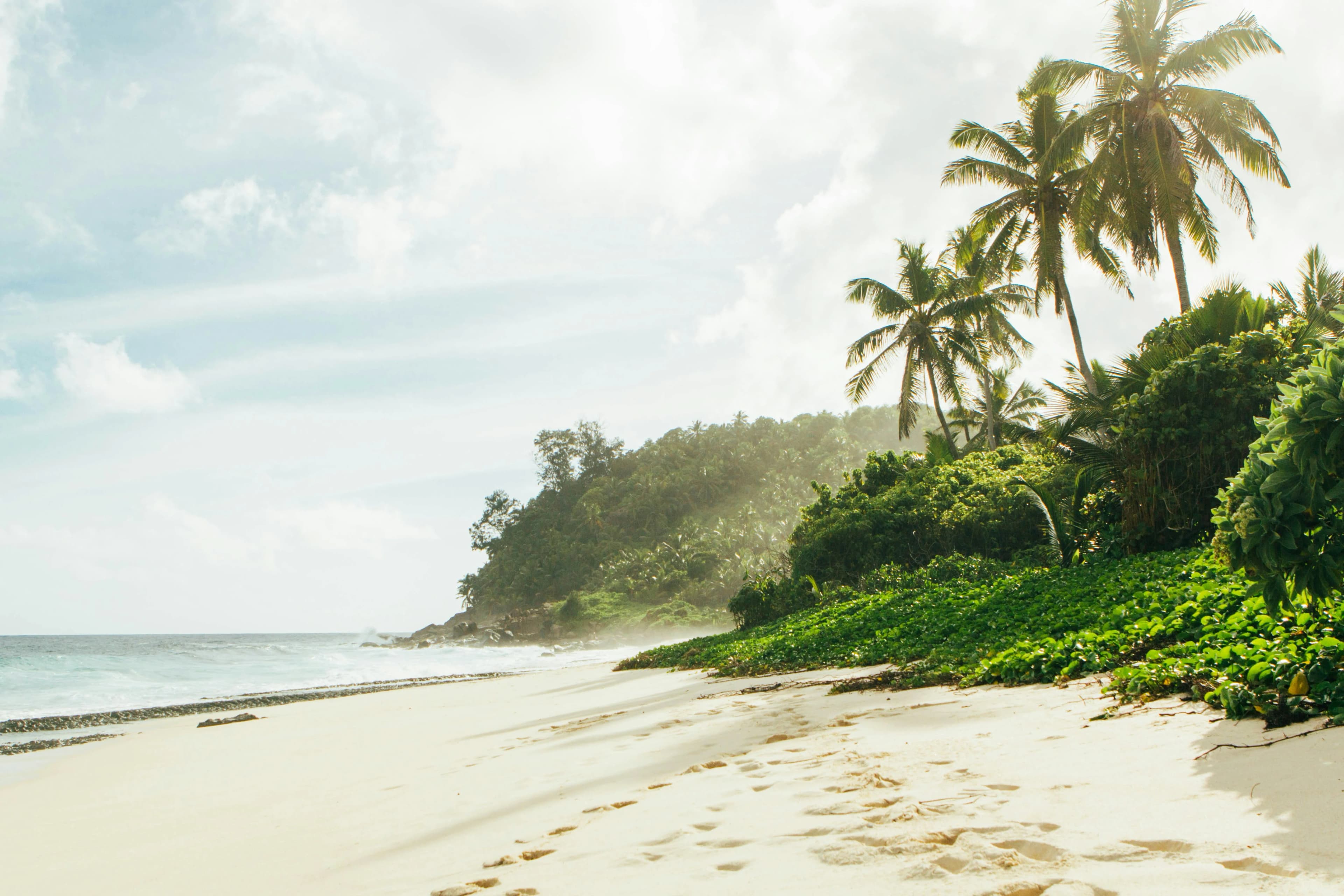
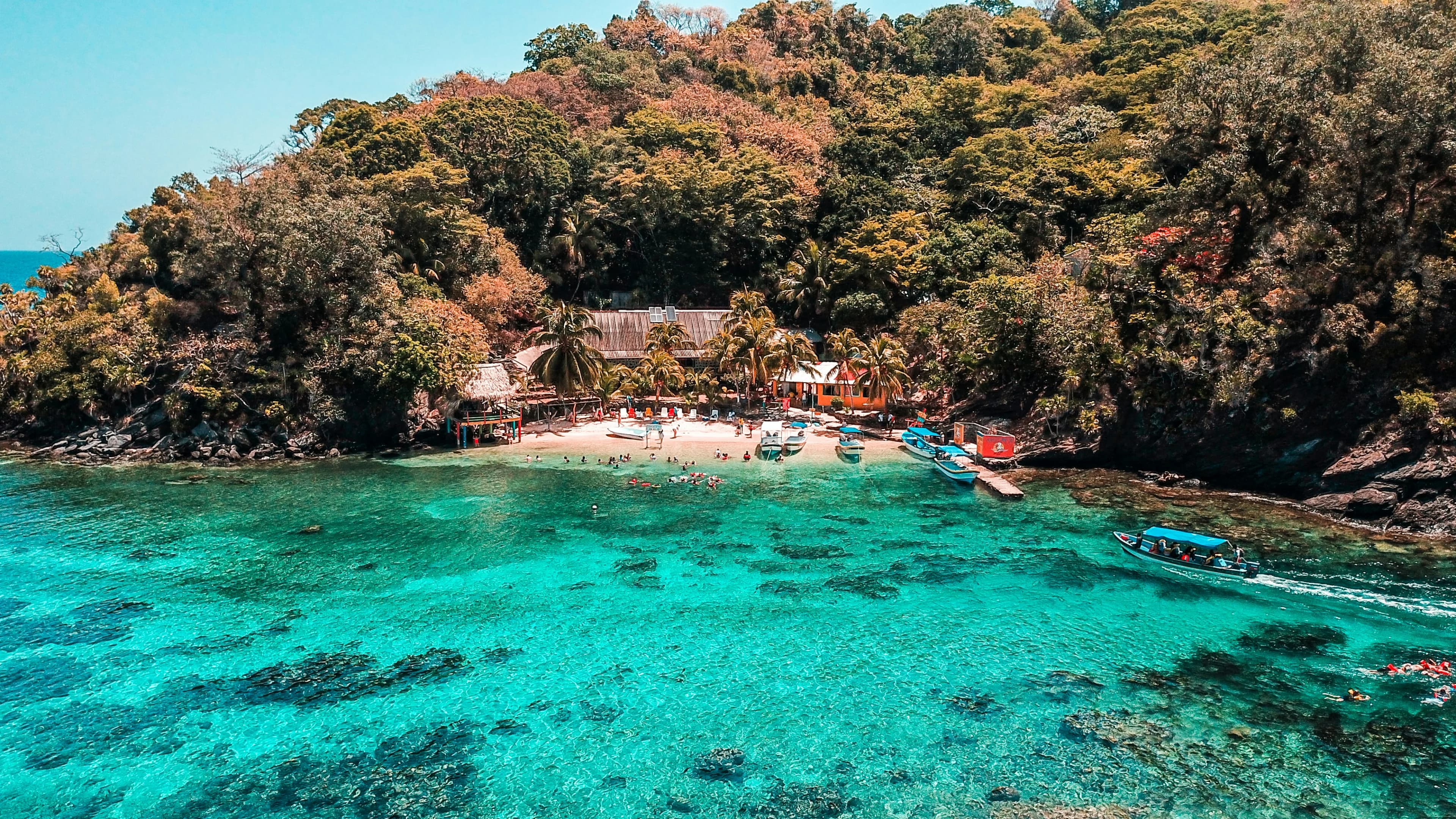
The Bay Islands sit in the Caribbean Sea off the northern coast and represent the most internationally developed luxury corridor in the country. Roatan, the largest of the three, has attracted a concentration of boutique properties and private-villa-style resorts oriented around the Mesoamerican Barrier Reef, the second-largest coral reef system in the world. Stays here are structured around marine access: diving, snorkeling, and boat-based exploration. Properties with overwater or reef-facing suites offer a direct, architectural relationship with the water. Guanaja remains considerably less developed, which makes it the right address for travelers who prioritize isolation over infrastructure.
The north coast and the Garifuna corridor
The northern mainland coast, stretching from Puerto Cortés toward Trujillo, carries a cultural register that is distinct from anything else in Central America. The Garifuna communities along this coastline maintain a living tradition of music, food, and ritual that is recognized by UNESCO. Properties in this corridor tend toward smaller-scale, owner-operated design, and suites here deliver proximity to that cultural texture rather than resort-grade distance from it.
Copán Ruinas and the western highlands
The town of Copán Ruinas in western Honduras serves as the access point for the Maya archaeological site of Copán, a UNESCO World Heritage Site known for its sculptural complexity and hieroglyphic stairway. The surrounding region is highland, temperate, and quiet. Boutique properties here place guests within walking distance of the ruins, and the quality of the suite experience is measured in calibrated silence, high-thread-count linen, and considered food programs drawing on local agriculture.
Tegucigalpa and the colonial interior
The capital city and the colonial towns of the western interior, including Gracias and Santa Rosa de Copán, offer a different type of stay: one rooted in history, architecture, and urban culture. Luxury accommodation in this zone tends to occupy restored colonial structures, and the suite experience is defined by proportion, patina, and the texture of well-maintained historic buildings.
When to visit Honduras for a high-end suite stay
Honduras operates on a climate calendar that varies significantly by region, and the timing of a visit should be calibrated to the specific zone rather than the country as a whole.
The dry season across most of Honduras runs from November through April. For the Bay Islands, this period delivers optimal visibility for diving and clear Caribbean conditions, and suite availability at higher-end properties is most competitive from late December through early March. Booking well in advance for this window is an operational necessity, not a suggestion.
The northern coast and the interior highlands receive significant rainfall between June and October. Travel to Copán or the cloud forest regions of La Tigra National Park during the dry months of January through April delivers the most comfortable conditions for outdoor engagement alongside a suite-based stay.
Honduras has no single luxury event calendar on the scale of comparable destinations, but the annual Feria Juniana in San Pedro Sula in June and cultural festivals in the Garifuna corridor across the year provide a meaningful counterpoint to the country's natural draw. Travelers interested in cultural immersion alongside high-end accommodation should research the Garifuna Settlement Day in November, which is observed with particular depth along the northern coast.
Understanding luxury standards in Honduras
Honduras does not operate a formal palace hotel classification on the model of France or Spain. The country's hospitality sector is structured around international star ratings and independent certification systems, and the highest-tier properties tend to be affiliated with international brands or owned by operators with a clear design mandate.
In practical terms, a top-tier suite in Honduras at a Bay Islands resort will be assessed on: the quality of its marine access, the privacy of its sightlines, the caliber of its service staff, and the design coherence of the space. In the interior and at archaeological sites, the standard shifts toward architectural integrity, cultural programming, and the quality of the food and beverage offer.
Travelers should also note that Honduras sits within a broader Central American luxury tier that is still developing its international profile. This means that exceptional properties can be found at price points that would be significantly higher in comparable Caribbean or Mexican destinations. The value equation is favorable, but it requires informed selection to identify the genuinely high-standard addresses from the merely aspirational ones.
How to choose the right suite in Honduras
The decision framework for Honduras is primarily geographic, and secondarily architectural. Before selecting a property, the traveler should define the type of landscape engagement they seek: reef, rainforest, ruins, or colonial architecture. These four typologies correspond to distinct regions and distinct types of suite experience.
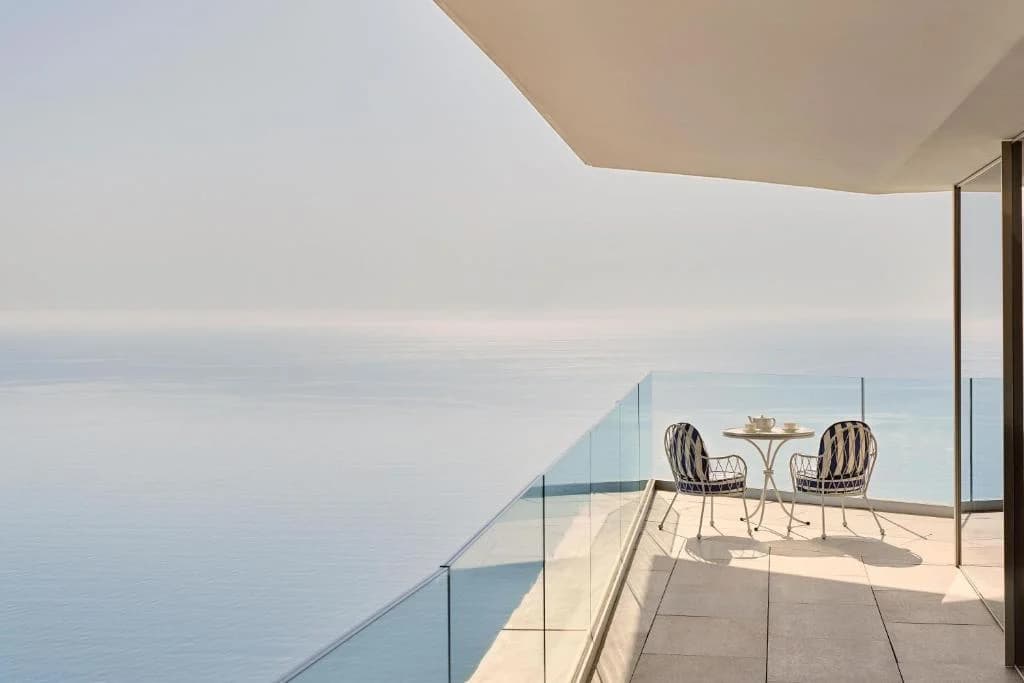
Coastal and island properties should be evaluated on the quality of their water access, the privacy of individual suite terraces, and the ratio of guests to reef. Overwater structures, where available, add an explicit spatial relationship with the sea that is categorically different from a beachfront terrace.
Interior properties should be assessed on the coherence of their design program, the quality of their local sourcing, and the nature of their cultural partnerships. A suite adjacent to a Maya site is a different proposition from a suite that simply has a historical address; the distinction lies in whether the property has built meaningful access to the site into the guest experience.
Practical considerations include: transfer logistics from San Pedro Sula or Tegucigalpa international airports, the quality of road infrastructure in the interior highlands, and the availability of private charter flights to the Bay Islands, which significantly reduce travel time and add a layer of service continuity to the overall stay.
Why a curated selection by La Suite matters in Honduras
Honduras is a destination where the gap between a well-marketed property and a genuinely high-standard suite experience can be significant. The country's hospitality sector is uneven, and the international visibility of individual properties does not always correlate with the quality of the suite offer.
La Suite applies a consistent editorial and physical assessment standard across all listed properties. For Honduras, this means filtering the market to identify the addresses where design, privacy, service, and landscape access align at the level that the discerning traveler requires. The curated selection removes the research burden and replaces it with a set of pre-validated options, each of which has been assessed against the same criteria applied to properties in Paris, Tokyo, or the Maldives. The destination is different. The standard is not.