Understanding Cancún's luxury geography
Caribbean-facing versus lagoon-facing suites
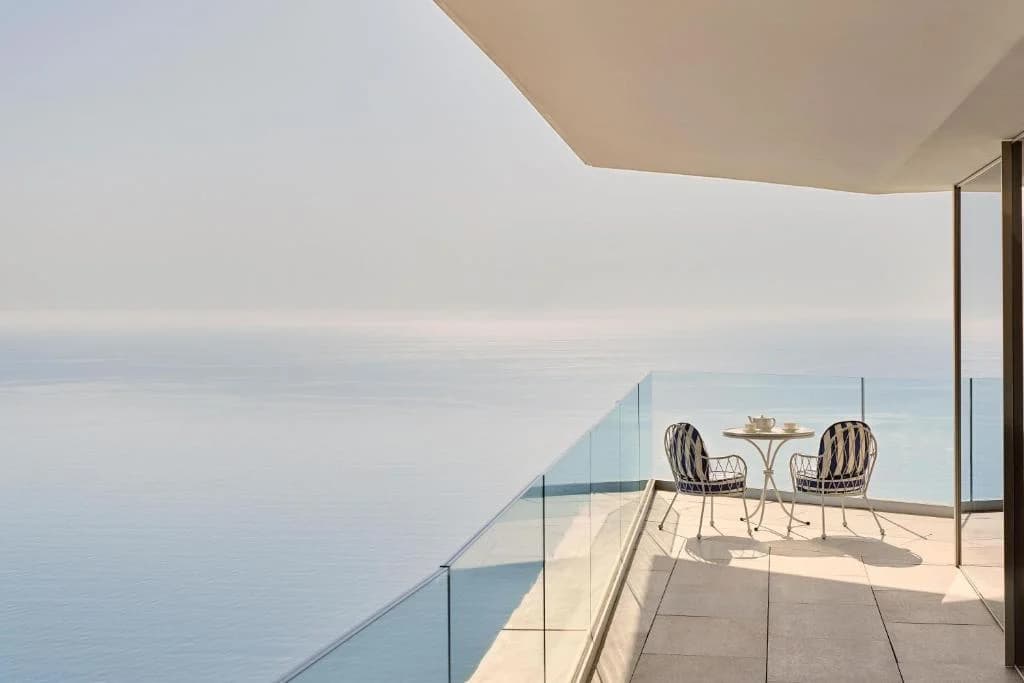
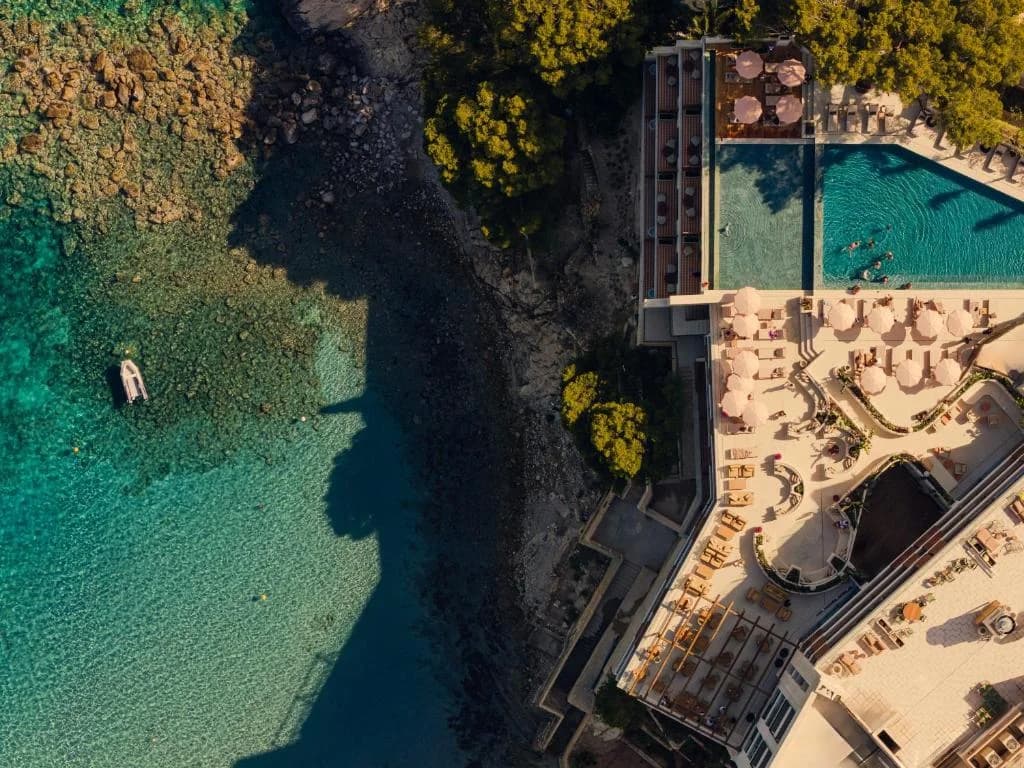
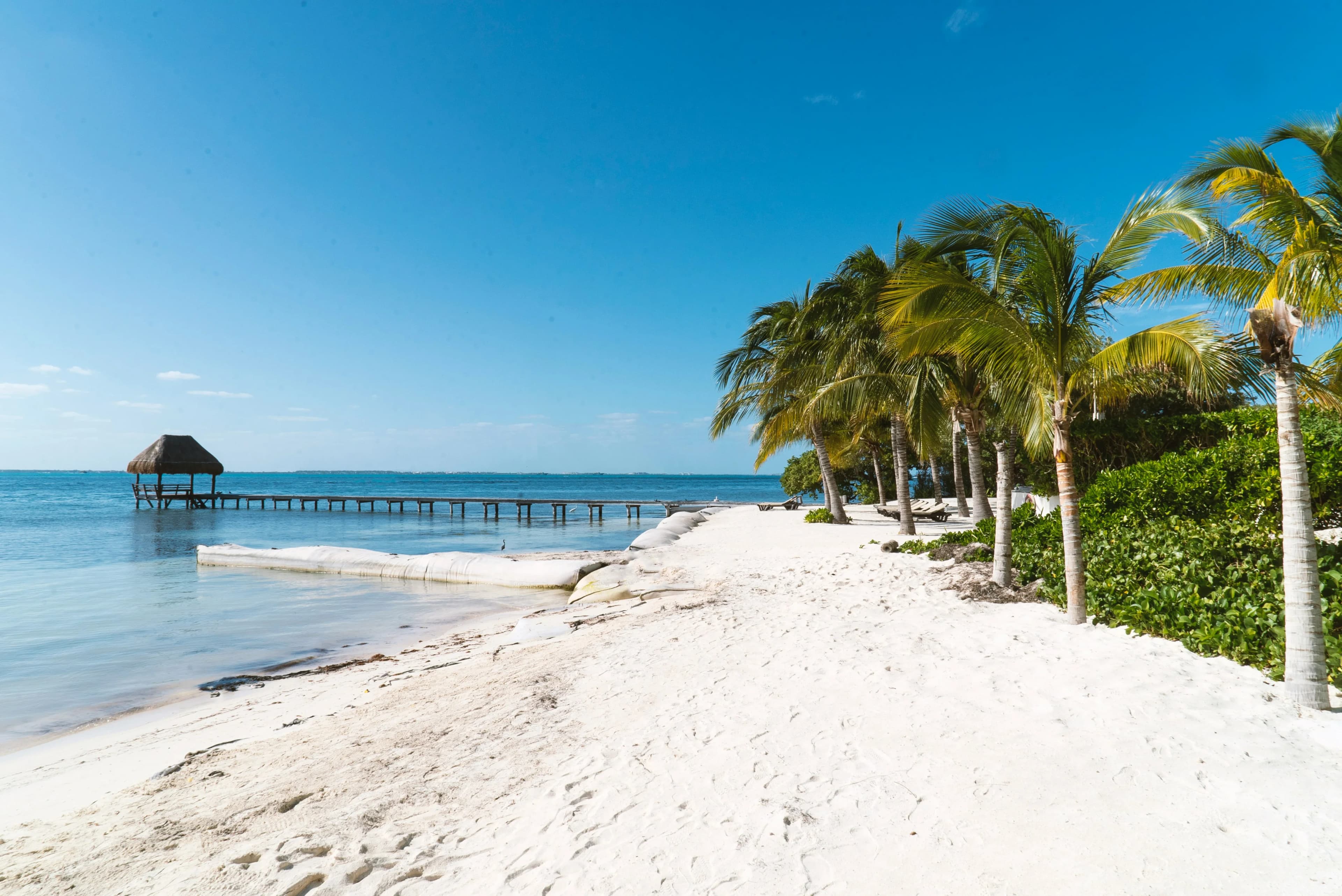
The orientation of a suite within the Hotel Zone carries real consequences. Caribbean-facing rooms receive direct light from sunrise, strong Atlantic breezes, and views of open water that extend without interruption. Lagoon-facing suites offer a more contained, atmospheric perspective, particularly at sunset when the water reflects the sky in ways the open sea cannot. Some properties are positioned on the narrow tip of the island and offer dual exposures. This is a practical consideration worth examining before confirming a reservation.
When to visit Cancún for a suite experience
The dry season runs from November through April, and this window represents the most consistent conditions for a high-end stay. Temperatures remain moderate, humidity stays manageable, and the Caribbean maintains its characteristic clarity. December through March is peak season, and suite inventory at the better properties can be limited well in advance. The months of May and June offer a transitional period: lighter crowds, still-reliable weather, and occasionally more flexible rates on premium room categories. The hurricane season, which runs from June through November with peak risk in September and October, requires careful consideration. Properties in this zone are built to modern storm codes, but weather disruptions can affect arrival logistics and outdoor programming. Travelers with fixed itineraries are generally advised to avoid September entirely.
Cultural and seasonal reference points
Spring Break, which falls across March and April, draws a large volume of visitors to the Hotel Zone and significantly changes the atmosphere of the corridor during that window. Travelers seeking privacy and quiet should plan around this period. The Day of the Dead celebrations in late October and early November offer a culturally rich counterpoint, with events in the city and across the wider Yucatán that reward travelers willing to engage with Mexican cultural life beyond the beach. The Cancún-Puerto Morelos Book Fair, held annually in November, draws a literary and creative audience that sits well with the kind of traveler who chooses a suite deliberately.
Local luxury standards: what to expect from top-tier suites in Cancún
Mexico does not have a nationally standardized prestige classification equivalent to the French Palace designation. Quality at the top end is assessed through international affiliations, with leading global hotel groups operating flagship properties along the Hotel Zone. The Gran Turismo classification, used by the Mexican government's tourism secretariat SECTUR, designates properties that exceed standard five-star criteria in terms of service infrastructure, facilities, and room standards. Gran Turismo properties represent the upper register of what Cancún's hospitality market can offer.
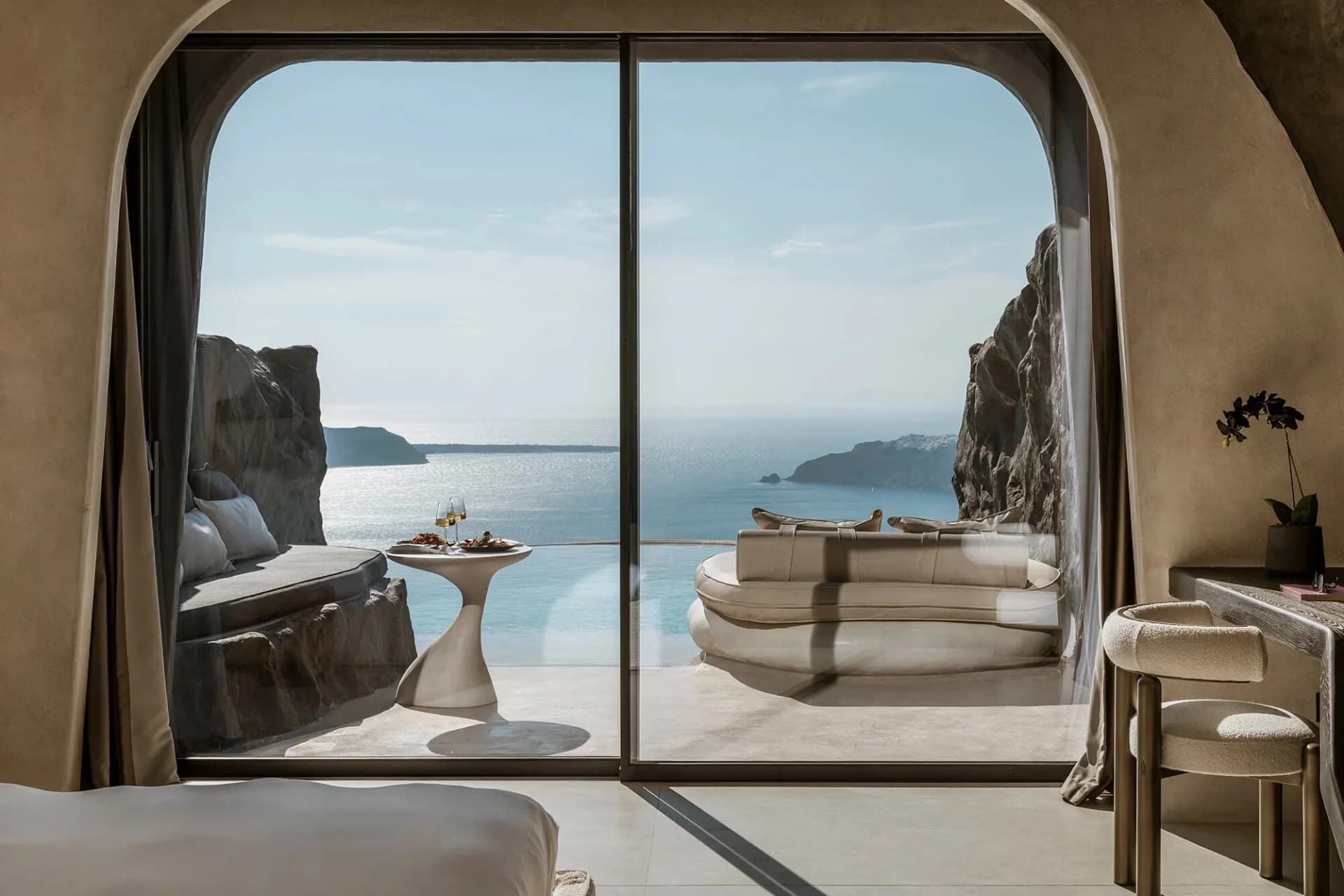
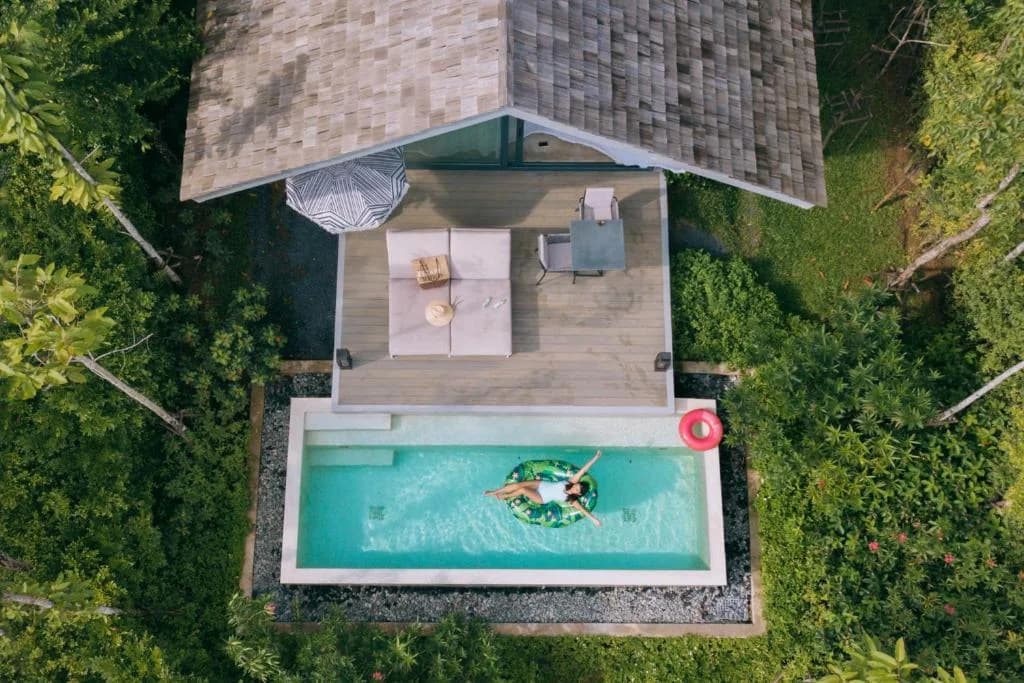
Suites in the top-tier properties here tend toward generous square footage, with private terrace access being a near-standard feature in premium categories. Many are designed around outdoor living: plunge pools, direct beach access, and shaded terraces are common in properties positioned at the northern and southern ends of the Hotel Zone, where the strip is less dense. The interior aesthetic of Cancún suites ranges from international contemporary, which dominates the larger resort complexes, to a more regionally inflected design language that draws on Mayan geometric motifs, local stone, and handcrafted textiles from Yucatecan artisans.
How to choose the best suite in Cancún
The first practical filter is position on the strip. The northern end of the Hotel Zone, near the point where the island meets the mainland, is closer to the city's commercial infrastructure. The southern end, approaching the Punta Nizuc area, is quieter and more contained. Mid-strip properties offer proximity to the main concentration of restaurants and retail at the cost of higher ambient noise. For travelers who intend to use Cancún primarily as a base for day excursions to Isla Mujeres, the Mayan ruins at Tulum, or the reef system at Isla Contoy, a mid-strip location with strong transport connections may be the more functional choice.
Architectural and spatial considerations
Cancún's Hotel Zone was largely developed from the 1970s onward, meaning there is no significant stock of historical architecture in the manner of, for example, colonial city centres elsewhere in Mexico. The premium here is not on heritage buildings but on spatial execution: the quality of outdoor terraces, the relationship between indoor and outdoor space, the density of the property's footprint relative to its beach frontage. Suites with private plunge pools or swim-out access represent a distinct category that commands premium positioning and is worth evaluating as a specific preference rather than a general upgrade.
The value of curation in a saturated market
The Cancún Hotel Zone contains a high density of properties, and the range in quality between the best and the merely acceptable is significant. Marketing language in this market tends toward hyperbole, and the difference between a genuine luxury suite experience and a standard resort room described with ambitious adjectives is not always apparent from a hotel's own materials. La Suite's curated selection applies consistent editorial criteria to identify the properties where suite-category rooms represent a genuine step change in experience, not simply an incremental upgrade in floor plan. For travelers arriving at this decision with limited time and high expectations, a curated framework is not a convenience. It is the most efficient path to a considered choice.