What makes San Miguel de Allende a distinct luxury destination
The city has attracted a substantial international community of artists, collectors, and designers for decades. That presence has shaped the local hospitality market in ways that distinguish it from resort-driven luxury elsewhere in Mexico. Properties in San Miguel tend to prioritise craft, materiality, and spatial intelligence over poolside spectacle.
Best areas to stay in San Miguel de Allende for luxury travelers
The historic centro
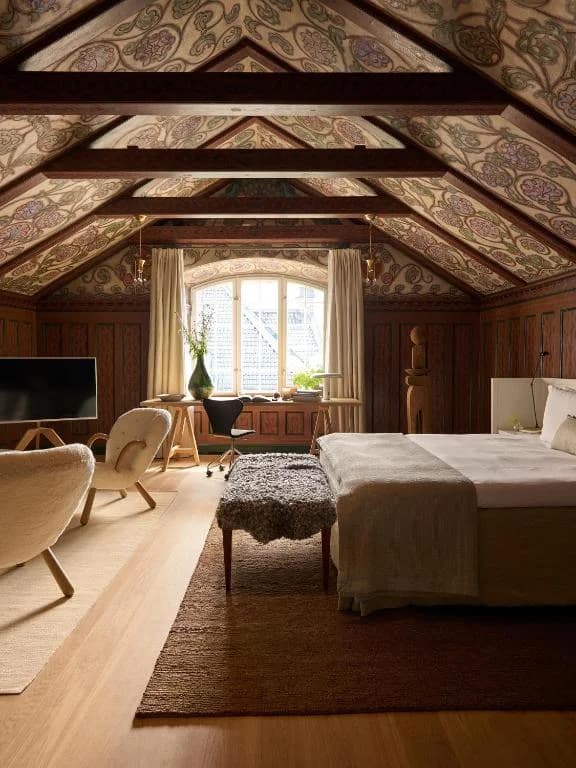
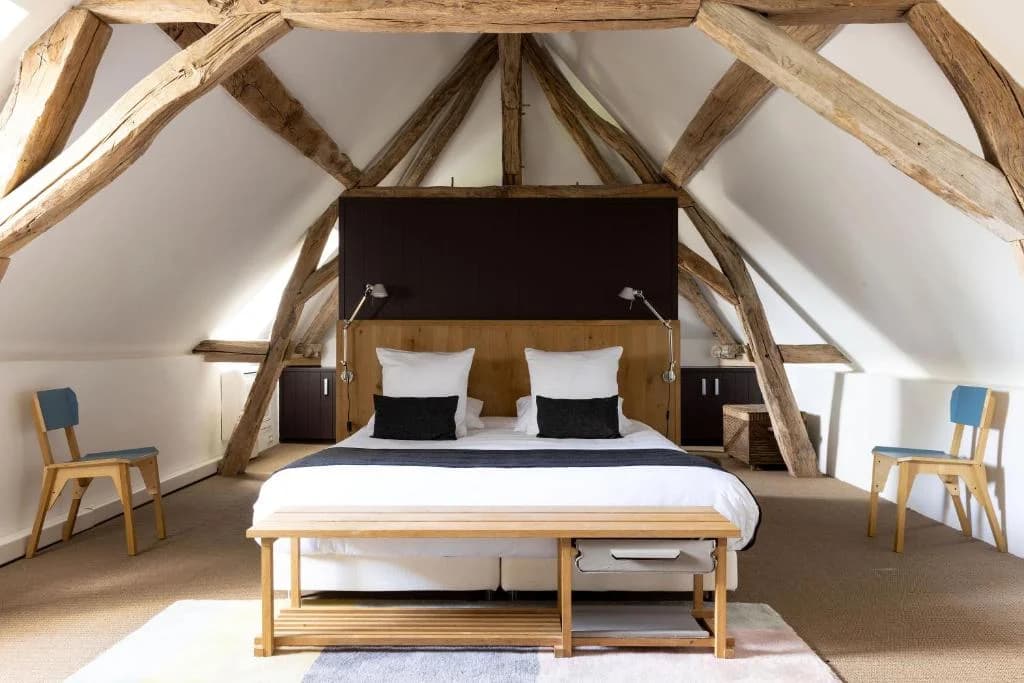
The Centro Histórico is the nucleus of the city. Properties here occupy buildings that may be several centuries old, with thick stone walls, interior courtyards, and direct proximity to the Parroquia de San Miguel Arcángel and the Jardín Principal. Walking distance to galleries, restaurants, and cultural institutions is immediate. Suites in this zone offer the most architecturally significant spaces in the city, often incorporating original stone floors, exposed wood beams, and private terraces overlooking rooftops and church towers.
Colonia San Antonio and surroundings
Slightly south and west of the historic core, San Antonio is a residential neighbourhood where larger properties find more space. The terrain begins to open, allowing for gardens and more expansive suite footprints. Several boutique luxury properties sit in this zone, offering privacy without complete separation from the city's cultural pulse.
The outskirts and hacienda estates
Within a short drive of the centro, a number of converted haciendas operate as small luxury hotels. These properties deliver a different register of experience: agricultural landscapes, private land, silence. For travelers seeking a more secluded suite with views of the Bajío plains or the surrounding hills, this category provides a counterpoint to the urban density of the historic centre.
When to visit San Miguel de Allende
The dry season, running from October through April, is the primary window for luxury travel to San Miguel. Temperatures during this period are mild and consistent, typically ranging between 12 and 25 degrees Celsius. The air is clear and the light conditions are exceptional. January and February bring cooler nights but brilliant days.
The Festival Internacional de Jazz y Blues takes place in late November and draws international performers to the city's historic venues. Semana Santa (Holy Week, in March or April) is one of the most culturally significant periods in the city's calendar, with processions and ceremonial events that have taken place for centuries. This period also brings high demand for suites, and advance planning is essential.
The rainy season runs from June through September. Afternoons bring short, intense rains that cool the city and feed the gardens. For travelers who prefer fewer visitors and lower rates, this window offers a more contemplative experience of the city, though suite availability is naturally higher.
Understanding luxury standards in San Miguel de Allende
Mexico does not operate a formal designation system equivalent to the French Palace label. However, within San Miguel, the meaningful distinction lies between internationally managed luxury hotel chains and independently owned boutique properties. The latter category dominates the city's high-end market and reflects the values of the international design community that has shaped San Miguel's identity.
Top-tier suites in San Miguel typically feature the following: interior courtyards or private terraces, stone or Talavera tile flooring, wood-beamed ceilings, locally sourced textiles and furniture, fireplaces (essential for cool-season evenings), and open-air or semi-open bathroom configurations. Many properties source food and wine from local producers in Guanajuato state, which has developed a serious wine region in the nearby Valle de la Independencia.
Service in the best properties is attentive and personalised without being intrusive. The culture of hospitality here is rooted in Mexican domestic tradition rather than corporate hotel protocol, and this produces a distinctly warm but unshowy quality of service.
How to choose the right luxury suite in San Miguel de Allende
Historic architecture versus contemporary design
Many travellers arrive expecting pure colonial aesthetics. The more interesting properties often layer contemporary Mexican design and art collection onto historic structures. When selecting a suite, consider whether the property has an active curatorial identity or simply uses colonial architecture as a backdrop. The former typically indicates a more considered experience overall.
Courtyard suite versus rooftop terrace suite
These two configurations represent the primary spatial choices in San Miguel. Courtyard-facing suites offer privacy, ambient sound from fountains, and a connection to traditional domestic architecture. Rooftop terrace suites provide panoramic views over the city's church towers and tiled roofs, particularly valuable at dusk and during festival periods. Both configurations carry distinct advantages depending on the traveler's priorities.
Access and mobility
San Miguel's cobblestone streets and hilly topography require consideration for travelers with mobility concerns or those carrying significant luggage. The finest properties manage this with private car access and dedicated logistics, but it is worth confirming in advance. The nearest international airport with direct connections to North American cities is Del Bajío International Airport in León, approximately 90 minutes by road.
Why curated selection matters in San Miguel de Allende
The luxury hotel market in San Miguel de Allende is dense with small boutique properties that present well in photography but vary considerably in the quality of their suite product. Without direct knowledge of the spatial reality, the service standards, and the architectural integrity of each property, the selection process becomes unreliable. La Suite applies editorial rigour to this market, identifying the properties where the suite experience is genuinely exceptional. For a city where the interior is everything, that distinction is the only one that matters.