Understanding Berlin's distinct neighbourhoods for a luxury stay
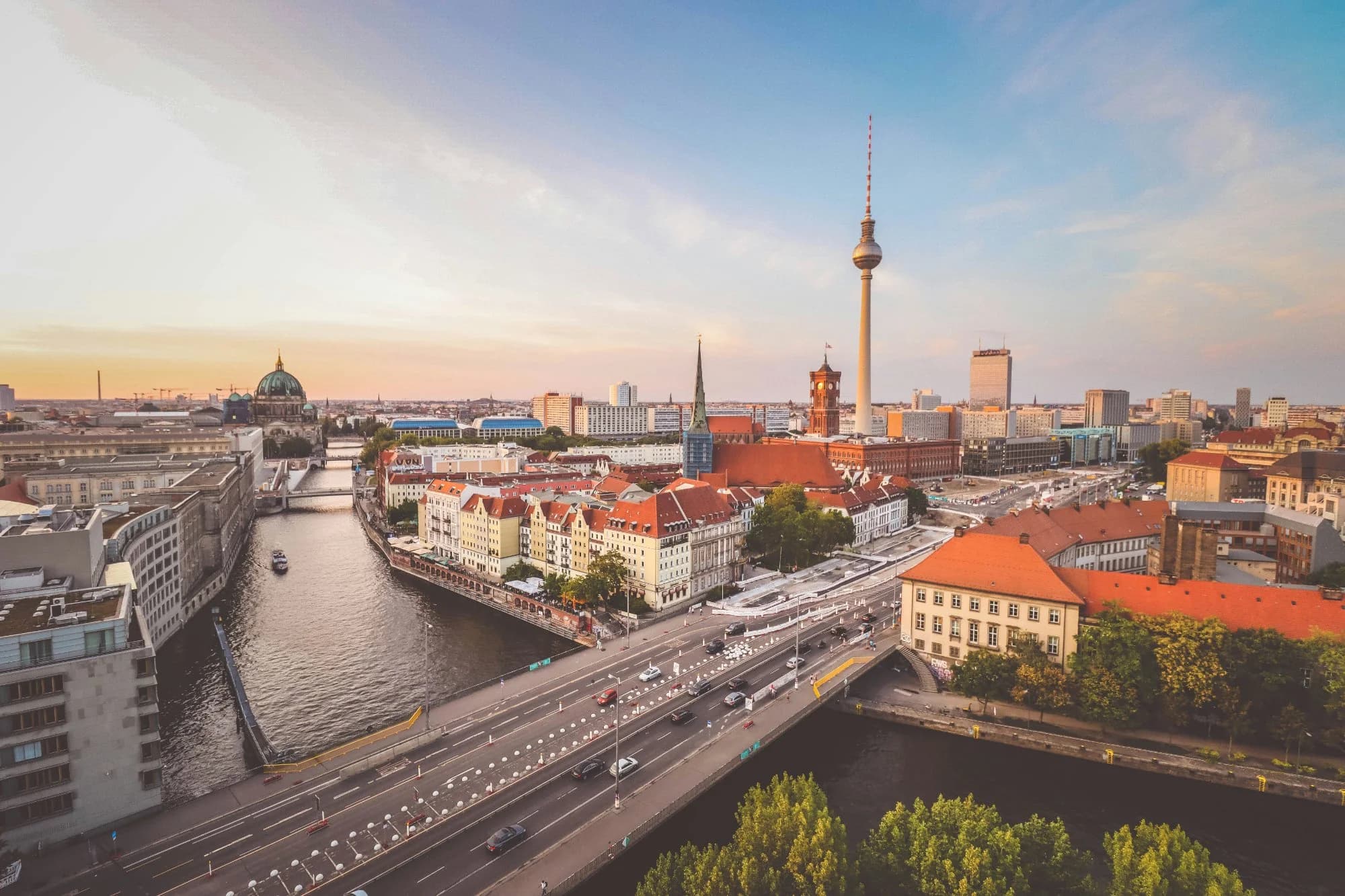
Mitte, the geographical and administrative centre, contains the highest concentration of formal five-star properties. The area around Unter den Linden, the Brandenburg Gate, and Museum Island attracts hotels that lean into Berlin's monumental scale: high ceilings, generous square footage, and a direct relationship with the city's institutional architecture. For travelers whose itinerary centres on the Pergamon Museum, the Berlin State Opera, or the major galleries on the Museumsinsel, a suite in Mitte places everything within walking distance.
Charlottenburg, to the west, represents a different tempo. Once the heart of West Berlin, it retains a measured, bourgeois composure that distinguishes it from the more kinetic eastern districts. The luxury hotel offering here tends toward established European hospitality traditions, with properties that appeal to guests who prefer understated elegance over architectural provocation. The Kurfürstendamm boulevard and the surrounding streets house some of the city's most enduring luxury addresses.
Prenzlauer Berg and Mitte's eastern fringes, including areas around the Hackescher Markt, attract a more design-conscious traveler. Boutique luxury properties in these areas typically occupy repurposed industrial or early 20th-century residential buildings, offering suites where the architecture itself is part of the proposition. For guests attending Art Week or visiting the city's private gallery circuit, proximity to this corridor matters.
The Tiergarten district, flanking Berlin's central park of the same name, offers a quieter residential context with immediate access to green space. Suites overlooking the Tiergarten provide a counterpoint to the city's density, a rarer spatial experience in a capital that does not prioritise calm.
When to visit Berlin for a high-end stay
Berlin functions as a year-round destination, but certain periods align more naturally with a considered luxury trip.
September is widely regarded as the optimal month. The Berlin Art Week, which consolidates Gallery Weekend Berlin's autumn edition, the abc art berlin contemporary fair, and several satellite events, draws the international art market to the city. Hotel availability tightens considerably during this period, and early booking is not a preference but a necessity. The light in September is precise and northern, the temperatures moderate, and the cultural programme dense.
The Berlinale, the city's international film festival, takes place in February and transforms the areas around Potsdamer Platz and the Zoo Palast into a concentrated zone of industry events, public screenings, and invitation-only gatherings. Suites near these venues are reserved months in advance by studios, distributors, and talent agencies.
Summer, particularly July and August, brings a different energy. Outdoor concerts at Waldbühne, the long northern evenings, and the city's well-documented outdoor culture make this a viable period for travelers who want to experience Berlin's social life at its most expansive. That said, some of the city's more serious cultural institutions reduce their programming during August.
Winter, specifically December, carries its own logic. Berlin's Christmas markets, while not the sole reason to visit, create an atmospheric backdrop, and the city's indoor cultural life, including opera, classical concerts, and museum exhibitions, intensifies during the colder months.
Local luxury standards: what to expect from Berlin's top hotel suites
Germany does not operate a formal Palace classification equivalent to France's institutional system. However, the country's luxury hotel market is anchored by two significant frameworks. The Dehoga hotel classification system provides star ratings up to five stars, with a Superior designation available for properties that exceed standard criteria within their category. The Leading Hotels of the World and Relais and Châteaux affiliations are also used as signals of positioning within the international luxury segment.
Berlin's top-tier suites reflect the city's broader aesthetic preoccupations. Unlike Paris or Vienna, where ornate historical interiors are the expected register, Berlin's finest suites frequently engage with the tensions in the city's own history. Raw industrial materials sit alongside refined finishes. Contemporary German and international design is referenced explicitly, sometimes through commissioned artworks, sometimes through the architecture of the building itself. Expect spatial generosity rather than decorative excess, and a level of technical specification, lighting design, acoustic insulation, and building systems, that reflects the German hospitality industry's engineering standards.
Service in Berlin's luxury hotels tends toward precision and discretion rather than effusiveness. The expectation is that requests are handled correctly and efficiently, without performative warmth. This suits a particular kind of traveler and can feel understated to guests accustomed to the more demonstrative service cultures of southern Europe or certain Asian markets.
How to choose the right luxury suite in Berlin
Several practical considerations apply specifically to Berlin when selecting a luxury hotel suite.
Architecture matters more here than in most European capitals. Berlin's hotel landscape includes properties housed in GDR-era towers, Wilhelmine townhouses, 1990s post-reunification buildings, and purpose-built contemporary structures. Each carries a different spatial logic. A suite in a tower property on Alexanderplatz will offer panoramic views and a very different atmospheric quality from a suite in a restored Gründerzeit building in Charlottenburg. Neither is categorically superior; the right choice depends on what the guest wants the city to feel like from their window.
Floor level is a relevant variable. Berlin is largely flat, and unlike cities built on hills or coastlines, the view premium here comes from height rather than orientation. High-floor suites in the city's taller properties offer unobstructed sightlines across the urban grid, which at night, with the city's relatively restrained artificial lighting, has a particular quality.
Consider also the question of noise. Berlin's late-night culture is not confined to the districts most commonly associated with it. Sound levels in central areas, particularly around Mitte and the areas east of the Spree, can be significant on weekend nights. Suite selection with acoustic insulation as a stated criterion is a rational priority for guests who value sleep over proximity to the city's social activity.
Why curated selection matters in Berlin's luxury hotel market
Berlin's hotel market has expanded considerably since 2000, and the volume of properties claiming a luxury positioning has grown with it. The distance between a property that markets itself as luxury and one that genuinely delivers at the level a discerning traveler expects is often significant and rarely visible from a standard booking interface.
La Suite applies a consistent editorial filter across Berlin's hotel landscape, identifying the suites that meet the actual criteria: spatial quality, service precision, architectural integrity, and a coherent sense of place. The curated selection by La Suite removes the friction of navigating a market where branding frequently overstates the product, and where the difference between an exceptional stay and a merely adequate one is not always legible until check-in.