Understanding Andorra la Vella as a luxury destination
Best areas to stay in Andorra la Vella
The central corridor and Meritxell Avenue
The city's primary luxury accommodation tends to concentrate along and adjacent to Avinguda Meritxell, the main commercial artery. Suites in this zone offer immediate access to the duty-free retail district, the main thoroughfares, and the cultural institutions of the old quarter, including the Casa de la Vall, the historic parliamentary house. The proximity to the Barri Antic (old quarter) adds architectural texture without sacrificing convenience.
The thermal spa district
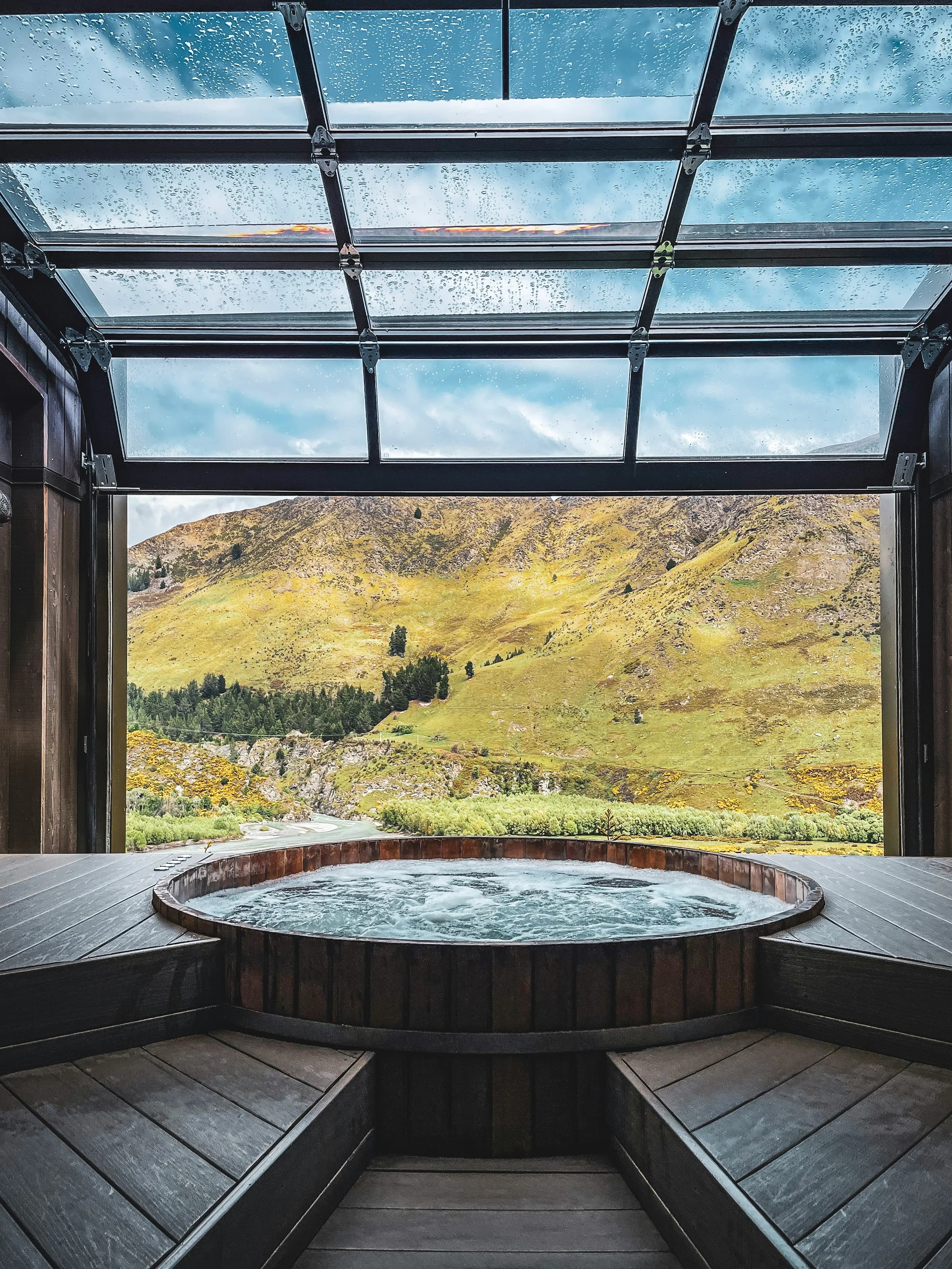
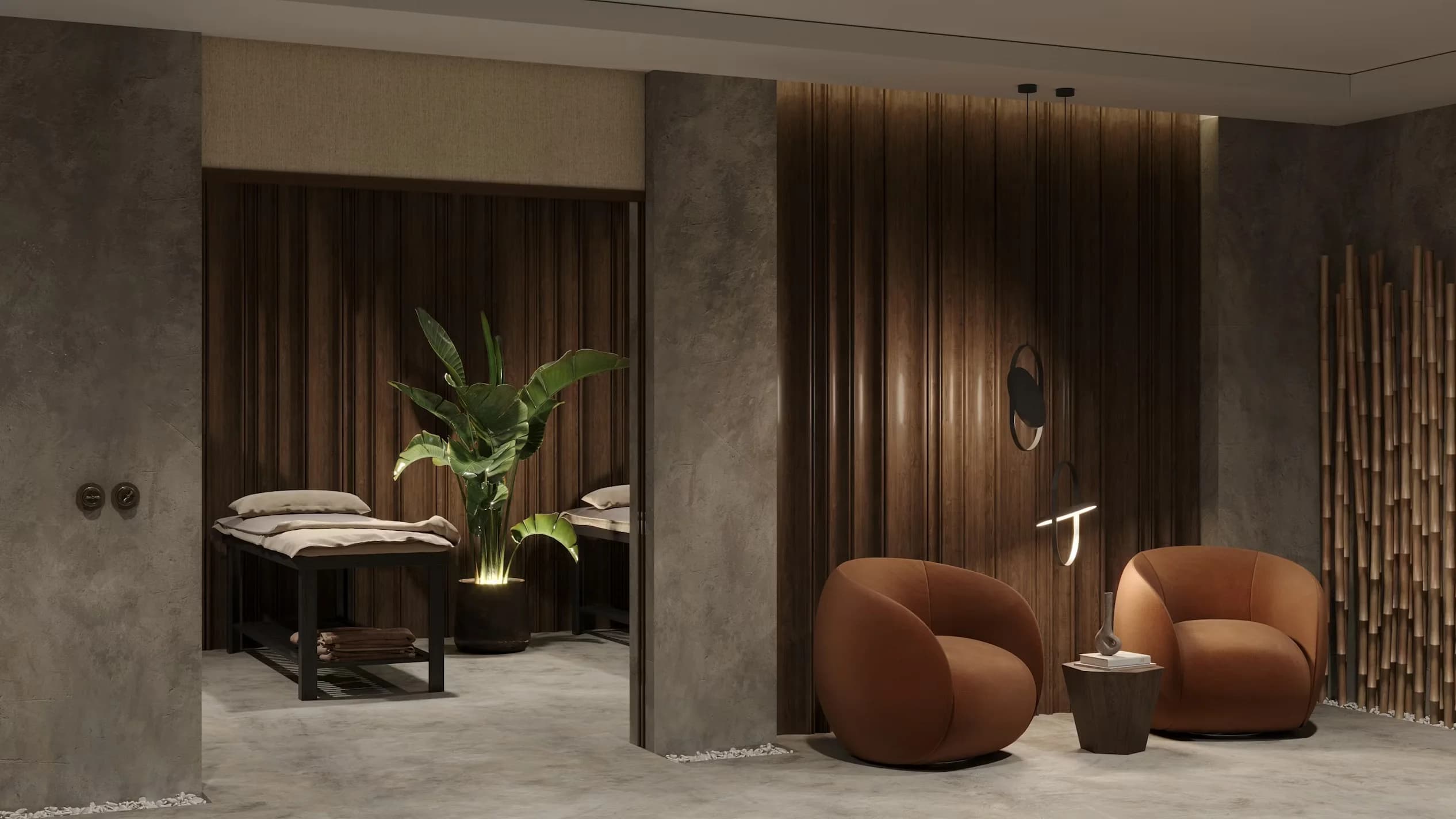
A short distance from the city core, the Caldea thermal complex anchors a distinct cluster of hospitality and wellness infrastructure. Properties in this area appeal specifically to travelers whose primary interest is thermal bathing, mountain air, and physical restoration. Suites positioned near this zone tend to integrate spa access directly, either through partnership or on-site facilities, making them the natural choice for recuperative stays.
The upper valley access points
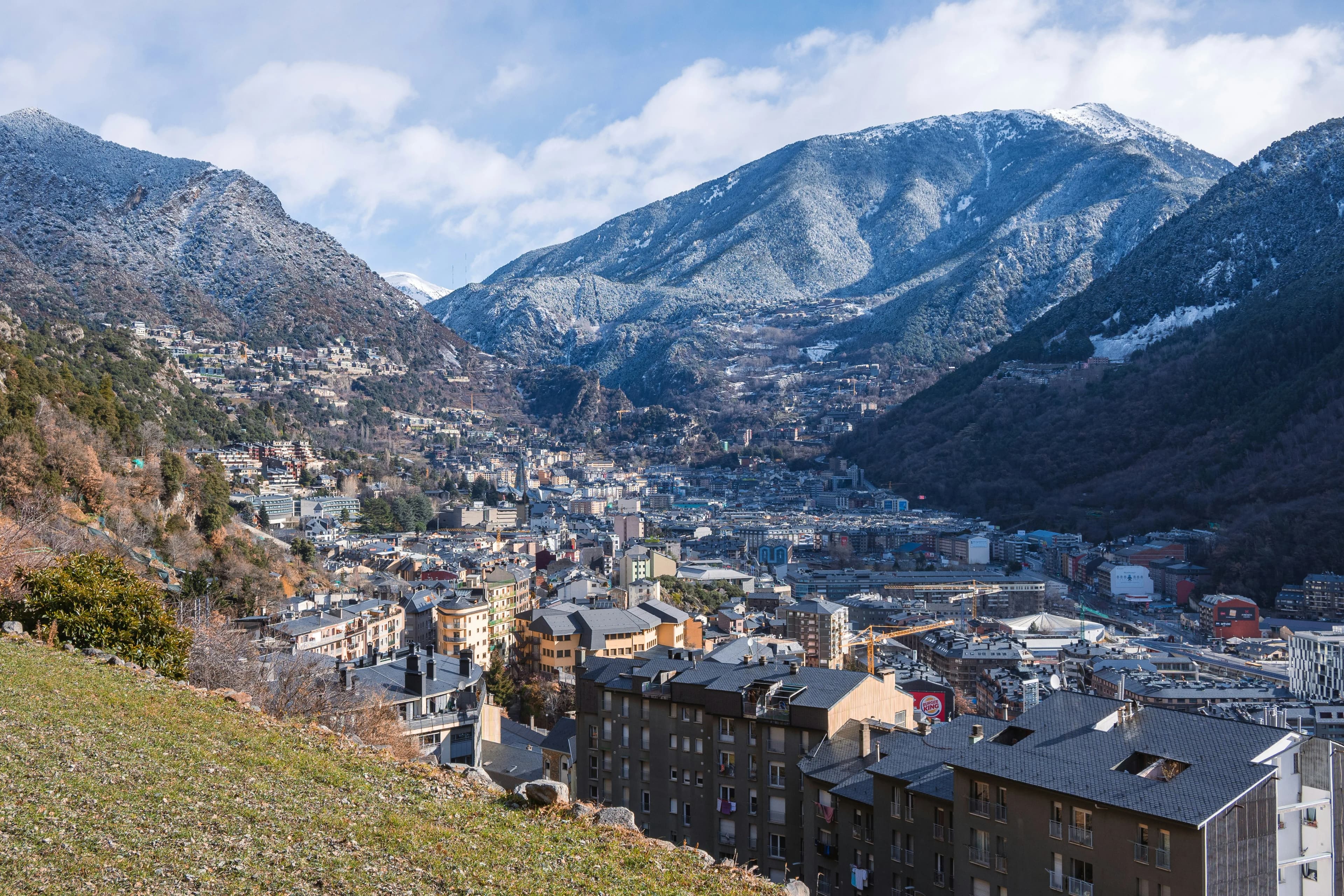
For travelers using Andorra la Vella as a base for skiing at Grandvalira or Vallnord, the northern edges of the city offer faster access to the road network leading into the ski domains. Suites in these locations prioritise space and storage for equipment, and their elevated positions can offer more direct sightlines toward the surrounding peaks.
When to visit Andorra la Vella for a suite stay
Andorra la Vella operates as a genuine year-round destination, though the experience shifts considerably by season. Winter, from December through March, is the primary ski season. Grandvalira, one of the largest ski domains in southern Europe with over 210 kilometres of runs, draws an international clientele, and suite availability at premium properties tightens significantly from late December through February. Booking well in advance is not optional during this period.
Spring and early autumn represent the considered traveler's window. The crowds thin, the mountain roads open for cycling and hiking, and the thermal facilities operate without the winter surges. The Escaldes-Engordany parish, which borders the capital directly, hosts cultural events and art exhibitions during these shoulder seasons that attract a more culturally-oriented visitor profile.
Summer in the Pyrenees is mild by European standards, rarely exceeding 24 degrees Celsius in the valley. The hiking trails above the city are fully accessible, and the retail and dining culture reaches its secondary peak as European families use Andorra as a logistical pause point between France and Spain.
Local luxury standards: what to expect from top-tier suites in Andorra
Andorra does not operate under the French Palace designation system or any equivalent national luxury labeling framework of comparable rigour. The hotel market here is classified under a standard star rating system, with five-star properties representing the top tier. Within that category, the quality of suites varies more than the rating might suggest, making independent curation particularly relevant.
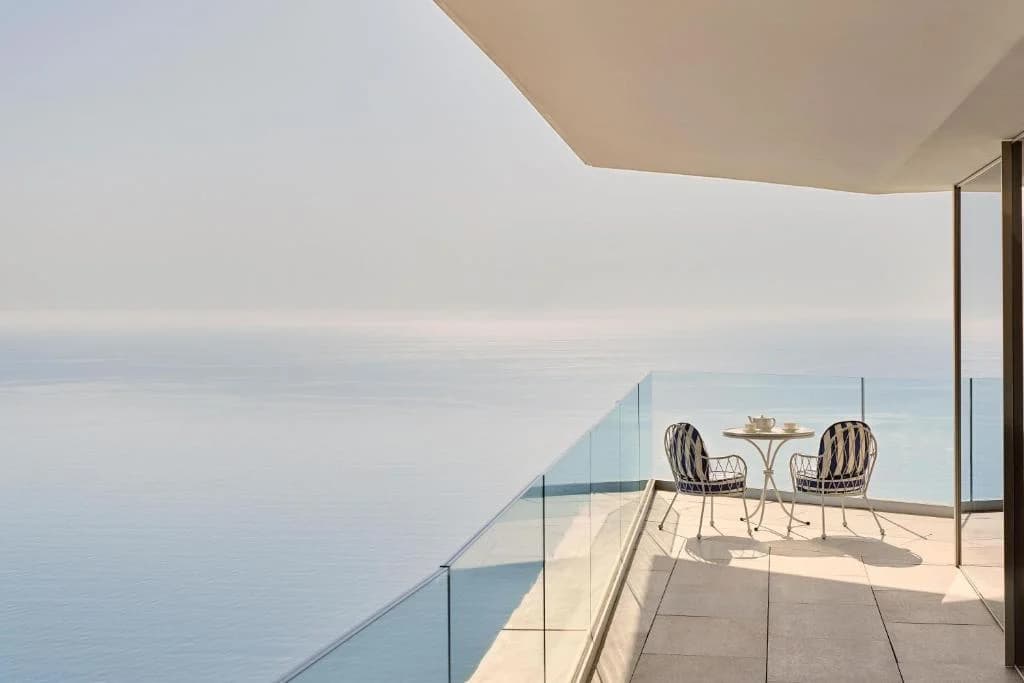
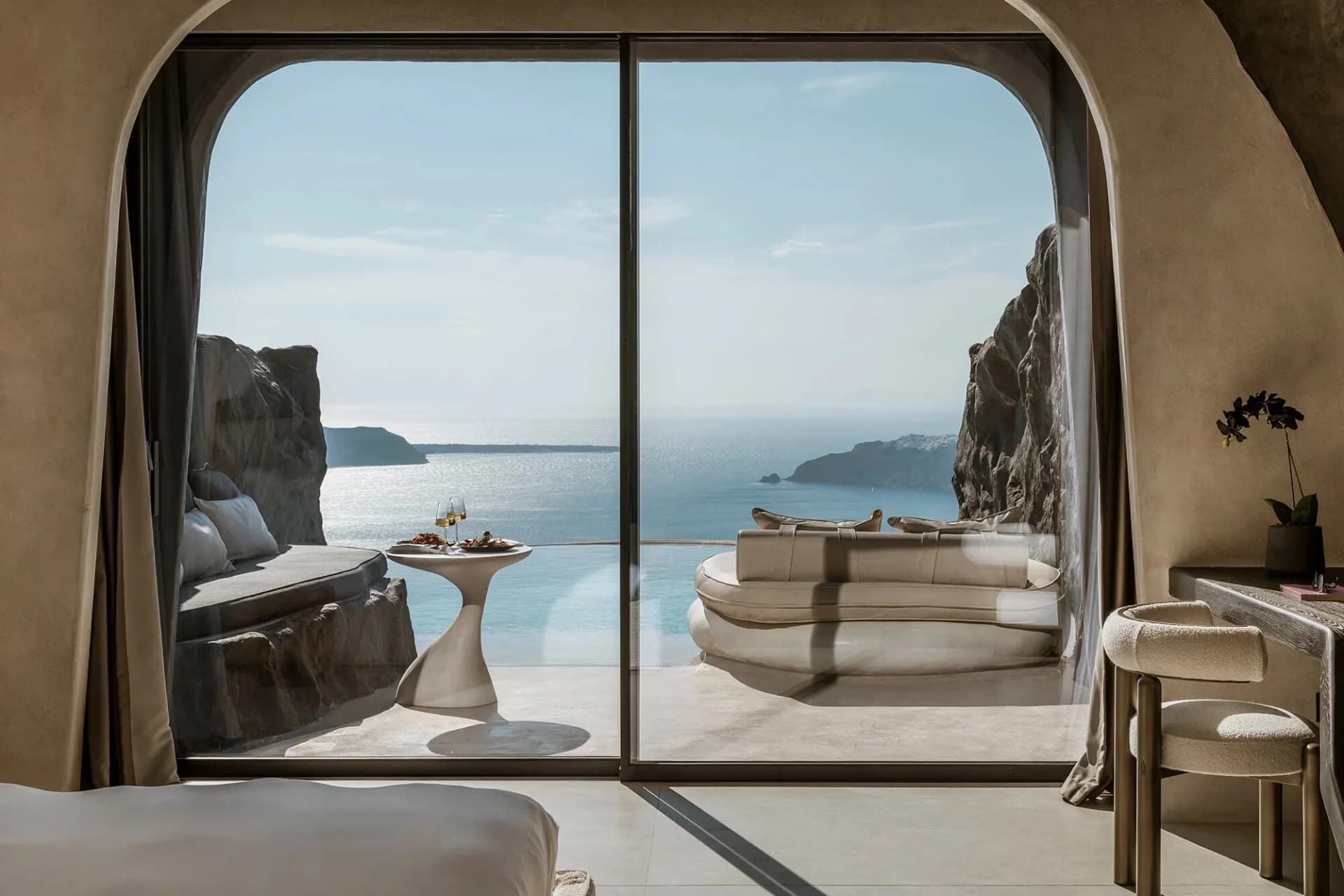
The finest suites in Andorra la Vella tend to share certain characteristics: generous square footage relative to their European alpine counterparts, direct integration with thermal or spa facilities (a reflection of the local wellness culture), and a design language that negotiates between contemporary international standards and the stone-and-timber materiality of Pyrenean architecture. Panoramic mountain views are not incidental here; they are structural to the suite experience, and properties that deliver them through floor-to-ceiling glazing represent the clearest expression of the destination's geographic advantage.
Butler service and private dining are less universal here than in comparable Swiss or French alpine destinations, but the best properties have invested in personalised service models that align with international expectations for this price point.
How to choose the right suite in Andorra la Vella
Define your primary use case
Andorra la Vella functions simultaneously as a ski gateway, a wellness retreat, a shopping destination, and a cultural stopover. The ideal suite depends entirely on which of these functions dominates your itinerary. A ski-focused stay warrants proximity to transport links and robust storage and drying facilities. A wellness-oriented visit calls for direct spa integration and soundproofed, high-altitude calm.
Consider the architectural context
The city's building stock spans from traditional Pyrenean stone construction in the Barri Antic to contemporary glass-and-steel towers along the main avenues. Both typologies produce excellent suites, but they offer fundamentally different sensory experiences. The former delivers warmth, texture, and historical depth. The latter offers scale, light, and an unobstructed relationship with the surrounding mountain landscape. Neither is superior; the choice is a matter of personal register.
Assess the suite's relationship to the mountain
In a destination defined by its topography, the orientation and altitude of the suite within the building matters considerably. Upper-floor suites facing the valley's natural amphitheatre will frame the Pyrenean peaks as a constant visual presence. Lower-floor or street-facing suites may offer urban convenience at the cost of the geographic spectacle that makes Andorra la Vella distinctive.
The value of a curated selection in Andorra la Vella
With a relatively compact hotel market and significant variation in quality within the five-star tier, Andorra la Vella is precisely the kind of destination where independent research produces inconsistent results. Review platforms aggregate feedback from travelers with very different expectations and budgets, making it difficult to isolate what matters to a traveler seeking a genuine luxury suite experience.
La Suite approaches Andorra la Vella with the same editorial rigour applied to Paris, the Maldives, or Kyoto. The curated selection by La Suite identifies properties where the suite product specifically meets the standards of space, privacy, service, and design that define meaningful luxury travel. In a market where the gap between marketing and reality can be considerable, this level of editorial discipline is not a convenience. It is the point.