Understanding Vienna's luxury suite landscape
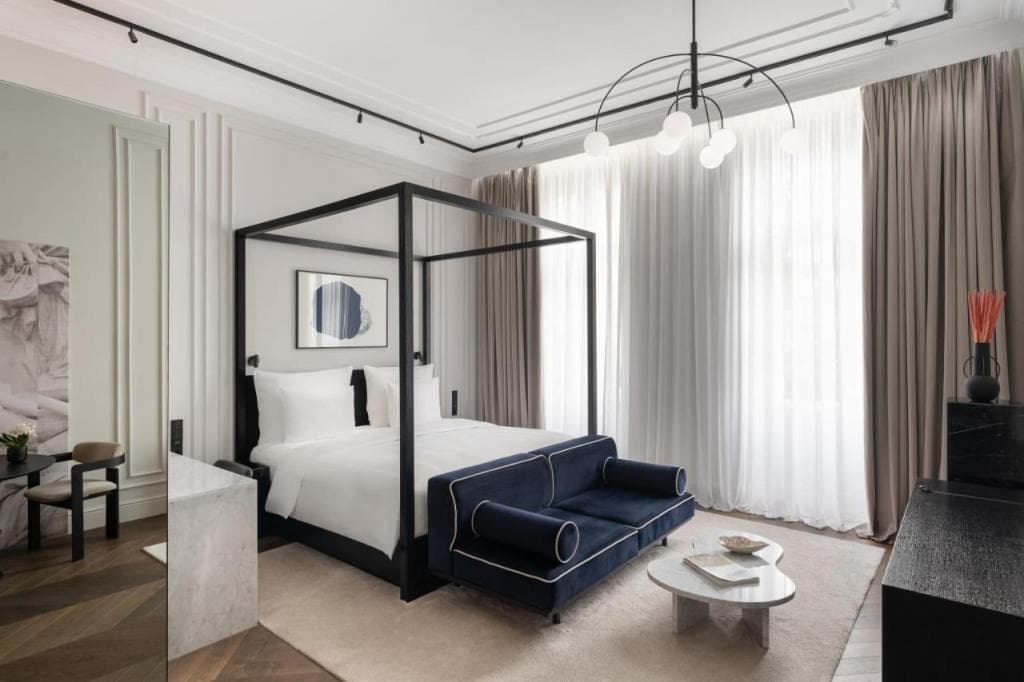
What distinguishes the city's top-tier properties from comparable offerings in Paris or London is a certain Viennese restraint. Ostentation is tempered by an almost scholarly attention to craft. Furniture upholstery, parquet patterns, the weight of silverware at breakfast: all of these details are taken seriously. The luxury hotel suite in Vienna tends toward completeness rather than spectacle.
The distinct zones of Vienna and where luxury stays cluster
The First District (Innere Stadt)
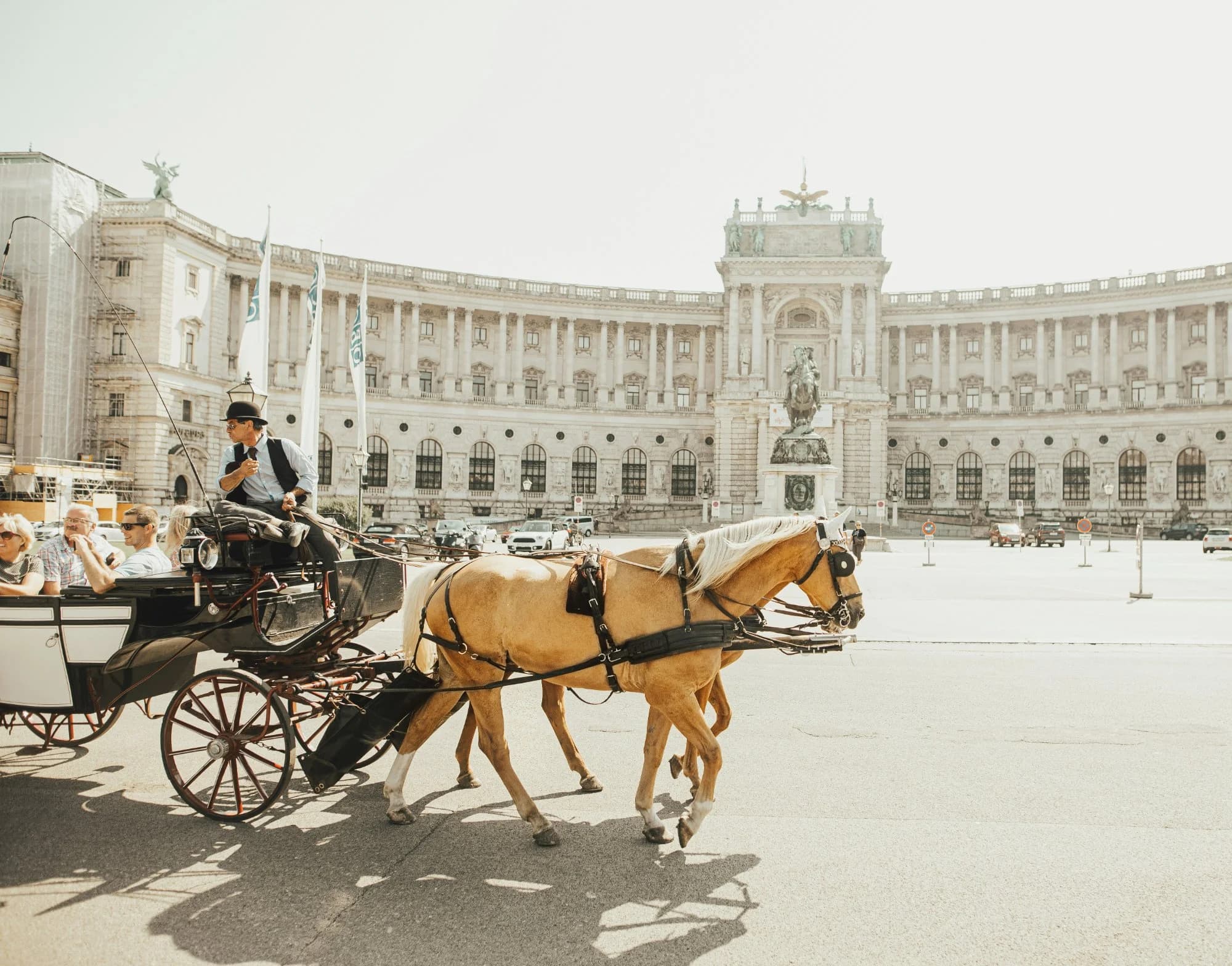
The First District is the historic and ceremonial core of the city. The State Opera, the Kunsthistorisches Museum, the Hofburg Palace, and the great shopping axis of the Kohlmarkt all sit within walking distance of one another. Properties here are positioned for travelers who want maximum proximity to Vienna's formal cultural institutions. Suites in this district frequently occupy buildings of significant age and heritage status, which imposes architectural character but also sets a ceiling on what contemporary design interventions are possible.
The Ringstrasse corridor
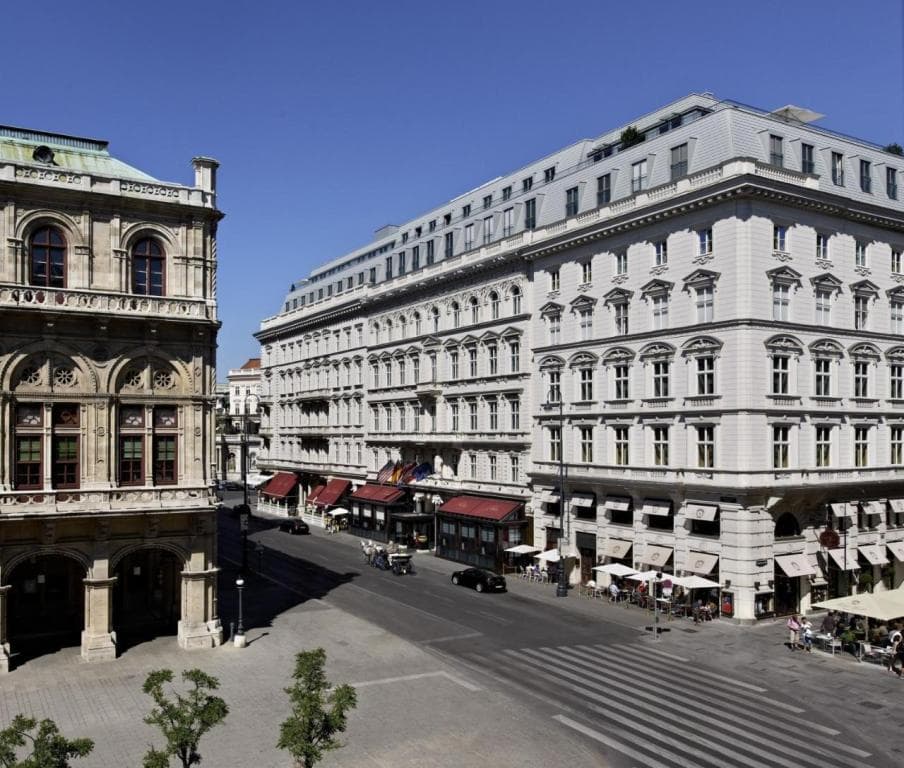
The grand boulevard completed under Emperor Franz Joseph I in the 1860s remains one of the most coherent examples of imperial urban planning in Europe. Hotels positioned along or adjacent to the Ring benefit from wide pavements, green buffers, and views of monuments that were designed to impress from a distance. This corridor attracts travelers who value the formal grandeur of 19th-century Vienna as a primary aesthetic experience.
Districts beyond the centre
The 4th, 7th, and 9th districts offer a different character: quieter residential streets, independent galleries, and a more contemporary cultural scene. Some newer luxury hotel openings have positioned themselves in these areas, drawing guests who want proximity to a less ceremonial, more contemporary Vienna. The trade-off is distance from the major institutions, though Vienna's public transport infrastructure, particularly the U-Bahn, makes movement across the city efficient.
When to visit Vienna for a luxury suite stay
Vienna maintains a high standard of hospitality year-round, but certain periods sharpen the experience considerably. The winter season, running from late November through to the end of February, is associated with the city's Ball season, a calendar of formal events that fills the city's grandest spaces, from the Musikverein to the Hofburg itself. Travelers seeking cultural immersion at its most formal will find this period the most Viennese in character. Hotel suite availability during major balls and the Christmas market period tightens significantly, and advance planning is essential.
Spring (April through June) offers moderate temperatures, full access to the city's outdoor spaces including the Prater and Schonbrunn gardens, and a dense calendar of classical music programming. The Vienna Philharmonic and the Wiener Staatsoper both operate at full capacity during this period. Late summer (August) is one of the quieter months, when many Viennese leave the city and hotel rates tend to soften, though some cultural institutions reduce their programming.
Autumn (September and October) is arguably the most balanced period: the cultural season restarts, the light is favorable, and the city's cafe culture reaches a particular pitch of activity as outdoor terraces give way to interior warmth.
Local luxury standards: what defines a top-tier Vienna hotel
Austria does not operate a formal state classification equivalent to France's Palace designation, but Vienna's most distinguished hotels are well-identified within the industry. Properties that carry Leading Hotels of the World or Relais and Chateaux membership signal a commitment to independent quality standards. The city's historic grand hotels, many of which date to the late 19th or early 20th century, set the benchmark for what a formal luxury stay in Vienna looks like.
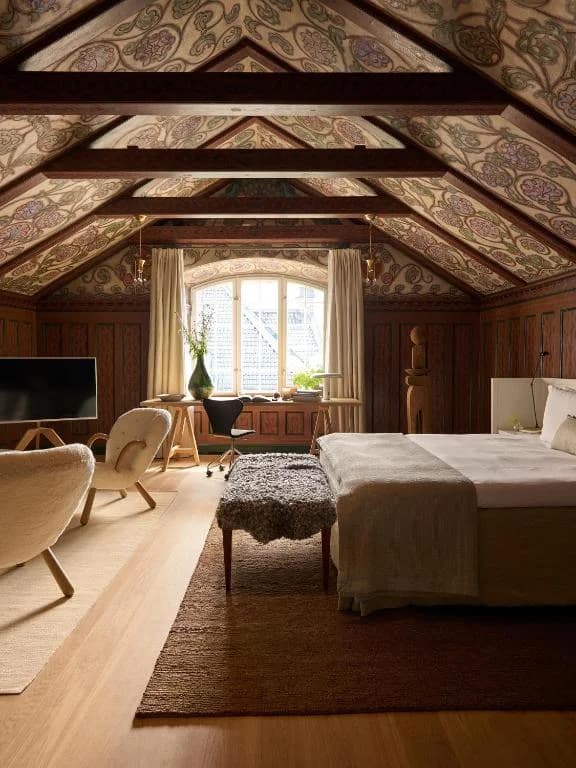
A defining characteristic of Vienna's finest suites is the presence of genuinely proportioned rooms. Unlike the compact footprints that dominate luxury hotels in cities where real estate pressure is extreme, Vienna's historic properties frequently offer suites with ceilings above three and a half metres, multiple reception areas, and dedicated dressing rooms. The city's craft traditions, particularly in textiles, porcelain, and glassware, also inform the material quality of the best interiors.
Concierge services at Vienna's top hotels are expected to operate with a level of cultural knowledge that goes beyond logistics. Access to reserved seats at the Staatsoper, introductions to private collections, or arrangements around the city's gallery circuit are standard expectations at the highest level.
How to choose the right luxury suite in Vienna
The primary decision for travelers to Vienna is architectural: historic versus contemporary. The city's most recognized luxury hotels are housed in buildings of considerable heritage weight, and this shapes the guest experience in ways that are not always predictable. High ceilings and thick walls provide acoustic insulation and thermal mass, but they also mean that natural light behaves differently from room to room. Requesting a suite with courtyard exposure can provide quiet; a street-facing position on the Ring offers scale and visual drama.
Travelers visiting primarily for the classical music and performing arts calendar should prioritize proximity to the First District's cultural corridor. Those with a broader cultural itinerary that includes contemporary art, design, and the city's independent food scene may find positioning in the inner districts more rewarding.
It is worth considering the role of the suite's public spaces. In Vienna, the hotel lobby and bar function as genuine social environments, not simply transit zones. The quality and character of these spaces is a reasonable indicator of the overall standard of a property.
Why a curated selection by La Suite makes sense in Vienna
Vienna's hotel market contains a significant number of properties that occupy historic buildings and carry prestigious addresses without consistently delivering at the level those credentials suggest. The gap between reputation and current execution is real, and it is not always visible through standard booking channels. La Suite approaches Vienna with the same editorial discipline applied to every destination on the platform: properties are assessed on spatial quality, service coherence, and the degree to which the suite experience reflects the character of the city it occupies. The curated selection by La Suite removes the noise from a market where heritage branding can obscure both excellence and mediocrity.