Where to stay in Antwerp for a luxury suite experience
The historic centre and the cathedral district
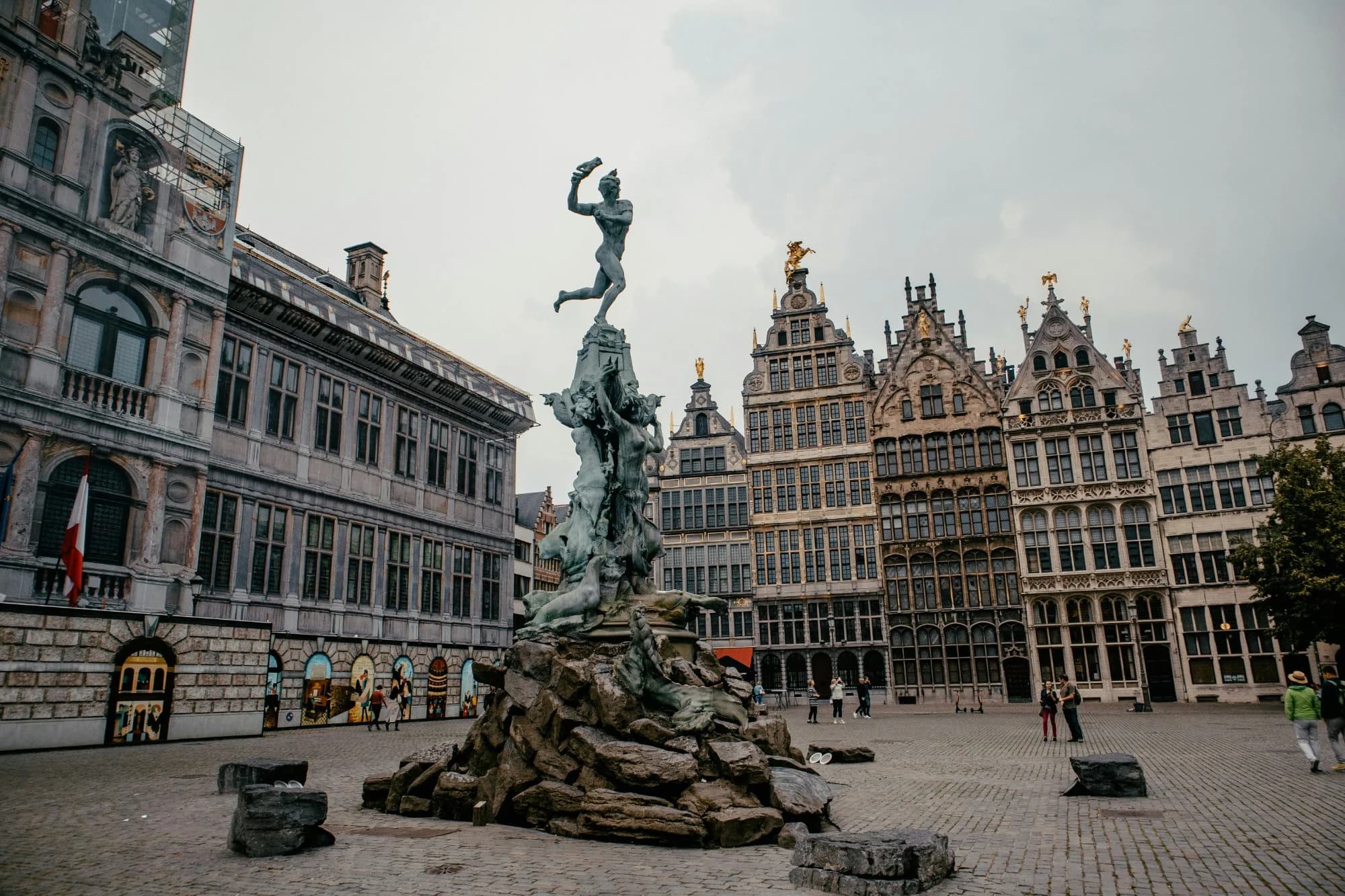
The area surrounding the Onze-Lieve-Vrouwekathedraal and the Grote Markt is the architectural and symbolic core of Antwerp. Staying here places guests within walking distance of the Rubenshuis, the Vleeshuis, and the city's oldest guild architecture. Hotels in this zone tend to favour classical interiors, often housed in converted merchant townhouses or buildings with Baroque detailing. Luxury suites in this part of the city offer scale and heritage in equal measure.
The fashion district and the Meir corridor
South of the central station, the area known for the Antwerp Six's influence on global fashion remains one of the most design-literate urban zones in Northern Europe. The streets around the MoMu (Fashion Museum) and the Nationalestraat carry a quiet intensity that appeals to culturally engaged travellers. Luxury hotel options in this zone tend toward refined boutique formats, with suites that reflect the same attention to material and proportion that the fashion community demands.
Het Zuid (The South district)
Het Zuid is Antwerp's gallery and museum quarter, home to the Royal Museum of Fine Arts (KMSKA), which underwent a major renovation completed in 2022. This neighbourhood has the feel of a considered residential area that happens to contain some of the city's best restaurants and contemporary art spaces. Travellers seeking a more residential, unhurried luxury experience often gravitate toward this part of the city.
The waterfront and the port approach
Antwerp's port is still one of the largest in the world by cargo volume, and the northern waterfront areas, including Eilandje and the MAS museum district, have been significantly redeveloped. The architecture here is deliberately contemporary, with converted warehouses and purpose-built cultural institutions. Suite options in this zone suit travellers drawn to industrial scale transformed into design-forward hospitality.
When to visit Antwerp for a luxury hotel stay
Antwerp maintains a year-round calendar of cultural and commercial events that make timing a meaningful consideration for suite travellers.
Spring (April to June) brings the city to a moderate, walkable temperature. The diamond and jewellery trade fairs, held in the district around Hoveniersstraat, attract a specific international clientele during this period. Museum and gallery programming tends to peak in spring, and outdoor terrace culture returns to the city's squares and canal-side streets.
Summer (July and August) is warm by Belgian standards, with long evenings that extend the utility of suite terraces and rooftop spaces. The Antwerp Pride festival in early August draws a design-conscious, international crowd. Availability at the city's best addresses tightens during this window, so advance planning is advisable.
Autumn (September to November) is arguably the most considered season for a luxury stay in Antwerp. The fashion industry's rhythm brings buyers, editors, and creative directors to the city in September and October. The light quality in this period, characteristic of the Flemish painting tradition, rewards those who spend time in the city's museums and along its waterways.
Winter (December to February) carries a particular atmosphere, with the city's Christmas market drawing European visitors and the diamond district maintaining its steady commercial pace. Rates at luxury hotels often ease slightly outside the festive peak, offering an opportunity for more value at the upper end of the market.
Understanding luxury hospitality standards in Antwerp
Belgium does not operate an official state classification system equivalent to France's Palace designation, but the market has developed its own hierarchy of quality. In Antwerp, the highest tier of hospitality is defined less by formal certification and more by a combination of spatial generosity, design precision, and service discretion.
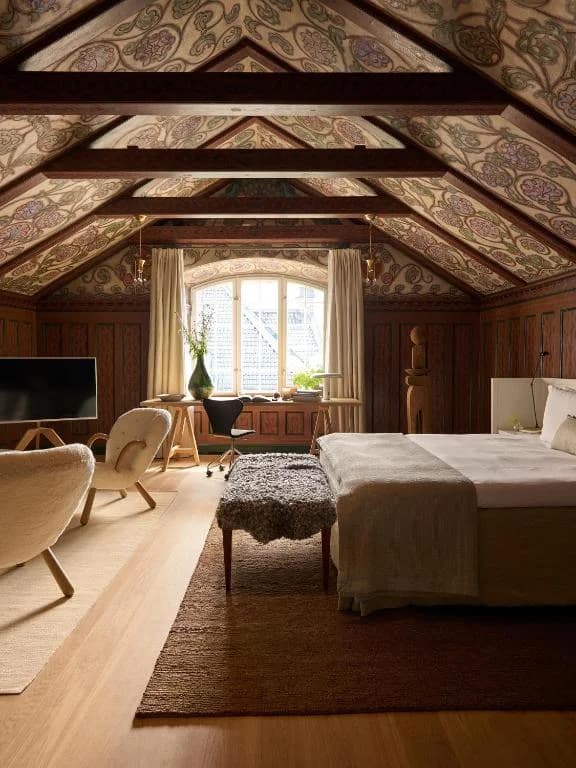
Antwerp's luxury hotel suites are frequently located in buildings of architectural significance, whether 19th-century bourgeois townhouses, Art Nouveau structures, or purpose-designed contemporary hotels. The Flemish tradition of craftsmanship, visible in the quality of joinery, textiles, and material finishes, is often carried into suite interiors with notable consistency.
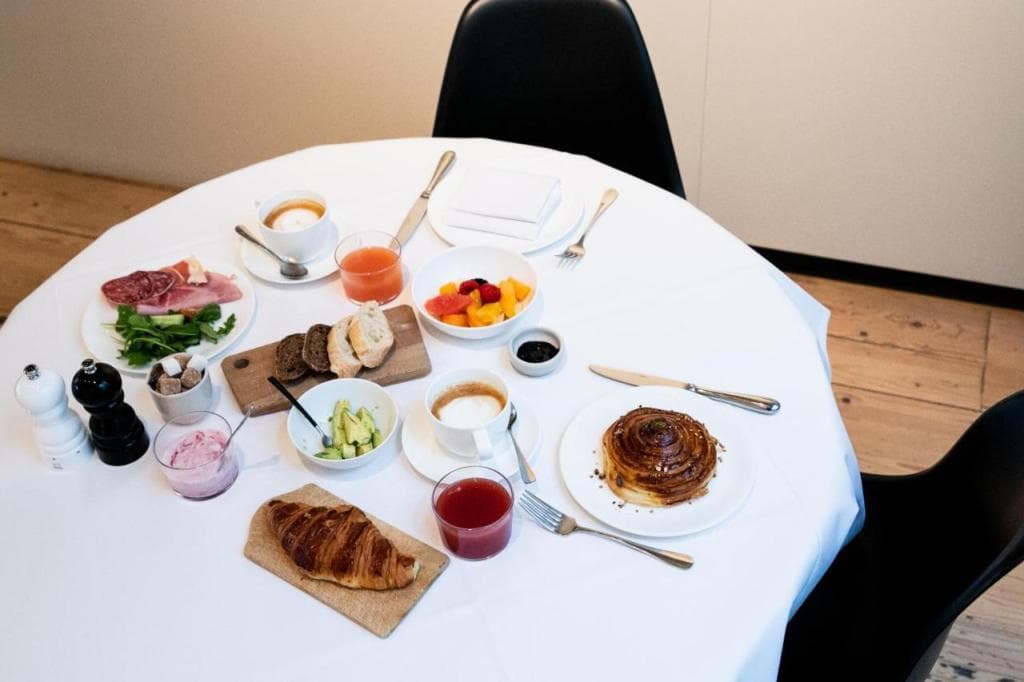
Service culture in Antwerp's top hotels reflects the city's mercantile heritage: efficient, multilingual, and attentive without being performative. Guests can expect staff fluent in Dutch, French, and English as a minimum. The food and beverage offer at the city's leading luxury hotels has matured considerably, with several properties maintaining kitchens and dining rooms that are independently recognised for culinary quality.
How to choose the best luxury suite in Antwerp
Selecting the right suite in Antwerp depends on the purpose of the visit and the type of environment that best supports it.
For business travellers in the diamond or fashion trade, proximity to the relevant professional districts is a practical priority. Suites with dedicated working space, strong connectivity, and discreet service protocols are particularly relevant here.
For cultural travellers, the location relative to the KMSKA, the MoMu, the Plantin-Moretus Museum (a UNESCO World Heritage site), and the Rubenshuis should inform the choice. Walking access to these institutions changes the texture of a stay in a way that transport cannot replicate.
For those visiting for extended periods, suite size and kitchen or kitchenette facilities become relevant. Antwerp's food market culture, particularly around the Vrijdagmarkt and the local delicatessens, rewards guests who have space to engage with it.
Architecture preference is also a meaningful filter. Antwerp offers both restored historic properties and architecturally deliberate contemporary hotels. The visual language of each property type is quite distinct, and the choice should reflect the traveller's relationship to space and material.
Why a curated selection by La Suite matters in Antwerp
Antwerp's hotel market is relatively contained compared to major European capitals, which means the distinction between a well-positioned luxury suite and a merely expensive room is not always legible from standard booking platforms. La Suite applies a consistent editorial framework to the selection process, evaluating suites on spatial quality, design coherence, material standard, and service environment.
In a city where design literacy is a cultural expectation rather than a marketing proposition, the curation standard must meet the same level of rigour that Antwerp's own creative community applies to its work. La Suite's selection for Antwerp reflects that expectation, offering a considered entry point for travellers who approach their accommodation with the same intentionality they bring to every other aspect of their visit.