Amyth of Nicosia, Nicosie
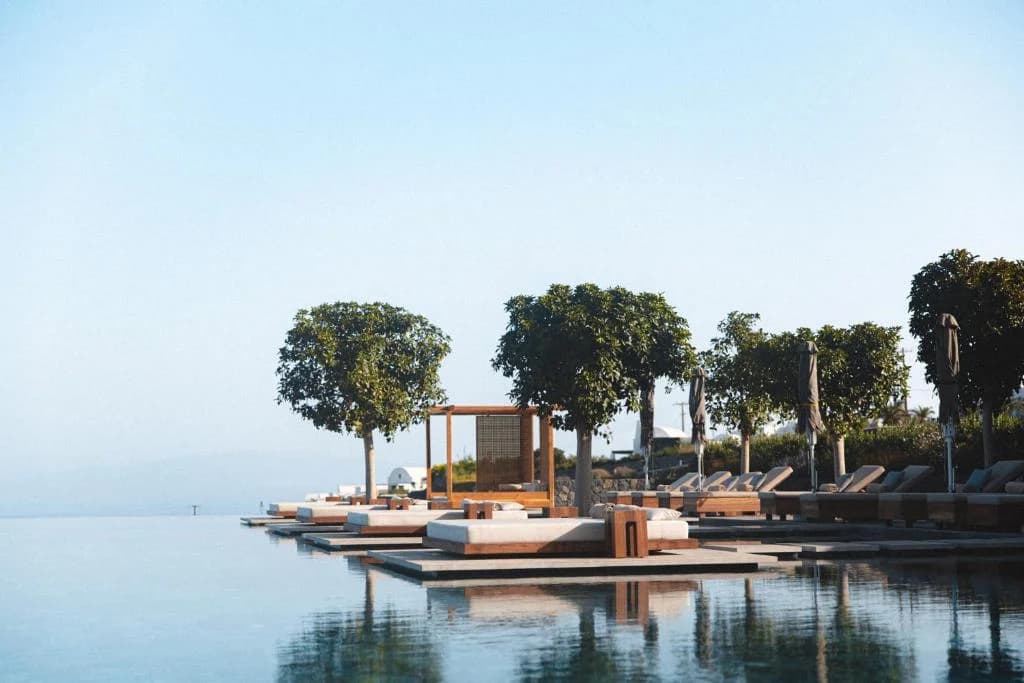
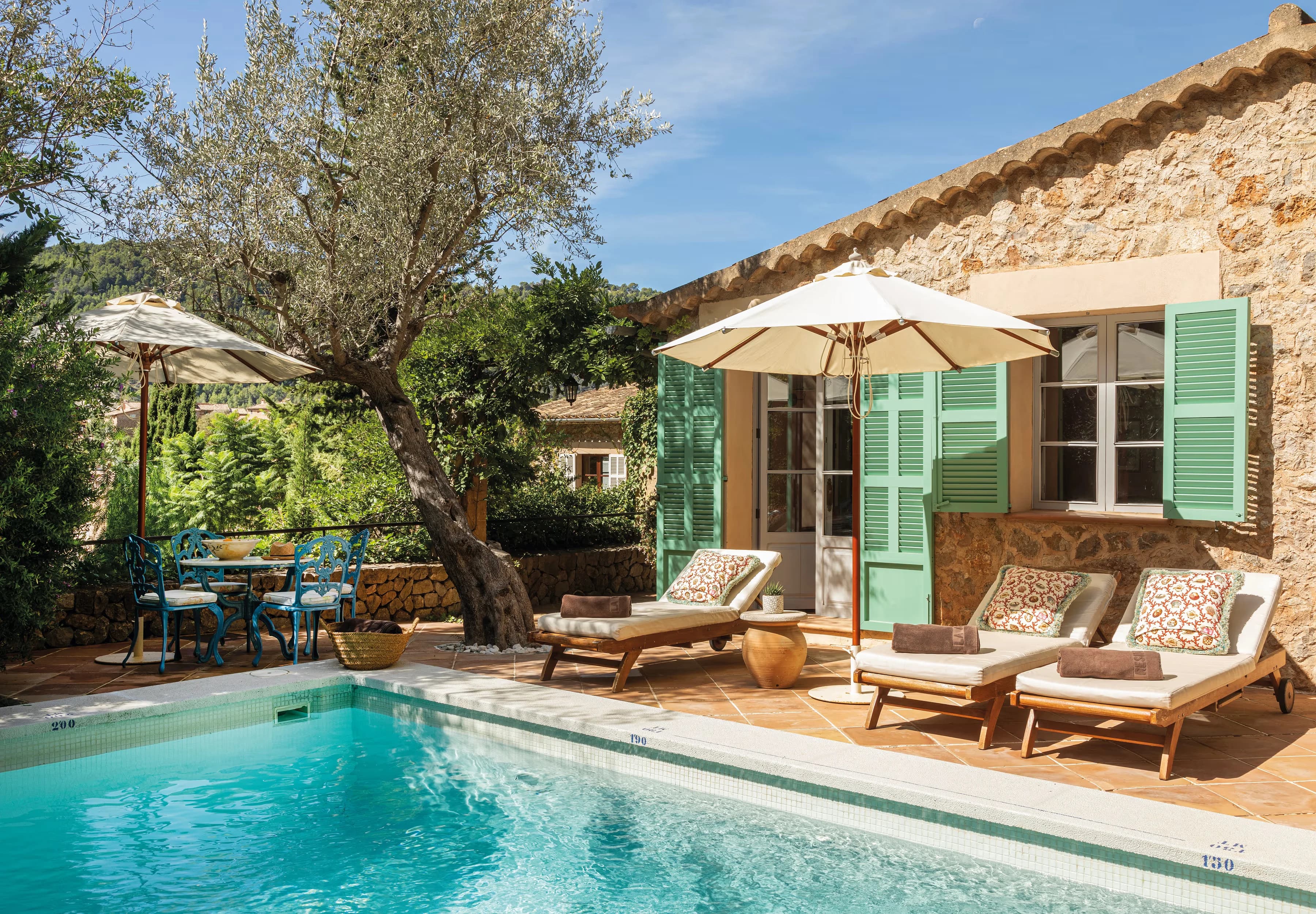
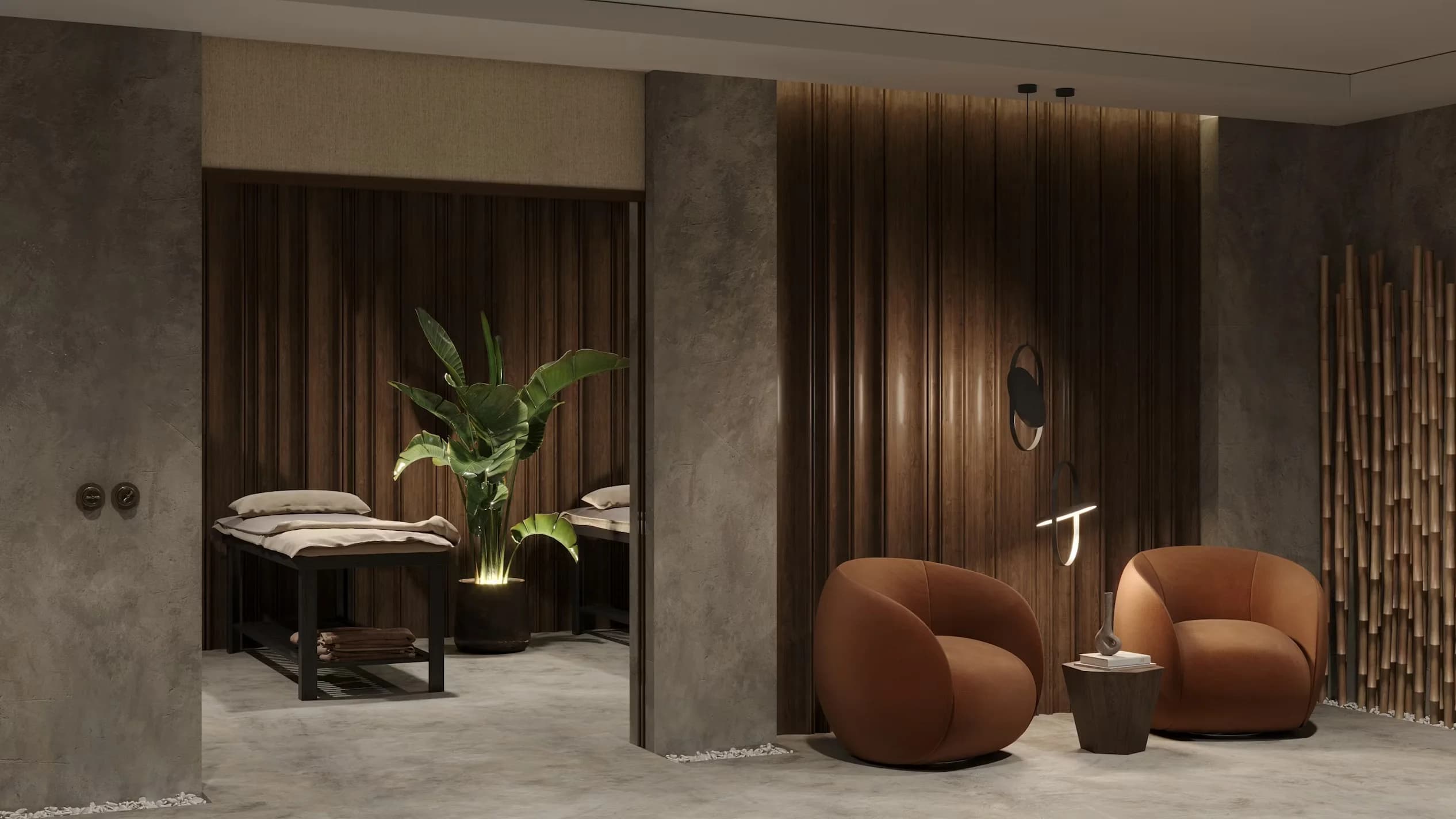
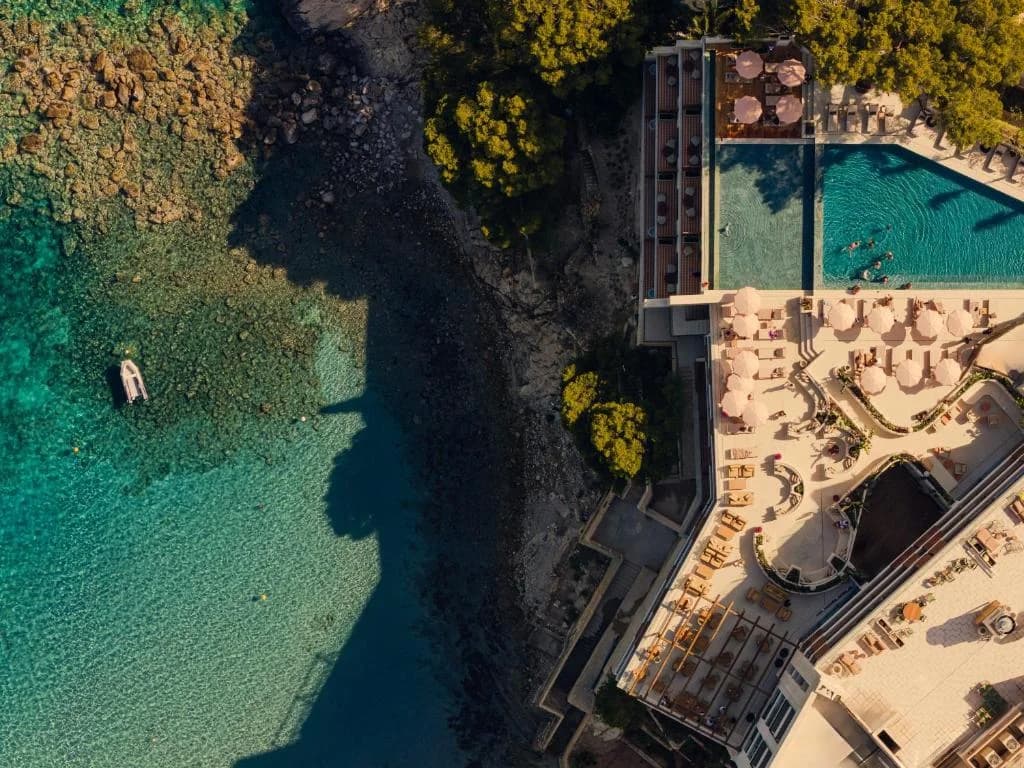
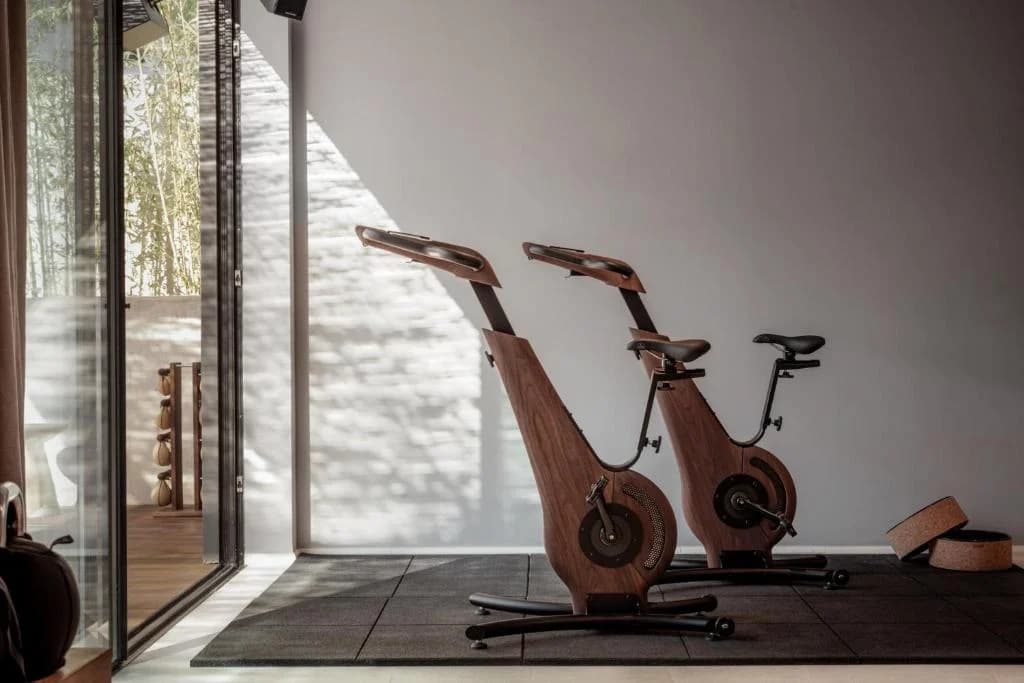
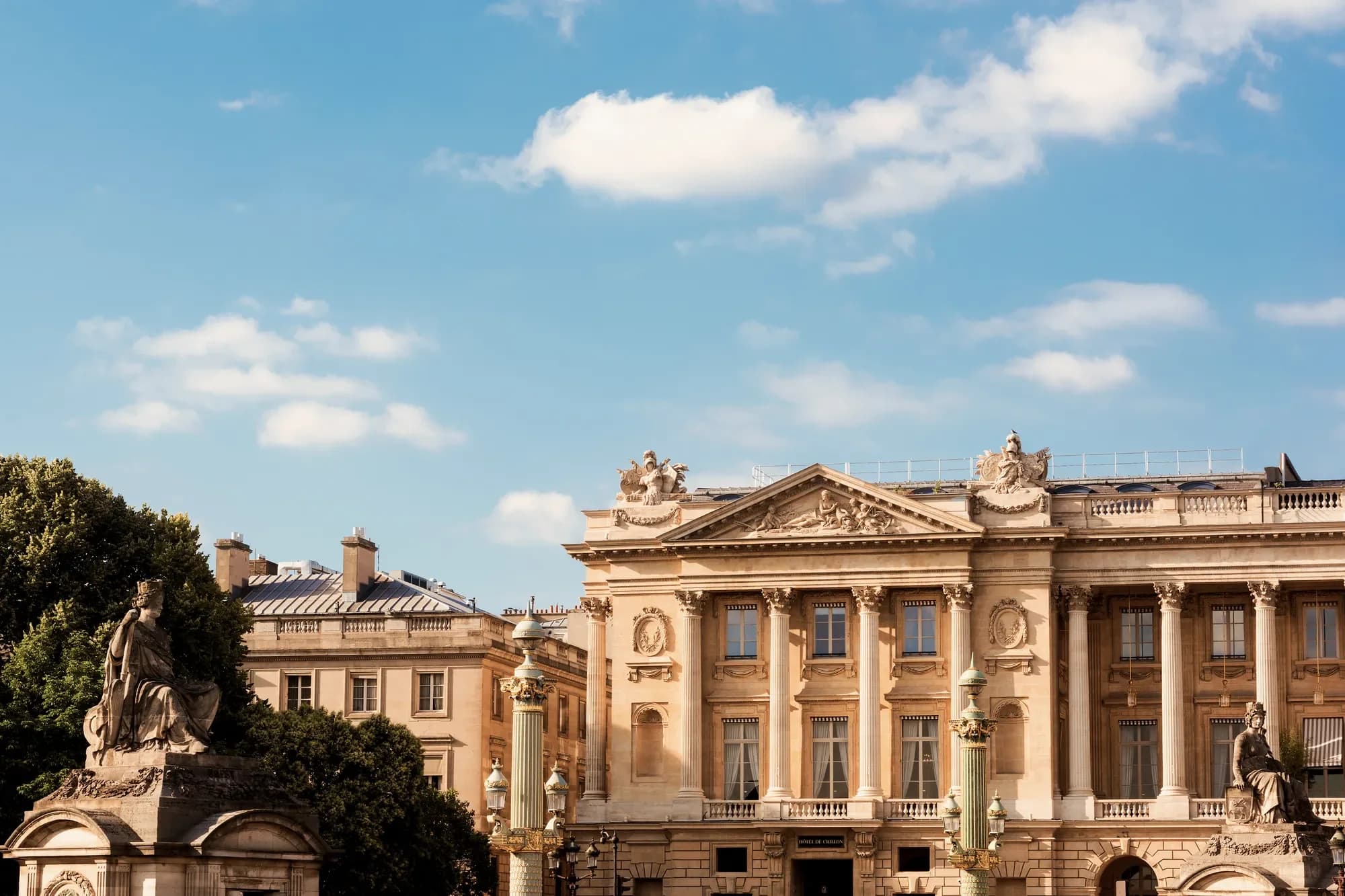
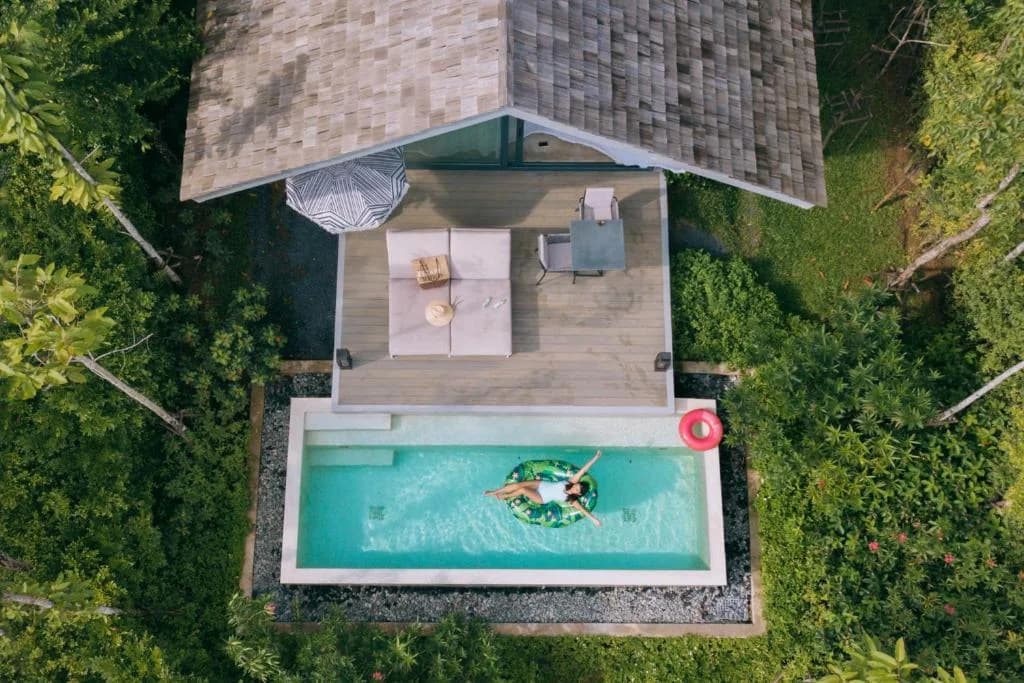
Amyth of Nicosia has a garden, shared lounge, a terrace and bar in Nicosia. Popular points of interest nearby include Ministry of Labour, Welfare, and Social Insurance – Nicosia, Ministry of the Inter

Nicosia is not a typical sun-and-sea Cypriot destination. As the island's capital and its only landlocked major city, it functions primarily as a political, commercial, and cultural hub. For high-end travelers who prefer depth over spectacle, that distinction matters. The city rewards those who arrive with curiosity rather than a beach itinerary, offering access to serious museums, restored Ottoman architecture, contemporary art spaces, and a dining scene that draws on both Greek Cypriot and broader Levantine culinary traditions.
2 hotels available

Amyth of Nicosia has a garden, shared lounge, a terrace and bar in Nicosia. Popular points of interest nearby include Ministry of Labour, Welfare, and Social Insurance – Nicosia, Ministry of the Inter

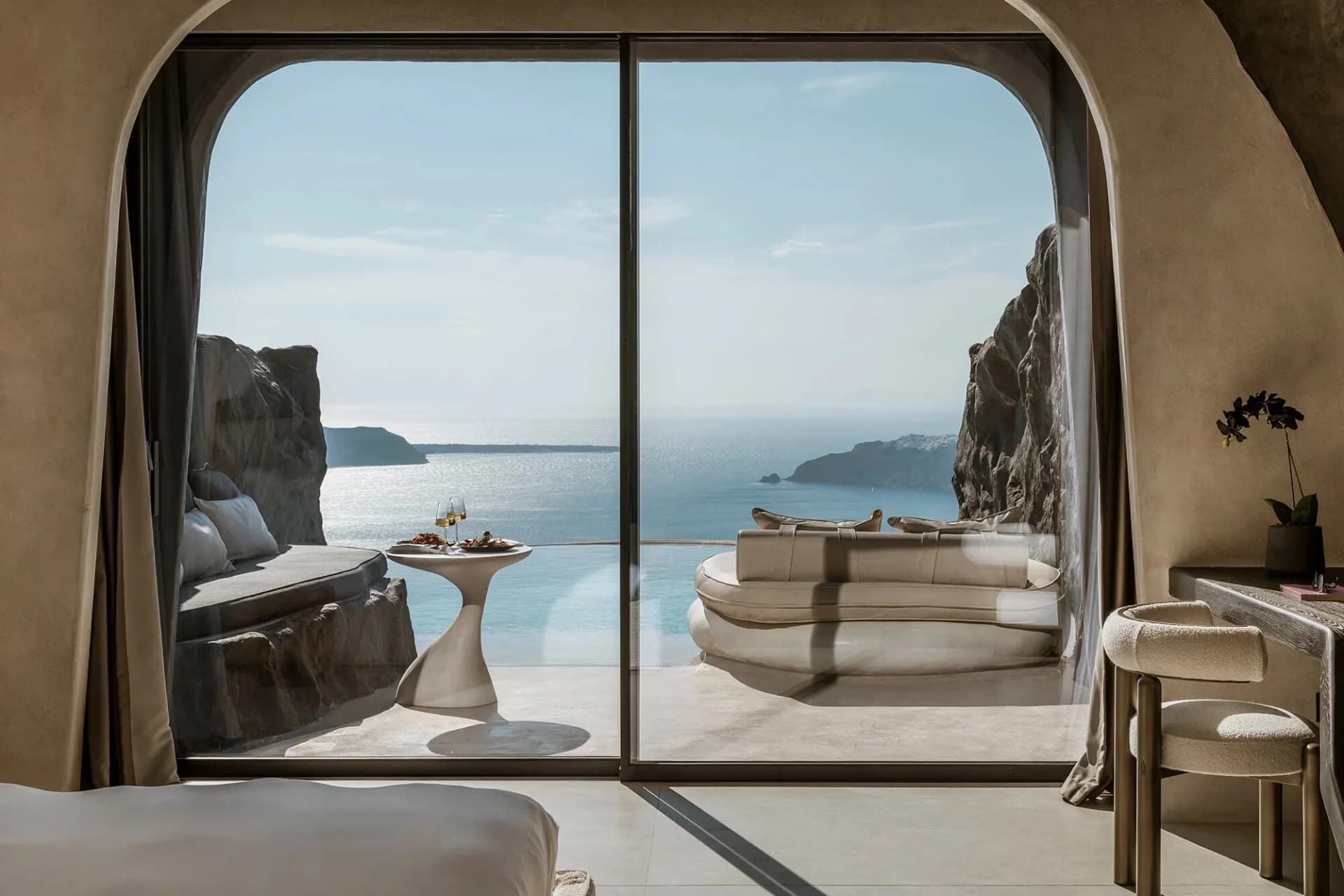
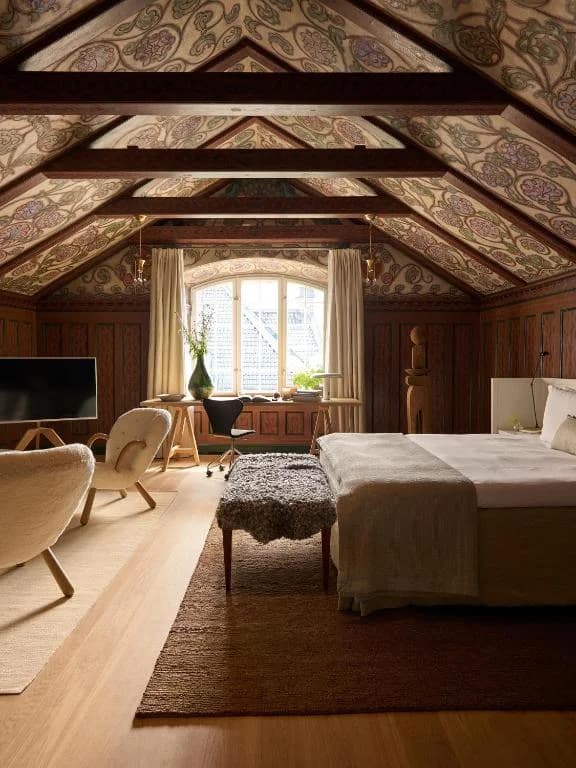
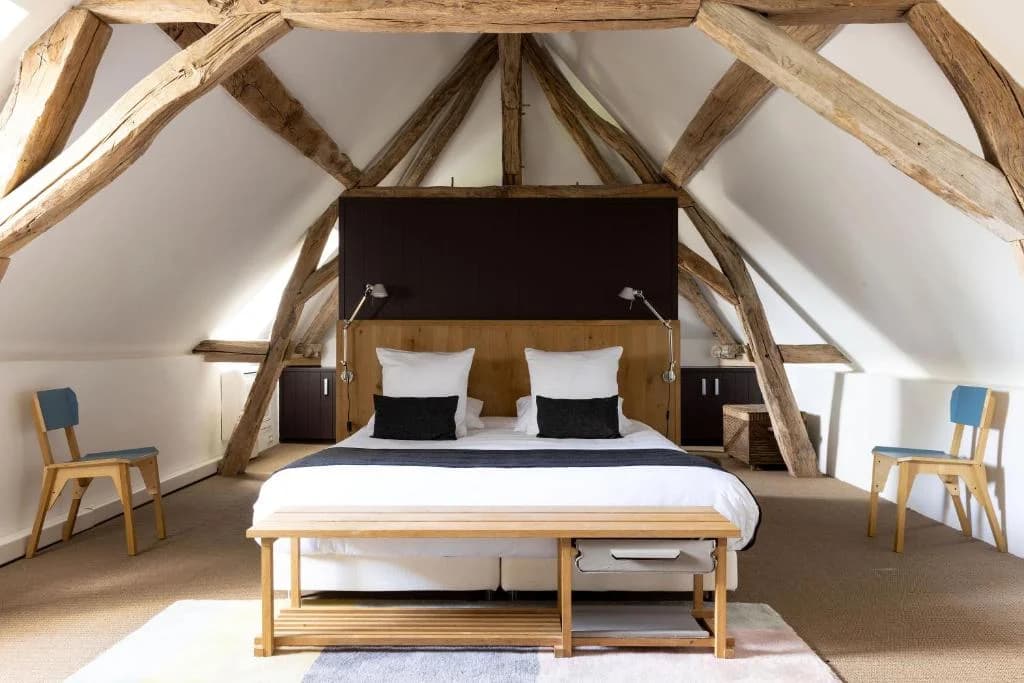
Located in Nicosia and with Filoxenia Conference Centre reachable within a 13-minute walk, The Landmark Nicosia, Autograph Collection has concierge services, non-smoking rooms, a restaurant, free WiFi
Luxury hotel suites in Nicosia tend to occupy either converted historic buildings within or near the old city walls, or purpose-built modern properties in the southern commercial districts of Engomi and Strovolos. The contrast between these two typologies is meaningful. One places you inside the texture of the city's past; the other prioritises contemporary amenities, clean lines, and proximity to embassies and business districts.
The historic centre, enclosed by the sixteenth-century Venetian walls, contains the majority of Nicosia's cultural assets: the Selimiye Mosque (formerly the Cathedral of Saint Sophia), the Leventis Municipal Museum, the Famagusta Gate cultural centre, and the narrow commercial artery of Ledra Street, which crosses the United Nations buffer zone. Properties here tend to offer boutique-scale accommodations, with architectural character replacing the scale of resort-style suites. Guests prioritise proximity to galleries and the pedestrianised old quarter over pool access or spa facilities.
Moving outward from the walls, the southern districts of Engomi, Strovolos, and the area around Makarios Avenue represent a different register entirely. This is where international hotel groups operate full-service properties with conference facilities, rooftop pools, and suites designed for corporate travelers or those attending the city's legal and financial sector events. The trade-off is distance from cultural landmarks, offset by operational efficiency and contemporary suite design.
Staying in properties close to the buffer zone, particularly around Ledra Palace or the old checkpoint areas, carries a particular atmospheric charge that urban travelers with an interest in geopolitics or documentary history tend to seek out. It is not comfortable in the conventional sense, but it is intellectually arresting in a way few city destinations can replicate.
Nicosia sits inland at a higher elevation than the coastal towns, which means it experiences more extreme temperature variations. Summers (July and August) are consistently hot, often exceeding 38 degrees Celsius, which makes outdoor exploration between midday and early evening effectively impractical. Spring (March to May) and autumn (September to November) represent the most comfortable windows for walking the old city and engaging with cultural programming.
The Nicosia International Festival, held annually, draws theatre and music programming to the city's historic venues. The Limassol Carnival and other island-wide events occasionally draw visitors inland, though Nicosia's own cultural calendar is dense enough to justify a visit independently. For business travelers, the city operates year-round with consistent hotel availability and relatively stable pricing compared to the coastal resort markets.
Cyprus does not operate a national palace-hotel classification system in the French tradition. The island's hospitality grading follows EU-aligned star ratings, and the term

Nicosia is Cyprus's only inland city and its political and cultural capital, which means the luxury suite experience here is defined by architecture, history, and urban culture rather than beach or resort access. Travelers who choose Nicosia for a suite stay are typically drawn to its museums, restored Ottoman and Byzantine heritage, and its geopolitically unique status as a divided capital.
Nicosia offers two principal suite typologies: boutique properties within or adjacent to the Venetian-walled old city, where architectural character and cultural proximity are the primary draw, and full-service modern hotels in the southern commercial districts that prioritise contemporary design, business amenities, and operational scale. The right choice depends on whether the traveler is visiting for cultural immersion or professional purposes.
Spring (March to May) and early autumn (September to October) offer the most balanced conditions for exploring Nicosia, with temperatures suitable for walking the walled city and engaging with cultural venues. Summer months are intensely hot given the city's inland position, and while hotels remain operational, outdoor itineraries require careful planning around midday heat.
For travelers who value cultural depth, historical layering, and urban authenticity over resort amenities, Nicosia is a genuinely compelling short-break destination. It functions as a serious city with museums, galleries, and a distinctive culinary scene informed by Greek Cypriot and Levantine traditions, which positions it closer to a destination like Valletta or Valletta or Nicosia than a leisure resort.
The buffer zone administered by the United Nations runs through the centre of the old city, and pedestrian crossings allow visitors to move between the Republic of Cyprus and the northern territory. Luxury hotel guests staying within the walled city will encounter this division as part of the urban fabric. It adds a layer of historical and geopolitical interest rather than disrupting the stay itself.
Nicosia's principal cultural assets include the Cyprus Museum (one of the most significant archaeological collections in the eastern Mediterranean), the Leventis Municipal Museum, the Famagusta Gate arts centre, and a cluster of contemporary galleries concentrated in the old city. The Byzantine Church of Chrysaliniotissa and the Selimiye Mosque, formerly the Gothic Cathedral of Saint Sophia, offer architectural experiences of considerable weight.
Nicosia's luxury hotel market generally operates at more stable and sometimes lower price points than the coastal resort destinations of Limassol or Paphos during peak summer season. The absence of beach access and resort-style amenities means that suite rates in Nicosia reflect urban hotel positioning rather than seasonal resort premiums, though high-end properties in the city maintain competitive pricing for suite categories year-round.
Yes. Nicosia's role as the commercial and legal capital of Cyprus makes it a natural base for business travel. Several of the city's full-service hotel properties have been designed with corporate travelers in mind, offering suites with dedicated workspace, conferencing access, and proximity to the financial districts south of the old city. The city's international airport at Larnaca is approximately 45 minutes by road.
Cyprus follows EU-aligned hotel rating standards rather than a national prestige classification like France's Palace designation. In Nicosia specifically, the most respected properties distinguish themselves through personalized service, architectural quality, and culinary programming rather than scale. Travelers accustomed to Middle Eastern or European palace-hotel standards should assess properties on suite design and service depth rather than star ratings alone.
Nicosia is a city where the gap between a generic hotel room and a genuinely considered suite stay is significant. La Suite applies editorial curation rather than algorithmic aggregation, identifying properties where spatial quality, service, and location cohere into a coherent experience. For a destination as layered and architecturally specific as Nicosia, that curation removes the research burden and ensures the stay matches the traveler's actual priorities.