Best Neighbourhoods and Regions for a Luxury Suite in Croatia
Dubrovnik Old City and Lapad Peninsula
Dubrovnik is Croatia's most architecturally coherent destination. The Old City — a UNESCO World Heritage Site enclosed by 13th-century limestone walls — contains a concentrated cluster of high-category hotels positioned within or immediately adjacent to the historic core. Properties here are typically conversions of Baroque palaces and merchant houses, with room inventories that are deliberately small. The Lapad Peninsula, a 15-minute drive from the Pile Gate, offers larger resort footprints with direct sea access, greater privacy and pool architecture that is less constrained by heritage preservation requirements.
Hvar Town and the Pakleni Islands
Hvar Island operates as the Croatian Adriatic's most design-forward destination. The town itself, built around a 16th-century Venetian loggia and a fortified hilltop, supports a small number of boutique properties with considered interiors. The Pakleni Islands — a short boat transfer from the main harbour — host ultra-private villa complexes with direct water access. This geography rewards guests who understand the operational logic of island travel: transfers, tender boats and limited road infrastructure are features of the experience rather than inconveniences.
Split — Diocletian's Palace District
Split is increasingly relevant as a luxury destination in its own right, not merely as a transit hub. The Diocletian's Palace district — a Roman imperial complex repurposed into a living urban fabric — has seen a generation of careful hotel conversions. Suites here occupy spaces that have served as apartments, workshops and chapels over seventeen centuries. The architectural compression is extreme and deliberate. Split also functions as the primary gateway to the Dalmatian islands, making it a logical base for itinerary-led travel.
The Dalmatian Islands — Brač, Korčula and Vis
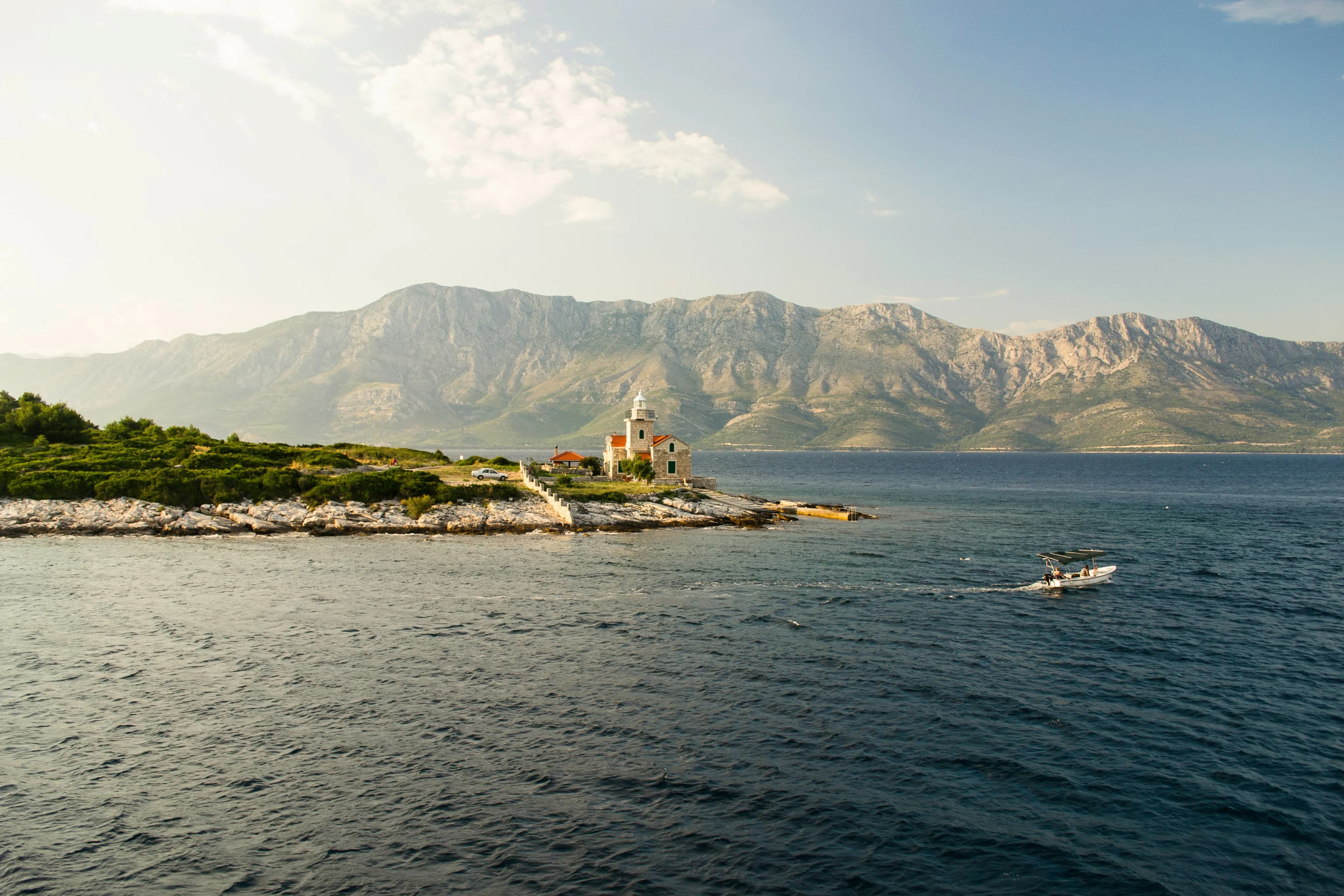
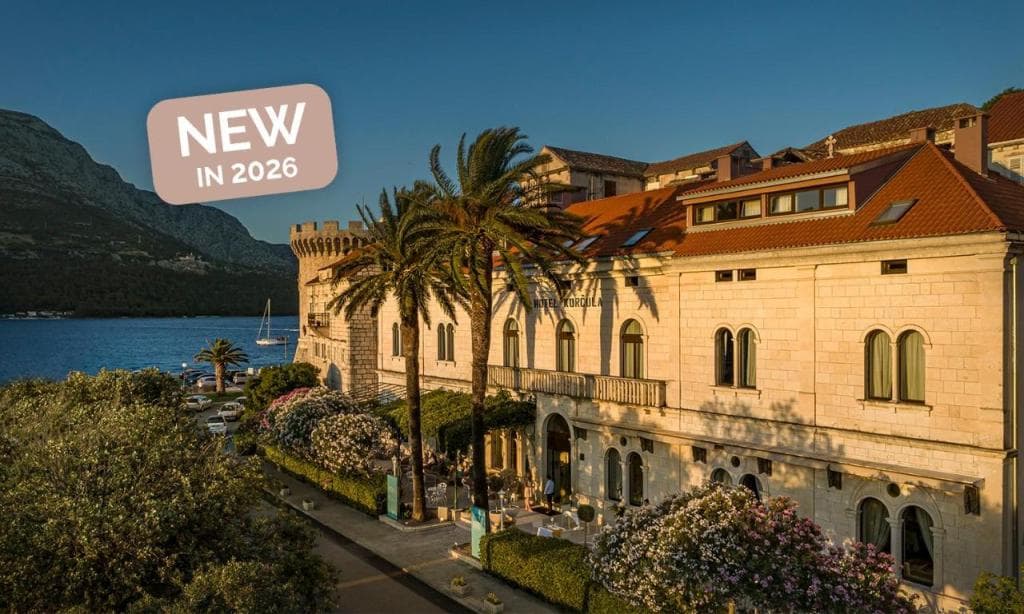
Beyond Hvar, the Dalmatian archipelago contains islands that remain materially less developed. Brač is known for its white limestone — the same stone used in Diocletian's Palace and, according to local record, the White House — and for the beach at Bol. Korčula, historically identified as the birthplace of Marco Polo, has a compact walled old town that supports a handful of refined smaller properties. Vis, the most remote of the major Dalmatian islands with ferry access only from Split, offers a degree of genuine seclusion that is increasingly rare in the central Adriatic.
Istria — Rovinj and the Interior
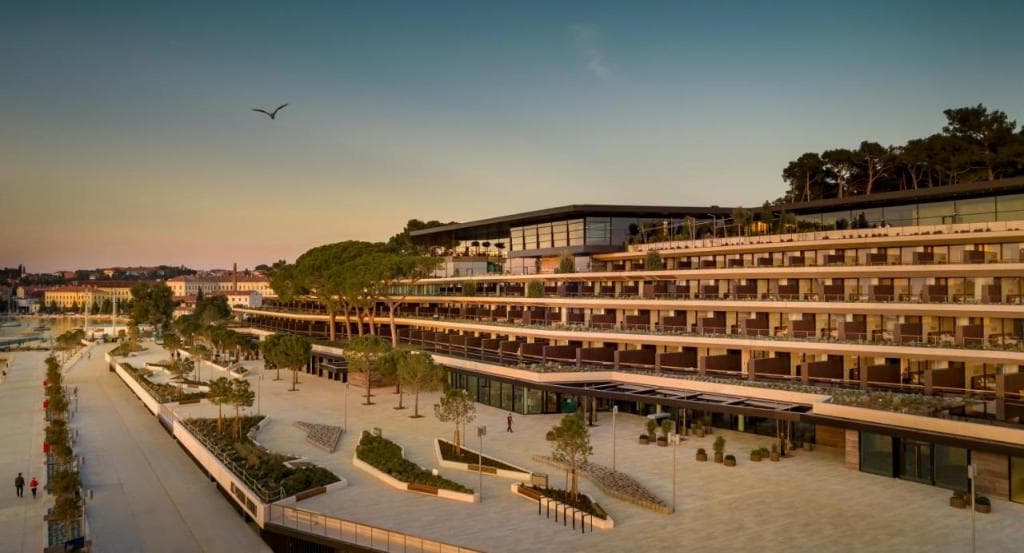
Istria occupies Croatia's northwestern peninsula and operates on a different cultural register from Dalmatia — more Venetian, more continental, more gastronomically oriented. Rovinj, built on a promontory originally separated from the mainland by a canal, contains a cluster of high-performing hotel operations that have invested consistently in architecture and culinary programming. The Istrian interior — truffle country, with hilltop towns such as Motovun and Grožnjan — supports an emerging category of agrarian luxury in converted farmhouses and estate properties.
When to Visit Croatia for a Luxury Hotel Experience
The Croatian tourism calendar is heavily compressed into a ten-week summer season, which has direct consequences for suite availability, pricing and the character of each destination. Understanding the seasonal logic is not optional for anyone operating at the top of the market.
July and August represent peak demand across all coastal destinations. Occupancy at the best properties reaches near-capacity, prices are at annual highs, and the Old City of Dubrovnik in particular operates at pedestrian densities that can compromise the experience of moving through it. These months suit guests who have confirmed reservations well in advance and whose primary objective is sea swimming in optimal temperature conditions — the Adriatic reaches 26–28°C in this window.
June and September represent the most considered months for luxury travel in Croatia. Weather is reliable, water temperatures remain comfortable, and the operational pressure on restaurants, transfers and staff is materially lower. Properties are more likely to accommodate specific requests, and the visual character of each destination is cleaner.
May and October are viable for Istria and for inland Croatia, where the appeal is not sea-dependent. The truffle season in Istria runs from late September through November, drawing a food-literate audience that overlaps precisely with the luxury travel market. Dubrovnik in shoulder season — October in particular — offers the Old City in a condition closer to its historical function as a working port city.
The Dubrovnik Summer Festival, held annually from mid-July to late August, uses the walls, forts and squares of the Old City as performance spaces. For guests whose interest in Dubrovnik extends to cultural programming, this window is relevant despite the crowd density it brings.
Local Luxury Standards in Croatia — What the Classifications Mean
Croatia's formal hotel classification system operates on a five-star scale administered by the Ministry of Tourism and Sports. The five-star designation is necessary but not sufficient as a marker of genuine quality at the suite level. Croatia does not operate a state-conferred prestige label equivalent to the French Palace designation or the Portuguese Leading Hotels standard, though a number of Croatian properties hold membership in international collections such as Leading Hotels of the World, Relais & Châteaux and Small Luxury Hotels of the World.
These international affiliations carry more practical weight than the national star rating for guests selecting at the luxury tier. Relais & Châteaux membership in particular signals a commitment to culinary standards and property individuality that aligns with the expectations of design-literate travellers. The Small Luxury Hotels designation tends to indicate smaller inventory and a higher staff-to-guest ratio, both of which are relevant to suite-level service delivery.
Croatia's luxury market also includes a growing number of independently operated properties that carry no affiliation but whose architecture, ownership commitment and operational consistency place them at or above the standard of affiliated competitors. These are typically the hardest properties to identify through conventional search — and the most consequential to know about.
How to Choose the Best Luxury Suite in Croatia — Practical Criteria
Suite selection in Croatia requires applying a different set of criteria than in Paris or London. The relevant variables are more physical and logistical, less about brand architecture.
Sea view orientation matters more here than in most markets. The Adriatic light — particularly in the late afternoon — is one of Croatia's consistent architectural assets. Suites facing west or southwest on the Dalmatian coast will receive it. Confirm exact orientation before booking, not category description.
Transfer logistics are underappreciated. If a property is on an island, understand the transfer chain: the nearest airport, the ferry port, the tender service if applicable, and the time each leg requires. A Hvar property that is 20 minutes by water taxi from Split is materially different in operational terms from one that requires a scheduled ferry.
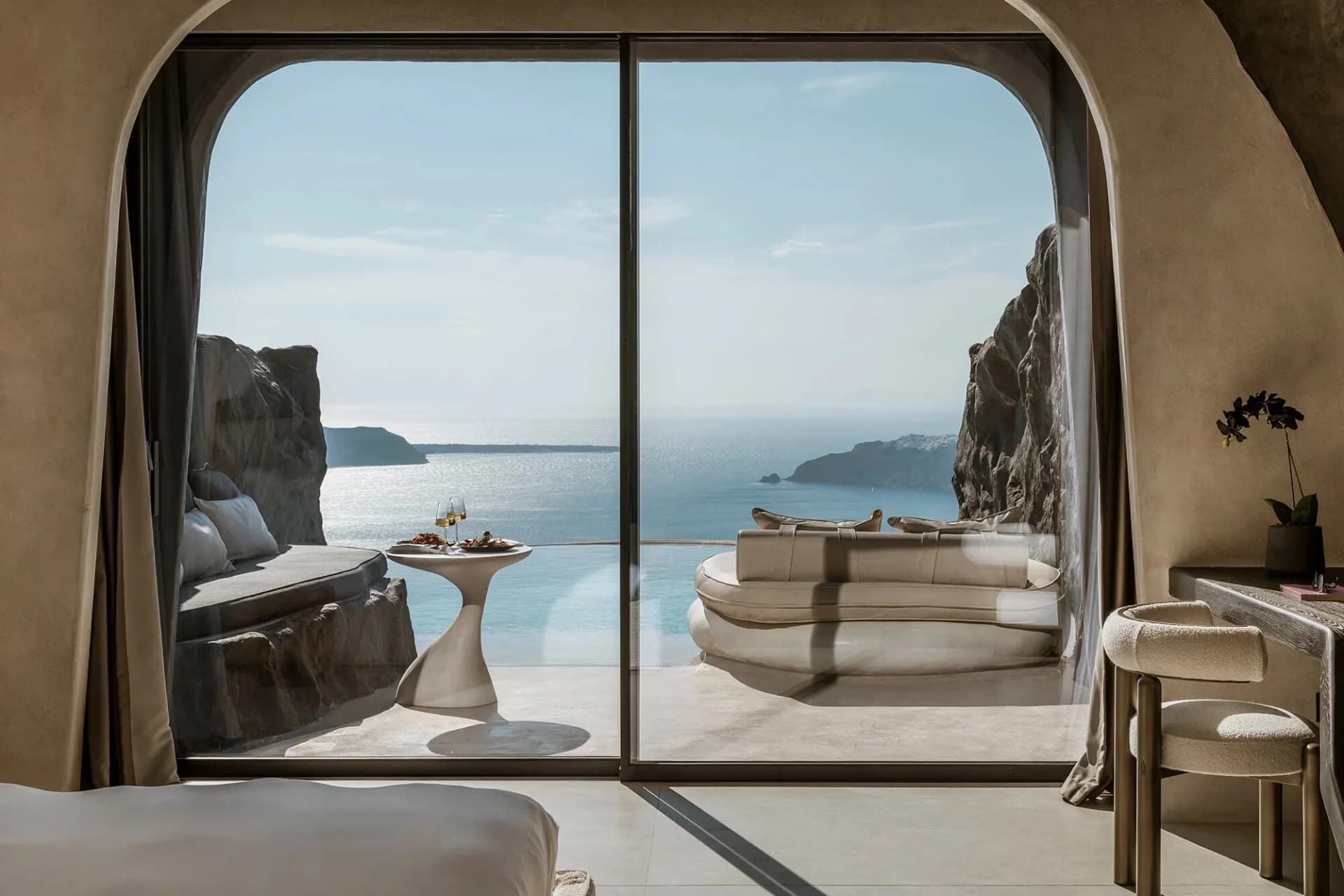
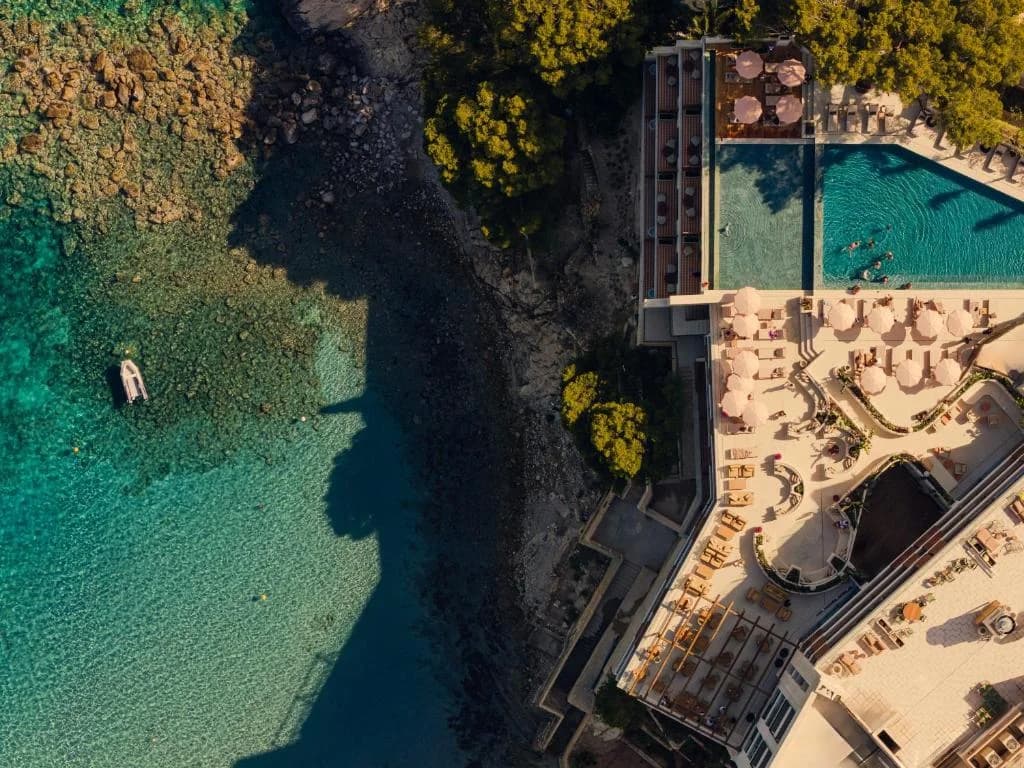
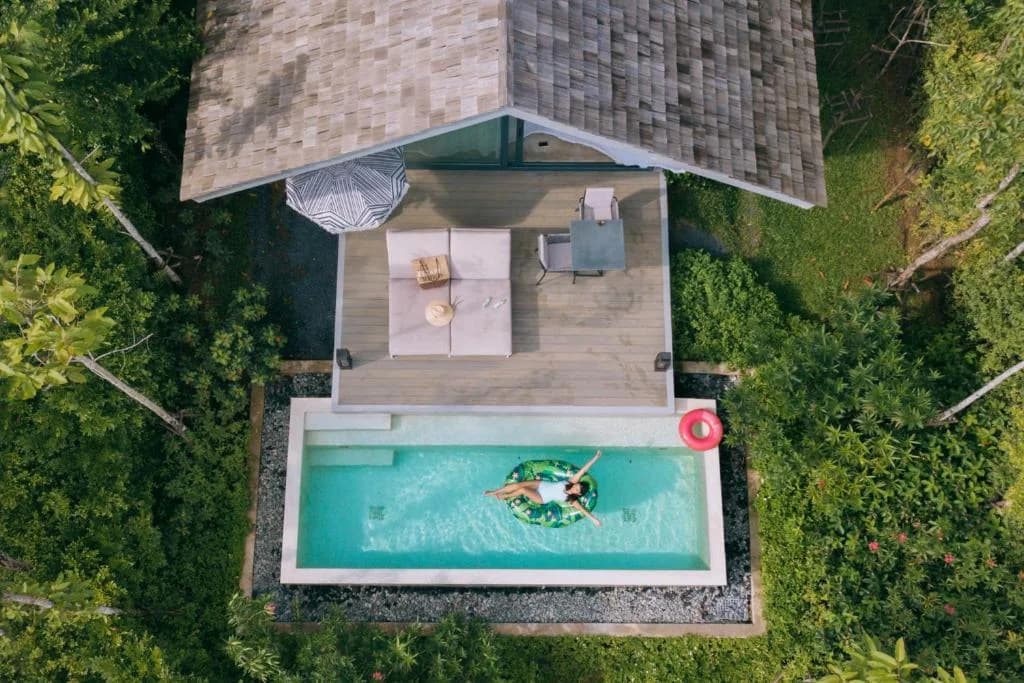
Private pool versus shared pool is a binary that matters at this level. Croatia has developed a strong inventory of suites with private terrace pools, particularly in cliff-face and hillside properties along the Dalmatian coast. These are not interchangeable with rooftop infinity pools, which are shared infrastructure regardless of suite category.
Confirm air conditioning specification. Croatia's summer temperatures routinely exceed 35°C, and heritage conversions — stone buildings in particular — can retain heat. Suite-level climate control should be verified, not assumed.
Why a Curated Selection Matters in Croatia's Luxury Hotel Market
Croatia's hotel market has expanded rapidly over the past decade. Investment has flowed into the country from Central European, domestic and international capital, producing a wide range of properties that carry luxury-adjacent branding without necessarily delivering at that standard. The category is now large enough that navigating it without prior knowledge produces poor outcomes even for experienced travellers.
A curated selection performs a different function from a search engine or an OTA ranking. It applies consistent criteria across a market and filters out properties that present well photographically but underperform operationally. In Croatia specifically, the gap between the best properties and the second tier is significant — particularly in suite-level service, breakfast quality, and the coherence of interior design.
La Suite's selection of 67 properties across Croatia represents the outcome of that filtering process. It is not a comprehensive directory. It is a working shortlist.
Frequently Asked Questions — Luxury Hotel Suites in Croatia