The distinct areas of Copenhagen for luxury suite stays
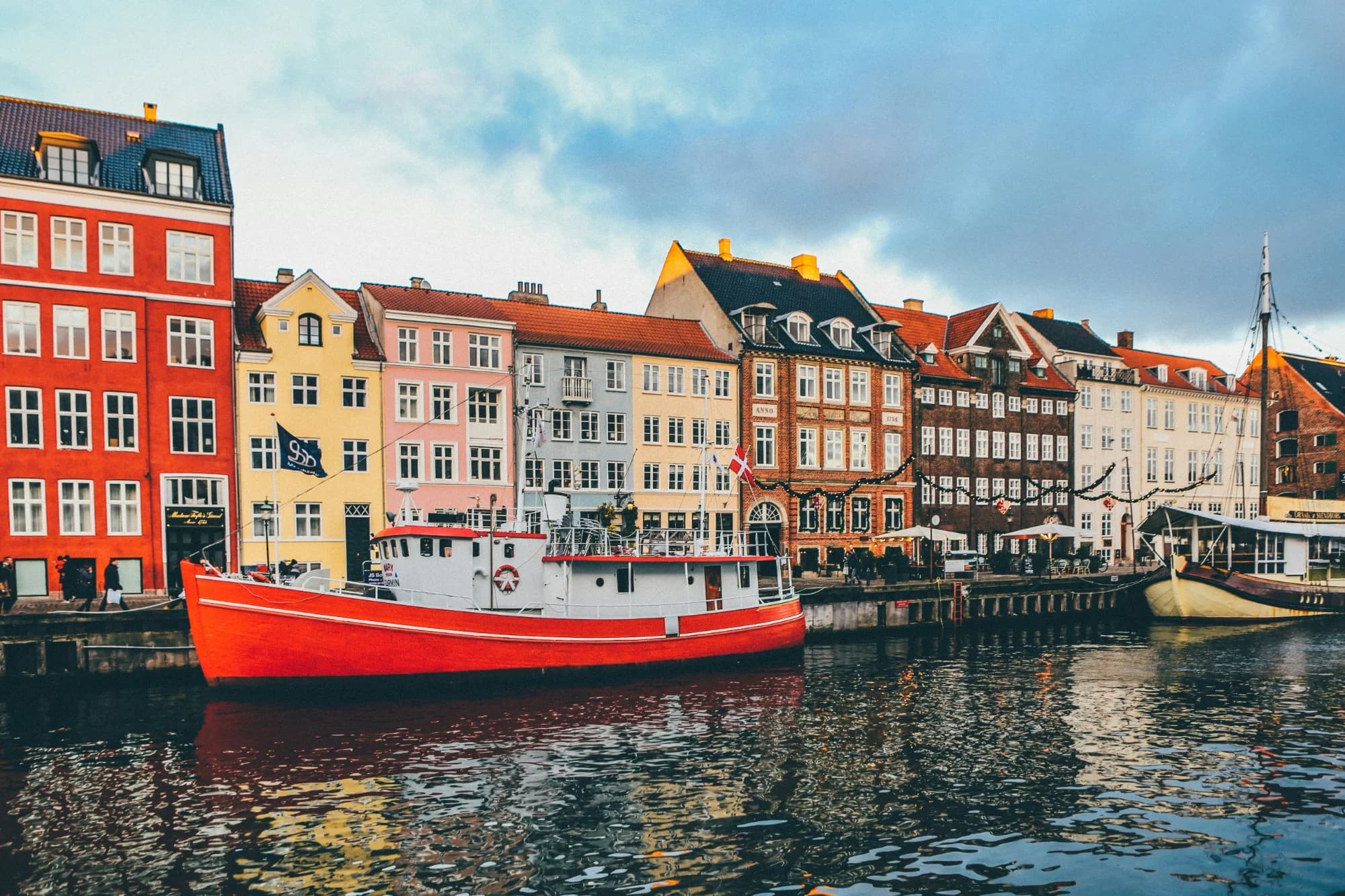
The historic center, anchored by Kongens Nytorv and the Nyhavn canal district, concentrates the city's most established luxury hotels. The architecture here is Georgian and Baroque, and the proximity to the Royal Danish Theatre, the National Gallery of Denmark, and the pedestrian axis of Strøget makes it the natural address for travelers oriented around culture and convenience.
Frederiksstaden, the planned district commissioned by Frederik V in the eighteenth century, offers a more formal and monumental scale. The symmetrical palaces and broad avenues create a setting that aligns with the sensibility of high-end suite travel: ordered, unhurried, and quietly prestigious.
The Meatpacking District (Kødbyen) and the neighboring areas of Vesterbro represent a different register. Once industrial, this part of the city now hosts some of the most forward-looking dining, gallery, and creative spaces in Scandinavia. Travelers who prioritize access to Copenhagen's contemporary cultural scene may find this area more aligned with their interests.
Christianshavn, across the inner harbor, offers canal-side tranquility within walking distance of the center. Its architectural character, a mix of seventeenth-century Dutch-influenced urban planning and contemporary cultural landmarks, provides a quieter counterpoint to the busier tourist corridors.
When to visit Copenhagen for a luxury suite stay
Copenhagen's calendar distributes its appeal across multiple seasons, and the timing of a visit should be considered alongside the type of experience being sought.
Late spring, from May through June, delivers the most agreeable climate. The city opens fully: outdoor dining returns, the harbor baths become active, and daylight extends well into the evening. This period also precedes the peak summer influx, making suite availability more manageable and the city itself more navigable.
Summer, from July through August, is the most visited period. The Distortion festival in late May and early June, the Copenhagen Jazz Festival in July, and various design and food events draw international visitors. Suite rates at leading luxury hotels reflect this demand, and early reservation is advisable.
September and October represent a genuinely underrated window. The summer crowds recede, cultural programming resumes at full intensity for the autumn season, and the light takes on the amber quality that defines Nordic autumn. For travelers who value atmosphere over temperature, this is arguably the most rewarding time to be in Copenhagen.
Winter, while cold and dark, carries its own appeal. The Danish concept of hygge, broadly understood as an emphasis on warmth, comfort, and interior quality of life, is most authentically experienced during these months. A well-chosen luxury suite in winter Copenhagen becomes an experience in itself: the city outside, the room as retreat.
Understanding luxury hotel standards in Copenhagen
Denmark does not operate a formal palace classification equivalent to the French distinction, but Copenhagen's top-tier hotels are evaluated against international five-star frameworks and, increasingly, against their own Scandinavian benchmarks of material quality and spatial design.
What distinguishes the finest luxury hotel suites in Copenhagen is rarely scale alone. The emphasis is placed on craftsmanship: the choice of textiles, the sourcing of furniture, the integration of natural materials including stone, wool, and wood. Danish design heritage, rooted in the mid-century modernist movement of figures such as Arne Jacobsen and Hans Wegner, is frequently referenced in interiors, sometimes through original pieces and sometimes through considered contemporary interpretation.
Service standards at leading Copenhagen hotels are defined by discretion and competence rather than ceremony. The Nordic hospitality model tends toward efficiency and genuine engagement rather than formality, which many high-end travelers find more comfortable than the hierarchical service structures common in other luxury markets.
Culinary access is a meaningful dimension of the luxury hotel experience in Copenhagen. The city holds a disproportionate number of Michelin-starred restaurants relative to its size, and the best luxury hotels either operate their own acclaimed dining programs or maintain relationships that give guests access to reservations that would otherwise require months of lead time.
How to choose the best luxury suite in Copenhagen
The primary consideration for suite selection in Copenhagen is the relationship between the room and its surroundings. A waterfront suite facing the inner harbor delivers a view that changes throughout the day and across the seasons. A suite positioned above a historic square offers a more urban, architecturally framed outlook. These are not equivalent experiences, and the choice should reflect the traveler's priorities.
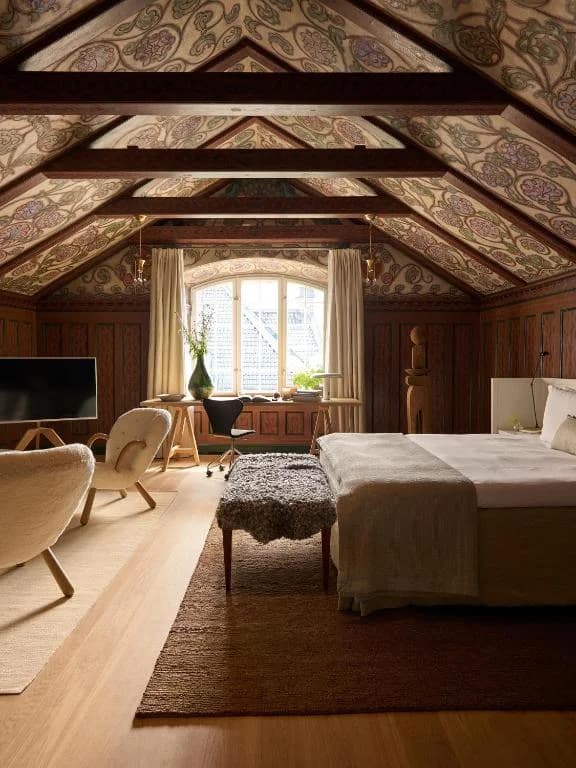
Architectural character also merits attention. Copenhagen's luxury hotels range from historic conversions, where nineteenth-century or earlier building fabric has been preserved and adapted, to purpose-built contemporary properties that express a more current Scandinavian aesthetic. Travelers with a preference for original period detail should examine the provenance of the building, not only its current star rating.
Suite size in Copenhagen tends toward functional generosity rather than excess. The local design sensibility favors rooms that are proportioned for use rather than display, with storage, lighting, and material quality receiving as much consideration as floor area.
Proximity to specific interests should factor into selection. Those visiting for the restaurant culture will prioritize location relative to Noma's legacy neighborhood and the concentration of serious kitchens in Vesterbro and Nørrebro. Those attending events at the Royal Opera House or the Copenhagen Concert Hall will weight proximity to Christianshavn and the harbor accordingly.
Why La Suite's curated selection matters in Copenhagen
Copenhagen's luxury hotel market is not large, but it is precise. The distinction between a genuinely exceptional suite and a standard five-star room is not always legible from a booking platform or a brand website. La Suite applies direct editorial judgment to that distinction.
The curated selection by La Suite identifies the suites in Copenhagen that deliver against the criteria that matter to a specific type of traveler: spatial quality, material integrity, service calibration, and the coherence of the surrounding experience. In a city where the standards are high but the market is selective, that curation removes the friction of research and replaces it with confidence in the choice.
For a city that asks its visitors to slow down, to notice the details, and to engage with quality on its own terms, arriving in the right suite is not incidental. It is the first decision that shapes everything that follows.