What makes Pärnu a destination for suite travel
The city's architectural fabric includes wooden villas from the early twentieth century, Art Nouveau details and Soviet-era sanatorium structures that have, in several cases, been intelligently converted into contemporary wellness hotels. This layering of periods gives Pärnu a visual texture that more polished resort destinations often lack.
The distinct areas of Pärnu worth knowing
The beach district
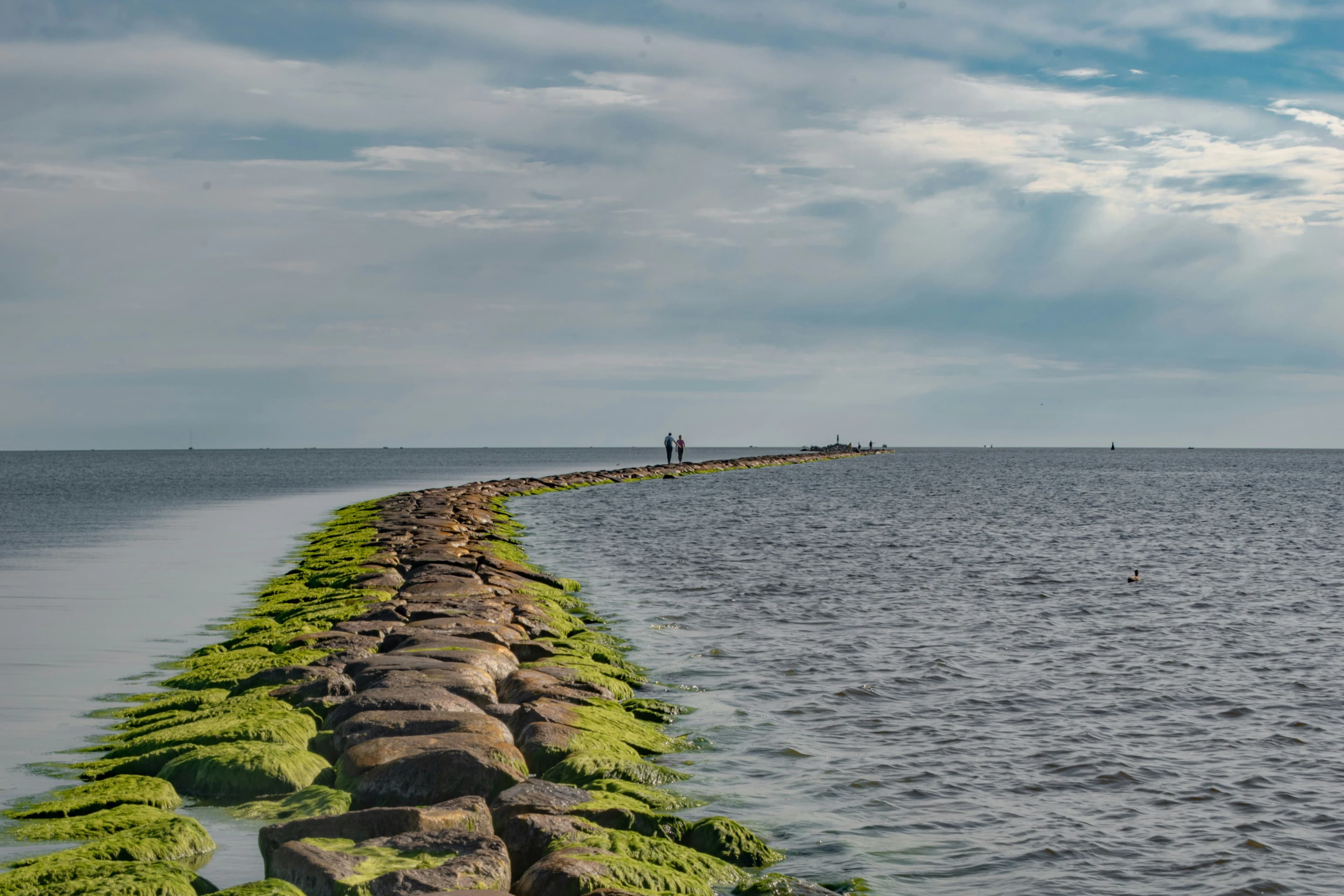
The western edge of the city, where the long sandy beach meets a promenade of white villas and resort hotels, is where most high-end accommodation concentrates. The beach itself stretches for several kilometres and remains uncrowded by Scandinavian or Baltic standards even in peak season. Properties in this area offer direct access to the sand and, in several cases, private spa and hydrotherapy facilities that reflect the town's long wellness heritage.
The old town and riverside
The historic centre, compact and walkable, contains the 17th-century Red Tower, the baroque Elizabeth Church and a grid of streets lined with painted wooden houses. Staying near the riverside offers proximity to restaurants and cultural venues while maintaining a quieter atmosphere than the beachfront. Some smaller boutique properties in this zone provide a more intimate alternative to the larger resort hotels.
The forest periphery
Beyond the town limits, stands of pine and birch frame the approach roads and extend toward the coast. A small number of private retreats and villa-style accommodations have established themselves in this more secluded zone, appealing to travelers who prioritise privacy above proximity to town amenities.
When to visit Pärnu for a luxury suite stay
The high season runs from late June through August, when daylight extends well past ten in the evening and the city fills with Estonian families, Finnish visitors arriving by ferry and a growing number of international travelers. Suite availability at the better properties is tightest during July, and advance planning of two to three months is advisable for the most sought-after accommodations.
May and early June offer a compelling alternative. The light is extraordinary in this period, the crowds have not yet arrived and many spa hotels operate at full capacity year-round, making them genuinely functional outside summer. September retains warmth, the sea temperature remains reasonable and the quality of light shifts toward something more amber and photogenic.
Winter in Pärnu is quiet to the point of stillness. The beach empties, several seasonal restaurants close and the atmosphere becomes almost Nordic in its austerity. For travelers who find that appealing, and some do, the spa-focused hotels maintain their full programs and rates are significantly lower.
Understanding luxury standards in Pärnu and Estonia
Estonia does not operate a formal palace hotel designation as France does, nor does it have an equivalent to the Italian relais category. The national hotel classification follows the standard European star system, and the five-star tier in Pärnu is small. What distinguishes the top end here is less about formal category and more about wellness infrastructure, design quality and the calibre of spa programming.
The Estonian spa hotel tradition has roots in the 19th-century sanatorium culture established when Pärnu was a fashionable resort for the Russian and Baltic German elite. Contemporary five-star properties have built on this heritage, offering medical-grade thalassotherapy, mud treatments using local peat and curated wellness programs that extend beyond standard hotel spa offerings. When evaluating a luxury hotel suite in Pärnu, the quality of the spa and wellness facilities is as important a criterion as the room itself.
Service culture in Estonia is understated and efficient. Staff are rarely effusive, and the interaction style tends toward professional discretion rather than warmth. Travelers accustomed to Mediterranean or Southeast Asian hospitality registers should calibrate their expectations accordingly. This is not a limitation: it is consistent with the country's broader character, and many guests find it refreshing. For a broader understanding of the regional context, explore La Suite's curated selection across Estonia and the wider European luxury hotel market.
How to choose the right suite in Pärnu
Beach-facing versus town-centre properties
The primary choice facing a traveler in Pärnu is between beach-oriented resort hotels and smaller properties in or near the historic centre. The former offer sea views, direct beach access and the most developed spa infrastructure. The latter prioritise architectural character and proximity to the city's cultural life. Both categories can accommodate a luxury suite stay; the decision depends on whether the priority is wellness immersion or cultural engagement.
Spa facilities as a selection criterion
Given Pärnu's identity as a spa destination, the quality of in-house wellness offerings should weigh heavily in any suite selection. The best properties offer dedicated spa floors, hydrotherapy pools, peat and mud treatments, and nutritional programs. A suite without access to serious spa facilities represents an incomplete experience of what this city distinctively offers.
Seasonal considerations for suite choice
In summer, a suite with a terrace or balcony oriented toward the sea makes full use of the extended Baltic evenings. In winter or shoulder season, proximity to indoor spa facilities and the quality of the room's own thermal comfort become the more relevant criteria.
Why curation matters in Pärnu
Pärnu's hotel market is not large. The number of properties genuinely operating at a luxury standard is modest, and the gap between a well-marketed four-star hotel and a property that truly delivers on suite-level expectations can be significant. Independent research yields mixed results: review platforms aggregate opinions without accounting for the specific needs of travelers who choose suites deliberately.
La Suite's approach is to assess each property against consistent criteria: the physical quality of the suite itself, the coherence of design and service, the calibre of the spa program and the overall sensory experience of a stay. In a destination like Pärnu, where the field is small and the distinctions matter, that curation removes the uncertainty that comes with booking in an unfamiliar market. The curated selection by La Suite exists precisely for contexts like this one.