Where to stay in Helsinki for a luxury suite experience
The Design District and Punavuori
This southwestern quarter of the central city is the most architecturally dense in terms of independent galleries, studios, and high-craft retail. Hotels positioned here tend to reflect that context, with interiors that reference Finnish material culture. A suite in this area places you within walking distance of the Ateneum and the Finnish Design Museum, and within a neighborhood that functions as a working creative district rather than a tourist zone.
Esplanadi and the city center
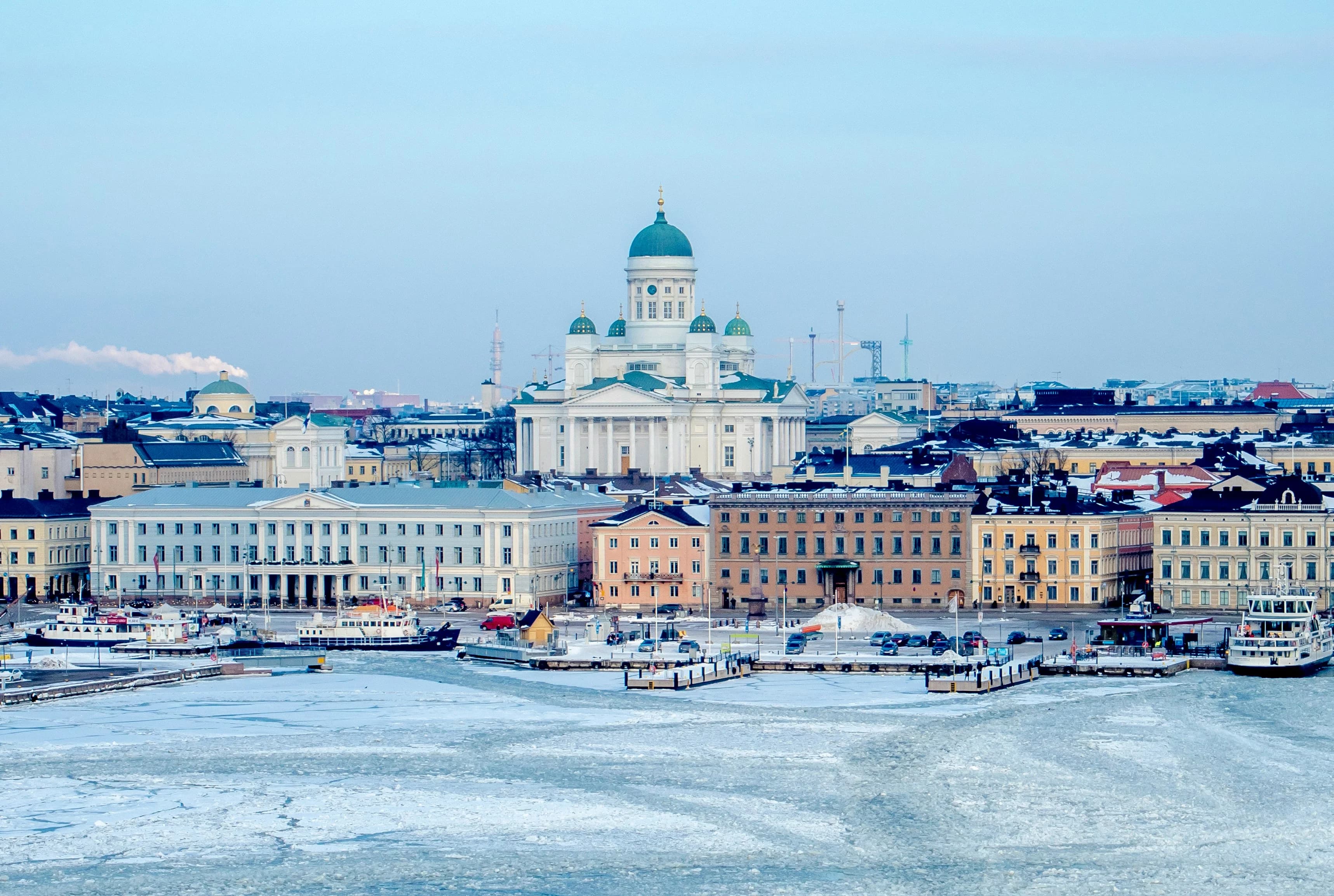
The Esplanadi corridor, running between the Market Square and the central parks, remains Helsinki's primary address for institutional hospitality. The street's proportions are classical, its pace deliberate. Suites in this zone offer access to the harbor market, the Swedish Theatre, and the formal civic architecture that defines Helsinki's 19th-century neoclassical core. For travelers who want proximity to the city's most legible landmarks, this is the rational starting point.
Katajanokka and the waterfront
The Katajanokka peninsula, east of Senate Square, holds some of Helsinki's most architecturally significant late 19th-century National Romantic buildings. Proximity to the harbor and the ferry terminals that connect to Tallinn and Stockholm gives this area a particular logistical advantage. Suites here tend to occupy buildings with genuine historical weight, where the architecture itself is part of the experience.
Kallio and the northern neighborhoods
For travelers interested in a less formal version of Helsinki luxury, the Kallio district and the neighborhoods extending north from the center offer a different entry point. Boutique properties here are fewer, but the proximity to local food culture, independent saunas, and the city's more contemporary social life makes this a credible alternative to the established central addresses.
When to visit Helsinki for a luxury hotel stay
Helsinki's seasonal extremes are significant and worth understanding before planning a stay.
June through August represents the high season. Daylight extends well beyond midnight during the summer solstice period, a phenomenon that fundamentally changes the experience of the city. Restaurants extend onto terraces, the archipelago becomes navigable, and the city's relationship with the water intensifies. Suite availability tightens during this period, particularly around the Helsinki Festival in August, which draws a culturally engaged international audience.
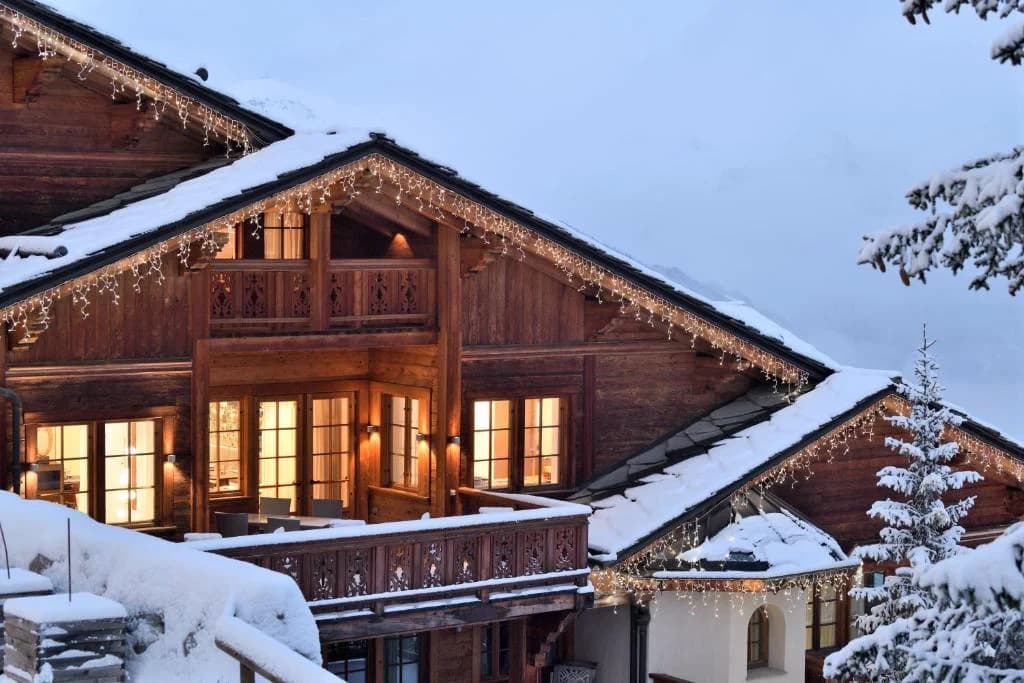
Winter, from November through February, presents a different proposition. Darkness dominates, but the city's sauna culture, indoor dining scene, and design-focused interiors come into their own. Snow transforms the harbor and the park spaces. For travelers who understand Nordic winter as an aesthetic experience rather than an inconvenience, this season offers some of the most atmospheric stays. Hotel rates are generally more accessible outside the summer peak.
September and October offer a transitional window that many experienced Helsinki visitors consider optimal: summer's intensity has passed, the cultural calendar resumes, and the light takes on a low, amber quality that photographers and design-conscious travelers respond to strongly.
Understanding luxury hotel standards in Helsinki
Finland does not operate a formal palace hotel classification equivalent to France's Palace label. The country's luxury hospitality is instead defined by a set of values that are intrinsic to Finnish culture: quality of materials, spatial generosity, relationship to nature, and functional design that prioritizes the user's experience over decorative excess.
The sauna is the most structurally important element in Finnish luxury accommodation. In a top-tier Helsinki suite, access to a private sauna or a dedicated hotel sauna space is not an amenity, it is a baseline expectation. Properties that take this seriously invest in the full ritual: proper löyly (steam), birch whisks, cool water access, and the appropriate architectural conditions for the experience.
Finnish luxury hotels also distinguish themselves through their relationship with local craft and design. Fabrics, ceramics, furniture, and lighting in the best suites tend to reference or directly incorporate Finnish makers. This is not decorative nationalism but a reflection of genuine material culture with global design credibility, produced by names including Iittala, Artek, Marimekko, and a younger generation of independent studios.
Service in Helsinki's top hotels tends toward discretion and efficiency over theatrical warmth. Guests who value privacy and self-directed itineraries will find the local hospitality culture well suited to that preference.
How to choose the best luxury suite in Helsinki
Several practical considerations shape the suite selection process in Helsinki specifically.
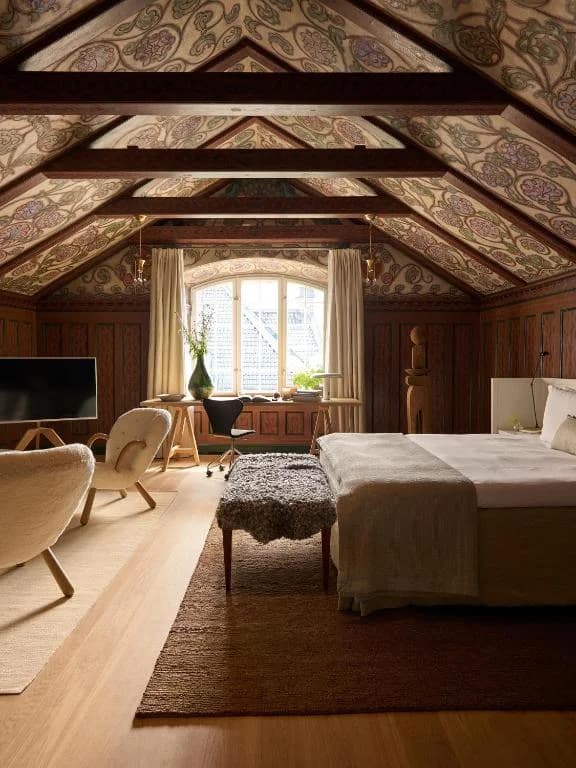
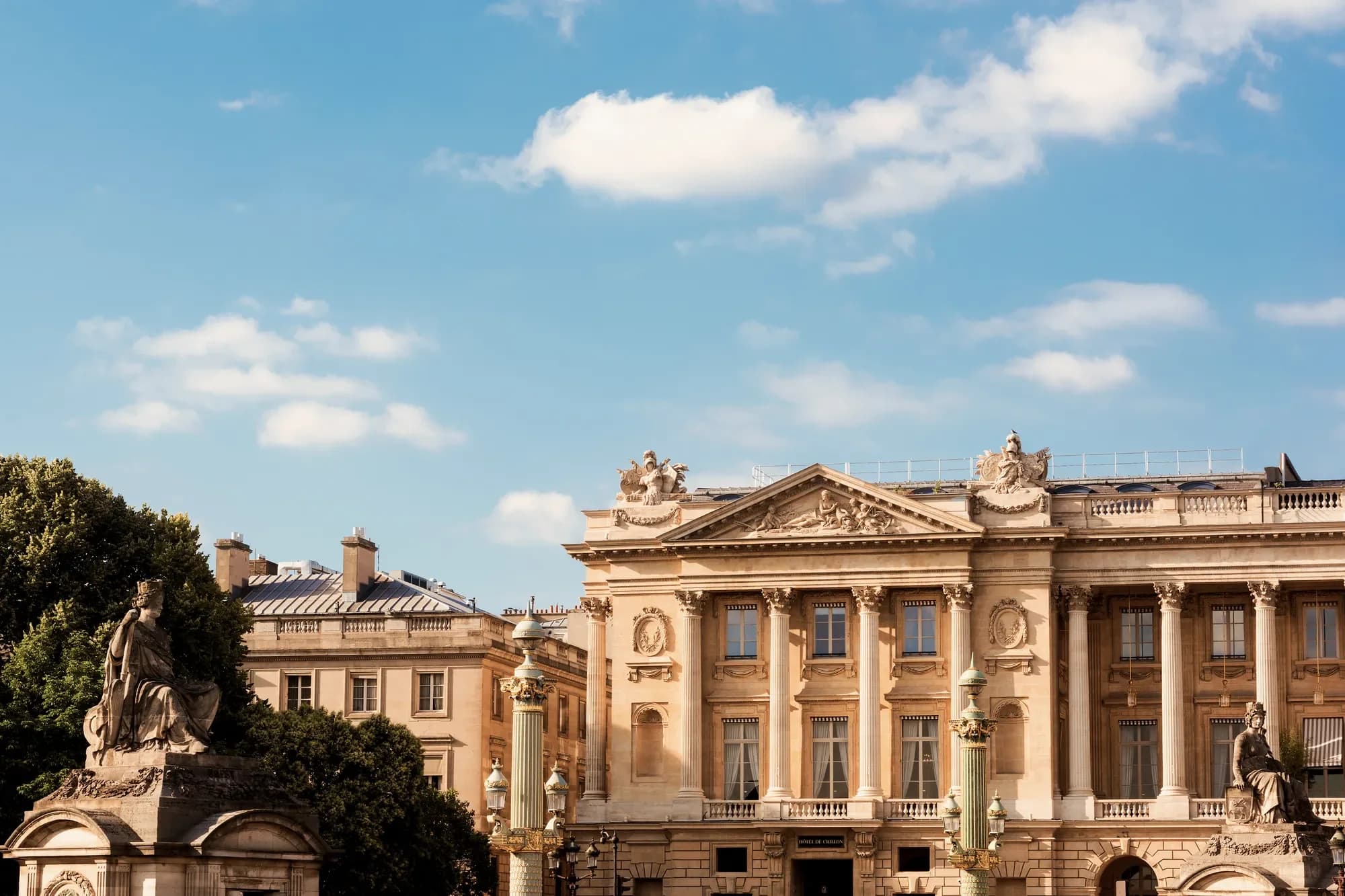
Historical versus contemporary architecture is the first axis. Helsinki's most prestigious addresses occupy buildings from the National Romantic period (roughly 1890 to 1920), characterized by granite facades, high ceilings, and monumental proportions. These suites offer a specific atmospheric density that modern buildings cannot replicate. Conversely, Helsinki's contemporary hospitality architecture reflects Scandinavian minimalism at a high level, with suites that prioritize light, spatial flow, and material precision over historical gravitas.
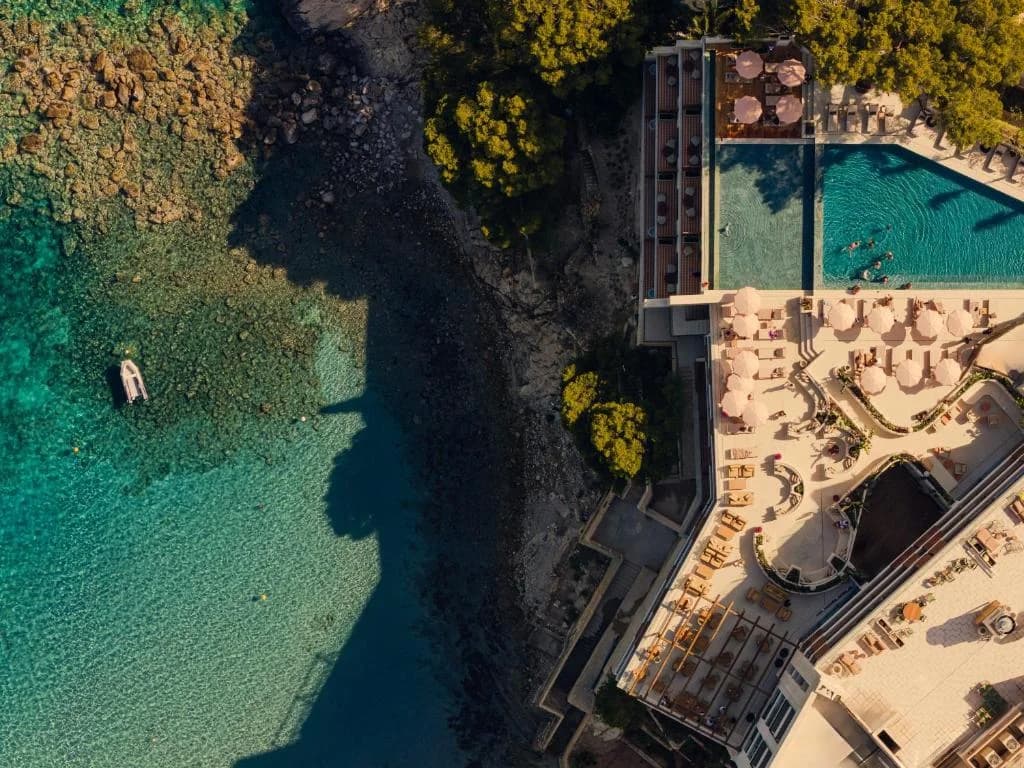
Relationship to water is the second consideration. Given Helsinki's peninsular geography, suites with harbor or sea views occupy a different category from those oriented toward the city interior. The quality of Baltic light, particularly in the early morning and late evening, is a distinguishing feature of waterfront accommodations.
Private sauna access within the suite is a third differentiating factor. Not all Helsinki luxury hotels offer this at the suite level, and for travelers who regard the sauna as central to the stay rather than peripheral, this detail warrants specific attention during selection.
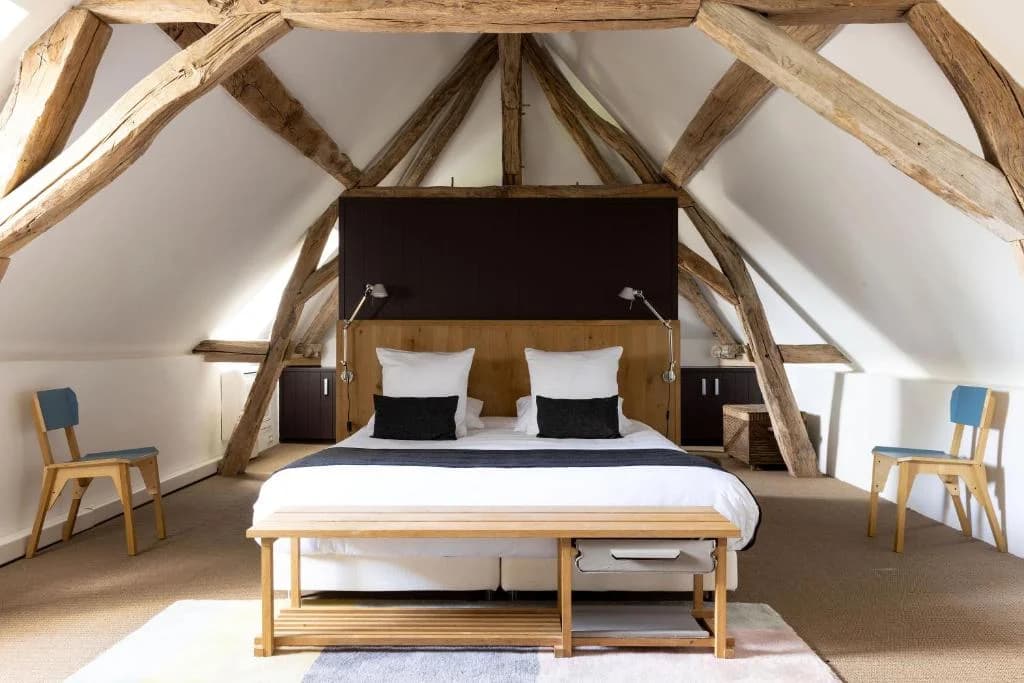
Suite size and layout matter in a city where the best properties are often housed in historic buildings with irregular floor plates. Understanding whether the suite's dimensions reflect genuine spatial generosity or simply premium pricing for a compact room requires the kind of selective curation that broad booking platforms do not provide.
Why curated selection matters in Helsinki
Helsinki's luxury hotel market is relatively small compared to major European capitals, but it is dense with nuance. The difference between a suite that genuinely delivers the Nordic spatial and sensory experience and one that merely prices itself at that level is not always visible from a standard listing page.
La Suite's curated selection for Helsinki applies the same editorial criteria used across all destinations: verified quality, spatial integrity, design coherence, and service standards commensurate with the price point. For a city where the best properties are defined by restraint rather than spectacle, that level of discernment is particularly relevant. The La Suite selection removes the friction of researching a city where surface appearances rarely reveal the full picture.