Best areas to stay in Estonia for a luxury suite experience
Tallinn's Old Town and surrounding districts
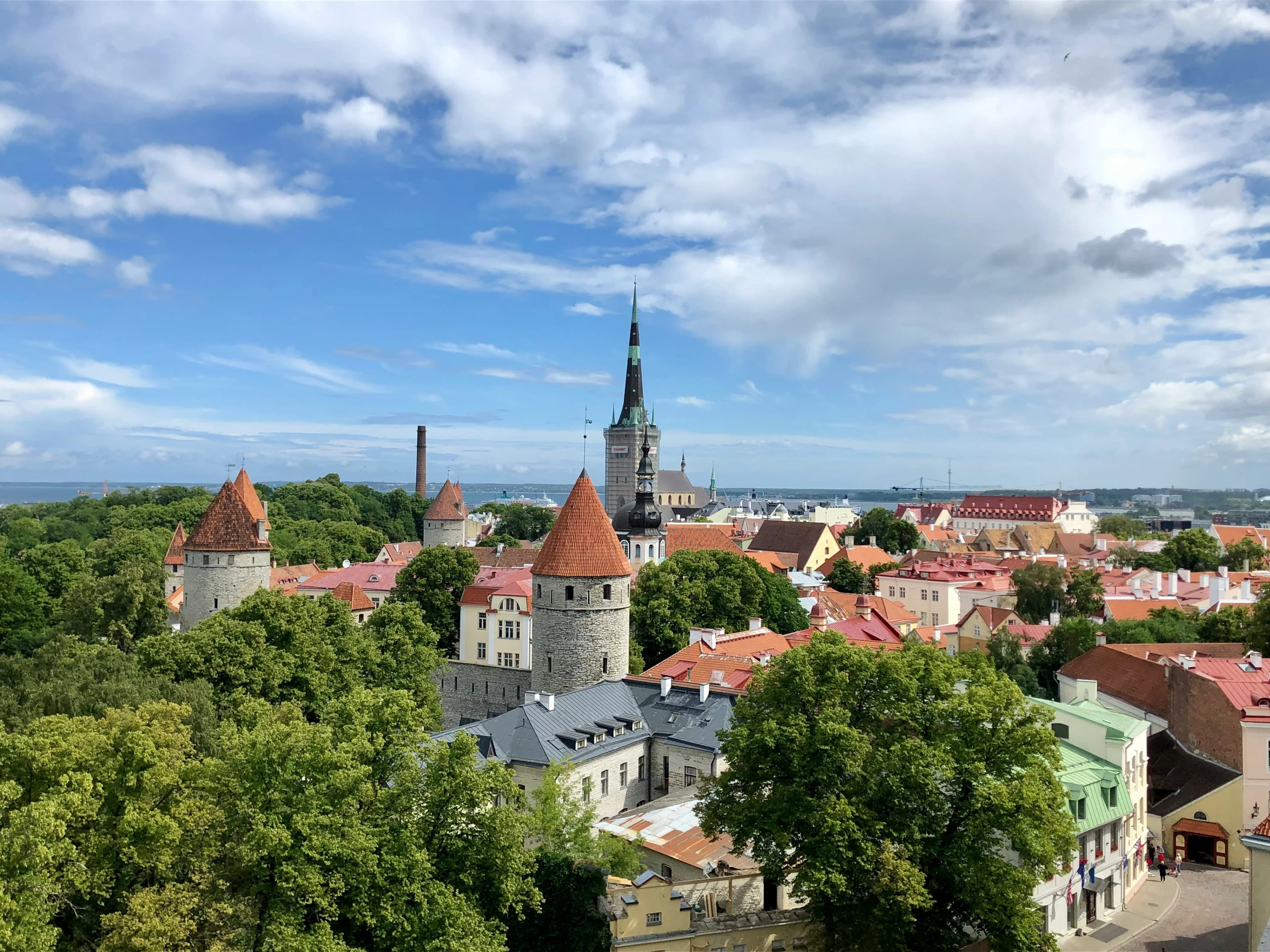
Tallinn's UNESCO-listed Old Town is one of the most intact medieval urban environments in northern Europe. Its limestone towers and Hanseatic merchant houses create an architectural density that is genuinely rare. Luxury hotels within or immediately adjacent to this district tend to occupy converted historic structures: former granaries, guild halls, and nobleman's residences. The guest experience here is defined by the interplay between Gothic stonework and contemporary interior design. Outside the Old Town, the Kalamaja and Telliskivi districts have attracted a newer wave of boutique properties that lean into Tallinn's reputation as one of Europe's more digitally advanced cities, offering a more minimalist, design-forward aesthetic.
Manor estates and the rural interior
Estonia contains hundreds of Baltic German manor houses, many now operating as high-end rural retreats. These properties offer something categorically different from urban hotel stays: working agricultural landscapes, proximity to forest, spa facilities built around Nordic sauna traditions, and a silence that is becoming increasingly rare in European luxury travel. The counties of Läänemaa, Hiiumaa, and the Põhja-Eesti region contain some of the most architecturally significant estate properties. A luxury hotel suite in this context means waking to parkland designed in the English landscape tradition, adapted to the Baltic climate.
The western islands: Saaremaa and Hiiumaa
Estonia's largest islands, Saaremaa and Hiiumaa, operate at a pace and aesthetic entirely distinct from the mainland. Saaremaa in particular has developed a credible luxury hospitality infrastructure built around its spa culture, juniper landscapes, and the Kaali meteorite crater site. Accommodation here tends toward the architectural integration of natural materials: stone, timber, and thatch. Suite-level properties on the islands are fewer but carefully positioned, attracting guests specifically seeking remoteness and natural immersion without sacrificing material comfort.
When to visit Estonia for the optimal suite experience
Estonia's climate is sharply seasonal, and the character of a visit changes considerably depending on when you arrive. This is not a limitation but a structural feature of the destination. Each season produces a different sensory register.
June and July represent peak season. The phenomenon of white nights, during which the sky does not fully darken, creates a disorienting and memorable quality of light that defines the Estonian summer. Tallinn's Old Town fills with visitors during this period, and suite availability at premium properties tightens. Advance planning of several months is standard for July.
August and early September offer a more composed version of the summer experience. Light remains generous, temperatures are moderate, and the crowds that characterize July begin to thin. This window is widely considered the most balanced entry point for first-time visitors to Estonia's luxury hospitality offer.
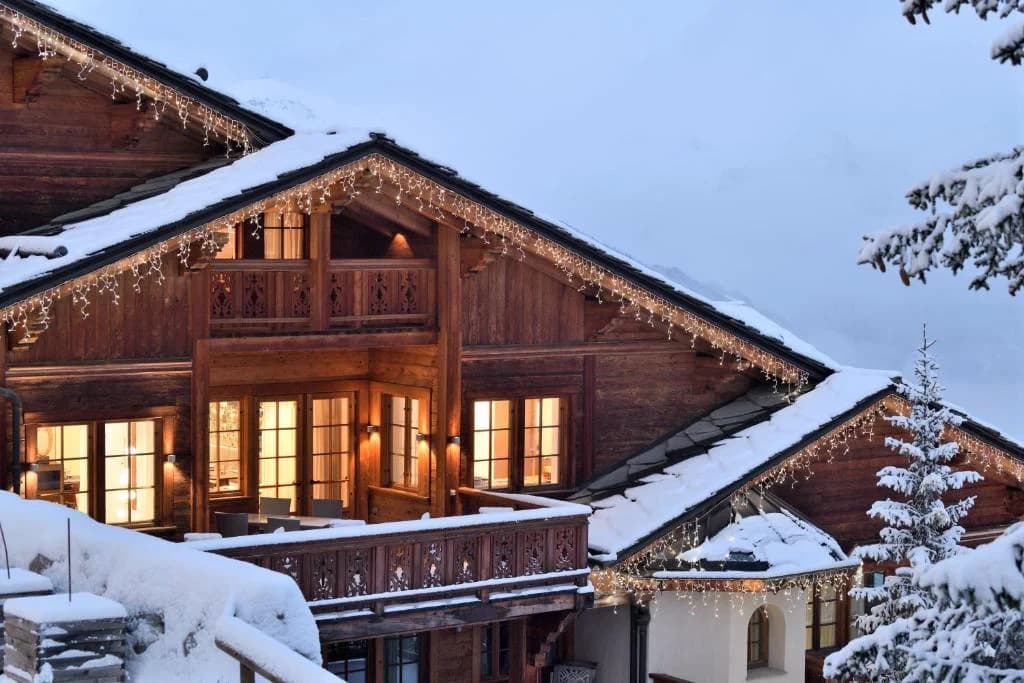
Winter, from November through February, produces the opposite effect: long darkness, snow-covered manor landscapes, and a hotel culture that leans heavily into interior warmth, candlelight, and sauna. Many of Estonia's rural estate properties operate a distinct winter program, and the contrast between cold exterior and heated interior is a genuine sensory feature of the stay rather than a compensation for weather. Tallinn's Old Town under snow has a particular architectural quality worth experiencing deliberately.
Spring, particularly May, offers thinner crowds, competitive suite pricing relative to peak summer, and the spectacle of the country's forests returning to leaf. This is also the period during which many of Estonia's cultural institutions open their outdoor programs.
Understanding Estonia's luxury hospitality standards
Estonia does not operate a nationally designated luxury classification equivalent to France's Palace label. The country's hotel grading follows the standard European star system, with five-star properties occupying the top formal tier. However, the most interesting luxury properties in Estonia frequently operate outside the conventional star system altogether, positioning themselves through design credentials, provenance, and curated guest experience rather than category compliance.
The sauna tradition is a meaningful marker of quality in Estonian hospitality. A property that treats its sauna facilities as a serious architectural and ritual space, rather than an amenity checkbox, signals a genuine alignment with local culture. This distinction matters: the Nordic sauna is not a spa add-on here but a cultural practice with its own protocols, timing, and social logic.
Estonian luxury hospitality also reflects the country's broader relationship with craft and material quality. Local amber, linen, and juniper feature regularly in high-end suite interiors. Food programs at leading properties prioritize Baltic seasonal produce: game, foraged mushrooms, rye, and smoked fish. A luxury hotel suite in Estonia that integrates these material references credibly is operating at a different register from one that simply imports an international five-star formula.
How to choose the best luxury suite in Estonia
The primary choice in Estonia is between urban and rural positioning. Both offer distinct and non-overlapping experiences, and the decision should be made deliberately rather than defaulted into.
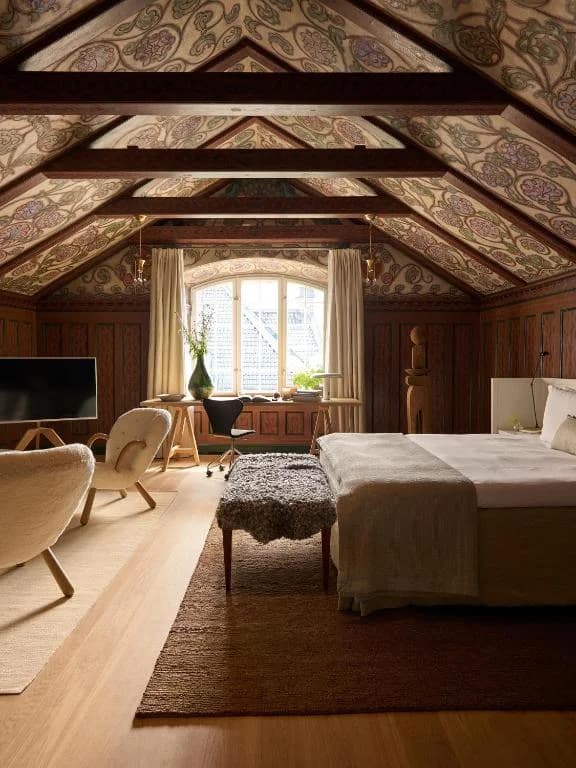
For travelers prioritizing architectural interest, cultural programming, and dining, Tallinn's premium properties offer the most concentrated offer. Suite selection within the city should weight the question of historic building versus contemporary construction, as the two produce fundamentally different spatial experiences. Converted medieval structures offer irregularity, texture, and historical weight. Contemporary builds in the surrounding districts offer clean geometry and often superior sound insulation.
For travelers prioritizing privacy, landscape, and physical decompression, the manor estate and island properties are the more purposeful choice. Here, the relevant criteria shift to spa infrastructure, proximity to water or forest, and the quality of the property's food and beverage program, as guests are effectively committing to an in-house experience for most of their stay.
Seasonal timing interacts meaningfully with suite selection. A manor estate suite with floor-to-ceiling forest views performs differently in white-night June than in snow-covered January, and many experienced travelers visit Estonia twice to register both versions.
Why a curated selection by La Suite matters in Estonia
Estonia's luxury hospitality market is relatively small in absolute terms but internally varied. The gap in quality between a formally rated five-star property and an architecturally distinguished boutique manor can be significant, and that gap is not legible from star ratings or aggregator platforms alone.
La Suite approaches Estonia with the same editorial precision applied to larger luxury markets. The 20 properties currently listed represent a filtered view of what the country's hotel suite offer actually contains at its highest level. Each property has been assessed against criteria that include spatial quality of the suite itself, design coherence, service model, and the degree to which the property genuinely reflects its geographical and cultural context.
For the traveler arriving in Estonia with high expectations and limited time, the value of this curation is practical. It removes the research burden of navigating a market where surface-level signals such as star ratings, pricing, and photography can be misleading. The La Suite selection provides a qualified starting point that reflects direct editorial judgment rather than algorithmic ranking or commercial placement.