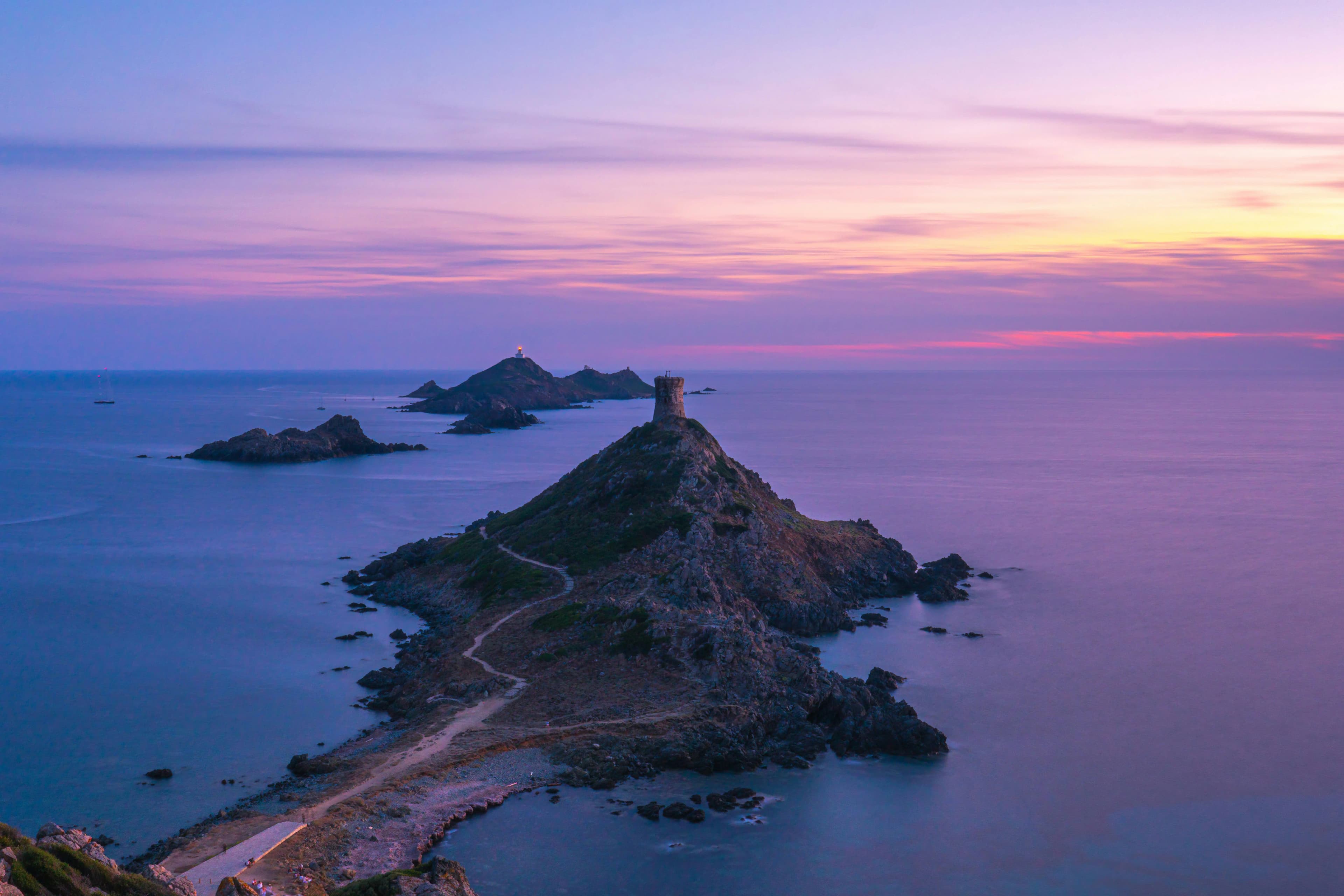
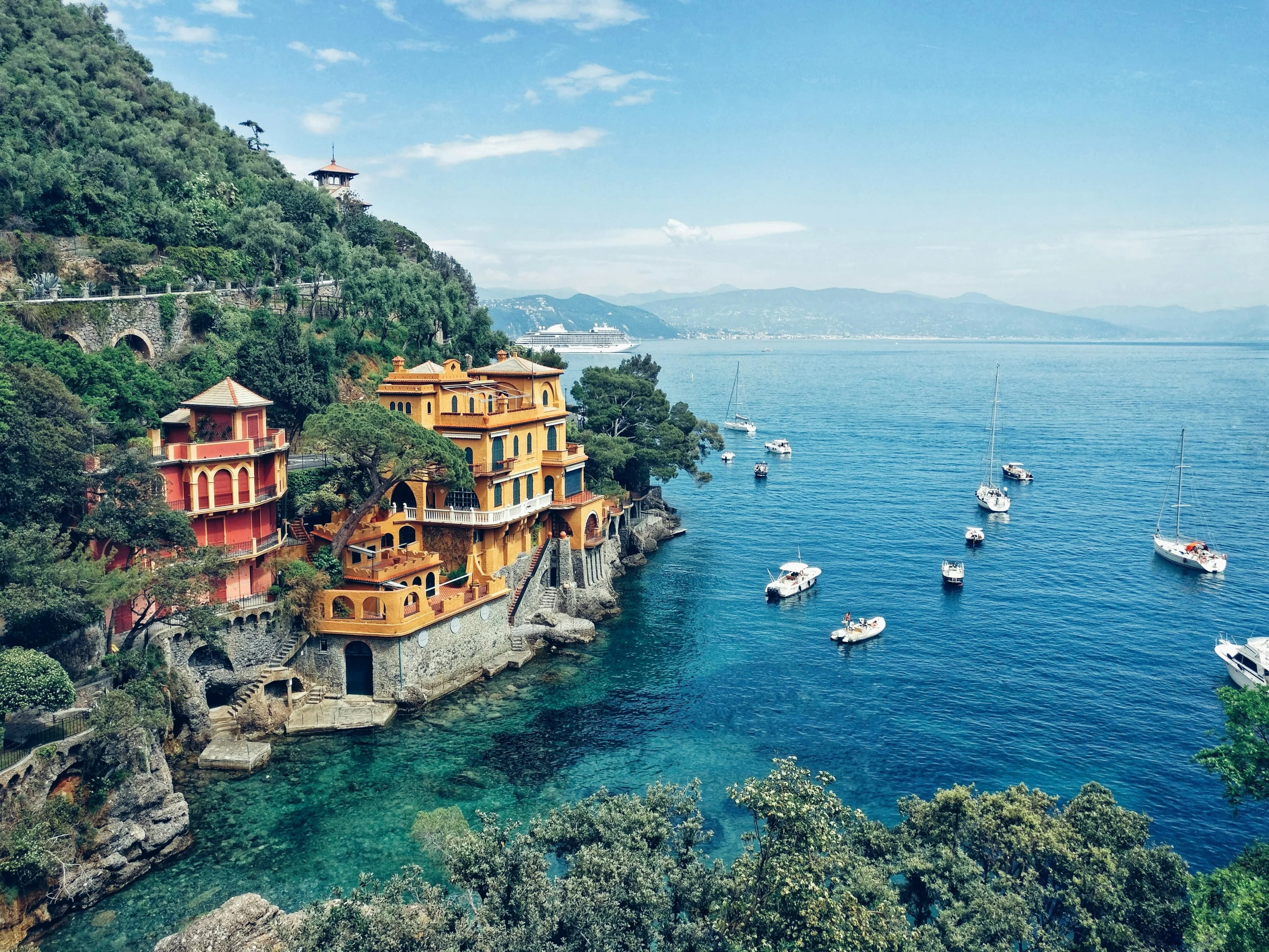
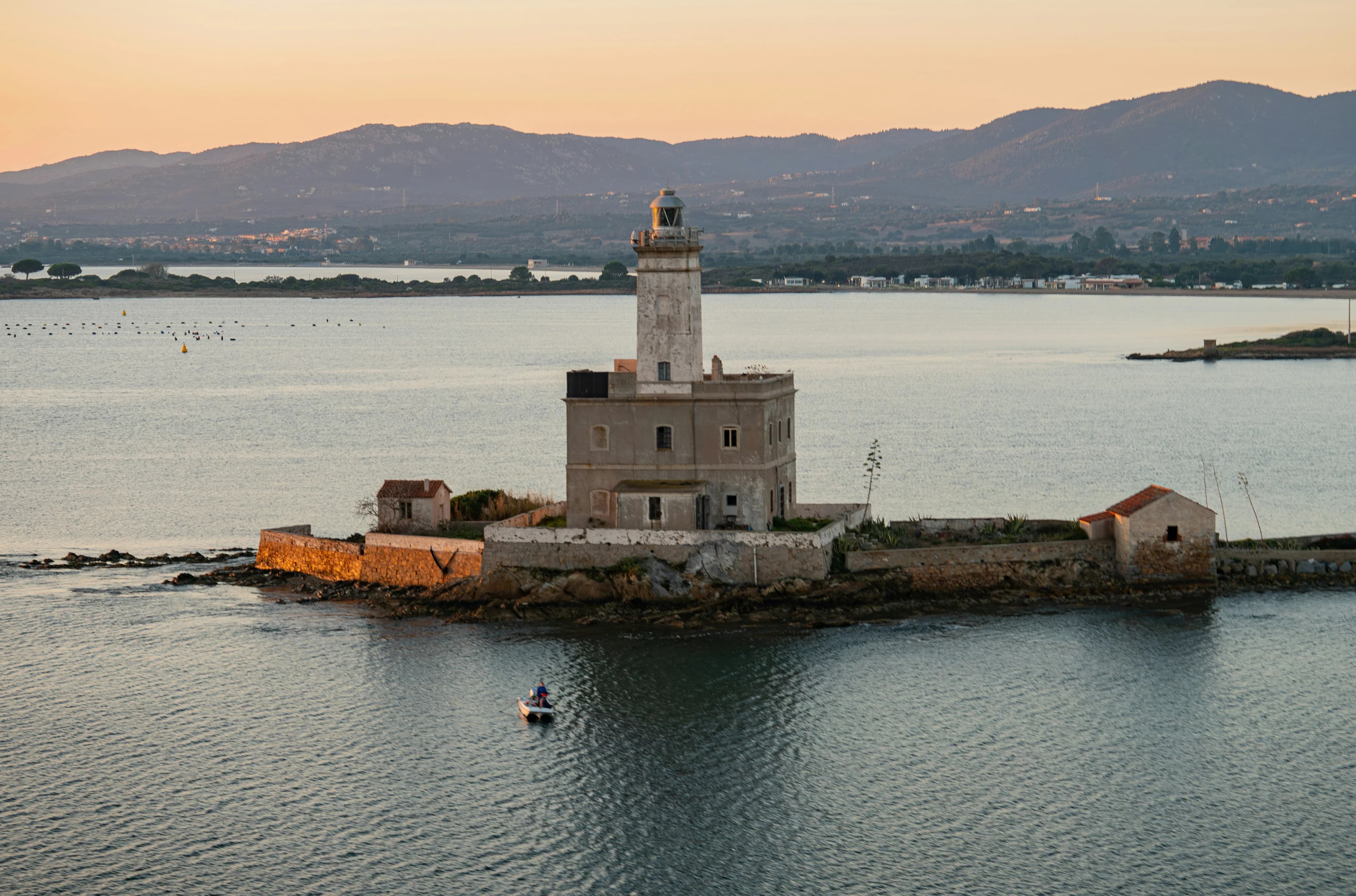
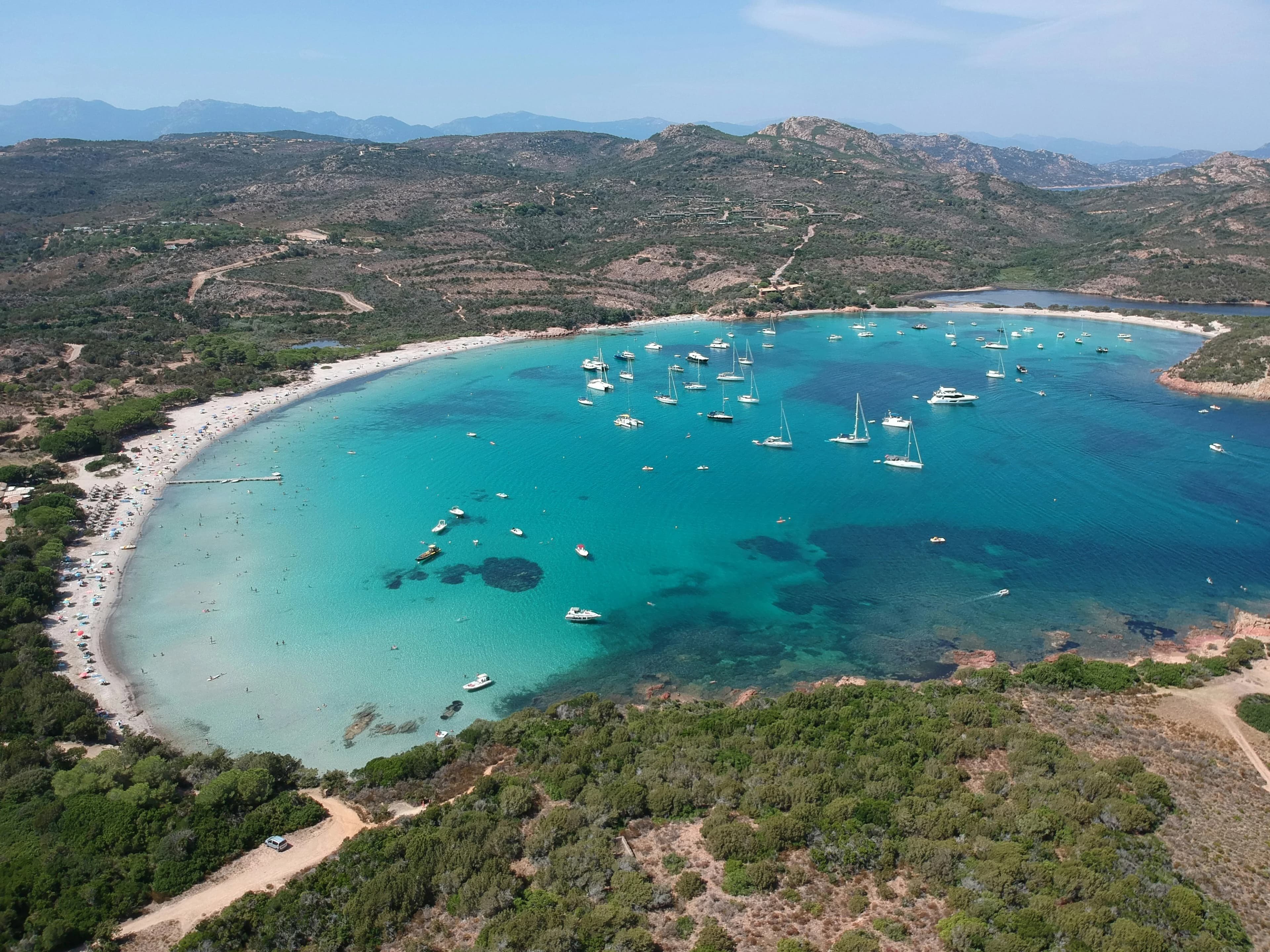
The distinct character of Ajaccio and its surroundings
What distinguishes Ajaccio from other Mediterranean coastal cities is its dual identity. It operates with the administrative structure of a French prefecture while maintaining a cultural texture that is unmistakably Corsican: a particular pride, a slower rhythm, and an attachment to land and sea that shapes every aspect of daily life. For the discerning traveler, this tension between French institutional polish and island authenticity is precisely what makes the destination compelling.
The surrounding territory extends toward the Calanques de Piana to the north, a UNESCO-listed landscape of rose-red rock formations descending to turquoise water, and toward the Alta Rocca highlands to the east, where villages of granite and chestnut forest offer a counterpoint to the coastal heat. A well-chosen suite in or near Ajaccio functions as a base for both registers: the sea and the interior.
When to visit Ajaccio for a high-end stay
The Corsican high season runs from late June through August, when temperatures along the coast regularly exceed 30 degrees Celsius and hotel occupancy peaks. For travelers seeking privacy and considered service without the density of peak summer, May, early June, and September represent the optimal window. The light is strong, the sea is warm enough to swim, and the island operates at a pace that suits unhurried exploration.
April and October carry a cooler, more austere quality that suits a certain kind of traveler: those drawn to the maquis in flower, the quiet of off-season markets, and the opportunity to engage with a place without its tourist infrastructure at full capacity. The Corsican maquis, a dense scrubland of cistus, rosemary, myrtle, and immortelle, releases its most concentrated fragrance in spring, a sensory experience often cited by returning visitors as the defining olfactory memory of the island.
Winter in Ajaccio is mild by northern European standards, rarely dropping below 8 degrees Celsius, and the city maintains a working rhythm with local restaurants, the covered market, and cultural institutions operating year-round. Suite availability is naturally highest in the low season, and rates reflect that reality.
Understanding luxury hospitality standards in Corsica
France operates a formal hotel classification system that extends to Corsica, with the five-star category and, at its apex, the Palace designation awarded by Atout France. The Palace label, granted to a small number of properties across the country, requires not only physical standards of space and finish but also criteria around service depth, culinary excellence, and heritage or architectural significance. No property in Ajaccio currently holds the Palace designation, which is concentrated in Paris, the Riviera, and a handful of resort destinations, but the island's five-star and four-star superior properties maintain standards that reward careful selection.
What defines a high-quality suite in this context is a combination of spatial generosity, material honesty (stone, wood, linen rather than synthetic finishes), and a relationship to the landscape. The best suites in the Ajaccio area are positioned to capture the bay, the hills, or both, and treat the view as an architectural element rather than an afterthought. Terraces are standard at this level; private plunge pools and direct sea access mark the upper tier.
Corsican hospitality also carries a particular informality that is not a deficit of service but a cultural register. Interactions tend to be direct, personal, and occasionally familial in their warmth. This is distinct from the studied formality of a Parisian palace and represents its own form of quality.
How to choose the right suite in Ajaccio
The primary decision axis for a luxury suite in Ajaccio is position: urban or coastal periphery. Properties within the city centre offer proximity to the historical sites, the covered market on the Place du Marché, and the restaurants of the port quarter. Properties on the headlands or along the Îles Sanguinaires peninsula offer seclusion, sea views, and the specific quality of being outside the city while remaining within reach of it.
Architectural character is the second consideration. Ajaccio's built environment includes Genoese-era structures, 19th-century French civic architecture, and more recent constructions designed to capitalise on coastal positions. A suite in a converted historical building offers a different sensory proposition from one in a purpose-built contemporary property: the former tends toward thick walls, irregular rooms, and a connection to material history; the latter toward clean sightlines, controlled light, and seamless indoor-outdoor transitions.
Travelers with families or extended parties should consider whether the suite configuration supports multiple occupants without compression. In Corsica, this often means looking at property types that blur the boundary between a hotel suite and a private villa: standalone units within a small hotel, or residences managed under hotel services. La Suite maps this spectrum carefully in its selection criteria.
Access and transport logistics are worth noting. Ajaccio's Napoleon Bonaparte Airport is served by direct flights from Paris, Lyon, Nice, and several northern European cities. The city itself is navigable on foot in its historic core but a vehicle is essential for reaching the landscapes that give the island its particular value.
Why a curated selection makes sense in this destination
The Corsican hotel market includes a wide range of properties that present similarly in photographs but differ significantly in execution. The gap between a well-marketed property and a genuinely considered one is more pronounced here than in destinations with longer track records of international luxury tourism. Surface aesthetics, location claims, and category labels can all mislead without contextual knowledge of how each property actually performs in practice.
La Suite's curation of Ajaccio and the broader Corsican territory applies the same editorial rigour used across all destinations on the platform. Properties are evaluated on spatial quality, service consistency, architectural integrity, and the coherence between what is promised and what is delivered. For a traveler committing significant resources to a suite booking in a destination they may be visiting for the first time, this filter has direct practical value. It reduces the research burden and eliminates the category of properties that look adequate until you arrive.
The curated selection by La Suite is not exhaustive by design. It is selective. In a market where the volume of options can obscure the genuinely exceptional, precision is the point.