Hotel Le Colombier, Colmar
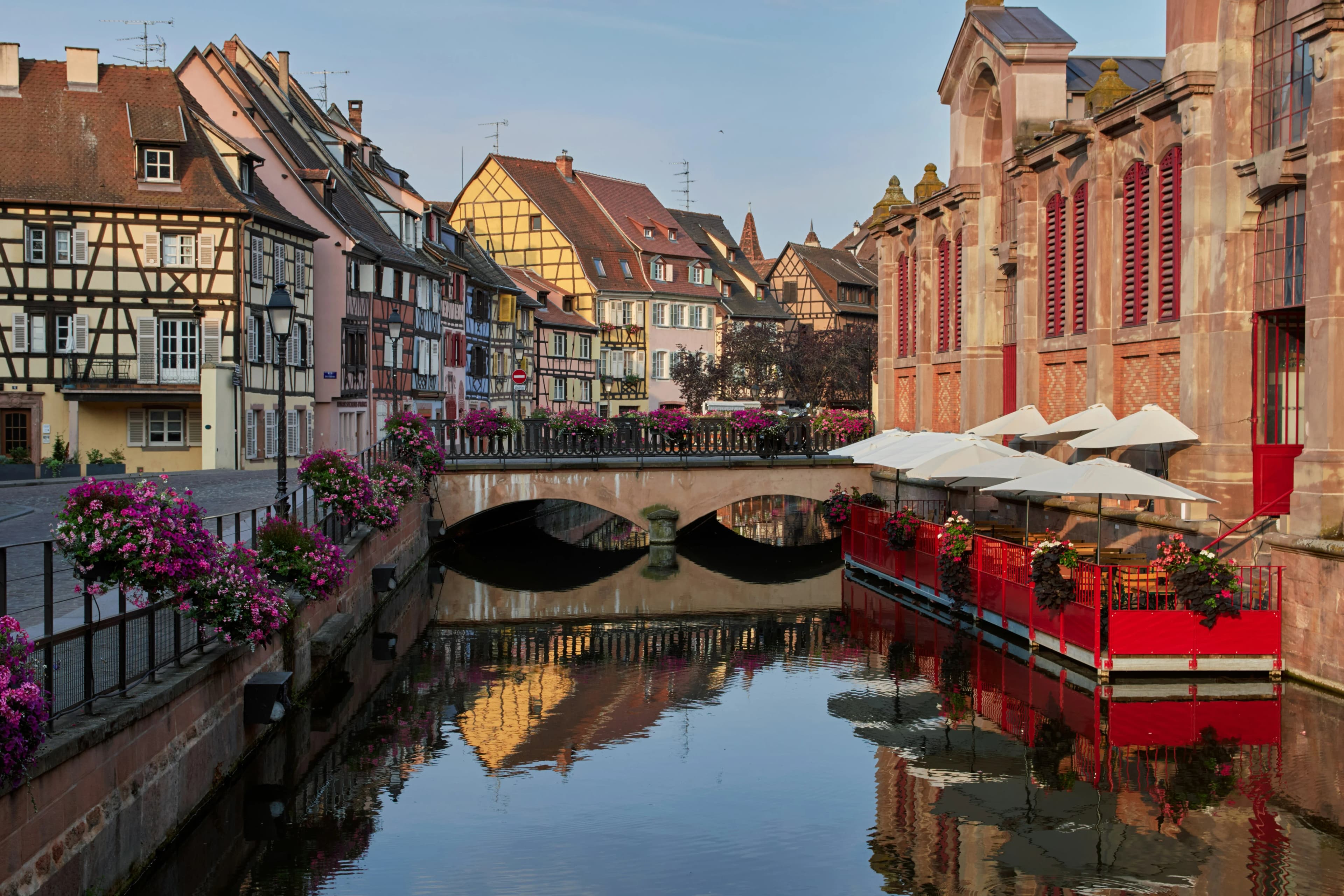
Hotel Hotel Le Colombier is located in the Little Venice district of Colmar town center. The Musée d'Histoire Naturelle of Colmar is 164 feet away and Unterlinden Museum is 0.7 mi from the property. F

Colmar sits in the Haut-Rhin department of Alsace, pressed against the foothills of the Vosges mountains and anchored by one of France's most intact medieval urban cores. Unlike many European cities that have preserved their historic centres as museum pieces, Colmar remains a functioning, lived-in place. Its architecture, a layered record of German and French influence, gives every street a visual density that rewards walkers who move slowly and look carefully. For the traveler who chooses a luxury hotel suite as a base, Colmar offers exactly the kind of environment that justifies a longer stay: cultural weight, gastronomic seriousness, and a surrounding wine landscape of genuine international standing.
6 hotels available

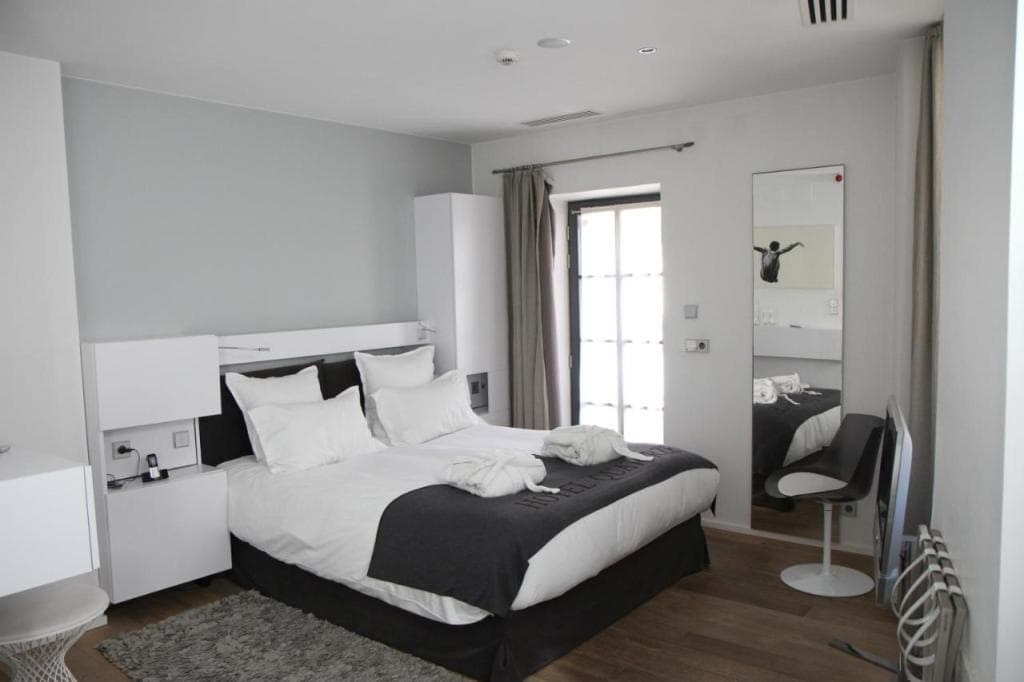
Hotel Hotel Le Colombier is located in the Little Venice district of Colmar town center. The Musée d'Histoire Naturelle of Colmar is 164 feet away and Unterlinden Museum is 0.7 mi from the property. F

Hotel Le Colombier Suites is located in the heart of Colmar in the La Petite Venice district. It offers soundproofed rooms and suites with views over the village streets or garden. Each air-condition

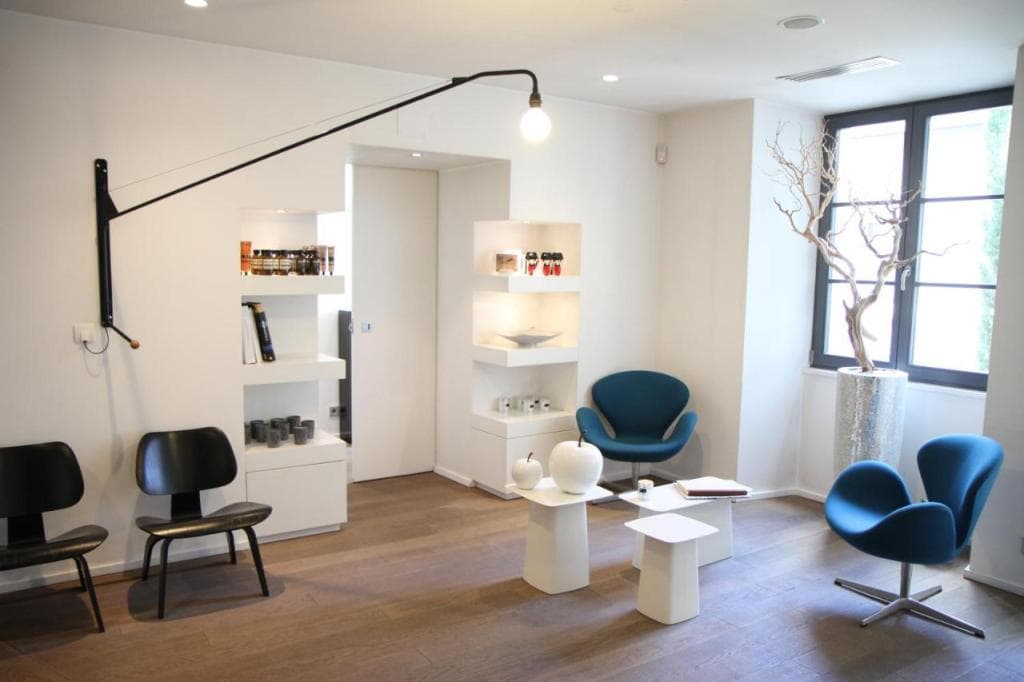
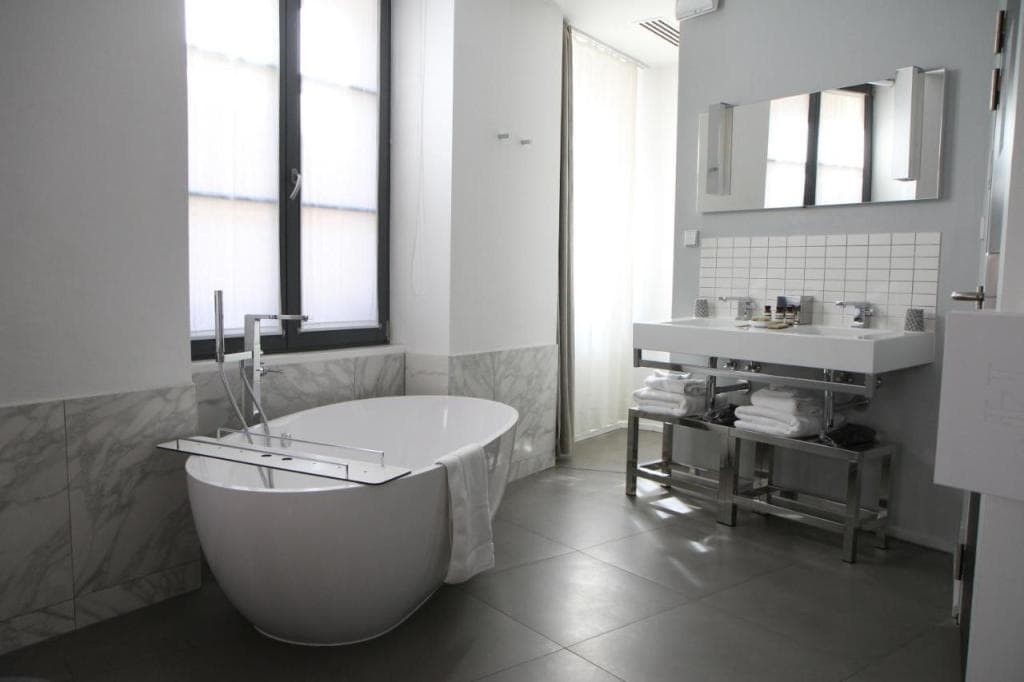
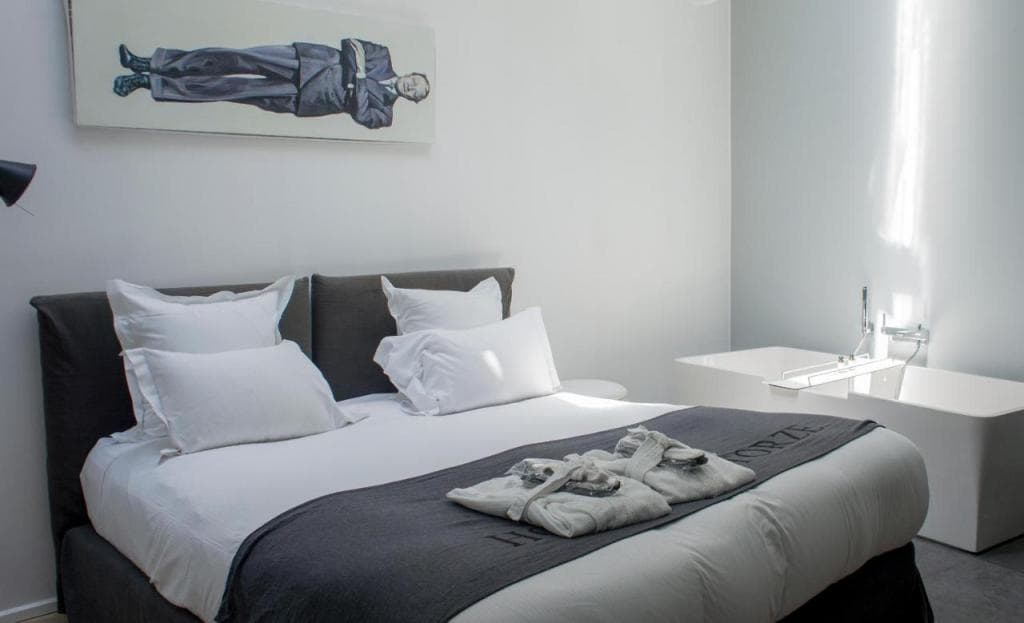
Hotel Quatorze is in a design hotel in the center of Colmar. It offers free WiFi access and guests will have free and private spa access for 1 hour to the sauna and hammam. Some rooms have a spa bath

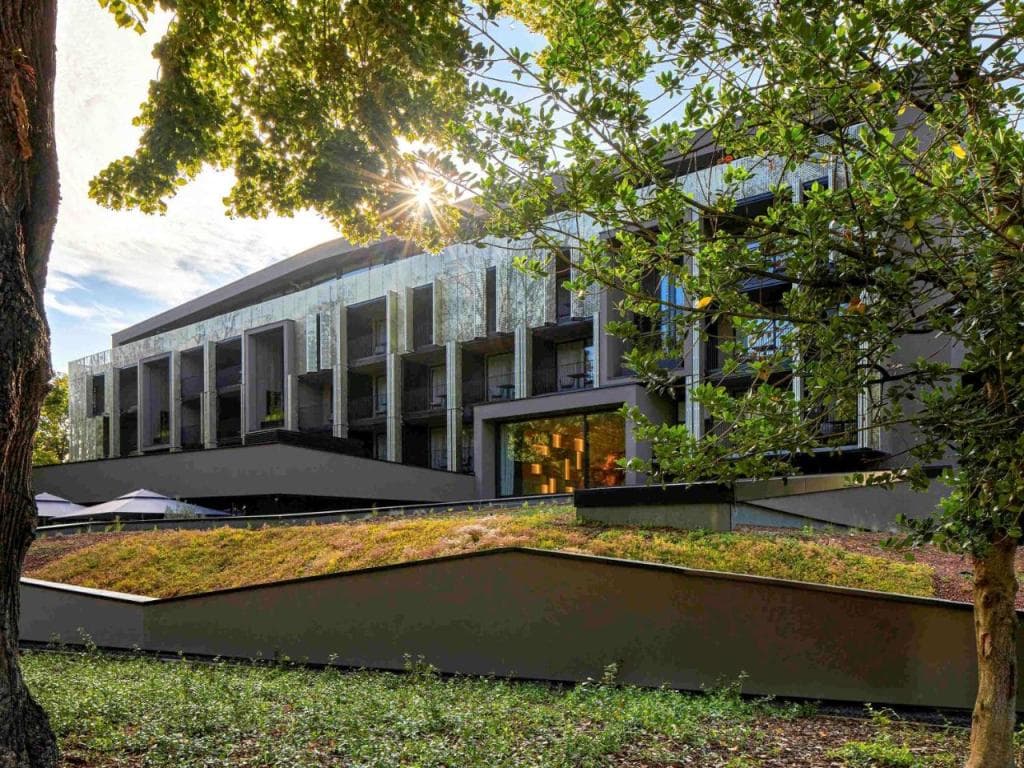
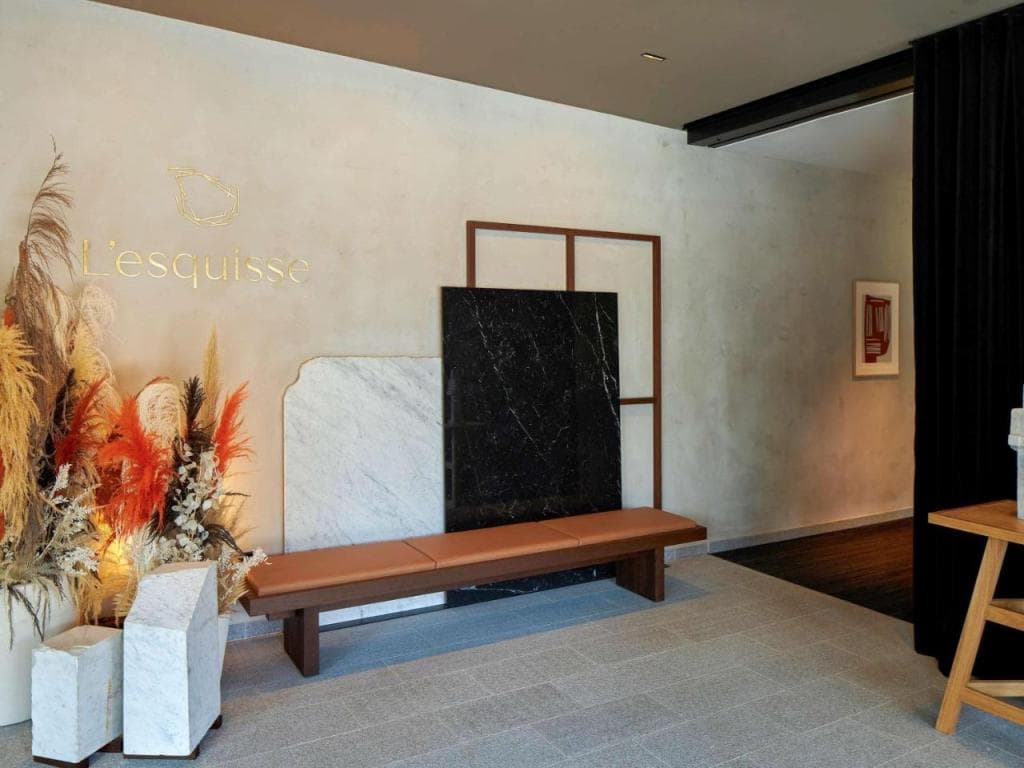
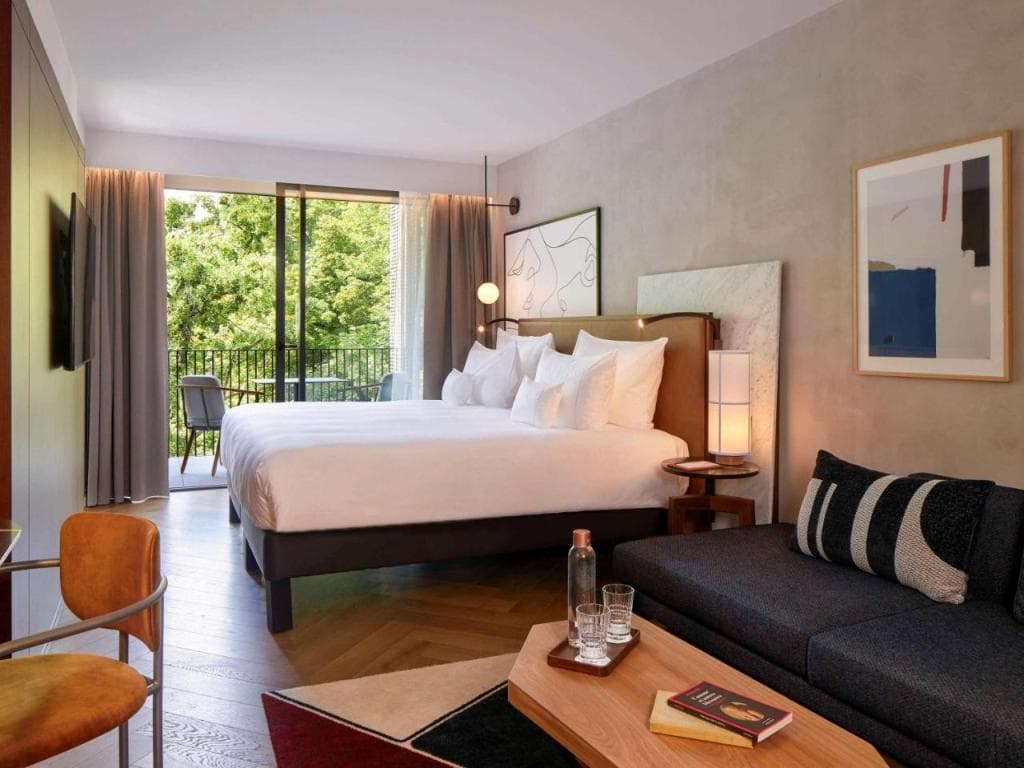
You have found your urban resort in Colmar: L'Esquisse, a 5-star Hotel & Spa in the heart of the historic center. In the green haven of the Champ de Mars, it offers you a unique and precious experienc

Comfortable Accommodations Novotel Suites Colmar Center in Colmar offers spacious rooms with air-conditioning, private bathrooms, and modern amenities. Guests enjoy free WiFi, flat-screen TVs, and

La Maison Des Têtes is located in the historic Alsatian town of Colmar. It has spacious air-conditioned rooms, each with a TV, private bathroom and free WiFi. This classic 17th century Colmar buildin
Hotels in the area, but in a neighbouring town.

60 km away
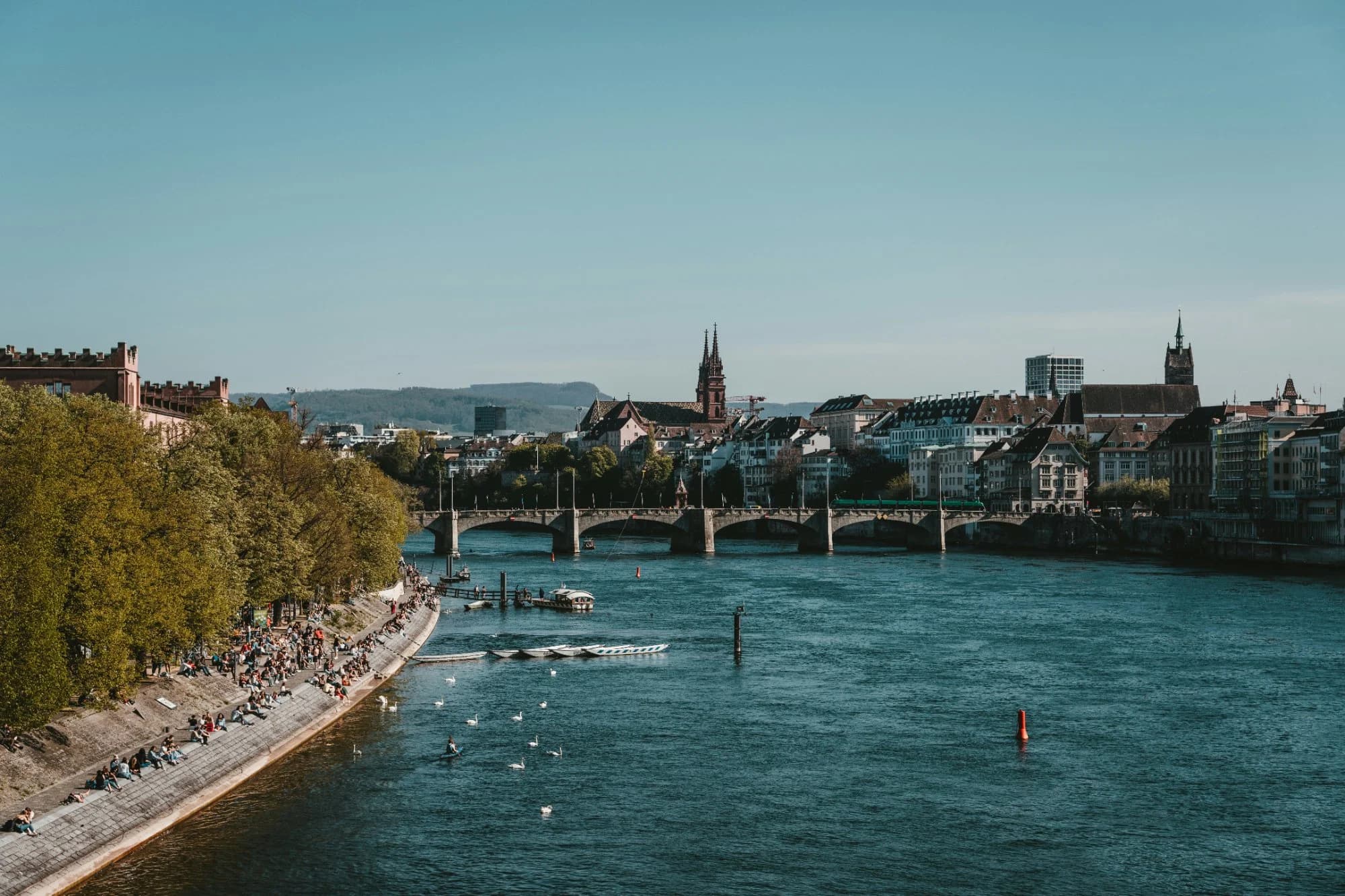
Switzerland is not short of sophisticated cities, but Basel operates on its own register. It is not driven by alpine spectacle or financial gravity in the way that Zurich or Geneva are. Basel's prestige is cultural and architectural. The city hosts more museums per capita than almost any other in Europe, and its annual art fair, Art Basel, functions as a kind of global barometer for contemporary taste. For the design-literate traveler, this is a destination that rewards attention. The luxury hotel suite here is less about escapism and more about immersion in a city that takes aesthetics seriously at every scale.

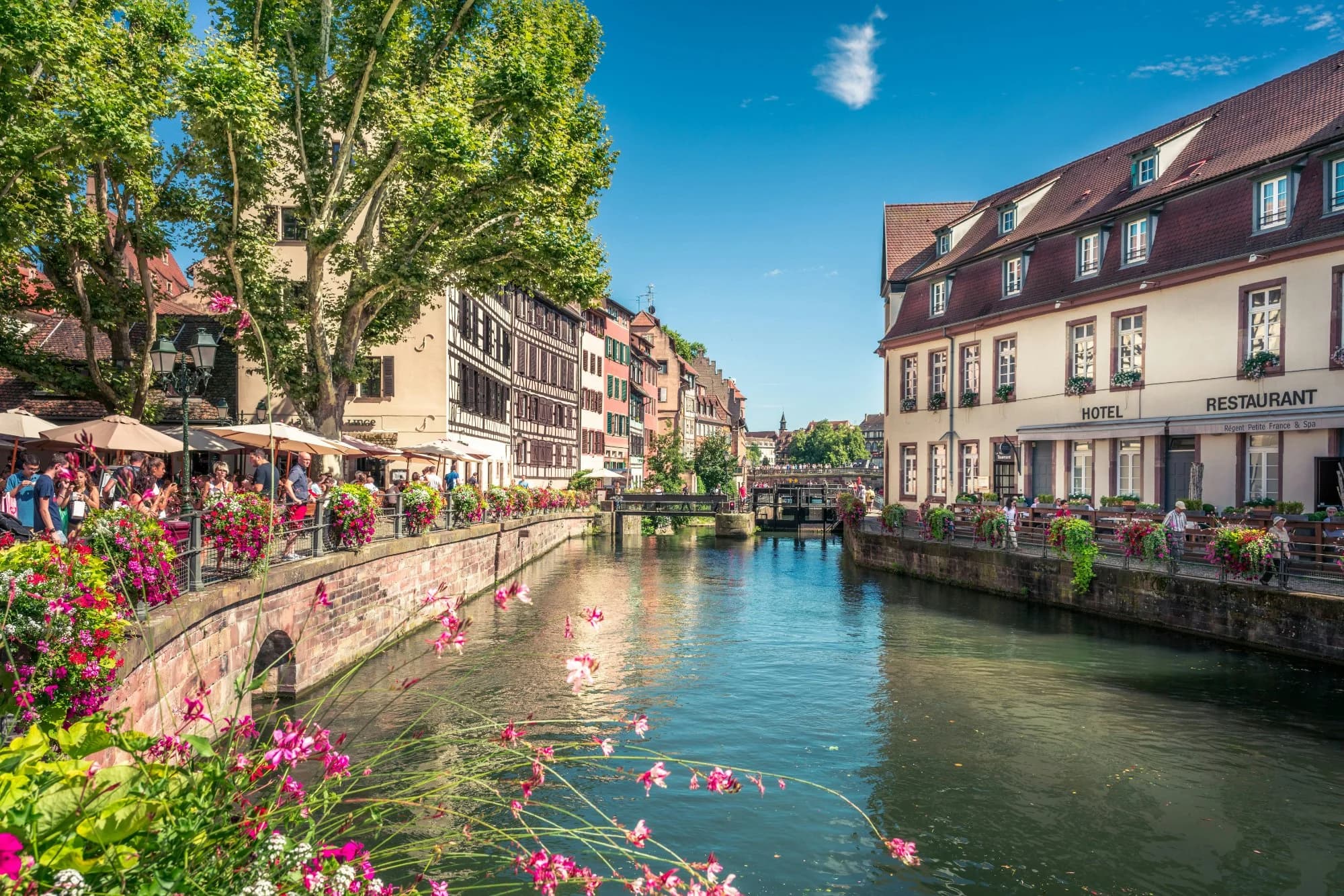
Strasbourg is not a city that rewards haste. Its historic core, the Grande Ile, is a UNESCO World Heritage Site, dense with Romanesque churches, Renaissance townhouses, and the elaborate Gothic structure of the Strasbourg Cathedral. The pace here is deliberate. The light changes differently along the canals of La Petite France than it does anywhere else in France. A luxury suite, positioned close to the old city, allows you to absorb that rhythm without interruption. For travelers who have chosen Strasbourg intentionally, whether for its institutions, its gastronomy, or its proximity to Alsatian wine country, the quality of the accommodation is inseparable from the quality of the experience.

100 km away
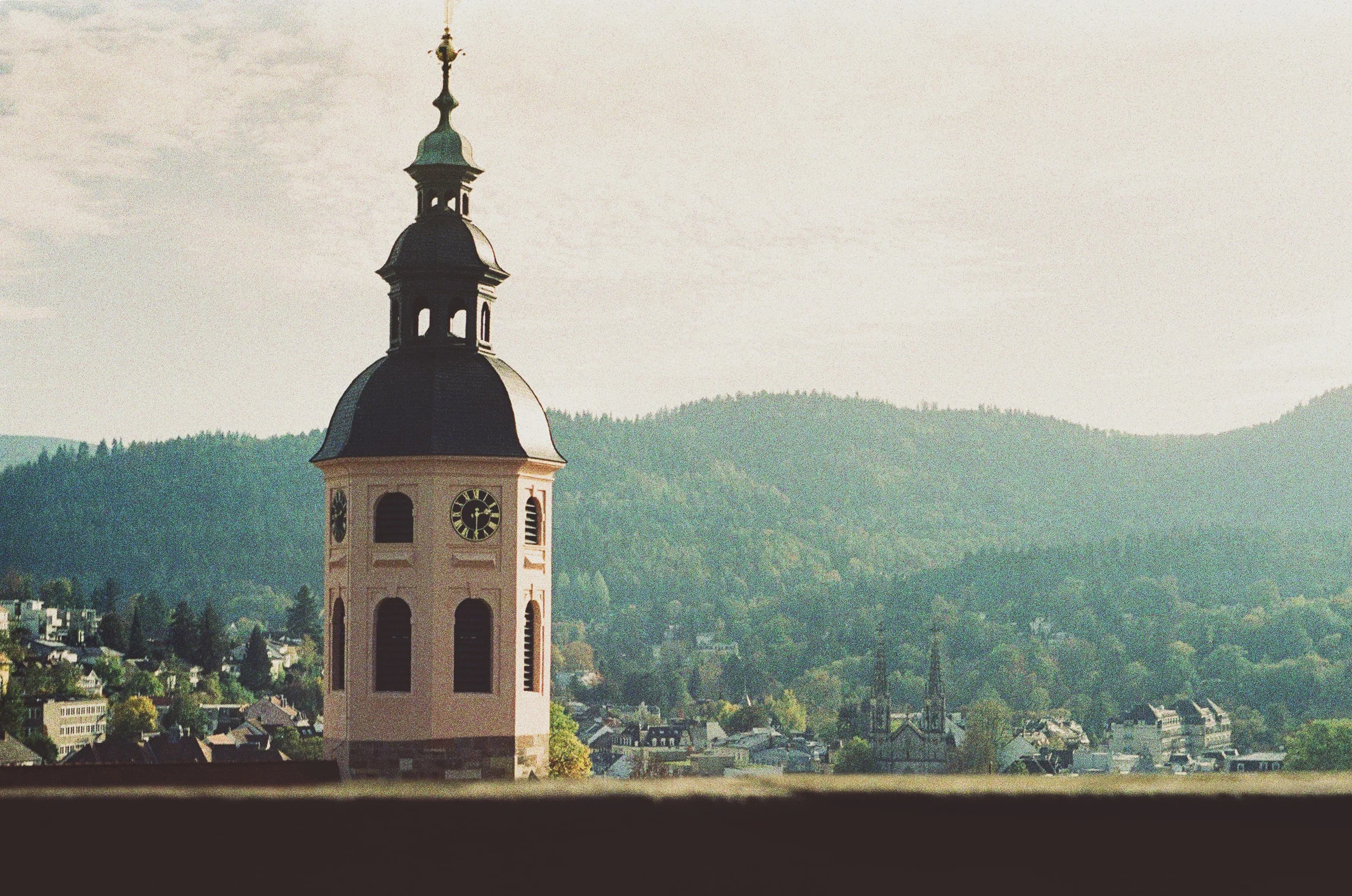
Baden-Baden is not a city you pass through. It is a city you inhabit. The entire urban fabric, from the colonnaded Trinkhalle to the Lichtentaler Allee promenade, is organized around slow time, thermal ritual, and cultivated leisure. A luxury hotel suite here provides the spatial and sensory framework that matches this pace. Compact hotel rooms feel incongruous in a place designed for extended stays and deliberate recovery. Space, silence, and considered design are not amenities. They are the point.
The canal district known as La Petite Venise and the adjacent tanners' quarter represent Colmar at its most architecturally concentrated. Properties in this zone place guests within walking distance of the city's principal landmarks, including the Unterlinden Museum, which houses Matthias Grunewald's Isenheim Altarpiece. Proximity to this quarter is a meaningful asset for culturally-oriented travelers. Streets here are narrow, the building scale is intimate, and the ambient noise levels after dark are notably low.
Colmar functions as the informal capital of the Alsace Wine Route, one of France's oldest and most distinguished wine itineraries. Properties positioned at the edge of the city or in nearby villages on the Route des Vins benefit from immediate access to Grand Cru vineyards and the specific quietude of an agricultural landscape that has been shaped over centuries. For travelers whose primary interest is wine, choosing accommodation in this corridor gives each day a natural structure: cellars, tastings, and long lunches that do not require significant travel.
Just beyond the medieval centre, a quieter residential perimeter offers properties with more space and, in some cases, private garden access. This zone suits guests who prefer to engage with the city's historic core on their own terms, arriving and departing on foot but retreating to a property with greater physical distance from foot traffic and tourist circulation.
Colmar operates on a clear seasonal rhythm. The harvest period, running broadly from late September through October, is when the surrounding vineyards reach their most productive and visually arresting point. Winemakers open their doors to visitors, and the relationship between the city and its agricultural context becomes most legible. This is the period that most wine-focused travelers will want to target.
December brings the Christmas market, one of the most historically grounded in France, drawing visitors in significant numbers. Suite availability during this period contracts sharply, and rates reflect the demand. Travelers who want the market atmosphere without the crowds tend to favor the first two weeks of December over the peak weekend dates.
Spring, particularly April through early June, offers mild temperatures, lower occupancy rates across the city's better properties, and the full visual benefit of the region's flowering orchards and vineyard foliage. This window often represents the most practical combination of availability, climate, and cultural access. Summer is warm and sociable, with terraces and outdoor markets at full activity, though July and August see the highest visitor volumes of the year.
Alsace has its own register of hospitality that differs meaningfully from the Parisian palace model or the chateau tradition of the Loire Valley. The region's finest properties tend to operate on a smaller scale, with an emphasis on craft, local provenance, and architectural authenticity rather than grand gesture. Many of the most respected establishments occupy historic buildings, maisons a colombages (half-timbered townhouses) or converted bourgeois residences, where the architecture itself is a material part of the experience.
France's official Palace designation, awarded by Atout France, is not widely represented in Colmar. The city's luxury offer is concentrated instead in four-star superior properties and boutique hotels where the quality of the suite is expressed through material precision: hand-laid stone, exposed timber, curated local art, and table settings that reflect the seriousness of Alsatian cuisine. Guests should expect a gastronomic offer of genuine depth. The region holds multiple Michelin stars across a relatively small geographic area, and the best properties are closely connected to that culinary ecosystem.
Wine lists in top-tier Colmar properties are almost always Alsace-dominant and deserve attention. The region produces Riesling, Pinot Gris, Gewurztraminer, and Muscat of significant complexity, and the cellar is often treated as a point of institutional pride.
The primary consideration in Colmar is architecture. The city's historic buildings impose structural constraints, which means that suites in older properties often trade floor area for character. Exposed beams, uneven floors, and original masonry are features, not defects. Travelers who require a specific spatial configuration, particularly those with mobility considerations or a preference for contemporary minimalism, should evaluate each property carefully against those criteria.
A second consideration is positioning within the building. Upper-floor suites in the central districts tend to offer rooftop or gabled window views across the medieval skyline. Ground-floor options in properties with courtyard or garden access offer a different quality of privacy. Neither is objectively superior; the choice reflects the traveler's intended use of the space.
Parking in the historic centre is limited and subject to restriction. Travelers arriving by car should confirm garage access directly with their chosen property before arrival. Colmar's train connections to Strasbourg and Basel make it accessible without a vehicle, and the central districts are best navigated on foot in any case. For broader regional exploration of luxury suites across Europe, the Alsace corridor also connects naturally to destinations in the Black Forest and northern Switzerland.
Colmar's hotel market contains a wide spectrum of properties, from international chain hotels oriented toward group and business travel to small independent maisons with two or three suites. The quality differential between categories is significant, and the signals that distinguish a genuinely considered suite from a standard room with extra floor space are not always visible in listing photography or standard booking platform descriptions.
La Suite applies an editorial lens to this selection. The properties featured in the La Suite curated selection for Colmar have been evaluated against criteria that matter to the specific traveler this platform serves: architectural coherence, material quality in the suite itself, table quality, and the character of the surrounding environment. The result is a shorter list, deliberately so. In a city of Colmar's scale, three well-chosen options are more useful than thirty undifferentiated ones. The La Suite approach treats curation as a service to attention, not a sales mechanism.

The area around La Petite Venise and the tanners' quarter places guests at the architectural heart of the city, within easy reach of the Unterlinden Museum and Colmar's principal restaurants. Properties on the edge of the city toward the Route des Vins offer a quieter, vineyard-adjacent alternative suited to wine-focused travelers.
The harvest period in late September and October combines peak vineyard activity with relatively manageable visitor numbers, making it the most rewarding window for wine-oriented stays. Spring, from April to early June, offers mild conditions, good suite availability, and lower rates than the December Christmas market period.
Colmar's most characterful properties occupy historic half-timbered structures, converted bourgeois townhouses, and former merchant residences that reflect the city's layered Alsatian and German heritage. Exposed timber frames, original masonry, and gabled rooflines are defining features of the city's architectural identity and are present in many of its leading suites.
The French Palace designation, awarded by Atout France to the country's most exceptional properties, is not currently represented in Colmar. The city's luxury offer is built around four-star superior boutique hotels and historically significant independent properties where suite quality is expressed through material craft rather than institutional scale.
Alsace holds a notable concentration of Michelin-starred restaurants relative to its geographic area, and Colmar's finest properties are closely integrated into this culinary culture. Guests can expect wine lists anchored in Alsatian Grand Cru and Vendange Tardive selections, as well as kitchen programs that treat regional ingredients with genuine precision.
Colmar serves as the principal access point for the Route des Vins d'Alsace, which runs north to south through a series of villages and Grand Cru vineyard sites within a short drive of the city centre. Many winemakers receive visitors directly at the domaine, and several properties in the area can arrange private cellar visits and tastings as part of a suite stay.
Colmar's suites are generally more intimate in footprint than those found in Parisian palace hotels, reflecting the structural realities of historic buildings with smaller floor plates and ceiling heights governed by original construction. The trade is spatial: what these suites offer in return is architectural authenticity, visual texture, and a sense of place that large contemporary rooms rarely achieve.
Colmar is approximately 70 kilometres south of Strasbourg, 60 kilometres north of Basel, and within reach of the Black Forest in Germany. This positioning makes it a practical base for a wider Alsace and Upper Rhine itinerary, connecting wine, art, and architecture across a region of compact but considerable cultural density.
English and French are spoken in all of Colmar's leading properties, and German is widely understood given the city's geographic and historical proximity to Germany. Many staff in boutique properties also have working knowledge of Alsatian cultural and viticultural context, which adds a meaningful layer for guests interested in the region's history.
La Suite evaluates properties against criteria that reflect the priorities of its traveler profile: architectural coherence, material quality within the suite, gastronomic standards, and the considered character of the surrounding environment. The selection is intentionally narrow, designed to serve travelers who want a precise recommendation rather than an exhaustive list.