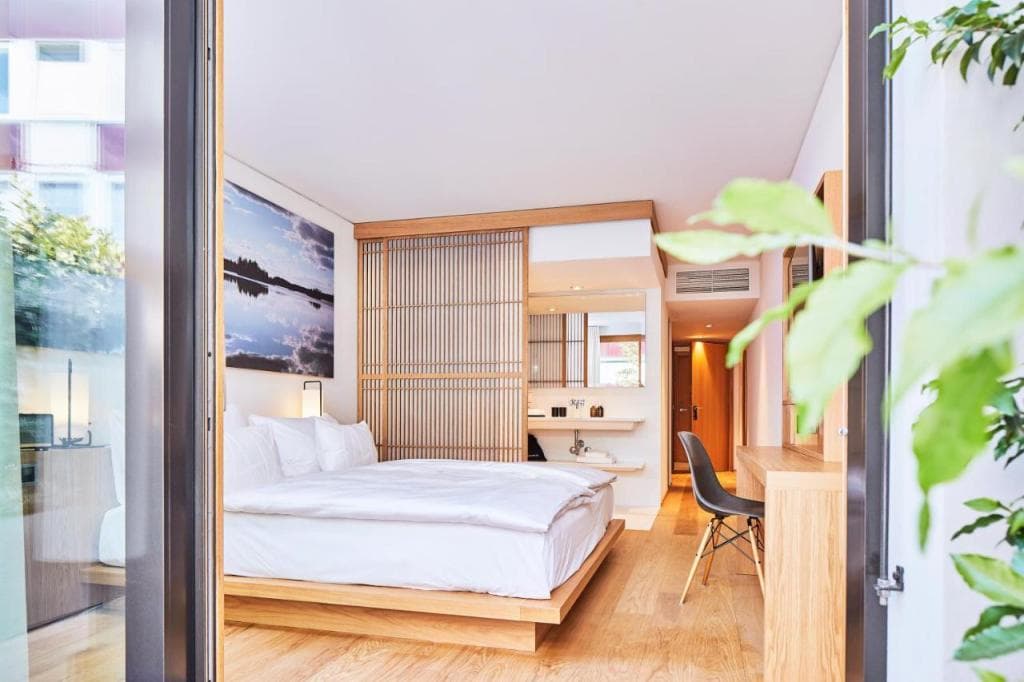
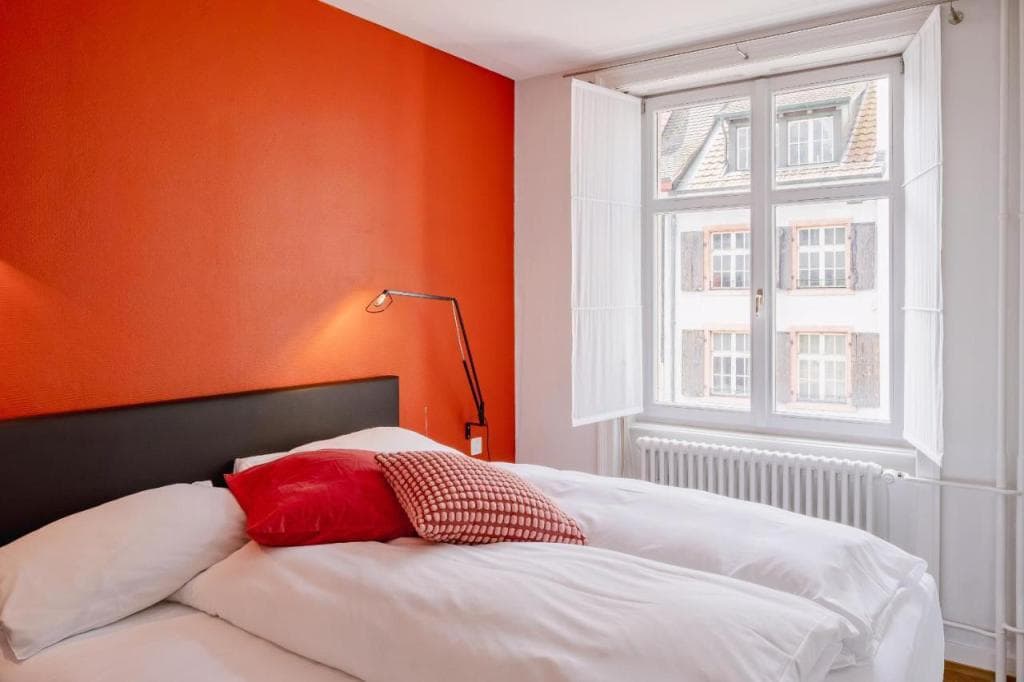
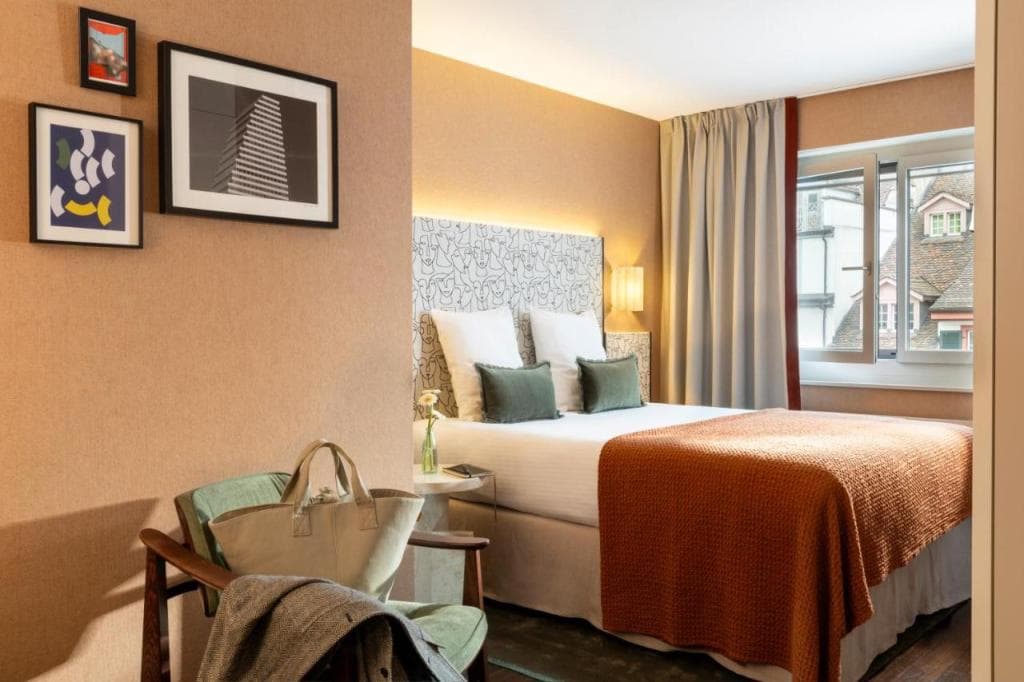
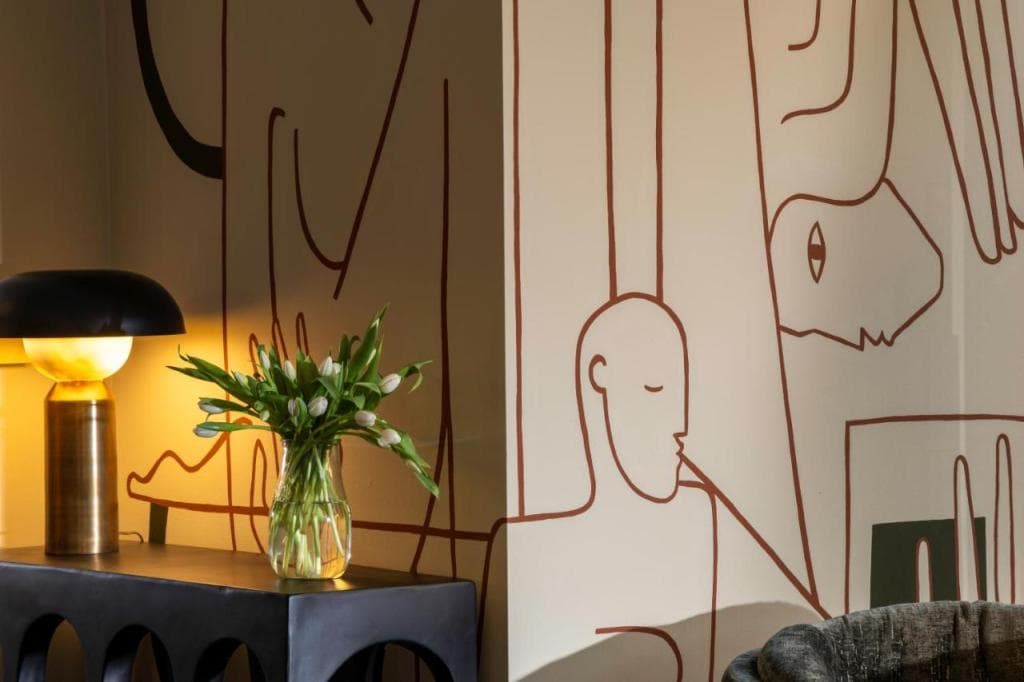
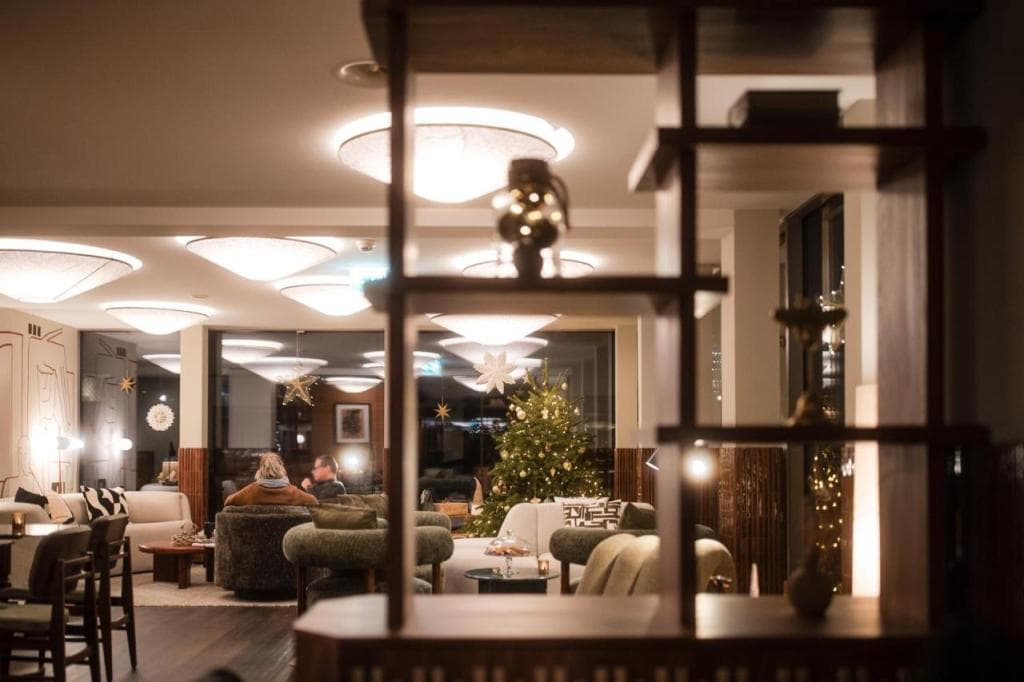
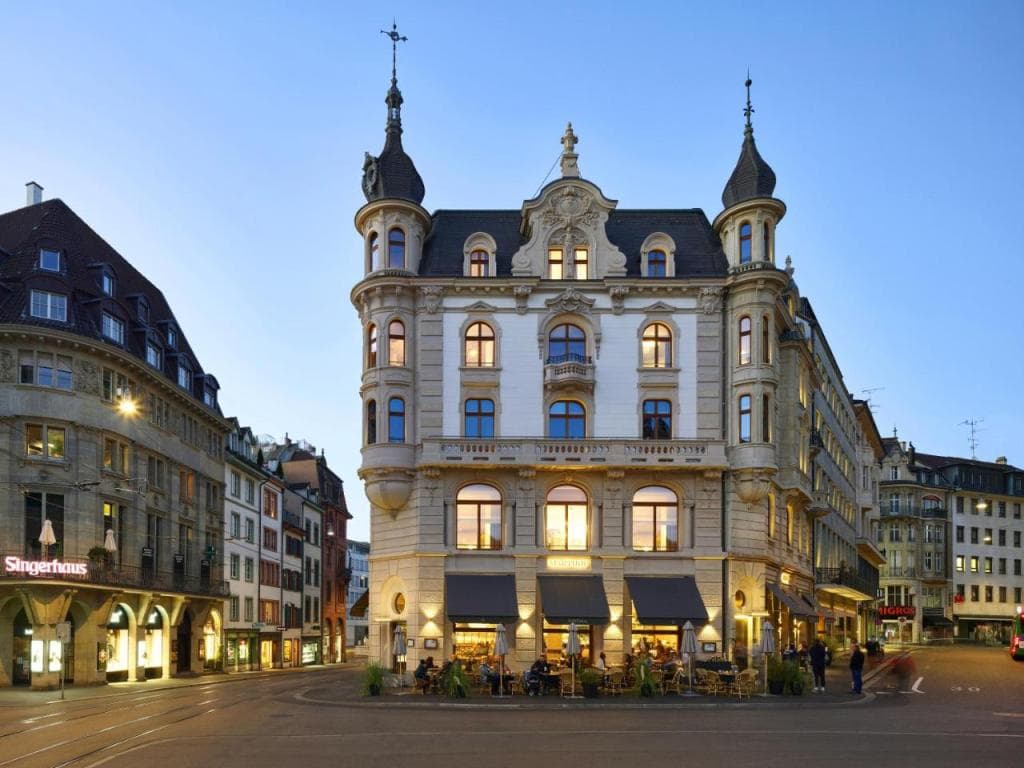
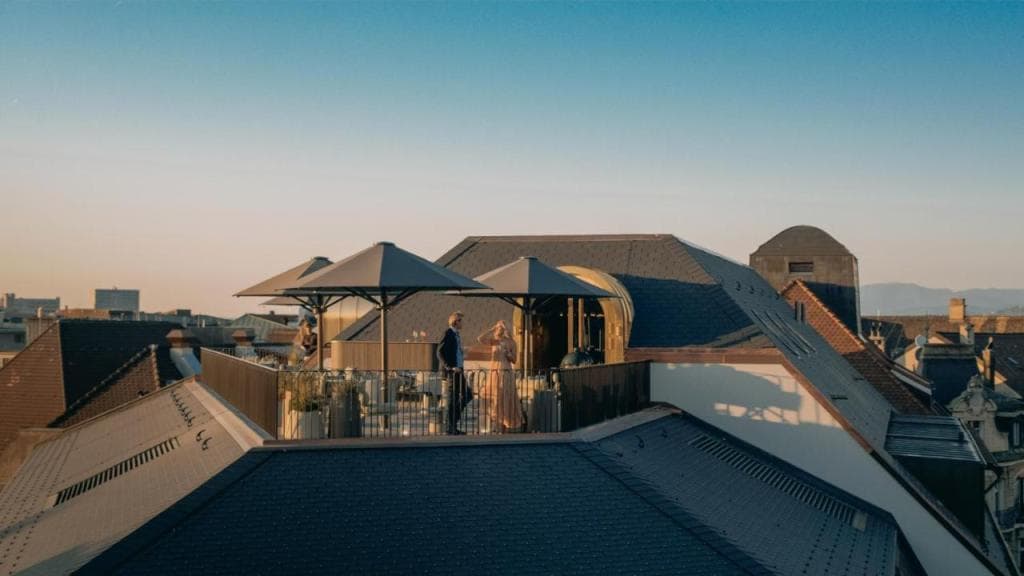
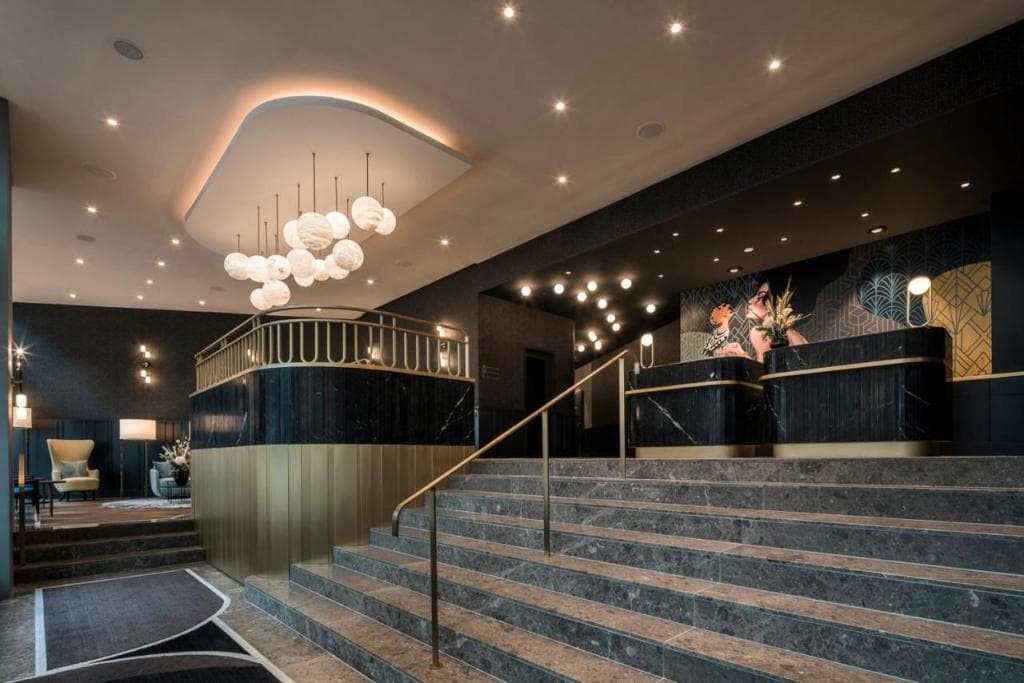
ART HOUSE Basel - Member of Design Hotels, Basel
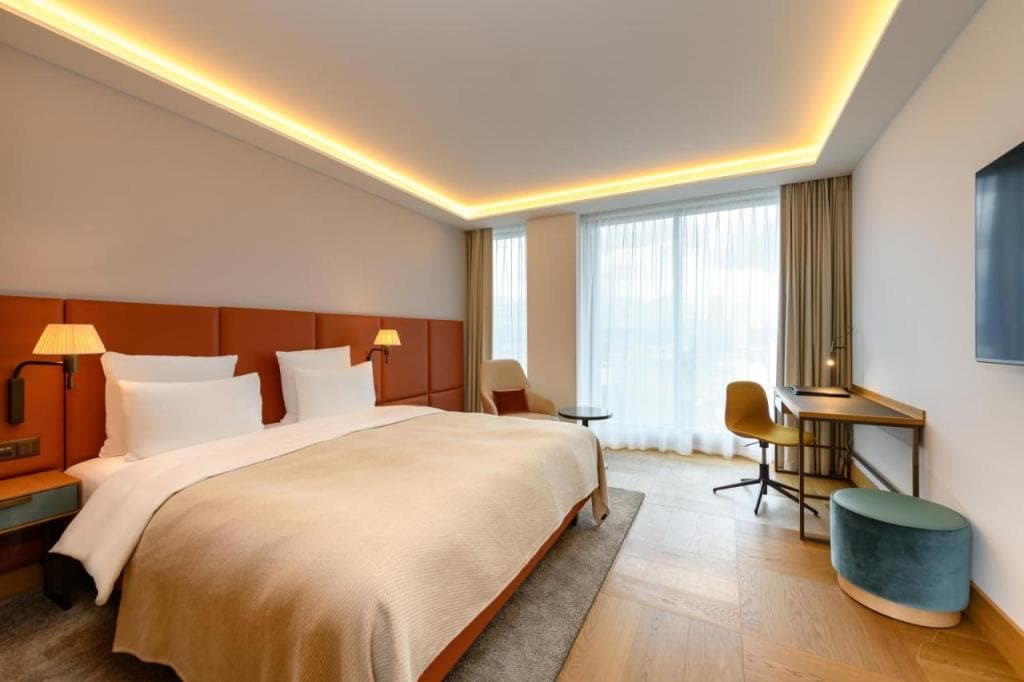
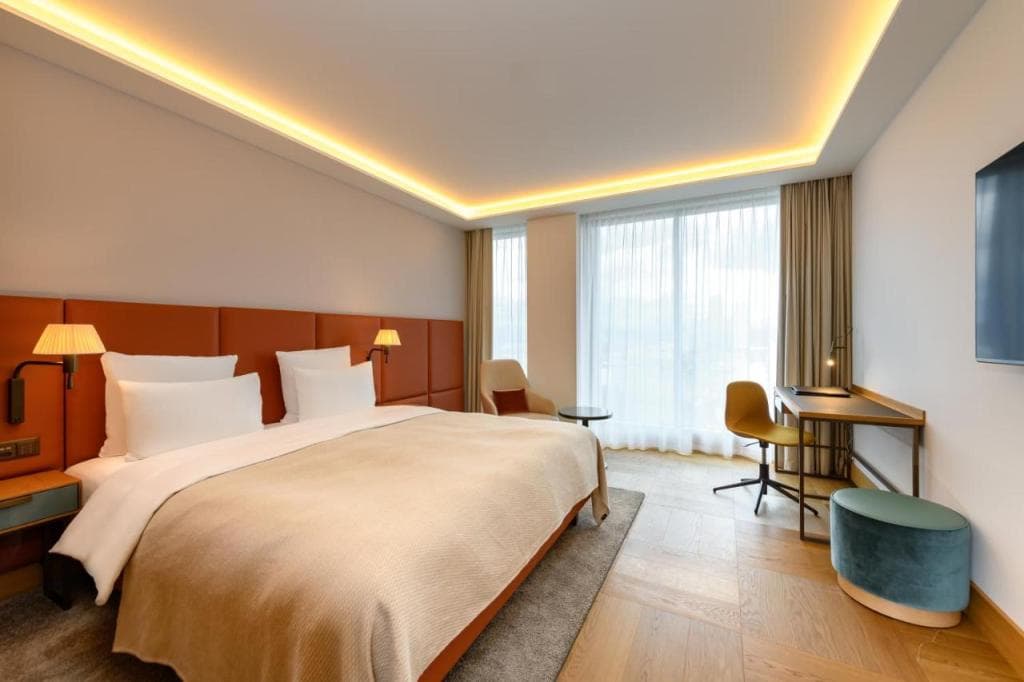
Prime City Location ART HOUSE Basel is located in Basel city center, offering easy access to attractions such as Laguna Badeland (3.7 mi) and the Dreiländermuseum (6.8 mi). The hotel is highly rat

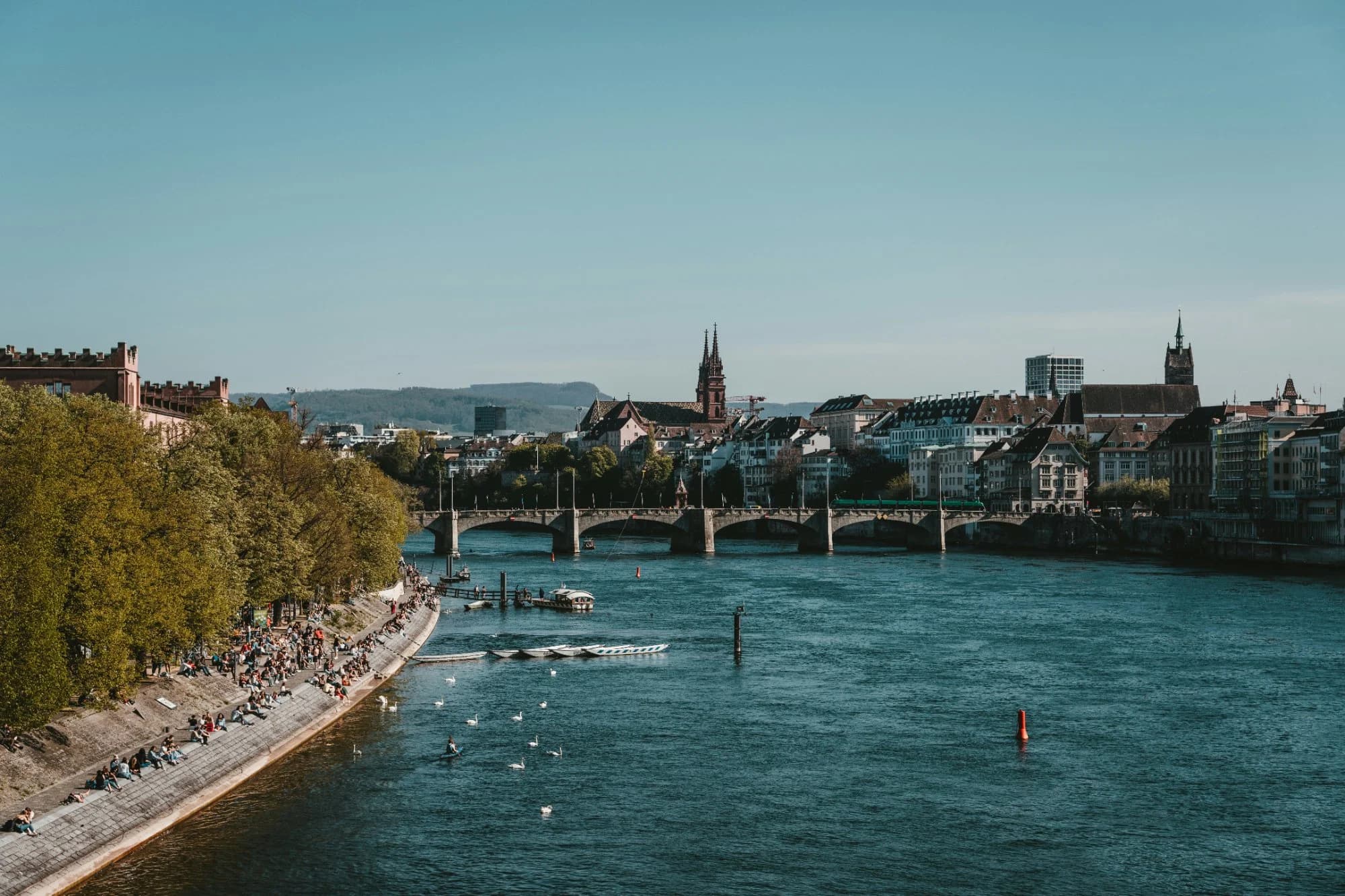
Switzerland is not short of sophisticated cities, but Basel operates on its own register. It is not driven by alpine spectacle or financial gravity in the way that Zurich or Geneva are. Basel's prestige is cultural and architectural. The city hosts more museums per capita than almost any other in Europe, and its annual art fair, Art Basel, functions as a kind of global barometer for contemporary taste. For the design-literate traveler, this is a destination that rewards attention. The luxury hotel suite here is less about escapism and more about immersion in a city that takes aesthetics seriously at every scale.
11 hotels available

Prime City Location ART HOUSE Basel is located in Basel city center, offering easy access to attractions such as Laguna Badeland (3.7 mi) and the Dreiländermuseum (6.8 mi). The hotel is highly rat

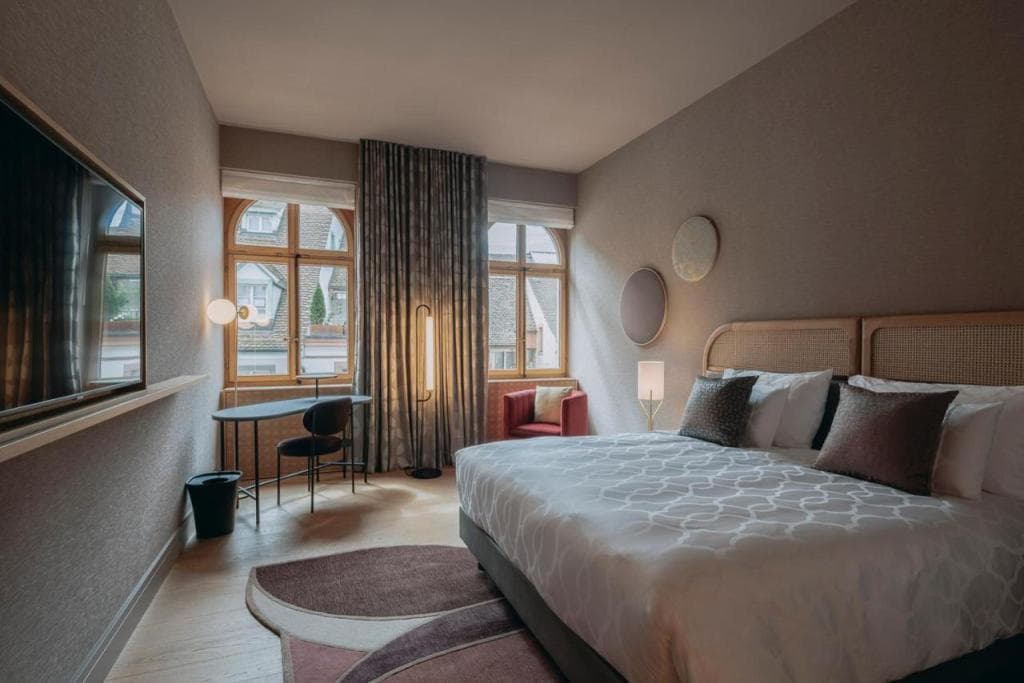
Comfortable Accommodations Rooms feature air-conditioning, private bathrooms, hypoallergenic bedding, and modern amenities. Guests enjoy free WiFi, flat-screen TVs, and soundproofing for a relaxin

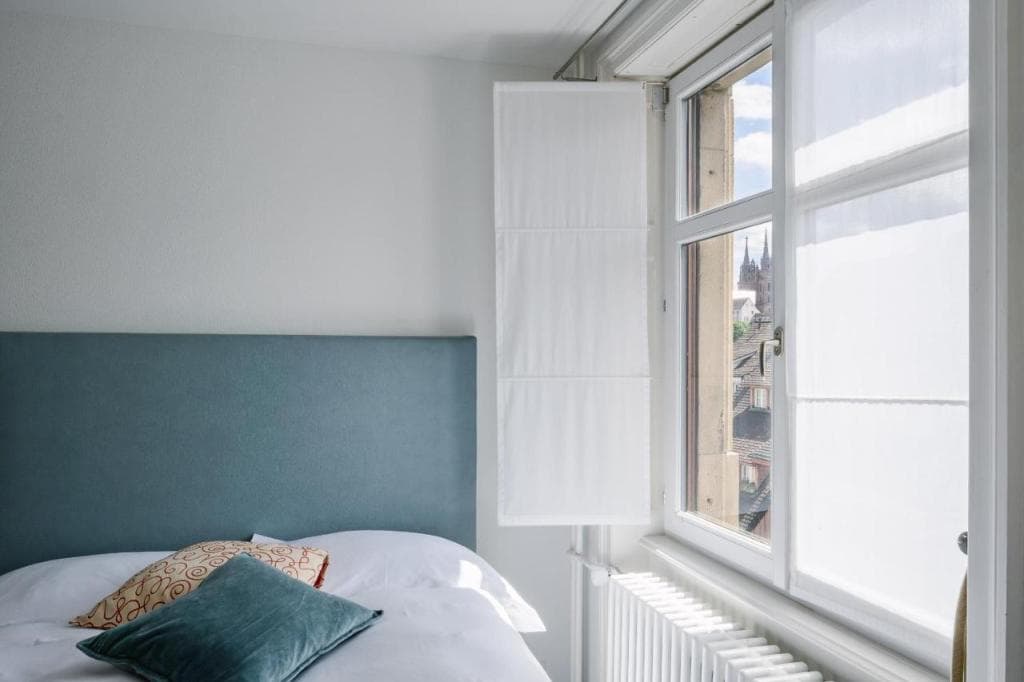
Comfortable Accommodations Consum Boutique Hotel in Basel offers comfortable rooms with private bathrooms, city views, and modern amenities. Each room includes a seating area, free toiletries, and

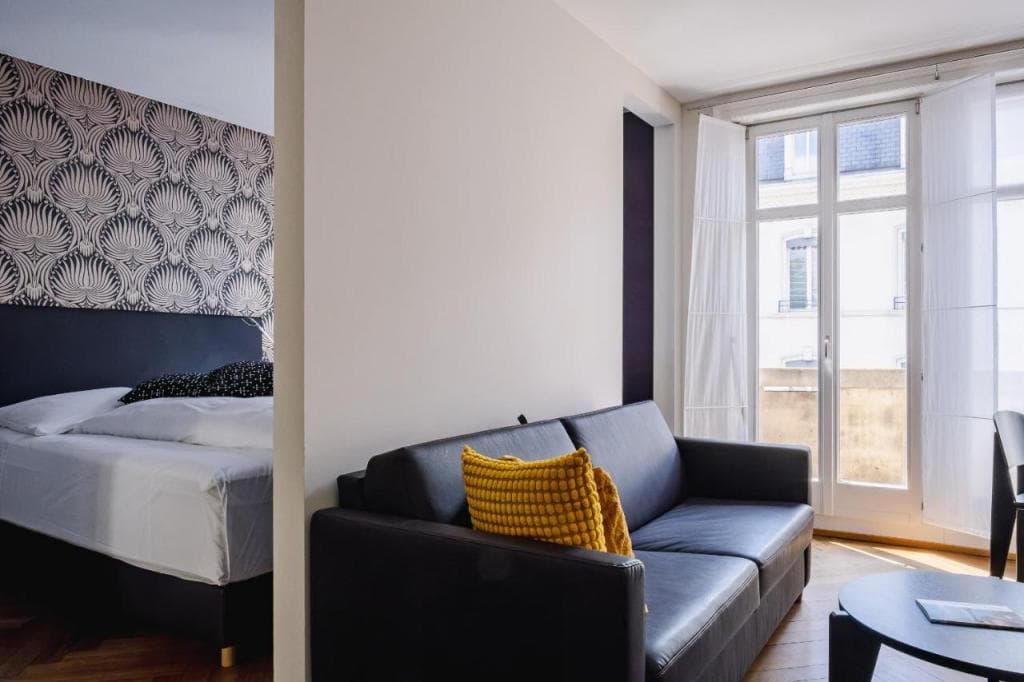
This eco-friendly 4-star boutique and design hotel is located in the heart of Basel. The stylish rooms all feature modern amenities such as iPod docking stations. Free Wi-Fi is available. Hotel D’s r

Central Location Hotel Märthof Basel in Basel offers a central location with key attractions nearby. Mulhouse Train Station is 20 mi away, while Parc Expo Mulhouse lies 21 mi from the property. #

Hotel Spalentor is located opposite the Botanic Gardens, a 5-minute walk from the Old Town of Basel and the University, and offers free bicycles, free WiFi, a fitness area and a quiet garden with a ch

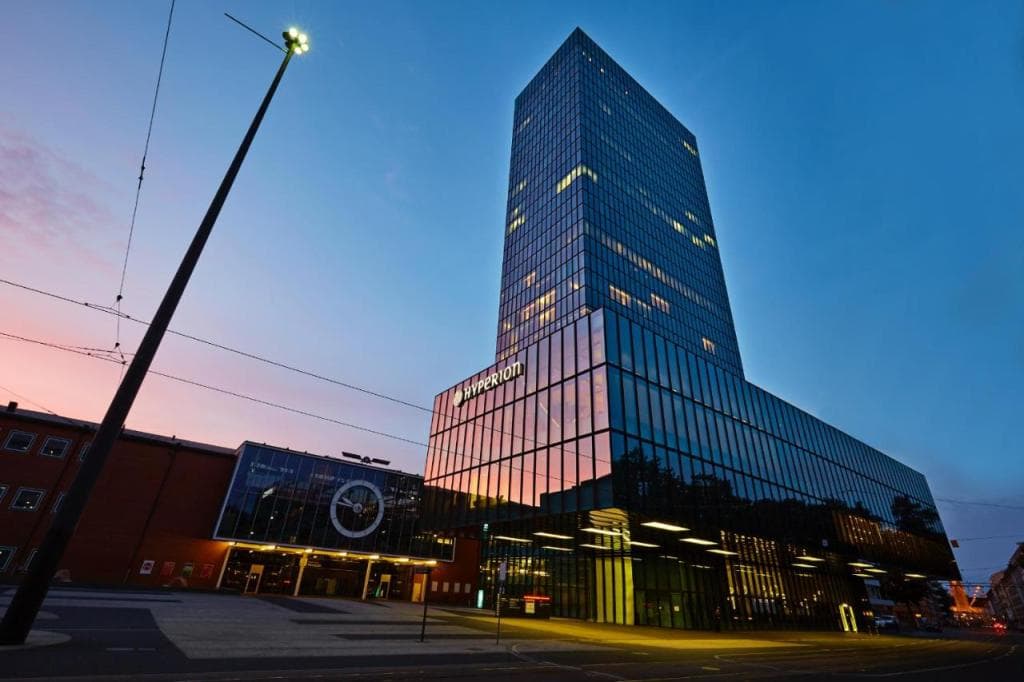
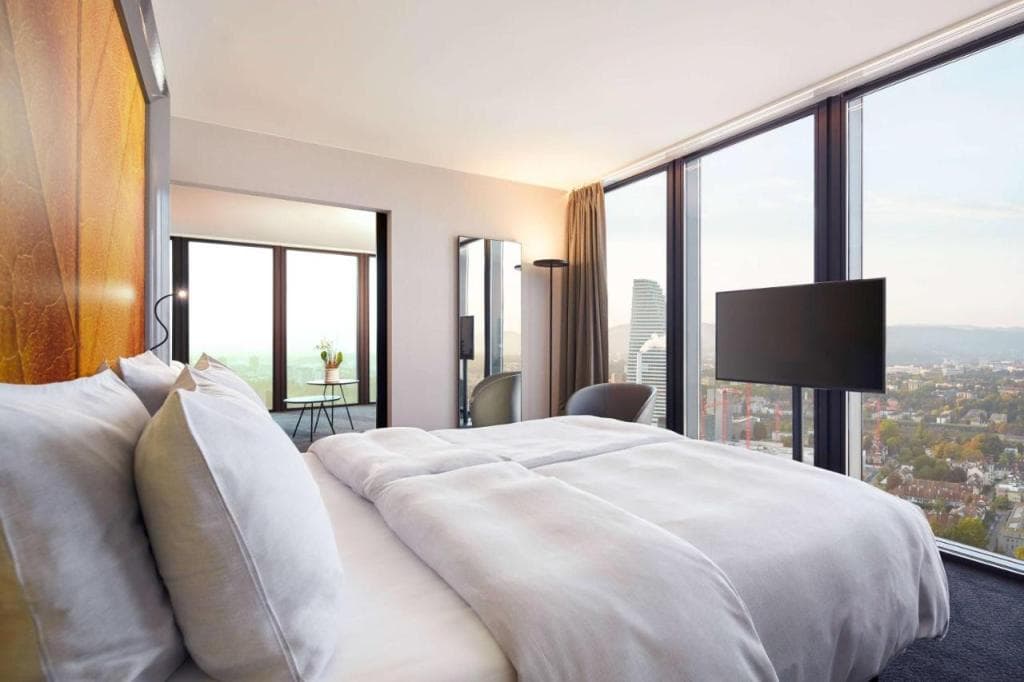
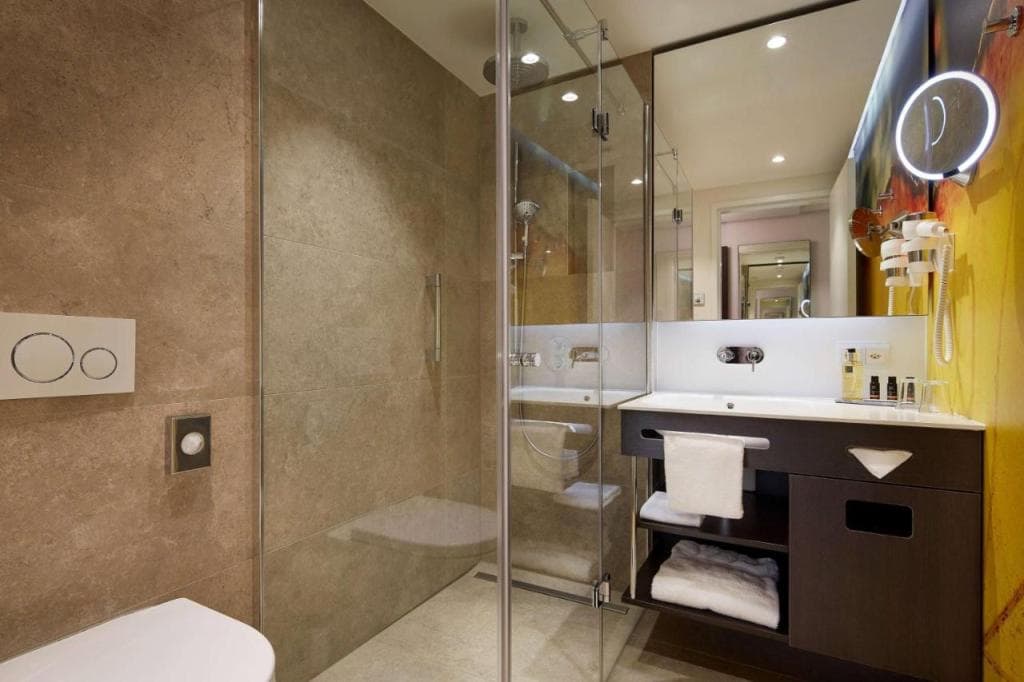
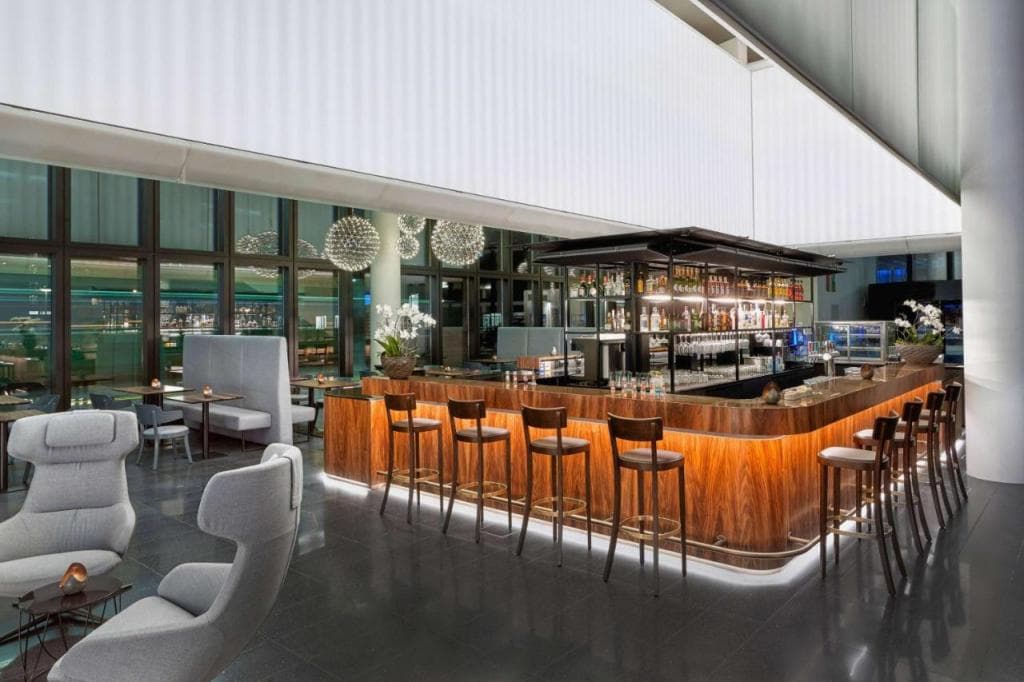
In Basel's tallest habitable building, the HYPERION Hotel Basel is next to the Basel Messe trade fair center and just a short walk from the Old Town. It offers a sauna and a fitness center. Free inter

The Hotel Krafft Basel and restaurant can be found in the heart of the city, right on the bank of the Rhine river with its Mediterranean-style promenade. Laptops with wireless internet access and pri

Comfortable Accommodations Rooms feature private bathrooms, city views, and modern amenities such as free WiFi, mini-bar, and soundproofing. Additional comforts include bathrobes, tea and coffee m

Featuring free WiFi and a restaurant, Nomad Design & Lifestyle Hotel - Member of Design Hotels is located in Basel, 656 feet from Kunstmuseum Basel. It has a sauna and fitness center, and guests can e

Enjoying a quiet location in the heart of Basel, the Radisson Blu Basel Hotel is just a 5-minute walk from the central train station and features a great indoor pool. It takes you only 10 minutes by

75 km away
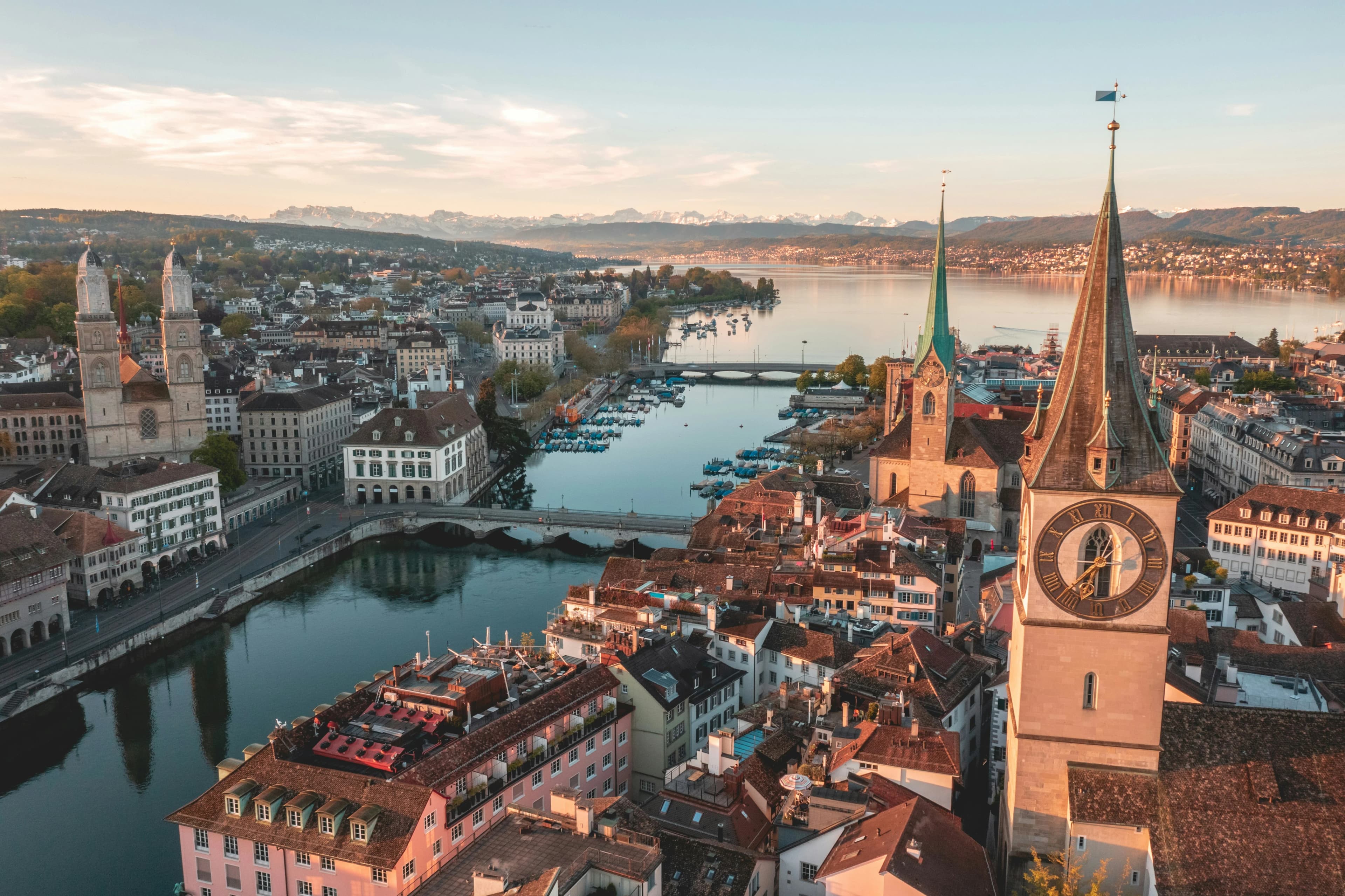
Zurich is not a city that performs luxury. It practises it. The distinction matters to the kind of traveler who chooses a suite deliberately, not for size alone, but for what the space communicates about where they are. In Zurich, that communication is architectural, material, and precise. The city ranks among Europe's most expensive and most livable, and its hotel culture reflects both realities: properties here operate at a standard that assumes the guest has experienced the best elsewhere and expects no explanation of what makes something good.

78 km away
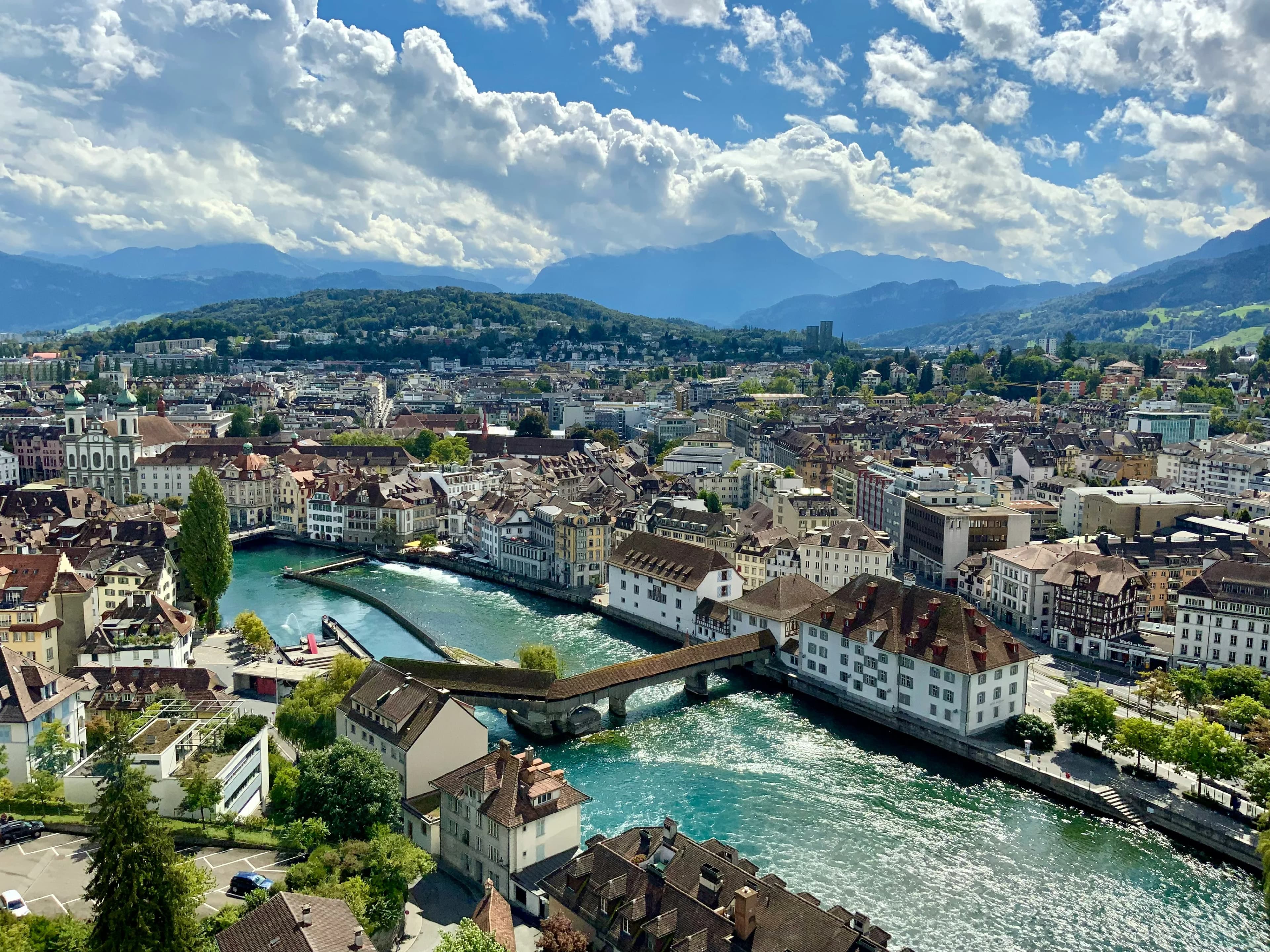
Lucerne is compact by design and generous in detail. The medieval Old Town, the Chapel Bridge (Kapellbrücke), the promenade along Lake Lucerne: each element of this city has been maintained with a seriousness that most destinations can only approximate. Staying in a standard room here would be a category error. The right luxury hotel suite places you above the roofline, facing the water or the mountains, with space to absorb what the city is quietly offering. This is a destination for people who travel to slow down, not to accumulate experiences. A suite is the architectural expression of that intention.

60 km away
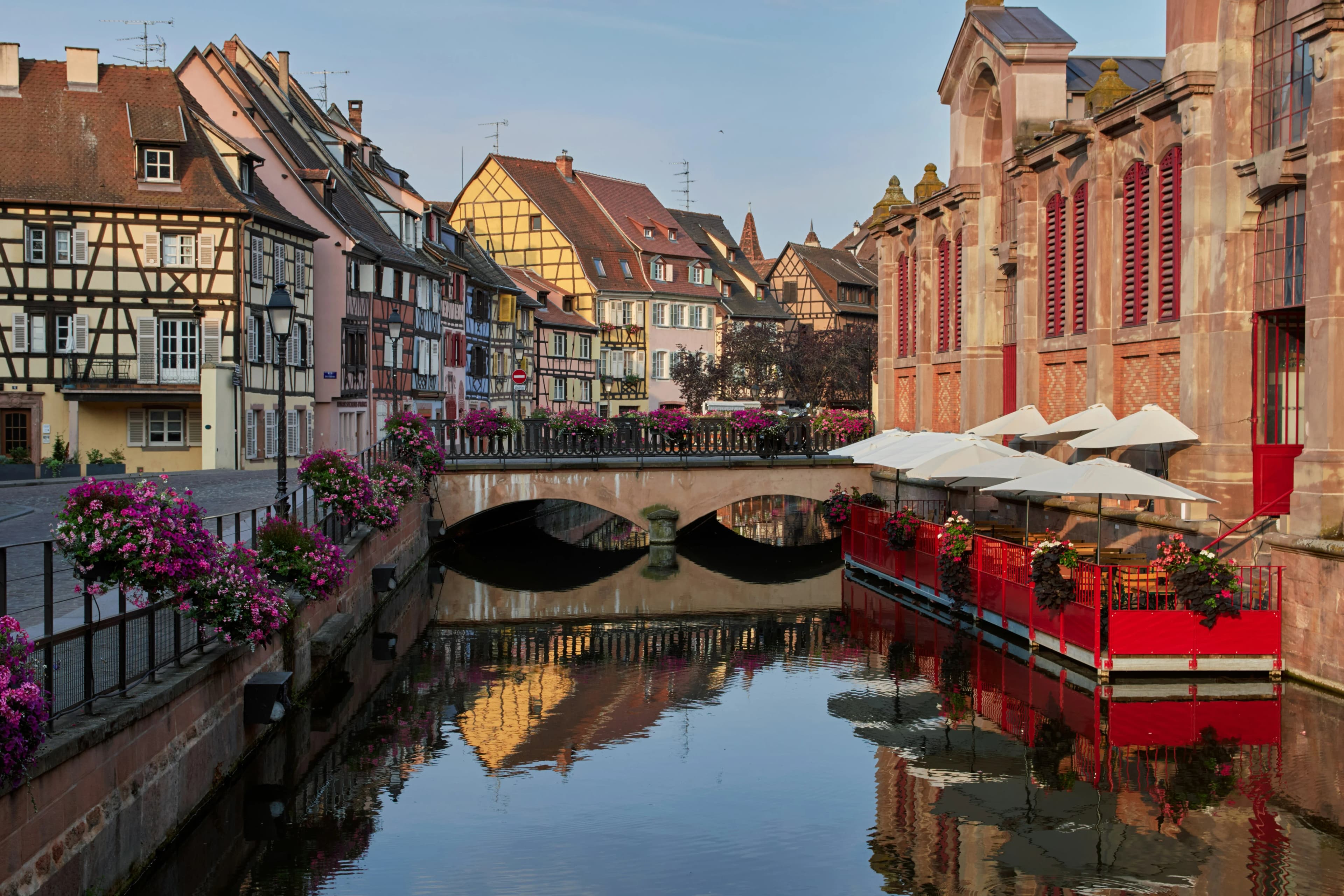
Colmar sits in the Haut-Rhin department of Alsace, pressed against the foothills of the Vosges mountains and anchored by one of France's most intact medieval urban cores. Unlike many European cities that have preserved their historic centres as museum pieces, Colmar remains a functioning, lived-in place. Its architecture, a layered record of German and French influence, gives every street a visual density that rewards walkers who move slowly and look carefully. For the traveler who chooses a luxury hotel suite as a base, Colmar offers exactly the kind of environment that justifies a longer stay: cultural weight, gastronomic seriousness, and a surrounding wine landscape of genuine international standing.
Basel also benefits from its position at the tripoint of Switzerland, France and Germany. The Basel-Mulhouse-Freiburg airport serves all three countries. Within the city itself, you can walk across the Rhine on a ferry, eat at a Michelin-starred restaurant in France in the evening and return to your suite in Switzerland before midnight. This geographic fluidity is part of what makes Basel interesting for the high-end traveler who wants a base, not just a stop.
The elevated left bank of the Rhine, known as Grossbasel, holds the medieval old town with its cathedral, the Münster, and the main museum quarter. The Kunstmuseum Basel, one of the oldest public art collections in the world, sits here. Staying in or adjacent to this area places you within walking distance of Basel's most architecturally significant streets, the guild houses, the red sandstone facades and the intimate rhythm of a city built for pedestrians rather than cars. For those who value proximity to cultural institutions, this is the logical address.
The right bank, Kleinbasel, has a different character. Historically the working district, it has evolved into a quieter, more local-feeling quarter. The Rhine promenade here is one of the city's genuinely pleasurable public spaces, used by residents for swimming in summer and walking in every season. A suite with a Rhine view on this bank offers something that the grander addresses on the left bank cannot: a sense of the city as it actually lives, rather than as it presents itself.
To the northwest, the St. Johann quarter has been transformed in recent decades by the presence of the Novartis Campus, a privately commissioned architectural project that has invited buildings from Frank Gehry, Tadao Ando, Diener and Diener, and others. While the campus itself is not a public hotel destination, the surrounding area reflects the confidence of a city comfortable commissioning serious architecture for functional purposes. Travelers with an interest in contemporary design will find the proximity instructive.
June is the city's most intensely attended month. Art Basel, the international contemporary art fair held each June at the Messe Basel, brings collectors, gallery directors, artists and their entourages from every major market. Hotel availability during this period is extremely constrained, and suites at the best addresses are reserved months, sometimes years, in advance. For those attending, this is non-negotiable planning territory. For those who prefer a quieter city, June is precisely the month to avoid.
April, May, September and October offer the most balanced conditions for a Basel visit oriented around the city's museums, restaurants and architecture. The weather is temperate, the crowds are proportionate and the cultural calendar remains active. The Basel Art Week in September provides a secondary moment of cultural density without the full intensity of the June fair. These months allow a more considered engagement with the city and, practically, more flexibility in suite selection.
Basel's carnival, Fasnacht, takes place in the three days following Ash Wednesday and is one of the most distinctive civic events in Switzerland. It begins precisely at four in the morning and runs for 72 hours without pause. The city transforms completely. For travelers interested in authentic local culture rather than curated international events, Fasnacht is worth planning around. Suite availability is better than during Art Basel, but advance booking remains advisable.
Switzerland does not use the French Palace designation, but the country's hotel culture has its own rigorous standards. Swiss hospitality has historically prioritised precision, discretion and functional quality over theatrical gestures. In Basel specifically, the leading luxury hotels tend to reflect the city's architectural seriousness. Design is deliberate, service is considered rather than performative, and the best suites offer spatial generosity that acknowledges the city's own relationship with proportion and light.
For the traveler accustomed to larger international luxury markets, Basel's supply of truly exceptional suites is concentrated rather than abundant. This is not a city with dozens of interchangeable five-star properties. The options are fewer, the differentiation between them is meaningful, and the choice of where to stay carries real consequence for the texture of the visit. This is precisely the context in which a curated platform becomes useful rather than merely convenient.
If you are exploring Switzerland more broadly, it is worth noting that Basel occupies a different register from the alpine resorts or the lakeside properties of Geneva and Lugano. The luxury here is urban, cultural and architectural. It suits the traveler who comes to engage with a city rather than to retreat from one.
Several considerations are specific to Basel and shape what a luxury suite here should offer.
First, orientation matters. A suite with a Rhine view places the city's defining geographical feature at the center of the daily experience. The river, used for swimming by locals in summer and framed by both banks of distinct character, is Basel's most sensory constant.
Second, proximity to the Kunstmuseum and the museum quarter is relevant for those who intend to use the city seriously. Walking distance to these institutions, rather than a taxi ride, changes the nature of the engagement.
Third, consider the architecture of the building itself. Basel is a city where the envelope matters. A suite in a property that takes its own design seriously, whether that means a restored historic structure or a building commissioned from an architect of consequence, will feel consistent with the city's values in a way that a generic international hotel will not.
Fourth, for Art Basel attendees specifically, proximity to the Messe Basel convention center is a practical factor that becomes significant when the schedule is dense and the weather unreliable.
Basel's luxury suite market is small by the standards of major European capitals. This concentration makes independent research both more important and more difficult. The city does not have an excess of options, which means a poor choice is more consequential here than in a city with fifty alternatives.
La Suite's curated selection for Switzerland and for Europe more broadly is built on direct knowledge of properties, not aggregated review data. For a city like Basel, where the differences between properties are architectural and cultural rather than amenity-based, this kind of editorial judgment is the most reliable guide available. The curated selection by La Suite is designed precisely for the traveler who wants a considered answer, not a list.

April, May, September and October offer the best combination of temperate weather, cultural programming and suite availability. June, during Art Basel, sees extreme demand and severely limited availability at premium addresses, so advance planning of several months is essential if you intend to visit during the fair.
For Art Basel in June, the most sought-after suites are typically reserved six to twelve months in advance, and some regular attendees maintain standing reservations from year to year. If you are planning to attend the fair and require a specific property, beginning your search in the preceding autumn is a reasonable baseline.
Basel's luxury proposition is fundamentally cultural and architectural rather than financial or alpine. The city's identity is shaped by its museum density, its position at the junction of three countries and its serious engagement with contemporary design. It suits travelers who come to engage with a city's intellectual and aesthetic life rather than its banking infrastructure or mountain scenery.
Yes, several of Basel's leading hotels are positioned to offer Rhine-facing suites or rooms. A suite with a direct river view places Basel's most distinctive geographical feature at the center of the daily experience, with both banks of the river visible and the city's pedestrian and swimming culture immediately present.
Art Basel in June is the dominant event, drawing an international audience of collectors and cultural figures. The Basel Art Week in September provides a secondary cultural moment. Fasnacht, the city's carnival in February or March, is a singular local experience of a completely different character, beginning at four in the morning and running for 72 continuous hours.
Basel functions well as an entry point to Switzerland given its international airport, which serves France and Germany as well as Switzerland. Direct rail connections reach Zurich in under an hour and Bern in under 60 minutes, making it a viable base for a broader Swiss itinerary. For more on the country's luxury suite landscape, the La Suite selection for <a href="/en/destination/world/europe/switzerland">Switzerland</a> provides a comprehensive overview.
Key considerations include Rhine views, proximity to the Kunstmuseum and the museum quarter, the architectural quality of the building itself and, for Art Basel attendees, the distance to the Messe Basel. Basel rewards travelers who choose their address deliberately, as the differences between properties are meaningful and the total supply of exceptional suites is limited.
Basel's luxury hotel market is concentrated rather than extensive. Unlike Paris or London, the city does not have dozens of comparable five-star properties. The options are fewer, the distinctions between them are more significant and the choice of address has a more direct effect on the character of the visit. This makes independent research more important and curatorial guidance more valuable.
Yes. Basel's position at the tripoint of Switzerland, France and Germany makes cross-border movement straightforward. The French city of Mulhouse and the German city of Freiburg are both within easy reach. Many Basel visitors combine a Swiss hotel base with dinner reservations on the French side of the border, where several Michelin-recognised restaurants operate within a short distance of the city center.
Swiss hospitality culture prioritises precision, discretion and spatial quality over theatrical gesture. The best suites in Basel tend to reflect the city's own relationship with architecture: considered proportions, deliberate material choices and service that is attentive rather than performative. Travelers accustomed to larger international luxury markets will find Basel's offering more concentrated and more consistent in its values.