Where to stay in Dresden for a luxury suite experience
Across the Augustus Bridge, the Neustadt (New Town) operates on a different frequency. This is Dresden's most creatively active district: independent galleries, design-forward restaurants, and a residential character that gives it a lived-in quality the Altstadt sometimes lacks. For travelers seeking proximity to contemporary culture and a less tourist-facing atmosphere, the Neustadt is worth considering seriously. A small number of boutique properties here deliver a more intimate suite experience.
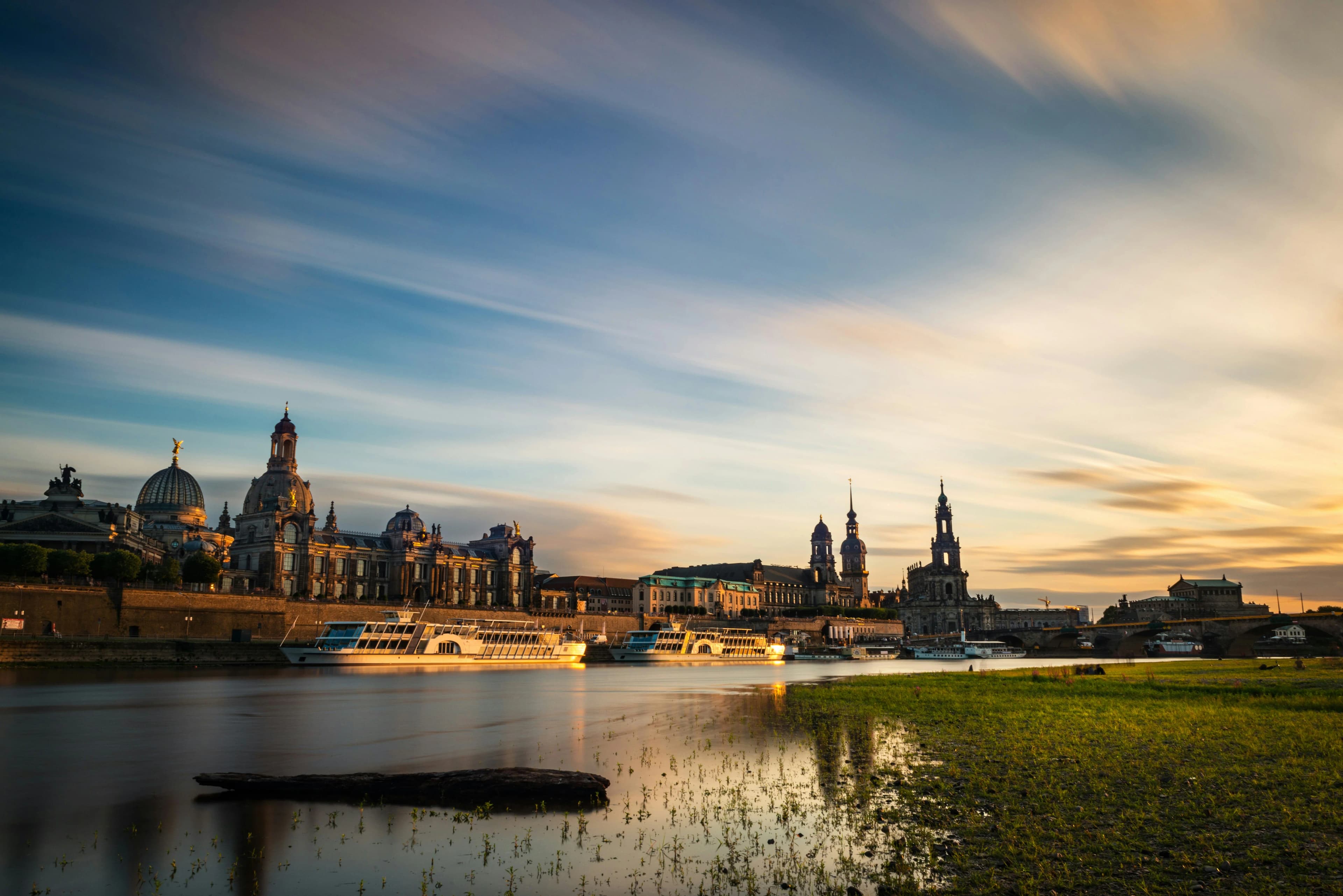
The Elbe riverbanks themselves provide a third orientation. Properties positioned along the river offer direct views of the Altstadt skyline, a perspective that has attracted painters and architects for three centuries. Suite selection along this axis rewards those who prioritize visual context as a deliberate part of the stay.
When to visit Dresden
Dresden's cultural calendar is structured around several anchor points. The Semperoper season runs from September through June, with the Semper Opera Ball in January representing one of the most formally prestigious social events in the German-speaking world. Suite availability around the ball requires significant advance planning, typically six to twelve months.
The Dresden Music Festival, held each May and June, draws international performers across classical and contemporary programs, filling the city's finest concert venues and generating measurable pressure on premium hotel inventory. Spring in Dresden is temperate and photogenic, with the Elbe meadows and the Pillnitz Palace gardens in full condition.
Summer along the Elbe is warm and social. The outdoor concert series and open-air programming at the Zwinger make June through August a strong period for travelers who want cultural access alongside physical comfort. December brings the Striezelmarkt, one of the oldest Christmas markets in Germany, established in 1434. Its presence transforms the Altstadt and drives significant demand for central hotel suites during Advent weekends.
For those who prefer considered pace over peak activity, late September and October offer mild temperatures, reduced visitor numbers, and a fully operational cultural season. This is arguably the most efficient window for high-end travel to Dresden.
Understanding luxury hotel standards in Dresden
Germany does not operate a formal state designation equivalent to the French Palace label. The German Hotel Classification system (run by the DEHOGA federation) uses a five-star scale, with five-star superior as the highest category. In practice, the distinction that matters most in Dresden is between internationally branded five-star hotels and independent properties with individual curatorial sensibility.
Top-tier suites in Dresden characteristically offer generous floor plans, given the city's relatively moderate real estate pressure compared to Munich or Frankfurt. Expect well-proportioned living areas, separate bedroom configurations, and in many cases direct views of either the Altstadt skyline or the Elbe. Bathroom finishes in leading properties draw on Meissen porcelain tradition, a regional luxury material with genuine historical resonance. Meissen, located 25 kilometers northwest of Dresden, has produced Europe's most technically refined hard-paste porcelain since 1710, and its presence in suite design is an authentic local marker rather than a decorative gesture.
Service standards in Dresden's leading hotels reflect a Germanic precision: attentive, accurate, and not theatrical. Travelers accustomed to Mediterranean warmth or Asian ceremony should calibrate expectations accordingly. The register is professional and considered rather than effusive. For many suite guests, this suits perfectly.
How to choose the right suite in Dresden
The first consideration is orientation: Altstadt proximity versus residential atmosphere versus river views. These are genuinely different experiences and the choice should map to your primary purpose in Dresden. Cultural immersion (opera, museums, the Historic Green Vault) pulls toward the Altstadt. Creative exploration and restaurant culture pull toward the Neustadt. Scenic contemplation and photographic opportunity pull toward the Elbe-facing positions.
The second consideration is architectural context. Dresden was substantially reconstructed after 1945, and some of its most prominent buildings (including the Frauenkirche, completed in 2005) are modern reconstructions of historical originals. Hotels in genuinely pre-war buildings carry a different material quality from those built or rebuilt in the postwar period. If architectural authenticity matters to you, it is worth verifying the construction history of any property you consider.
Suite size and configuration deserve specific attention if you are traveling as a couple seeking a dedicated sitting room, or as a small family requiring connecting arrangements. Dresden's leading hotels offer a range of suite typologies, from junior configurations to full penthouse floors with panoramic exposure. For an authoritative overview of luxury hotel suites across Germany, La Suite provides curated selection across the country's key destinations.
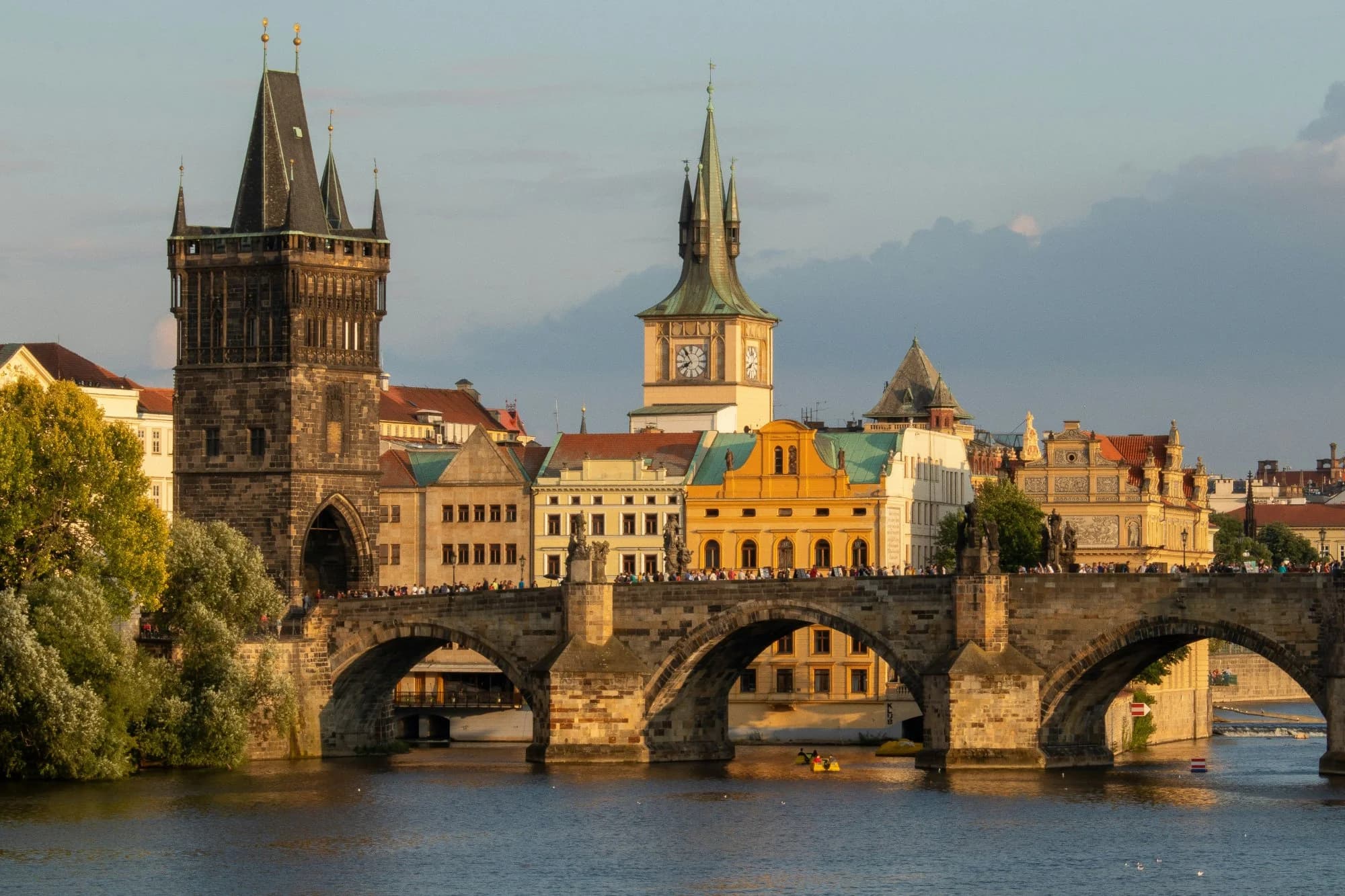
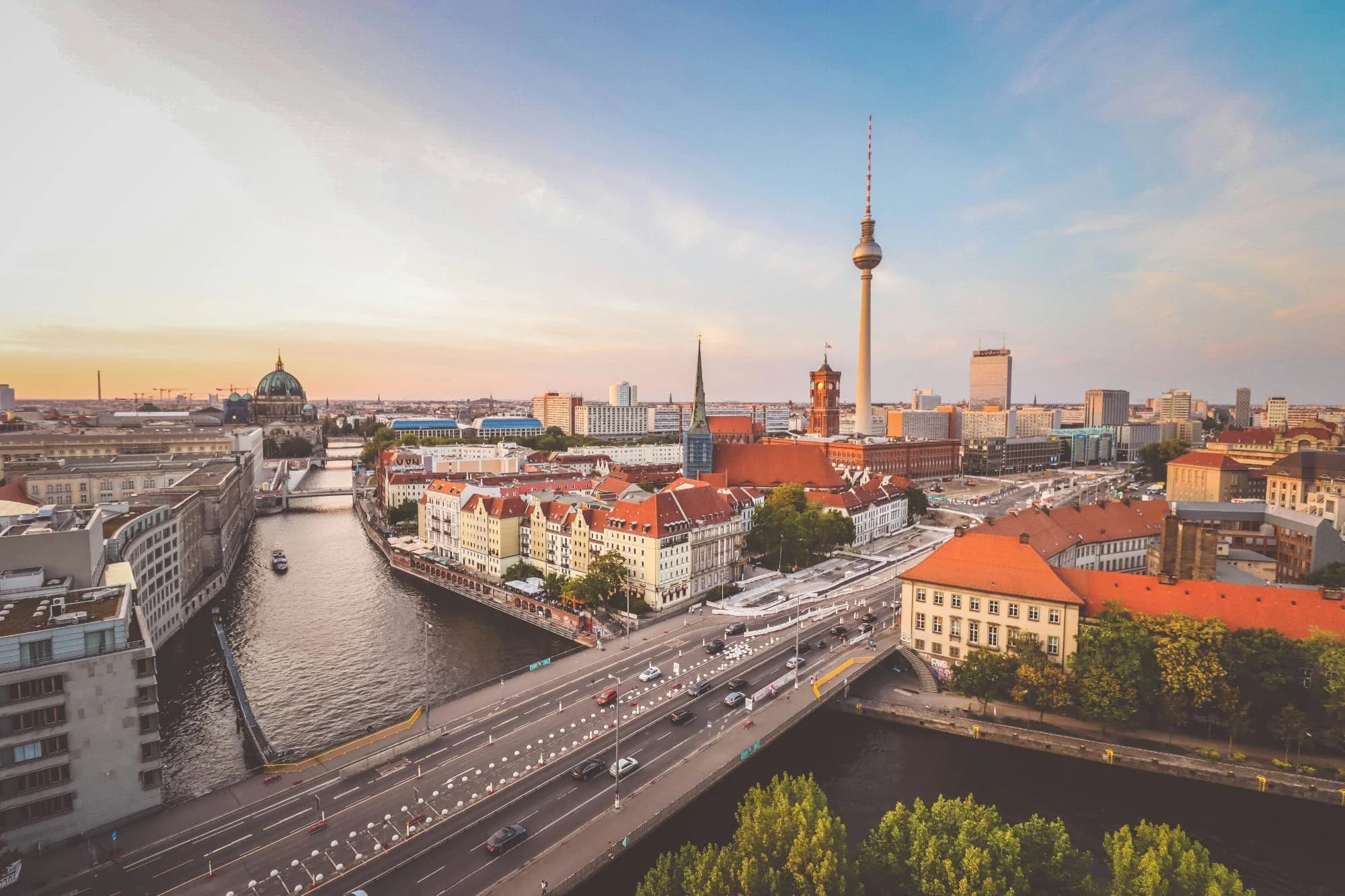
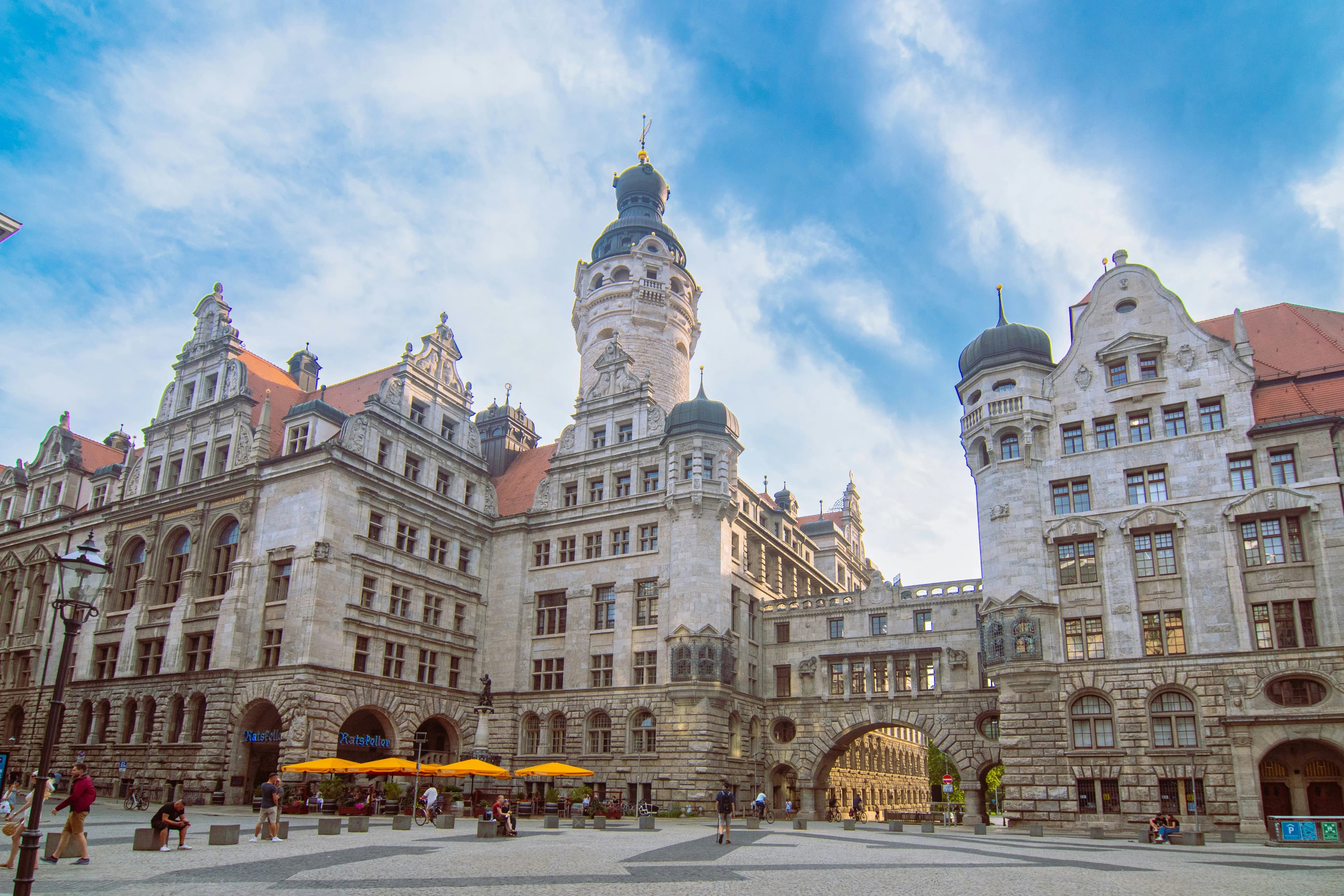
For travelers positioning Dresden within a broader central European itinerary, it connects efficiently by rail with Prague (two hours), Berlin (two hours), and Leipzig (one hour). Suite selection in Dresden can therefore function as a considered base for regional exploration rather than a single-city stay.
Why curated selection matters in Dresden
Dresden's luxury hotel market is smaller than those of Berlin, Munich, or Hamburg. The number of properties offering genuine suite-level quality is limited, which makes the selection process both more manageable and more consequential. A misjudged booking in a city with fewer alternatives is harder to remedy on arrival.
La Suite applies the same editorial standards to Dresden as it does across Europe's leading luxury destinations: direct property assessment, verification of suite specifications, and honest positioning of each property's strengths. The goal is to match the traveler to the suite that best serves their specific requirements, whether that is cultural proximity, architectural character, or river-facing calm. In a city as precise and considered as Dresden, the quality of that match determines the quality of the stay. Browse the curated selection by La Suite to identify the Dresden suite that fits your itinerary with the same precision the city applies to everything else.