Berlin's distinct neighbourhoods and where to stay in a luxury suite
Mitte: the institutional core
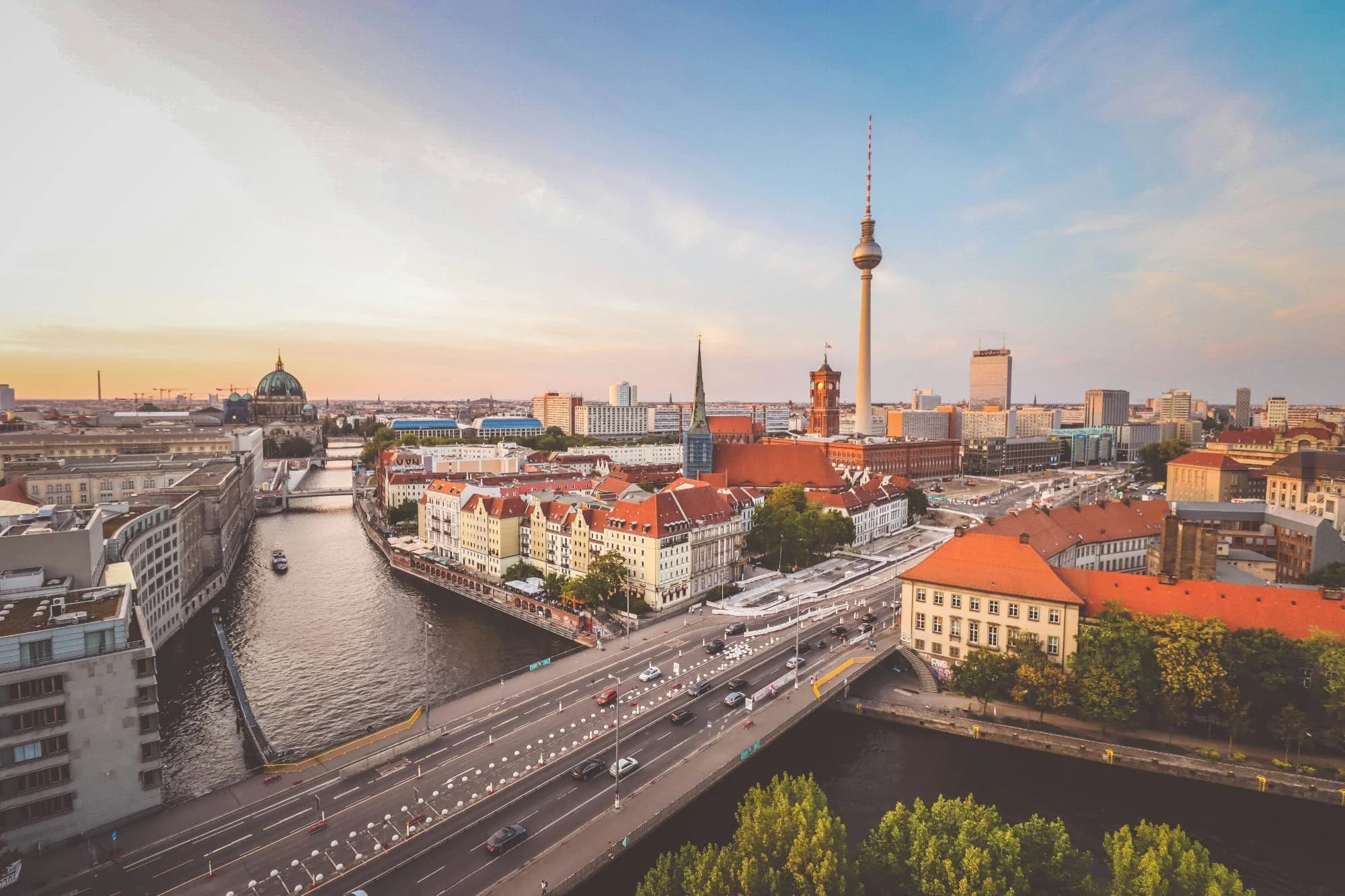
Mitte carries the weight of Berlin's formal history. The Museumsinsel, the Reichstag, and the Brandenburg Gate sit here, alongside the city's highest concentration of five-star hotel properties. Suites in Mitte tend toward classical proportions, with floor plans that reflect the neoclassical and early modernist architecture of the surrounding built environment. This is the district for travellers whose schedule includes official engagements, gallery visits to the Alte Nationalgalerie, or diplomatic itineraries. The pace is measured and the infrastructure for high-end hospitality is mature.
Charlottenburg: old-world residential scale
West of the Tiergarten, Charlottenburg preserves the residential grandeur of pre-war Berlin. The boulevards are wider, the buildings more elaborately ornamented, and the retail offer is anchored by the Kurfürstendamm. Luxury hotel suites in this district often occupy converted townhouses or purpose-built early twentieth-century hotels, where the room volumes and ceiling heights are genuinely generous. Charlottenburg appeals to travellers who prefer a quieter street-level experience without sacrificing proximity to cultural institutions such as the Philharmonie or the Gemäldegalerie.
Prenzlauer Berg sits in the former East, but its post-reunification transformation has produced one of Berlin's most architecturally coherent residential neighbourhoods. The Gründerzeit apartment blocks, with their deep courtyards and ornate façades, create a particular urban atmosphere. Boutique hotels and design-forward properties are the dominant format here, and suites in this district tend to prioritise interior craft over conventional five-star amenities. The neighbourhood suits travellers who appreciate editorial interiors and a slower, more curated daily rhythm.
These two districts, once separated by the Wall, now form a continuous zone of cultural and commercial energy. The hotel offer here is younger and more architecturally experimental. Suites in Kreuzberg and Friedrichshain are often designed by recognisable architectural or interior practices, with spatial concepts that respond directly to the industrial heritage of the buildings. This is the right base for travellers whose itinerary includes the gallery circuit along Invalidenstrasse, the club and performance spaces along the Spree, or the independent retail and restaurant culture that defines this part of the city.
When to visit Berlin and how suite availability varies by season
Berlin rewards visits across most of the calendar, but the experience shifts significantly between seasons. The city's cultural calendar is most concentrated between September and June. The Berlinale, held each February, is the single event that most consistently affects premium suite availability across all districts, with demand from festival delegates, film industry professionals, and press creating a sustained compression of inventory at the top end of the market. Booking well in advance for February travel is not a precaution: it is a requirement.
The summer months, particularly July and August, bring a different energy. Berlin's outdoor culture, the lakes on the city's periphery, and the extended daylight hours make this a strong season for leisure travel. Suite availability is generally better in summer than during peak cultural events, but prices at design-forward properties remain firm year-round. October, which coincides with the Art Week and a series of gallery openings, is a second pressure point for suite inventory in Mitte and Charlottenburg specifically.
Winter in Berlin, from November through January, is cold and short on daylight, but the city's museum infrastructure and its restaurant scene are fully active. Suites during this period often offer better value and more flexible booking conditions, making it a rational choice for design-literate travellers whose priority is cultural engagement rather than outdoor access.
Local luxury standards: what defines a top-tier suite in Berlin
Germany does not operate a formal state classification for luxury hotels equivalent to the French Palace designation. The German hotel classification system, administered by the DEHOGA association, uses a star rating that tops out at five stars superior, but this category is broad and does not isolate the genuinely exceptional properties from the merely adequate. In Berlin, the relevant benchmark is less about official designation and more about the architectural pedigree of the building, the identity of the interior designer, and the specificity of the service model.
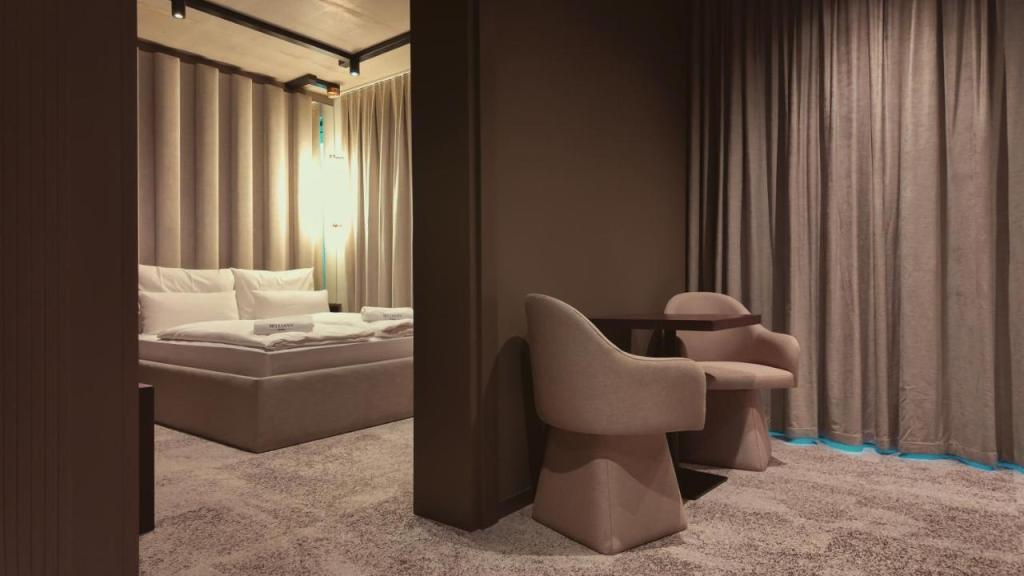
The city's most serious luxury hotel suites share several characteristics: generous floor plans relative to the European average, a strong relationship between the interior and the building's structural history, and a level of acoustic separation that reflects genuine investment in construction quality. Bathrooms in Berlin's top suites tend to be spatially ambitious, often incorporating freestanding tubs, double vanities, and natural stone at a scale that is less common in the more compressed hotel markets of London or Paris.
Design references in Berlin's premium suite market are notably eclectic. The city's history of division and reconstruction has produced a built environment with no single dominant aesthetic, and this is reflected in the range of interior languages available across the suite market, from Bauhaus-influenced minimalism in some Mitte properties to maximalist material layering in the more recently developed boutique hotels of Kreuzberg.
How to choose the right luxury suite in Berlin
The primary choice in Berlin is between historical fabric and new construction. Properties occupying pre-war buildings, particularly in Charlottenburg and Mitte, offer ceiling heights and room proportions that newer construction rarely replicates. However, contemporary properties developed in the last fifteen years have invested heavily in technology infrastructure, acoustic engineering, and bathroom specification, areas where older buildings sometimes require compromise.
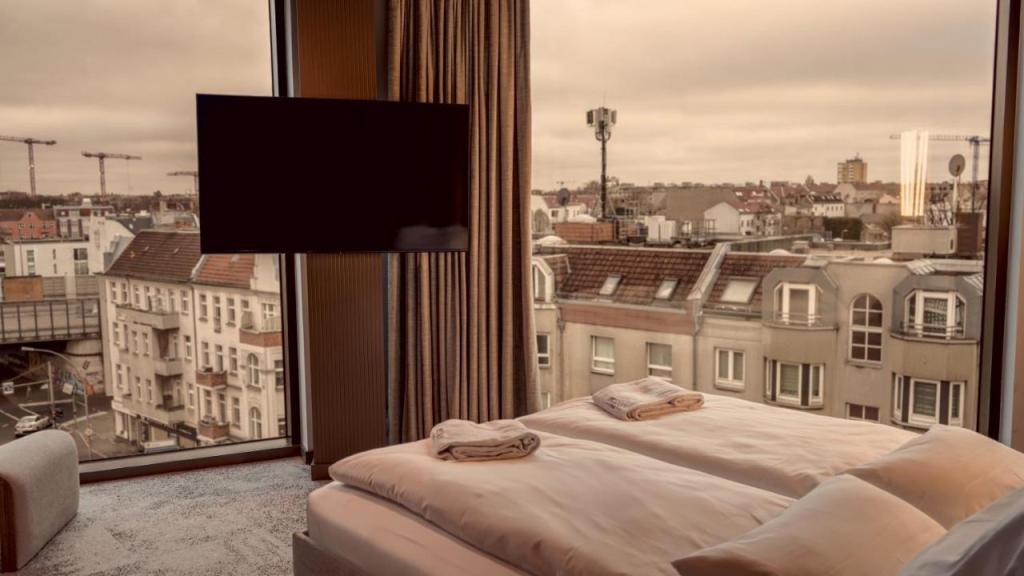
A second consideration is the relationship between the suite and the street. Berlin is a city where the public realm is an active part of daily life, and suites with private terraces or significant glazing facing internal courtyards offer a qualitatively different experience from those facing the main arterial roads. The city's traffic volumes on primary routes are substantial, and acoustic quality varies significantly between rooms within the same property.
For travellers with extended stays in mind, suite size and kitchen access become relevant variables. Several of Berlin's top hotel properties offer suite configurations with separate living volumes and kitchenette facilities, which reflect the city's tradition of longer-term residential hotel use, a format with roots in Berlin's early twentieth-century hotel culture.
Exploring the full range of options across Germany or the wider European suite market can also inform the decision, particularly for travellers combining Berlin with other destinations on the same itinerary.
Why a curated selection by La Suite changes the decision process in Berlin
Berlin's hotel market is large, heterogeneous, and not always well-documented at the suite level. The gap between a property's general reputation and the actual quality of its suite inventory is wider here than in more tightly structured luxury markets. A curated selection by La Suite addresses this directly, applying consistent spatial and service criteria across properties in every district, so that the comparison between a heritage suite in Charlottenburg and a design-forward suite in Prenzlauer Berg is grounded in verified, specific information rather than marketing language.
The editorial position of La Suite is that the suite is not an upgraded room: it is a distinct product with its own spatial logic, service protocols, and experiential register. In Berlin, where the range of interpretations is particularly wide, this distinction matters. The curated selection presented on this page reflects properties where the suite product has been assessed on its own terms, independently of the hotel's broader star rating or general reputation.