Best areas in Hungary for a luxury suite stay
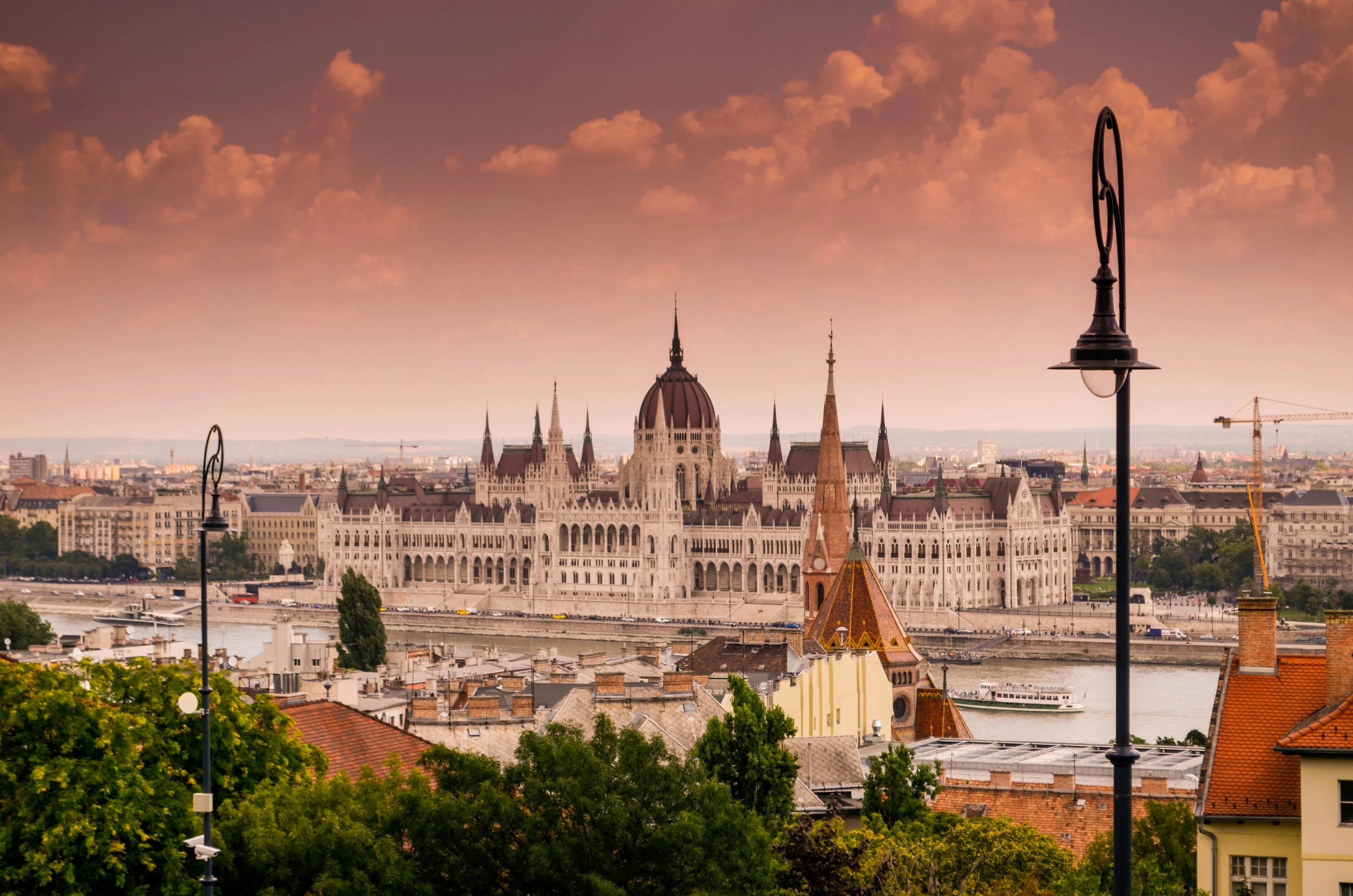
Budapest remains the primary destination for high-end suite travel in Hungary. The city divides naturally across the Danube: Buda, the hilly western bank, holds the historic castle district, thermal complexes, and residential palaces converted into intimate hotels. Pest, the flat eastern bank, concentrates the grand 19th-century boulevard architecture and the most significant luxury hotel addresses. Both sides offer suite experiences of considerable substance, but the spatial logic differs markedly. Buda suites tend toward privacy and elevation. Pest suites tend toward scale, ceremonial rooms, and direct access to the city's cultural infrastructure.
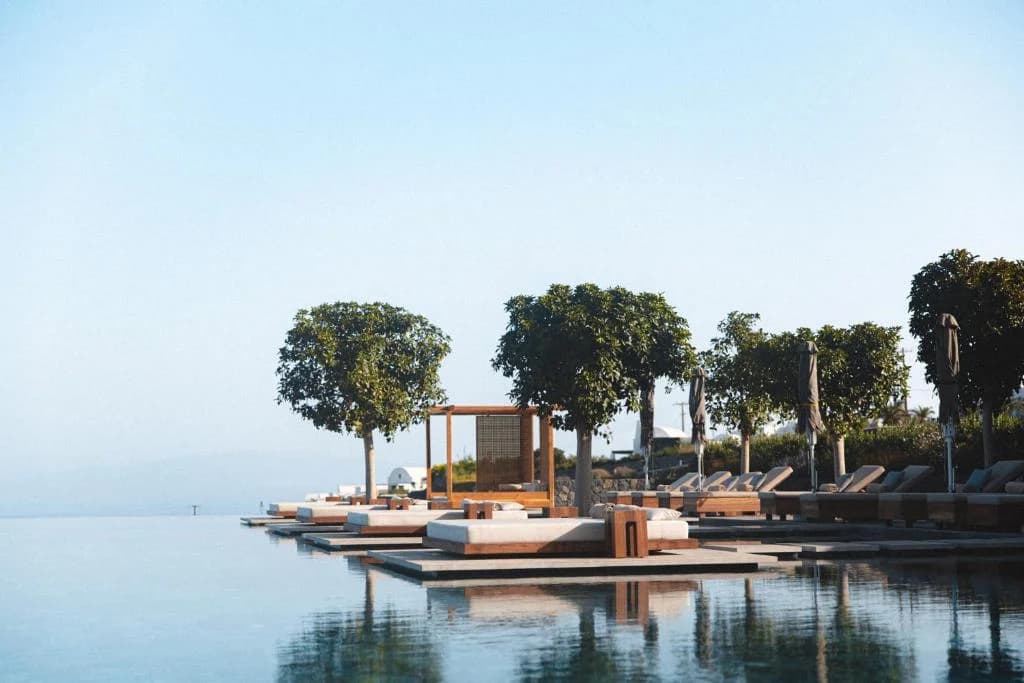
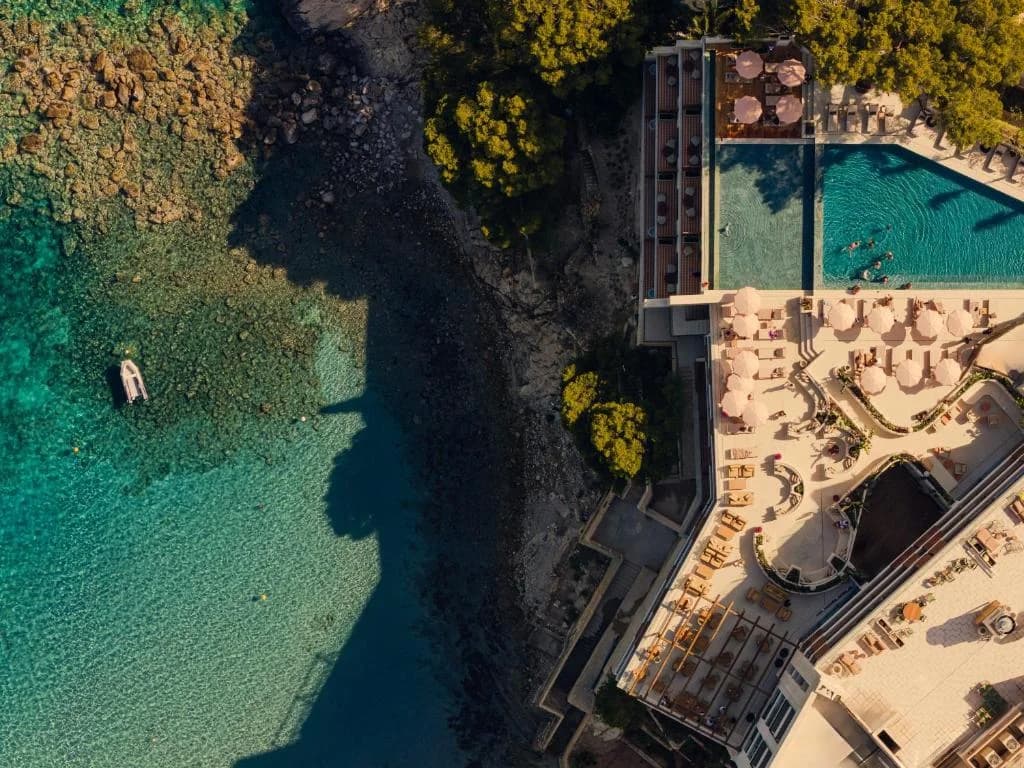
Lake Balaton, Central Europe's largest lake, functions as Hungary's primary resort territory. The northern shore, with its volcanic basalt geology, wine-producing villages, and cooler microclimate, draws a more design-conscious clientele. The southern shore is more accessible and family-oriented. Suite properties around Balaton tend to emphasize thermal wellness, vineyard proximity, and outdoor terrace architecture.
The Tokaj wine region in northeastern Hungary carries UNESCO World Heritage status and is increasingly developing a luxury hospitality infrastructure around its historic wine estates. Stays here orient around wine culture, cellar architecture, and a quieter, more residential pace.
The Hungarian countryside, including the Great Plain (Alföld) and the hills of Eger, offers equestrian estates and thermal spa retreats that cater to travelers seeking complete withdrawal from urban density.
When to visit Hungary for a luxury suite experience
Hungary operates on a Continental climate with meaningful seasonal variation. Each season presents a distinct case for suite travel.
Spring (April to June) is widely considered the most balanced period. Temperatures are moderate, cultural programming is dense, and the thermal bath culture transitions smoothly between indoor and outdoor formats. Budapest's café terraces and riverside promenades reach their full utility during these months.
Summer (July to August) concentrates the international festival calendar. The Budapest Summer Festival, open-air opera performances at the Margaret Island open-air theatre, and major classical music programming make this a high-demand period. Suite availability at premium properties tightens considerably, and advance reservation is essential. Lake Balaton reaches its peak occupancy during this period, with suite rates reflecting seasonal demand.
Autumn (September to October) is the preferred season for wine-focused travel. The Tokaj harvest, Eger's wine weeks, and the general reduction in tourist density make this an intelligent window for travelers who prioritize cultural depth over social density.
Winter (November to March) reconfigures the destination around thermal culture, Christmas markets of genuine character, and the interior drama of Budapest's grand hotel spaces. Suite occupancy drops at most properties, creating conditions where negotiation on rate is more feasible. New Year's Eve programming at Budapest's leading luxury hotels is an exception, commanding premium positioning.
Local luxury standards: what to expect from top-tier suites in Hungary
Hungary does not operate an official state classification equivalent to France's Palace designation, but the market has developed its own clear hierarchy. The leading luxury hotels in Budapest and beyond carry Five-Star ratings under the Hungarian Hotel Classification system, with the most distinguished properties affiliated with major international luxury groups or operating as independently managed heritage hotels.
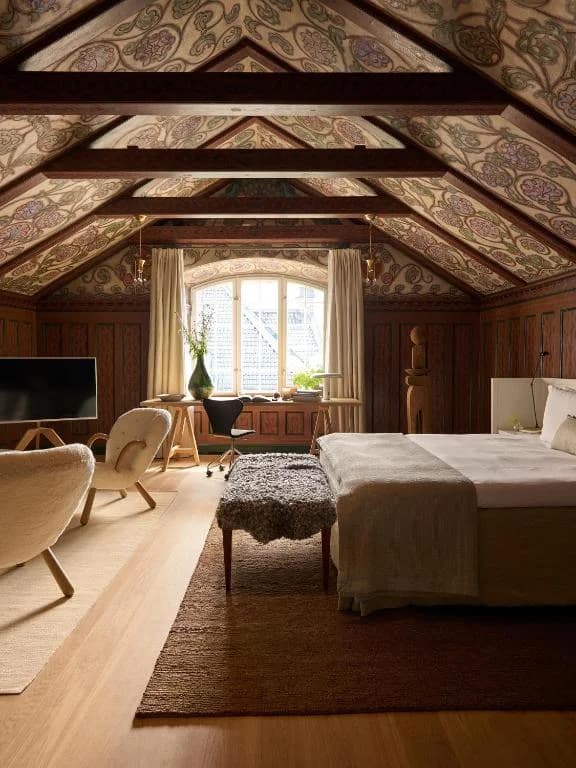
The most architecturally significant suite properties in Hungary occupy buildings of genuine historical weight: former aristocratic palaces, 19th-century grand hotels on the Andrássy Avenue corridor, and thermal bath complexes that have been carefully restored rather than replaced. In these properties, suite interiors frequently incorporate original ceiling heights of four to six metres, period fresco work, and restored parquet or stone flooring. The renovation quality varies, and the distinction between a thoughtfully restored historic suite and a superficially modernised one is worth examining before committing.
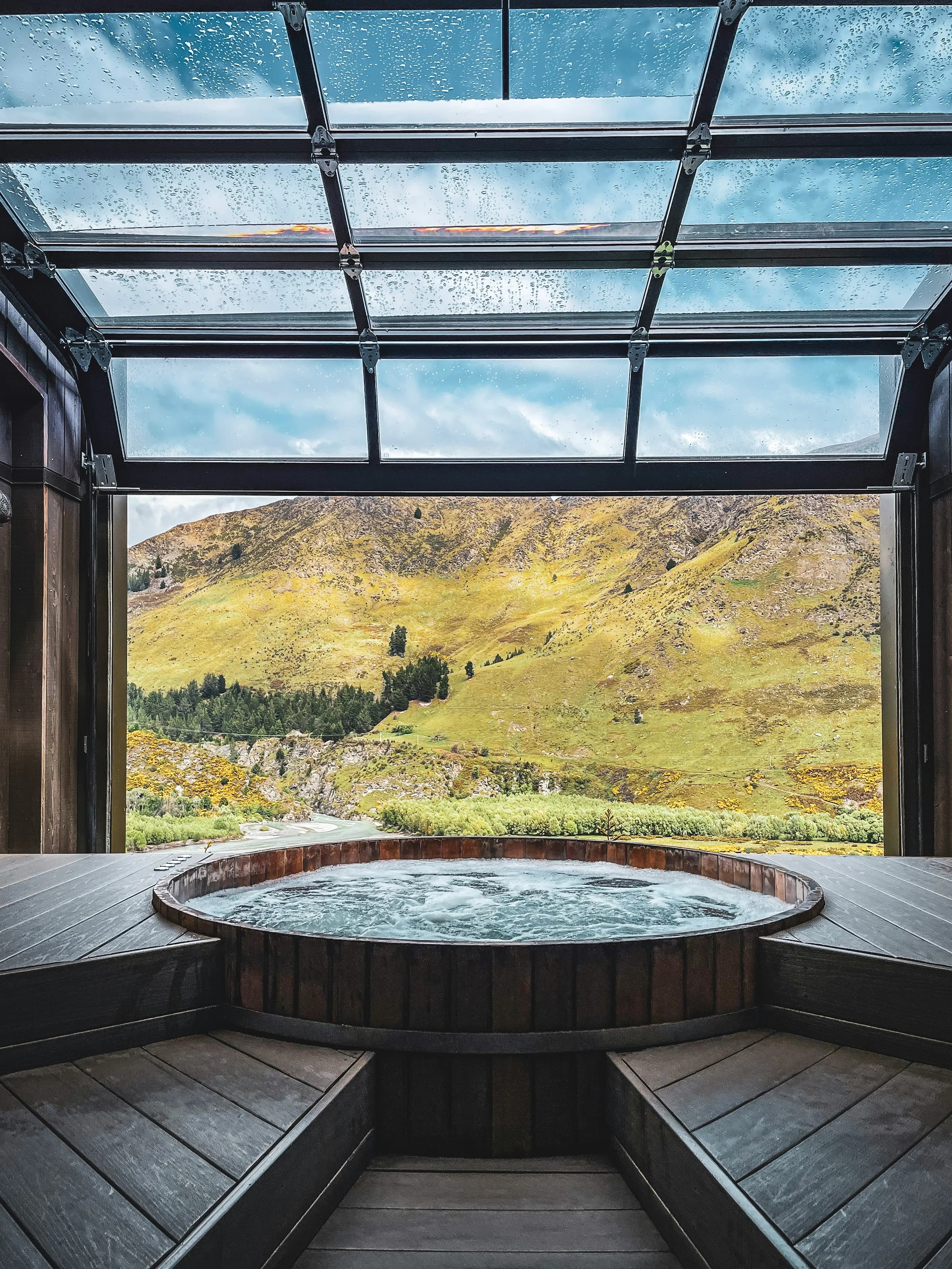
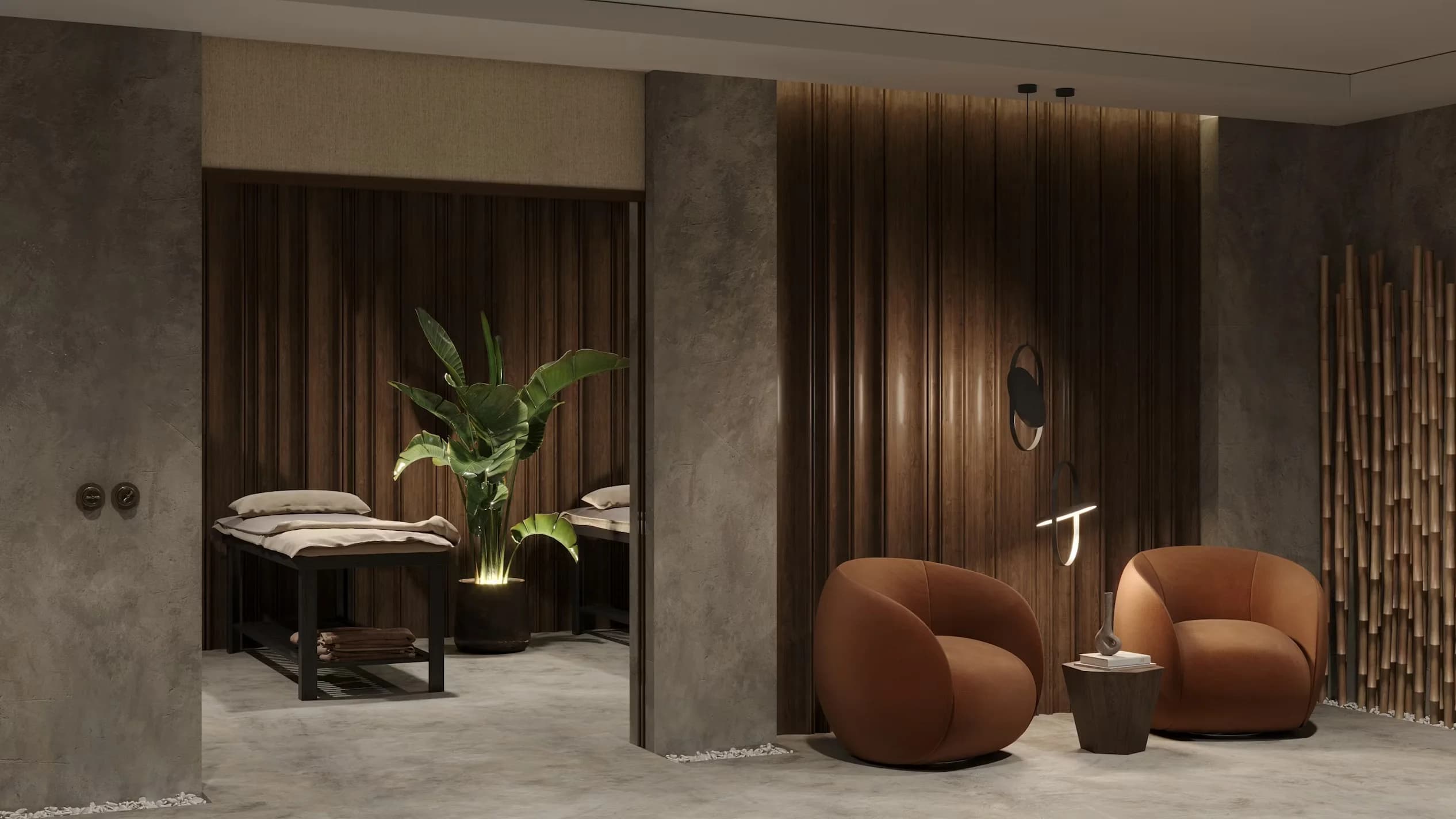
Thermal wellness integration is a specific feature of Hungarian luxury hospitality with no precise equivalent elsewhere in Central Europe. The country sits on an exceptional geothermal resource, and the leading suite properties either incorporate private thermal bath access or maintain direct connections to historic bath complexes. This is not an amenity added for marketing purposes; it reflects a genuine and centuries-old cultural practice with specific architectural traditions around it.
Suite sizes at Budapest's leading luxury hotels are competitive by European standards, with premium suites frequently exceeding 80 square metres. Danube-facing suites at the top tier properties command significant premiums but offer a spatial and visual quality that justifies the differential.
How to choose the best luxury suite in Hungary
The primary structural choice in Hungary is between Budapest and the country's resort and wine regions. For a single-destination stay oriented around cultural programming, architecture, and gastronomy, Budapest provides the most concentrated offer. For travelers seeking to combine urban stays with landscape immersion, a two-base itinerary incorporating Budapest and either Lake Balaton or Tokaj is architecturally coherent and logistically simple given Hungary's compact geography.
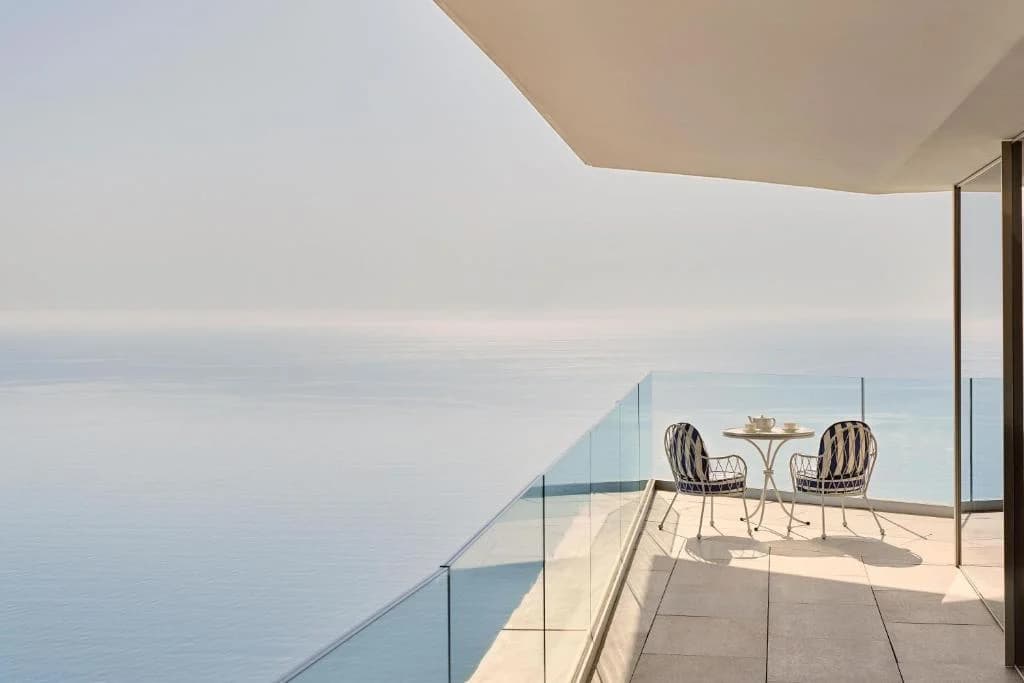
Within Budapest, the Danube-facing suite versus the city-facing suite is a genuine decision point. Danube-facing rooms carry a premium and deliver a specific kind of visual composition: the river, the bridges, and either the Buda hills or the Pest embankment depending on orientation. City-facing suites in the historic center may offer closer proximity to the opera, the central market, and the thermal bath complexes, with a more urban and enclosed spatial character.
For wellness-focused travelers, the suite's relationship to thermal facilities deserves particular scrutiny. Some properties offer private thermal access from the suite itself. Others require movement through shared hotel spaces to reach the thermal area. This distinction matters for travelers prioritizing privacy and uninterrupted circulation.
Historical architecture versus contemporary design is another axis worth examining. Budapest has produced a small number of genuinely contemporary suite properties that prioritize clean spatial logic over period detail. The choice between these two registers is a matter of preference, but the quality ceiling exists in both categories.
Why a curated selection by La Suite matters in Hungary
Hungary's luxury hotel market presents a surface that can obscure meaningful quality differences. Not every property carrying a five-star rating in Budapest offers suite spaces of equivalent spatial or design quality. The gap between the leading properties and those occupying the tier below is significant, and the distinction is not always legible from standard booking platforms.
La Suite's curation of 36 properties across Hungary reflects a selective approach to this market. Each listing is assessed against consistent criteria: suite dimensions, architectural integrity, wellness infrastructure, service culture, and the coherence of the overall hospitality proposition. The platform functions as a filter for travelers who understand that the quality of the suite itself is the primary variable, not the volume of listed amenities.
For first-time visitors to Hungary operating at the high end of the market, the curated selection by La Suite eliminates the research overhead and concentrates the decision on suites that have been qualified rather than simply listed. For repeat visitors seeking to extend their knowledge of the Hungarian luxury landscape beyond Budapest, the selection includes properties in the wine regions and resort areas that do not always surface through conventional search channels.