Where to stay in Ireland for a luxury suite experience
The west coast: Connacht and Clare
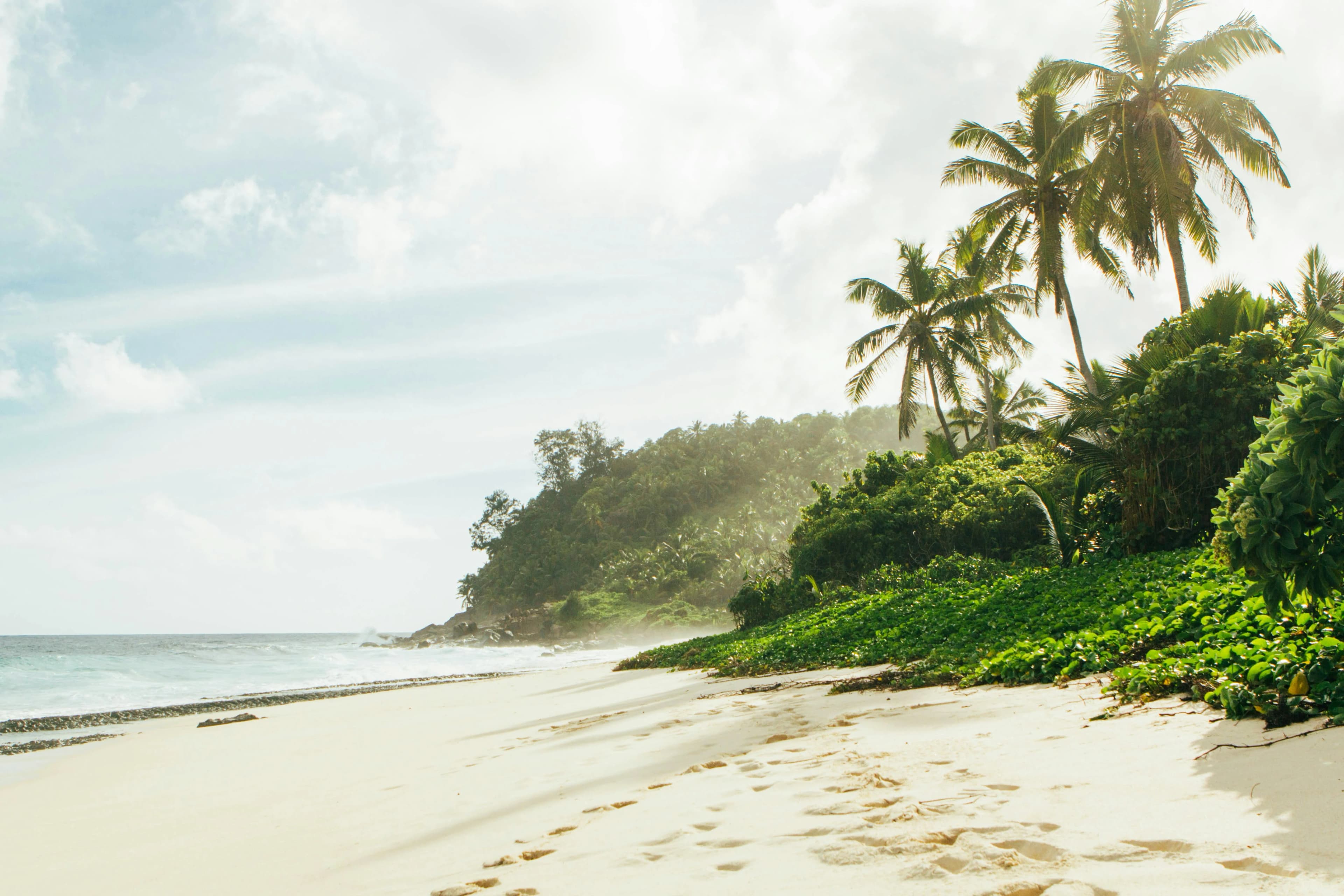
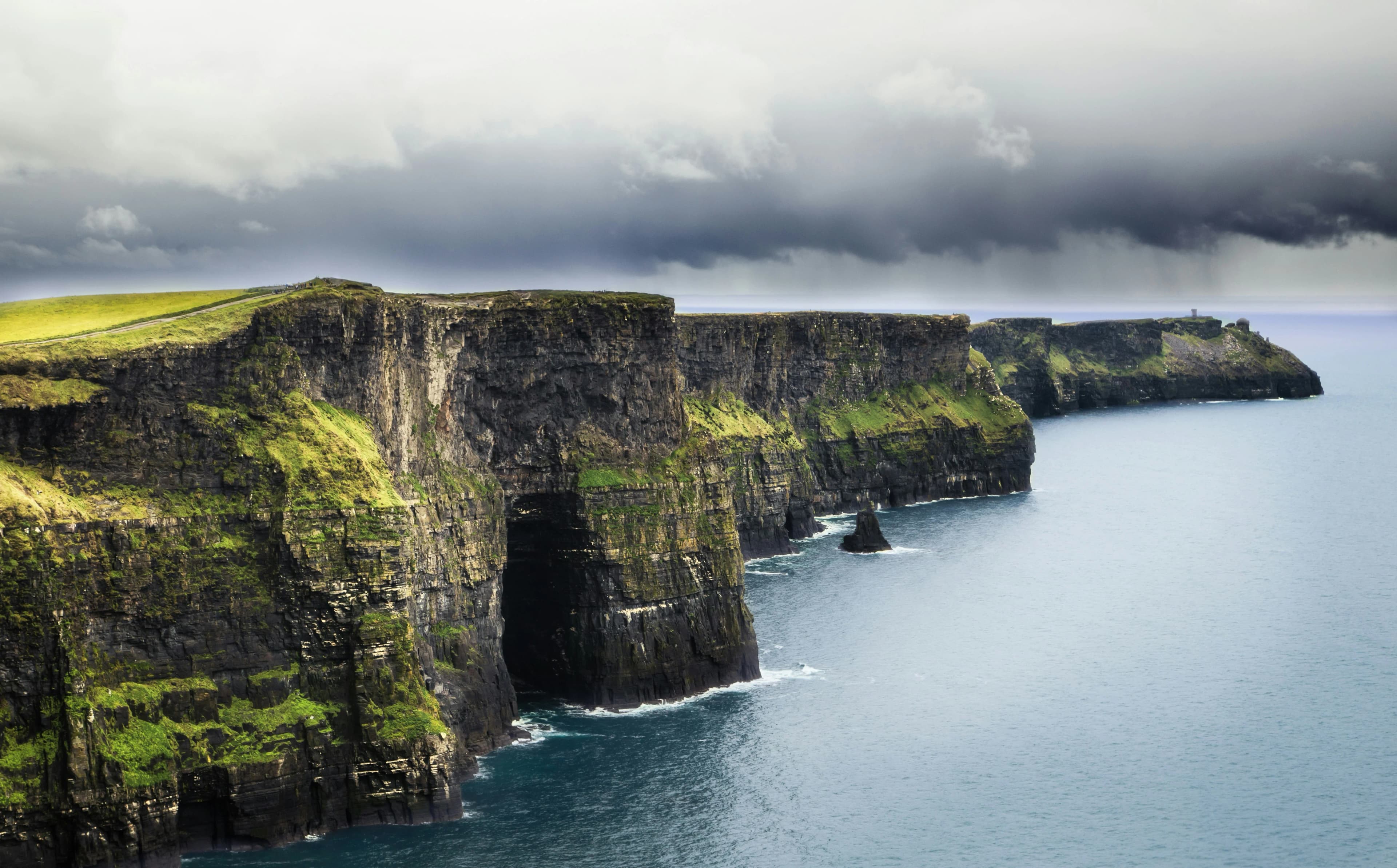
The western seaboard, stretching from County Clare through Galway and into Mayo and Connemara, represents Ireland at its most elemental. The light here is unlike anywhere else in Europe: low, lateral, and constantly shifting. Properties in this corridor tend toward the monumental, occupying converted estate houses or purpose-built lodges that frame the landscape rather than compete with it. A luxury suite along this coastline typically prioritises outlook, with generous windows oriented toward the Atlantic or toward the inland loughs. Connemara in particular has attracted a category of property that combines local stone construction with interior sensibilities drawn from contemporary design. The region rewards guests who are prepared to slow down and engage with the physical environment directly.
The east coast: Dublin and the Leinster hinterland
The eastern corridor, anchored by Dublin but extending into the Wicklow hills and the Boyne Valley, offers a different proposition. Dublin's luxury hotel stock is concentrated in the Georgian core of the city, where the architectural constraints of protected streetscapes have pushed interior designers toward a sophisticated dialogue between period detail and modern specification. Beyond the city, the Wicklow Mountains provide a wooded, quieter alternative, with several manor properties offering suite-level accommodation within reach of Dublin by car. The Boyne Valley, notable for its Neolithic passage tombs at Newgrange, adds a cultural dimension rarely found in proximity to a capital city of Dublin's scale.
The south: Cork, Kerry and Killarney
The southwest is Ireland's most climatically temperate zone and historically its most visited for landscape reasons. County Kerry, and in particular the Ring of Kerry and the Dingle Peninsula, has a long-established luxury hospitality tradition. Several castle and estate properties in this corridor have been operating at the highest level for decades, with suites that reflect sustained investment in both fabric and service. Cork city itself has grown considerably as a food and design destination, and the hotel offer has kept pace. For guests seeking a suite that combines landscape immersion with gastronomic seriousness, the Cork-Kerry corridor delivers a consistency that is difficult to match elsewhere in Ireland.
The midlands and the Shannon corridor
Less visited but architecturally significant, the Irish midlands contain several castle hotel conversions of genuine historical weight. Properties in this zone tend to operate at lower occupancy than their coastal counterparts, which translates into a more considered, unhurried guest experience. The Shannon River and its associated lough system provide a navigable landscape backdrop that is distinctive within the broader Irish context.
When to visit Ireland for a luxury hotel stay
Ireland's climate is temperate and oceanic, which means rainfall is distributed throughout the year rather than concentrated in a single season. The concept of a single optimal travel window is therefore less useful here than in more climatically binary destinations.
The months from May through September offer the longest daylight hours, which is significant in a country where outdoor engagement is central to the experience. June and July in particular deliver extended evenings, with dusk arriving well after 10pm at higher latitudes. Summer is also the period when demand for the best suites is highest, and advance reservation becomes necessary for properties with limited room counts.
September and October carry a particular quality in Ireland: lower visitor volume, autumn light on the landscape, and the harvest season, which is relevant for properties with kitchen gardens or estate farming operations. Several of Ireland's leading luxury hotels have built their food programs around this seasonal rhythm, making autumn a genuinely differentiated time to visit.
The winter months, from November through February, suit guests who value solitude above landscape conditions. Certain castle properties and coastal lodges take on a different character in winter, with open fires, reduced staff ratios, and an atmosphere that is difficult to replicate in the high season.
There is no single major luxury travel event in Ireland comparable to, for example, the racing calendar in Cheltenham or the film festival circuit on the French Riviera. However, the Galway Races in late July represent a significant social fixture that affects room availability and rates across the west of Ireland.
Understanding Irish luxury hospitality standards
Ireland does not operate a formal prestige classification equivalent to France's Palace designation. The Irish hotel sector uses a star rating system administered by Failte Ireland, the national tourism body, with five stars representing the highest tier. However, the five-star category in Ireland is broad, and the distinction between a competent five-star property and an exceptional one requires more granular assessment than the official classification suggests.
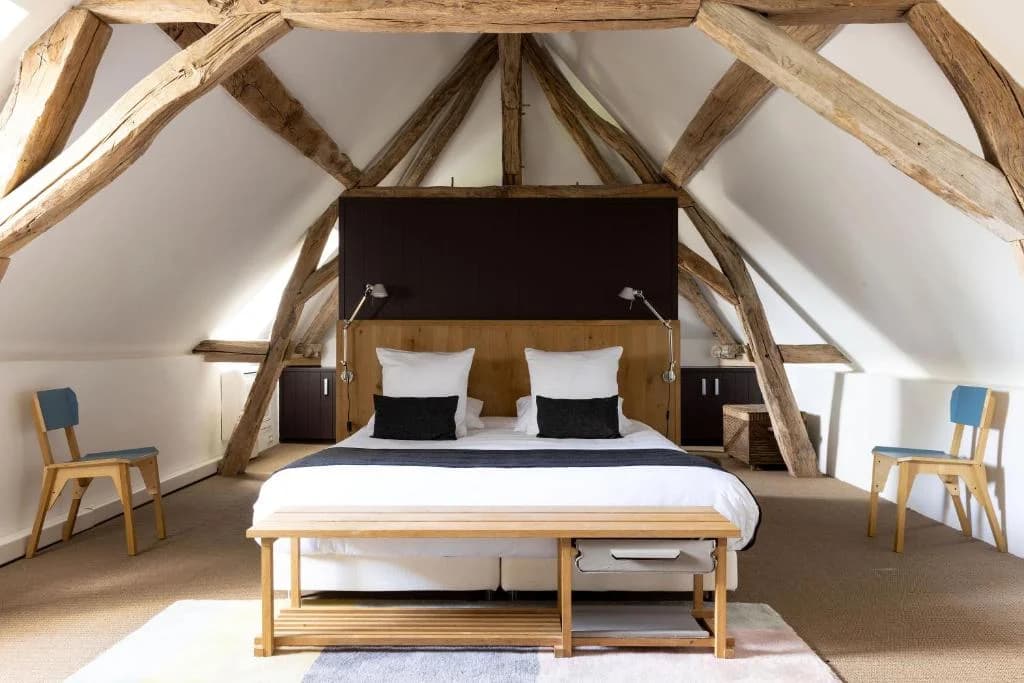
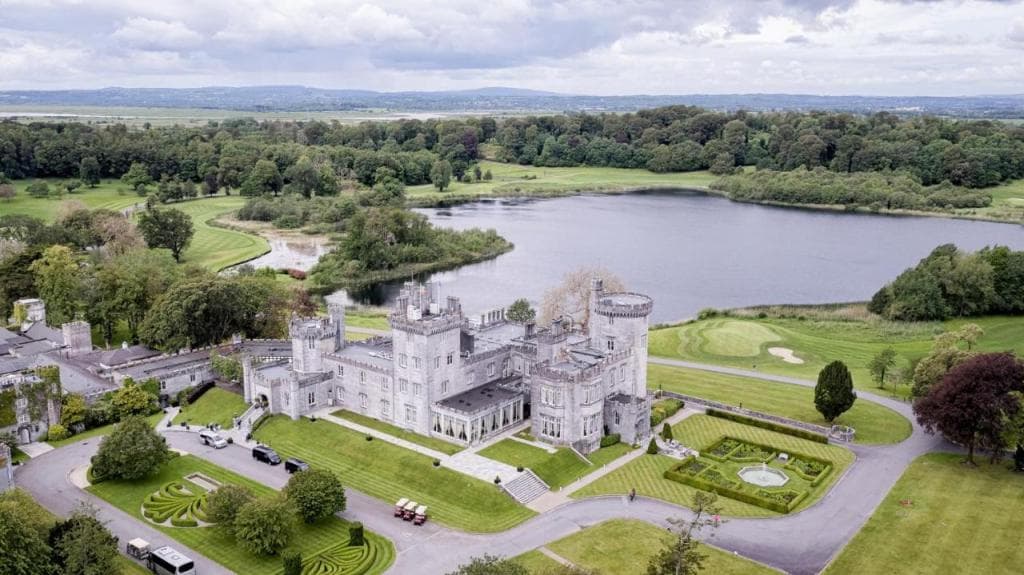
The most meaningful local typology for luxury travelers is the castle hotel, a category in which Ireland has genuine global standing. These properties, typically centred on Norman, Tudor, or Georgian fortified structures, offer a spatial and historical depth that is not replicable in purpose-built hotels. Suite accommodation within castle hotels in Ireland often involves rooms with original architectural features: cut-stone fireplaces, vaulted ceilings, and fenestration patterns that predate the modern concept of a hotel room by several centuries.
A second relevant typology is the country house hotel, a category derived from the Anglo-Irish estate tradition. These properties are typically smaller, with room counts in the low double figures, and the suite offer tends to be correspondingly limited and highly individual. Service models in country house hotels lean toward the personal and informal rather than the procedural.
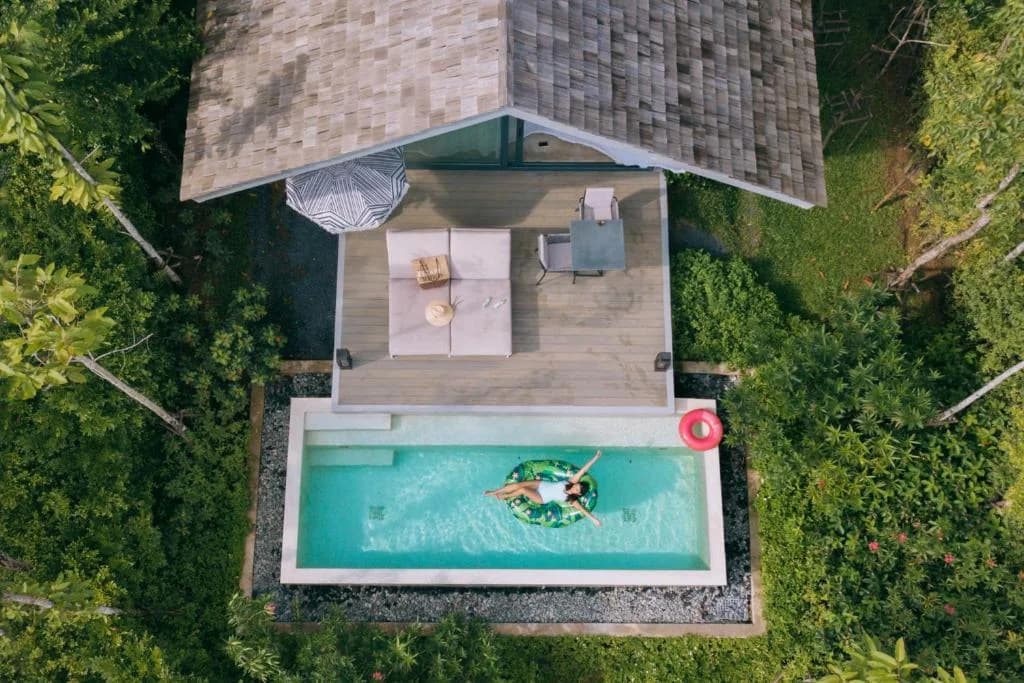
A third, more recent category is the contemporary luxury lodge, particularly prominent on the west coast, where properties have been designed from the ground up with a contemporary aesthetic informed by the surrounding landscape. These lodges often carry a strong sustainability orientation and a culinary program built on local sourcing.
How to choose the right luxury suite in Ireland
The choice of suite in Ireland should begin with a decision about landscape priority. The country's luxury properties are distributed across dramatically different physical environments, and the suite experience is substantially shaped by what surrounds the building, not only what is inside it.
For guests prioritising architectural weight and historical atmosphere, a castle or country house suite in the midlands or southwest will deliver more than a contemporary coastal lodge, regardless of the latter's finish quality. For guests whose primary interest is the Atlantic landscape and outdoor engagement, the west coast properties offer an environmental intensity that is genuinely specific to Ireland.
Practical considerations include: suite size relative to party composition, since many Irish castle suites are singular rather than configured for families; access by car versus public transport, since several of the most distinguished properties are located beyond the reach of scheduled services; and the season, since certain features of the best suites, including open fires and estate grounds, are season-dependent in their relevance.
Why a curated selection by La Suite matters in Ireland
With 16 properties listed across Ireland, the La Suite selection is intentionally narrow. The Irish luxury hotel market contains a significant number of five-star properties, but quality variation within that category is substantial. La Suite applies a consistent editorial standard across every listing, assessing the suite-level offer specifically rather than the broader hotel operation.
For a guest planning a first or infrequent visit to Ireland, the volume of options available through general booking platforms can obscure rather than clarify the decision. The La Suite curation removes that noise, presenting only properties where the suite experience meets a defined threshold of spatial quality, material finish, and service calibration. The result is a starting point that is already filtered to the level appropriate for a guest whose time and expectations are both fixed at a high level.