Casa Brera, a Luxury Collection Hotel, Milan, Milan
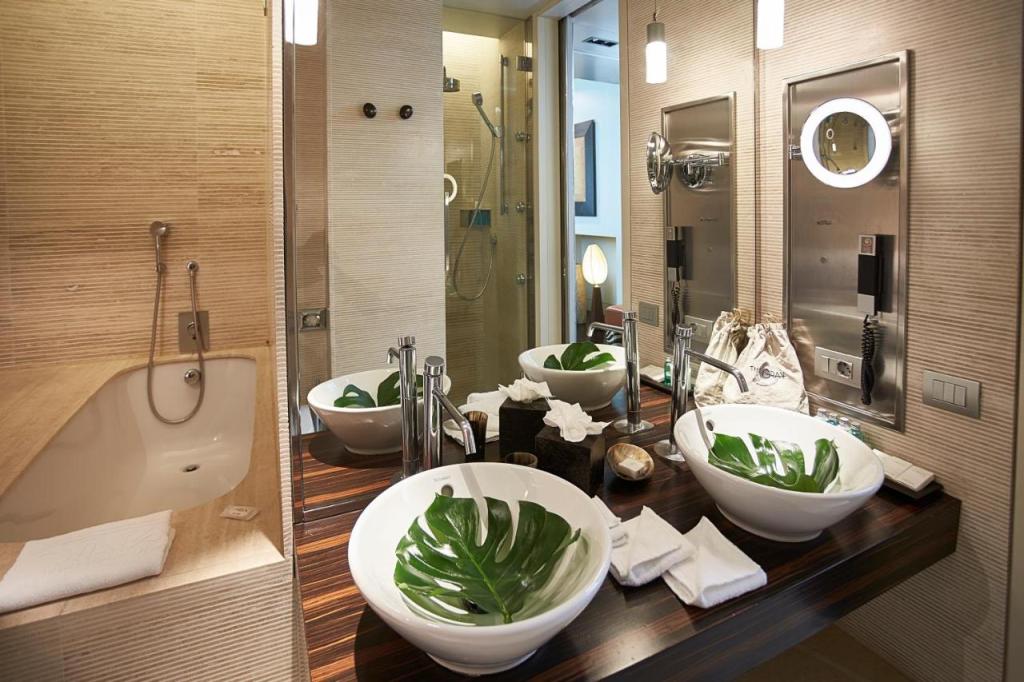
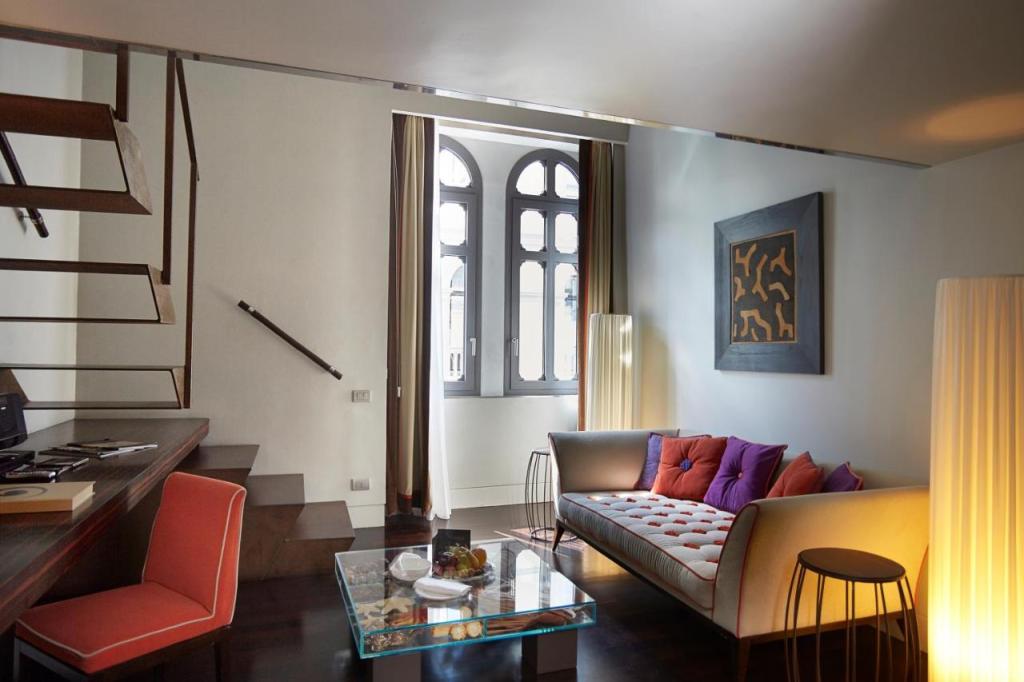
Elegant Accommodations Casa Brera, a Luxury Collection Hotel in Milan, offers luxurious rooms with air-conditioning, private bathrooms, and city views. Each room includes a mini-bar, TV, and wardr

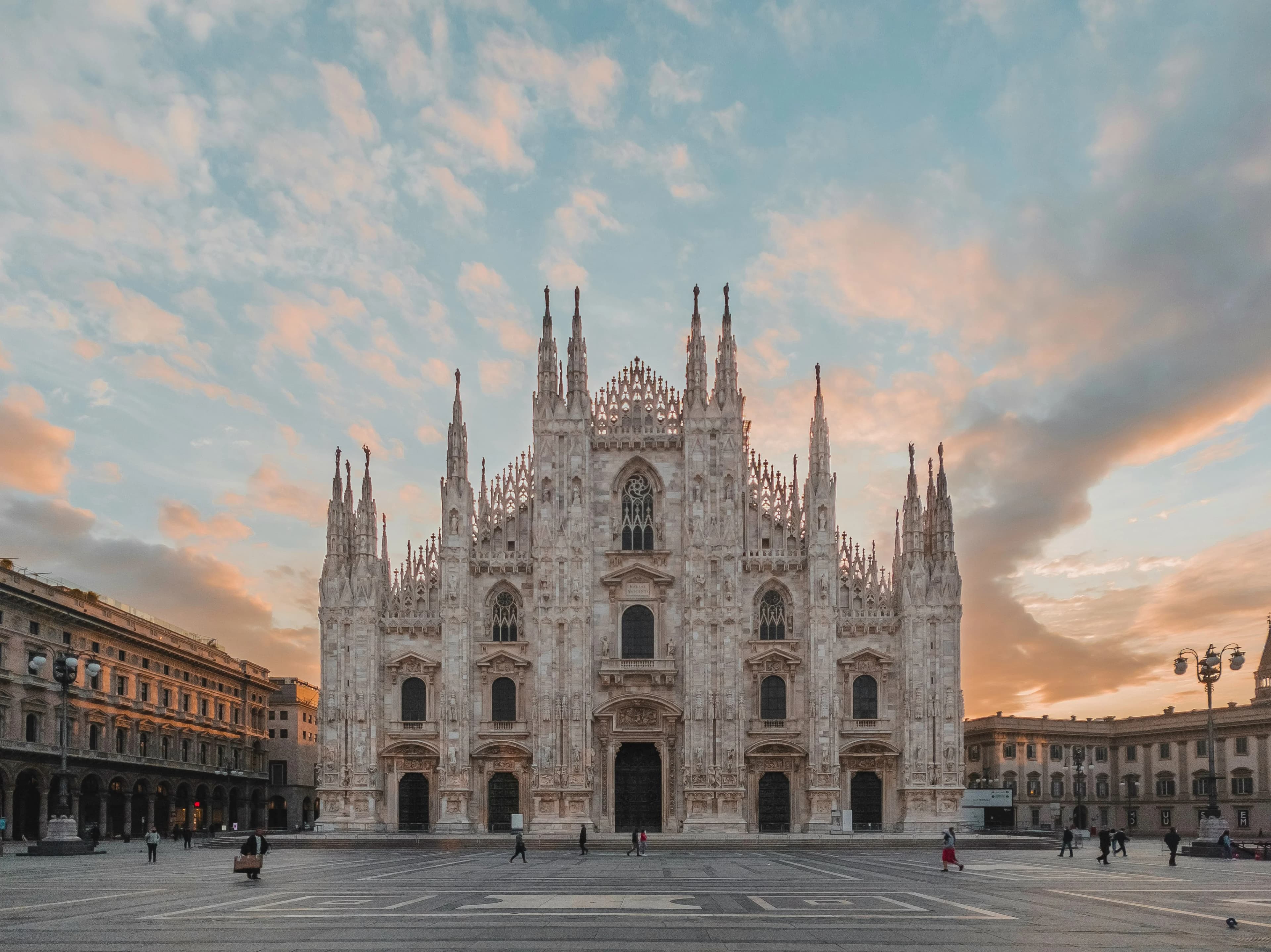
The Historic Centre of Milan is the densest concentration of the city's civic, artistic, and commercial identity. The Duomo di Milano, begun in 1386 and completed under Napoleon, anchors the district spatially and symbolically. Around it, the urban fabric layers Gothic, neoclassical, and rationalist architecture in a sequence that rewards slow, attentive movement. For the traveler choosing a luxury hotel suite here, the neighbourhood offers something that peripheral districts cannot: unmediated access to the city's primary register.
8 hotels available

Elegant Accommodations Casa Brera, a Luxury Collection Hotel in Milan, offers luxurious rooms with air-conditioning, private bathrooms, and city views. Each room includes a mini-bar, TV, and wardr

Welcome to Galleria Vik Milano, Townhouse Galleria where we offer our guests: • Historical Monument Living: Galleria Vik Milano is within one of Italy’s most iconic landmarks. • Singular Design: Each
Prime City Center Location Palazzo Cordusio, a Gran Meliá Hotel in Milan, offers a central position with key attractions nearby. San Maurizio al Monastero Maggiore is an 8-minute walk, while Santa

Facing the entrance of the Galleria Vittorio Emanuele, Park Hyatt Milano is set in the heart of the fashion district, 656 feet from the Cathedral and La Scala Theater. The hotel features free WiFi, a

Prime City Center Location Portrait Milano - Lungarno Collection in Milan offers a convenient location with La Scala less than 0.6 mi away, Galleria Vittorio Emanuele a 10-minute walk, and Duomo M

Boasting a central location, 328 feet from Milan Cathedral, Sina The Gray features free WiFi, a terrace and bar. It overlooks the Galleria Vittorio Emanuele II shopping arcade. Rooms at Sina The Gray

Opening directly on Piazza Duomo square, The Glamore Milano Duomo is set in a historical building overlooking the great Cathedral of Milan. It is a few steps from La Scala Theater and Duomo Metro. Wi

Set in the historic center and just 1640 feet from the Cathedral and Milan’s famous shopping street, Via Monte Napoleone, the Tivoli President Milano Hotel is a stylish modern hotel with free WiFi. Sa

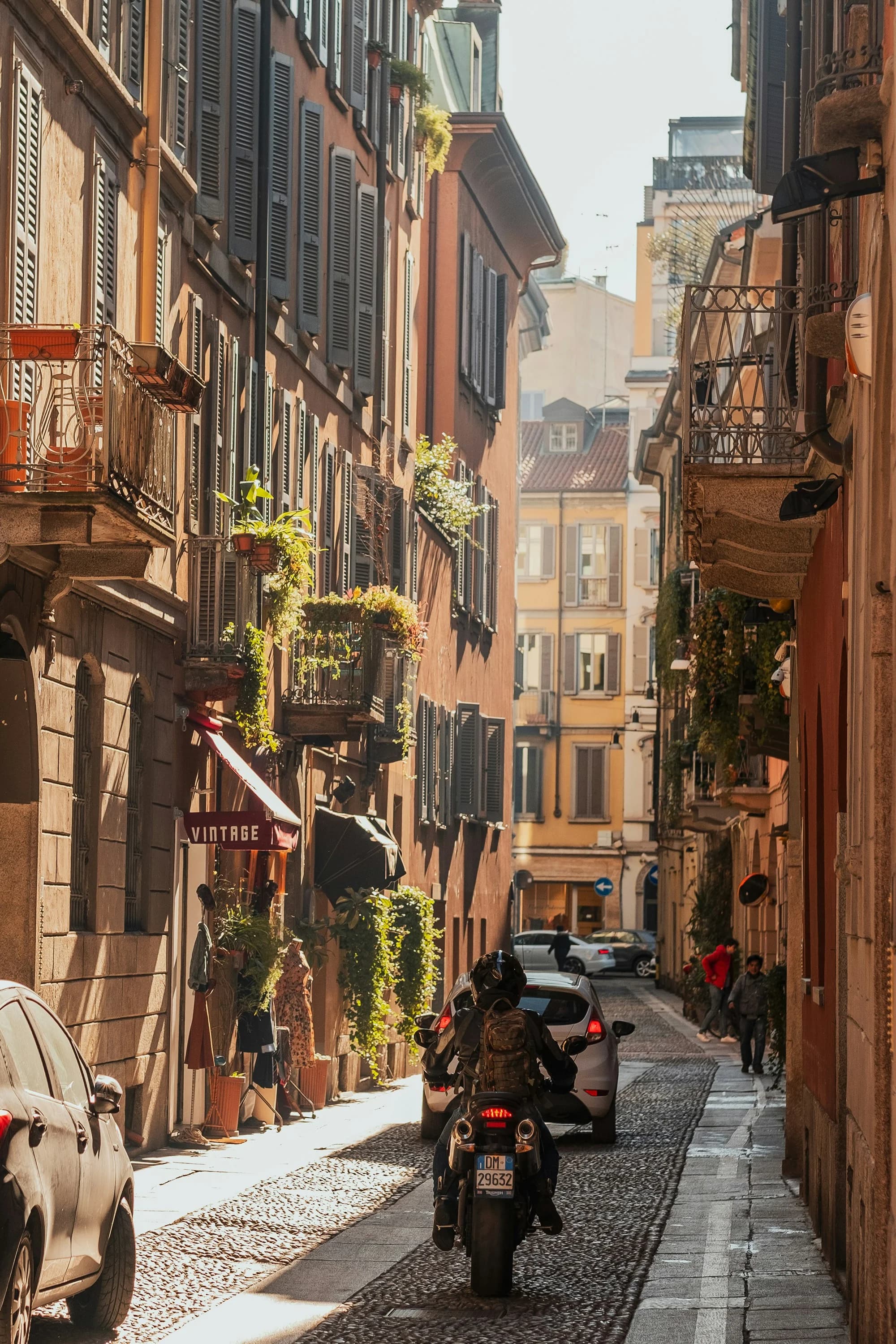
Brera occupies the northern quadrant of central Milan, immediately above the Duomo district, and it functions more as a village than a metropolitan neighbourhood. The street grid is irregular by Milanese standards, cobbled in sections, and lined with nineteenth-century palazzi that now house private art foundations, antique dealers, and some of the city's most serious restaurants. The Pinacoteca di Brera, one of Italy's foremost painting collections, anchors the quarter culturally and draws a consistent flow of curators, academics, and collectors throughout the year.

The Quadrilatero della Moda is not simply a shopping district. It is a concentrated expression of Italian craft, architecture, and social life that has evolved over more than a century. The four streets that define its perimeter house the flagship stores of the most significant names in global fashion alongside private galleries, historic palazzi, and some of the most architecturally considered hotels in Milan. For the traveller who arrives with specific intentions, whether an appointment with a tailor, an acquisition at an auction house, or attendance at a private show during Fashion Week, the neighbourhood functions with a precision that rewards proximity. A luxury hotel suite positioned here removes the intermediary step entirely: the district becomes an extension of the suite's own atmosphere.

Porta Nuova is not a historic quarter preserved behind glass. It is a live infrastructure project that became a neighborhood. Between 2012 and 2020, the zone between Corso Como, Piazza della Repubblica, and Piazza Gae Aulenti was systematically rebuilt around a new urban logic: pedestrian continuity, vertical greenery, and mixed-use towers designed by architects of international standing. Stefano Boeri's Bosco Verticale, the UniCredit Tower by César Pelli, and the Biblioteca degli Alberi park are not isolated landmarks. They form a coherent district identity, one that attracts a specific type of resident, professional, and traveler.
The Galleria Vittorio Emanuele II, connecting Piazza del Duomo to Piazza della Scala, is one of Italy's earliest covered shopping arcades and remains a precise indicator of Milanese civic taste. Teatro alla Scala, the opera house that has defined European musical culture since 1778, sits within walking distance of the district's best hotel addresses. These are not incidental amenities. They are the structural reasons why a suite in this neighbourhood commands its position.
The blocks immediately surrounding the cathedral are the most visited and, paradoxically, the most rewarding for those who stay rather than pass through. Early mornings and late evenings reveal a quieter texture: the Gothic spires catch the light differently, the piazza empties, and the scale of the architecture becomes legible. Suites positioned here offer an orientation that no other part of the city can replicate.
Just north of the strict Historic Centre, the Brera district functions as its cultural extension. The Pinacoteca di Brera houses one of northern Italy's foremost collections of Renaissance and Baroque painting. The neighbourhood's narrow streets support a density of independent galleries, considered restaurants, and architecture studios. For the design-literate traveler, proximity to Brera is a primary criterion.
The eastern edge of the Historic Centre borders the Quadrilatero della Moda, the four-street grid (Via Montenapoleone, Via della Spiga, Via Sant'Andrea, Corso Venezia) that constitutes one of Europe's most concentrated luxury retail environments. A suite in the Historic Centre places this within a comfortable walk, which matters for those whose itineraries include measured, unhurried engagement with craft and retail at this level.
Milan operates on two primary registers of intensity: fashion weeks and the Salone del Mobile. The women's and men's fashion weeks (February, September, and January respectively) and the furniture and design fair held each April transform the city's social and logistical texture entirely. Suite availability at this period is constrained well in advance, and rates reflect the demand concentration. Booking lead times of four to six months are standard for the most considered properties.
Outside these peaks, the city offers a different quality of experience. October and November bring a cooler, more settled atmosphere. The cultural season at La Scala runs from December through July, with the traditional opening on 7 December (Sant'Ambrogio, Milan's patron saint's day) representing one of the European cultural calendar's most significant evenings. March and early April, before the Salone, offer a useful window: the city is engaged but not saturated, and suite rates reflect the relative availability.
August requires a separate consideration: a significant portion of Milanese residents leave the city, and some restaurants and smaller establishments close. For certain travelers, this creates an unusual and appealing quietude in a neighbourhood that is otherwise rarely still.
Italy does not operate a formal national hotel classification equivalent to the French Palace designation, but Milan's finest properties function within a recognisable set of expectations. Service discretion, architectural integrity, and the quality of material finishes are the primary markers. The Historic Centre contains properties housed in converted palazzi, neoclassical buildings, and purpose-built twentieth-century structures, each category offering a distinct spatial and sensory experience.
Suites in palazzo conversions typically feature high ceilings, original stonework, and a room geometry that reflects the building's civic or aristocratic origins. Contemporary properties tend toward a more edited material palette: considered Italian craft expressed through restraint rather than accumulation. Both typologies can reach the standard that a discerning traveler requires; the choice between them is a matter of preference for texture and historical register rather than a quality differential.
Breakfast in this context is rarely incidental. The finest properties in the Historic Centre treat the morning meal as a considered service, often sourcing from Lombardy's significant agricultural and charcuterie traditions. Concierge access to La Scala, private gallery appointments, and connections to the city's tailoring and craft workshops are the service extensions that distinguish a suite at this level from standard accommodation.
The primary variable is orientation: suites facing the Duomo or the Galleria carry a specific visual and acoustic character that differs substantially from those positioned on quieter internal courtyards. The former offers an irreplaceable urban tableau; the latter offers silence and the particular quality of Milanese light as it moves across stone and plaster through the day.
Floor height matters in the Historic Centre in ways that differ from coastal or rural destinations. Upper-floor suites in the neighbourhood's taller buildings offer sightlines across the roofscape toward the Alps on clear days, a view that recontextualises the city's relationship to its geographic setting. This is not a standard feature of every property and is worth specifying as a criterion.
Suite size in a historic urban context is often a function of the original building's structural logic. Generous square footage here may come with a different ceiling geometry or window proportion than a purpose-built luxury property would offer. Understanding this trade-off in advance, and knowing which properties have resolved it most successfully, is part of the selection process.
The Historic Centre of Milan contains a significant number of hotels operating across a wide range of actual standards. The market positioning of any given property does not always correspond to the experience it delivers at the suite level. For the traveler whose itinerary, budget, and expectations are operating at a high register, the filtering process is the point of most significant friction.
La Suite's curated selection applies consistent criteria across properties in this neighbourhood: spatial quality, service discretion, material finish, and the specific character of the suite experience rather than the hotel's general reputation. The result is a shortlist that reflects the neighbourhood's genuine best, rather than its most visible or most marketed options. For a destination as layered and commercially active as Milan's Historic Centre, that distinction is material.

The Historic Centre places guests within direct reach of the city's primary cultural and architectural landmarks, including the Duomo, La Scala, and the Galleria Vittorio Emanuele II. For travelers whose itineraries are structured around art, opera, fashion, and considered dining, the address removes friction from the experience. A suite here functions as a base that organises the visit rather than requiring logistical effort to access what matters.
The most constrained periods are Milan Fashion Weeks (January, February, and September) and the Salone del Mobile in April, when suite availability is limited and lead times of four to six months are standard. October, November, and the weeks between fashion weeks in spring offer a more settled experience with greater availability. The La Scala season, running December through July, is worth aligning with if opera is part of the itinerary.
The neighbourhood contains a mix of converted palazzi, neoclassical civic buildings, and purpose-built twentieth-century hotel structures. Palazzo conversions typically offer high ceilings, original stonework, and historically proportioned rooms. Contemporary properties tend toward a more edited material approach, using Italian craft and restraint as their primary registers. Both typologies can reach the standard a discerning traveler requires.
The eastern edge of the Historic Centre borders the Quadrilatero della Moda directly, with Via Montenapoleone and Via della Spiga accessible on foot in under ten minutes from most addresses in the neighbourhood. This proximity is a meaningful practical consideration for travelers whose itineraries include engagement with Milan's luxury retail environment.
The opening night of the La Scala season on 7 December (Sant'Ambrogio) is one of the most significant evenings in the European cultural calendar and requires advance planning. The Salone del Mobile in April and the associated Fuorisalone programme transform the city's design and social landscape for a full week. Fashion weeks in January, February, and September are the other primary calendar anchors for the Historic Centre.
August creates an unusual quietude in the neighbourhood as many Milanese residents leave and some smaller establishments close. For travelers who prefer a less frequented urban experience, this period has a specific appeal: the architecture is more accessible, the streets are less pressured, and the suite experience gains a different quality of stillness. Some restaurants and services will be reduced, which requires planning but does not compromise the core experience for a self-sufficient itinerary.
Duomo-facing suites offer a direct visual engagement with one of Europe's most complex Gothic facades, with a corresponding acoustic and social texture that reflects the piazza's activity. Courtyard-facing suites offer silence, the quality of interior Milanese light, and a more private sensory register. The choice is a matter of preference for urban immersion versus retreat, and both orientations can be found at the suite level in the Historic Centre.
Milan does not use the French Palace designation system, but its leading properties operate within a recognisable set of expectations around service discretion, material quality, and architectural integrity. The city's position at the intersection of design culture, fashion, and financial activity means that its top-tier hotels are calibrated to a clientele with specific and consistent standards. The Historic Centre concentrates the properties that most directly reflect this calibration.
The neighbourhood's density of cultural, culinary, and commercial experience supports stays of a week or more without repetition. The La Scala programme, the Pinacoteca di Brera, the rotating gallery exhibitions in Brera, and the city's considered restaurant scene collectively structure an itinerary that does not exhaust quickly. Suite amenities at the top tier, including kitchen or kitchenette access in certain properties, further support the extended stay format.
La Suite applies consistent criteria across properties: spatial quality, service discretion, the integrity of material finishes, and the specific character of the suite experience rather than a hotel's general brand reputation. In a neighbourhood as commercially active as Milan's Historic Centre, where marketing visibility does not always correspond to actual delivery, this filtering process is the primary value of a curated selection.