Porta Nuova: understanding the district before choosing a suite
For those considering a luxury hotel suite in this part of Milan, the context matters. Porta Nuova is not where you come for frescoed ceilings and baroque colonnades. You come for spatial clarity, proximity to the financial and fashion industry infrastructure, and an environment that functions at a consistent aesthetic register.
The distinct zones within and around Porta Nuova
Isola and the northern edge
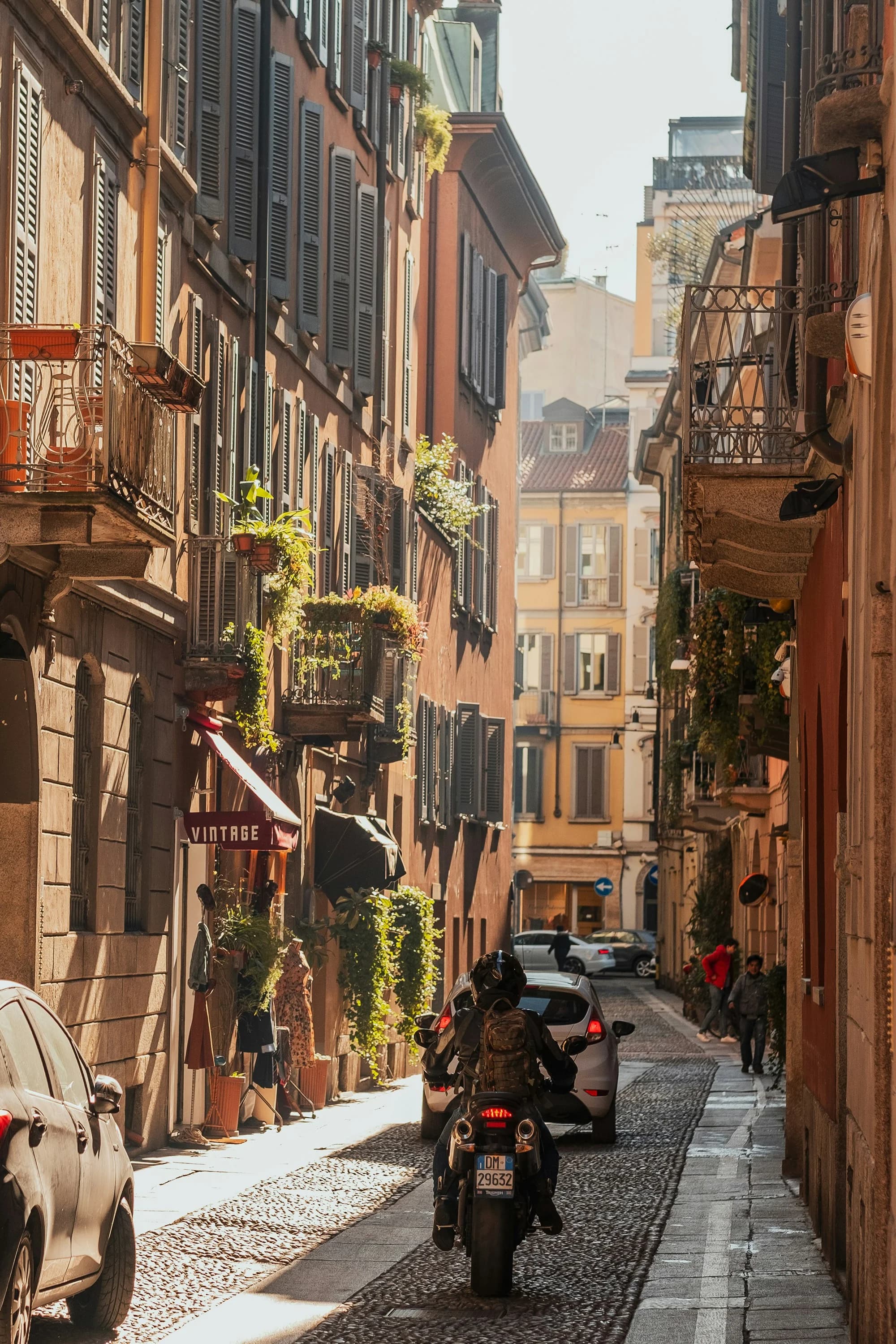
Immediately north of Porta Nuova, the Isola neighborhood provides a different register. Smaller in scale, more residential in grain, Isola retains independent galleries, artisan workshops, and low-rise streets that predate the regeneration. For travelers who want proximity to Porta Nuova's infrastructure while staying in an environment with more texture and fewer corporate towers, this edge is worth understanding. Luxury accommodation here tends toward the boutique rather than the grand hotel format.
Piazza Gae Aulenti and the tower cluster
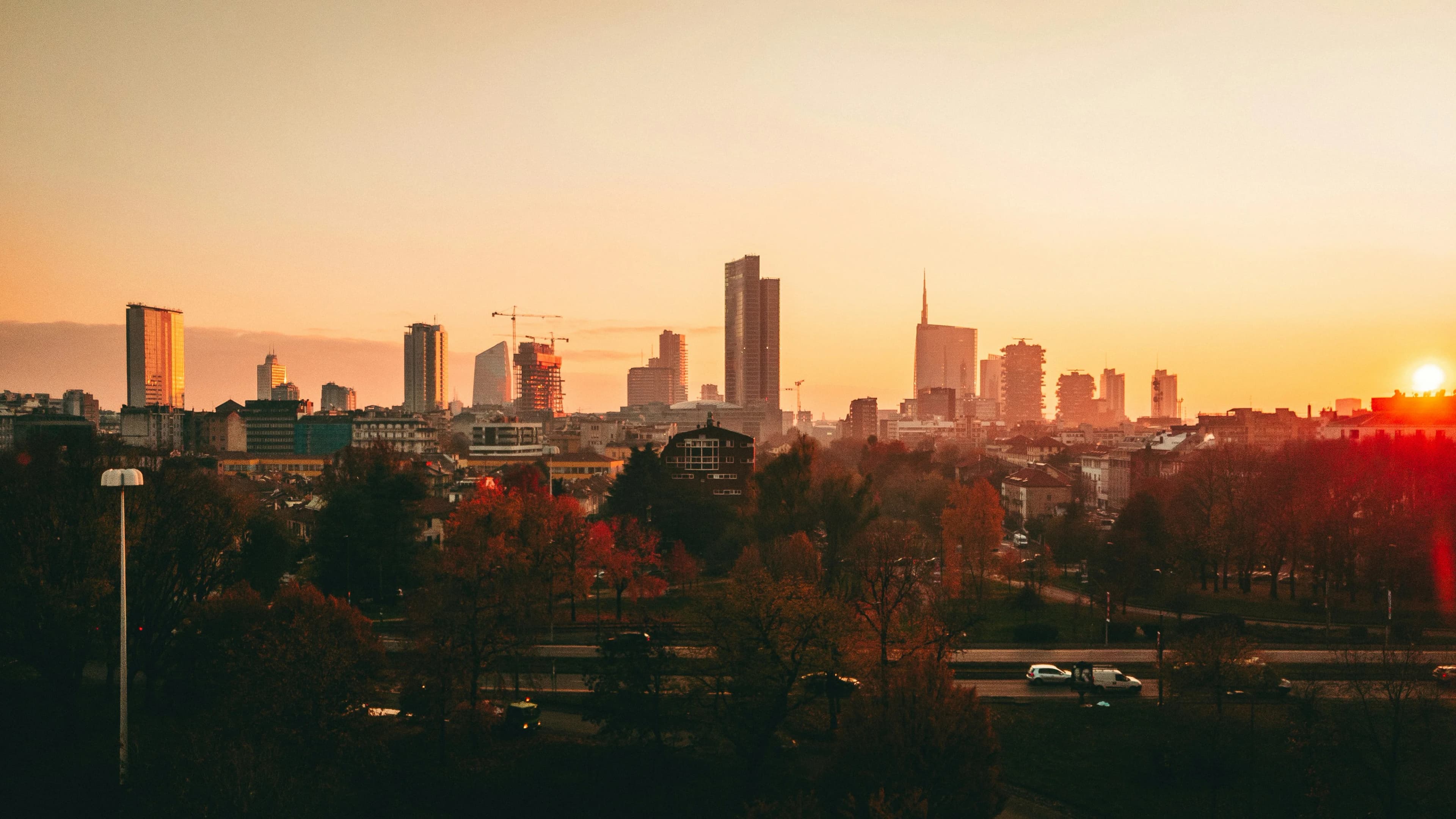
The elevated piazza at the heart of Porta Nuova is effectively a new civic space built from scratch. Surrounded by the UniCredit complex and several luxury residential towers, it functions as the district's organizing center. Hotels positioned within walking distance of this plaza offer guests immediate access to the area's dining, retail, and cultural programming, as well as fast connections to the Garibaldi and Repubblica train stations.
Corso Como and the transitional corridor
The stretch of Corso Como connecting Porta Nuova to the Brera district is one of Milan's most commercially curated streets. Concept retail, design-forward restaurants, and a consistent pedestrian flow make it a useful orientation axis. A luxury suite along or near this corridor offers both the Porta Nuova identity and walkable access to one of the city's most established luxury retail and cultural zones.
When to stay in Porta Nuova
Milan operates on two dominant seasonal peaks for high-end travelers: Fashion Week (twice annually, in February and September) and the Salone del Mobile design fair (typically held in April). During both periods, Porta Nuova becomes a functional extension of the event infrastructure. The district's hotels, restaurants, and public spaces absorb a significant share of the industry's visiting professionals. Suite availability contracts sharply during these windows, and rates reflect demand accordingly.
Outside these peaks, the city's pace shifts. June and the first half of July offer a quieter, warmer version of Milan with more negotiable pricing and less compressed itineraries. October is similarly well-positioned: the fashion calendar has cleared, temperatures are moderate, and the city's cultural institutions are in full programming. For travelers whose priority is space, calm, and access rather than proximity to industry events, these shoulder periods are the more considered choice within Italy's broader travel calendar.
Luxury standards in Milan: what to expect from a top-tier suite here
Italy does not use a formal national designation equivalent to France's Palace classification. Milan's finest hotels are instead recognized through international rating systems, affiliation with groups such as The Leading Hotels of the World or Relais and Chateaux, and by their consistent positioning within the industry press. In Porta Nuova specifically, luxury accommodation tends toward the contemporary rather than the historic. You will not find a converted palazzo here. What the district offers instead is architectural coherence: properties built or extensively renovated to reflect the same design logic as the surrounding urban fabric.
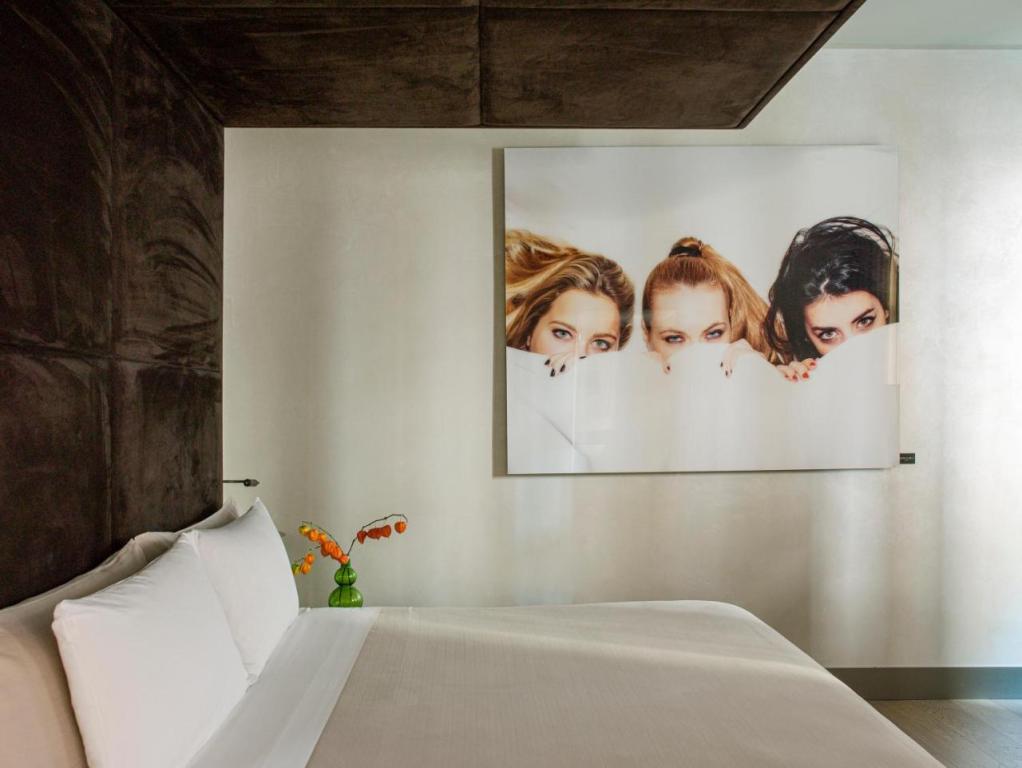
Top-tier suites in this part of Milan typically include generous floor areas by European urban standards, floor-to-ceiling glazing oriented toward the skyline or the park, access to curated food and beverage programming, and concierge infrastructure calibrated to the needs of business and fashion industry travelers. Spa access, private dining options, and direct connections to the city's car service networks are standard at the upper tier.
How to choose the right suite in Porta Nuova
Several considerations are specific to this district and to Milan more broadly.
Orientation and view
Porta Nuova's tower cluster means that suite orientation carries real consequence. A room positioned toward the Bosco Verticale or the Biblioteca degli Alberi park offers a materially different visual experience than one facing inward toward service infrastructure. When selecting a suite, floor level and precise orientation are worth confirming directly.
Proximity to mobility infrastructure
Garibaldi station, directly adjacent to Porta Nuova, connects to the metropolitan rail network and provides fast access to Malpensa airport via the Malpensa Express. For travelers arriving from or departing to international destinations, a suite within ten minutes' walk of Garibaldi significantly reduces transit friction. The district is also well-served by the M2 and M5 metro lines.
Historic Milan versus contemporary Milan
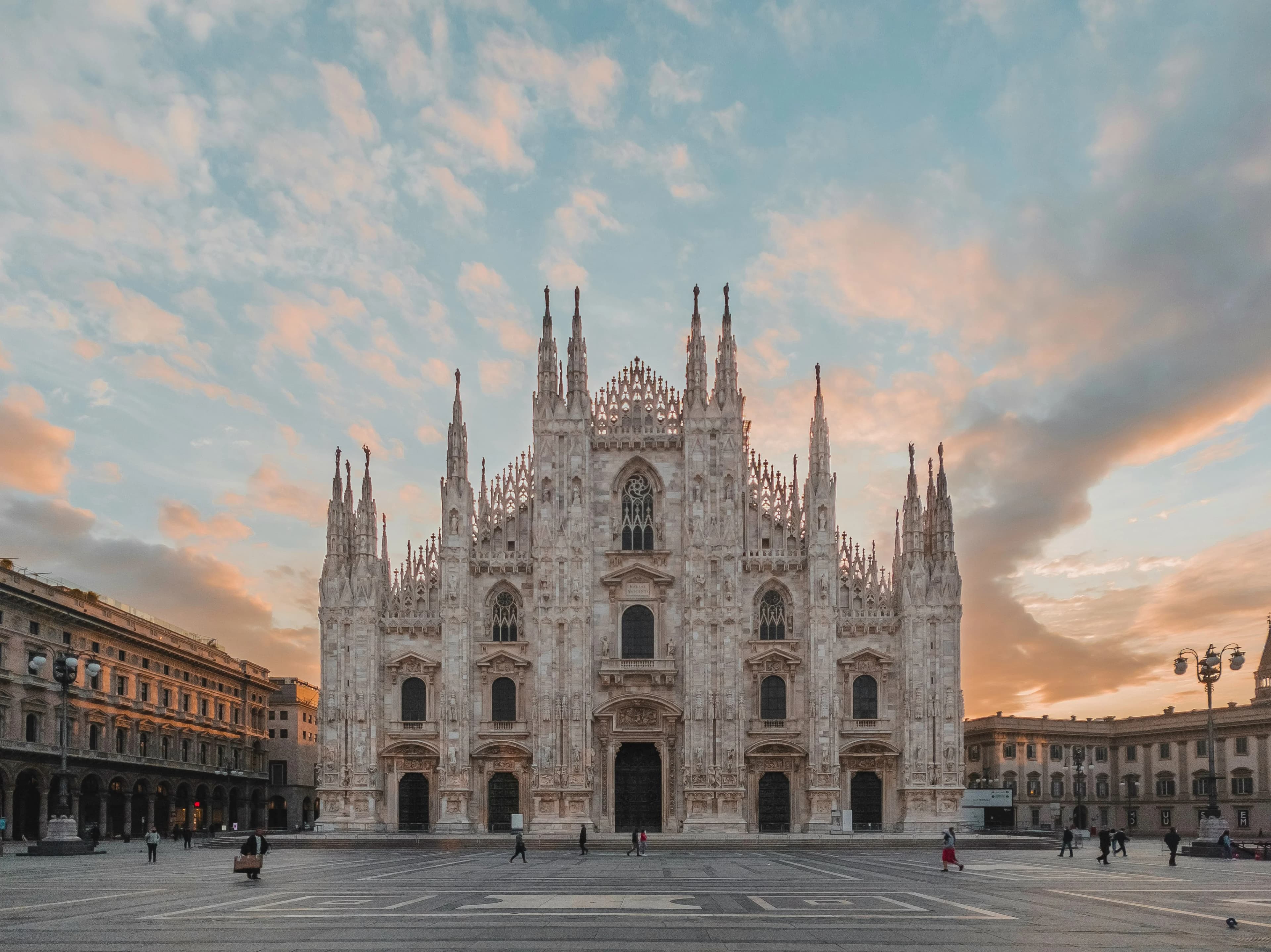
Travelers uncertain whether Porta Nuova or a more central location suits their itinerary should consider their primary interest. If the Duomo, the Pinacoteca di Brera, and the historic Quadrilatero della Moda are the primary draws, a suite in the Brera or Repubblica zones may offer a more integrated base. If the agenda centers on design, architecture, contemporary art, and the financial and fashion industry, Porta Nuova is the more coherent choice. Our broader guide to luxury suites in Milan covers both orientations.
Duration and rhythm
Porta Nuova rewards a deliberate pace. The park, the architecture, and the dining infrastructure are most legible when explored on foot over multiple days. A two-night stay positions the district more as a transit point than a destination. Three nights or more allows the neighborhood to function as an operational base, which is the mode for which its suite product is genuinely designed.
Why a curated selection matters in this district
Porta Nuova's rapid development over the past decade means the accommodation offer ranges considerably in quality and positioning. The district's contemporary aesthetic has attracted properties that deploy the vocabulary of modern design without the underlying substance. Thread count, ceiling height, glazing quality, and service calibration vary significantly between properties that present similarly in photography.
La Suite's approach to curation in Milan and across Europe is built on direct assessment rather than aggregated review data. For a district like Porta Nuova, where the visual register is consistent but the experiential register is not, that distinction is operational. The curated selection by La Suite isolates properties where the suite product matches the district's architectural ambition at every point of contact, from the arrival sequence to the quality of materials to the specificity of the service model.