Understanding Ravello as a luxury destination
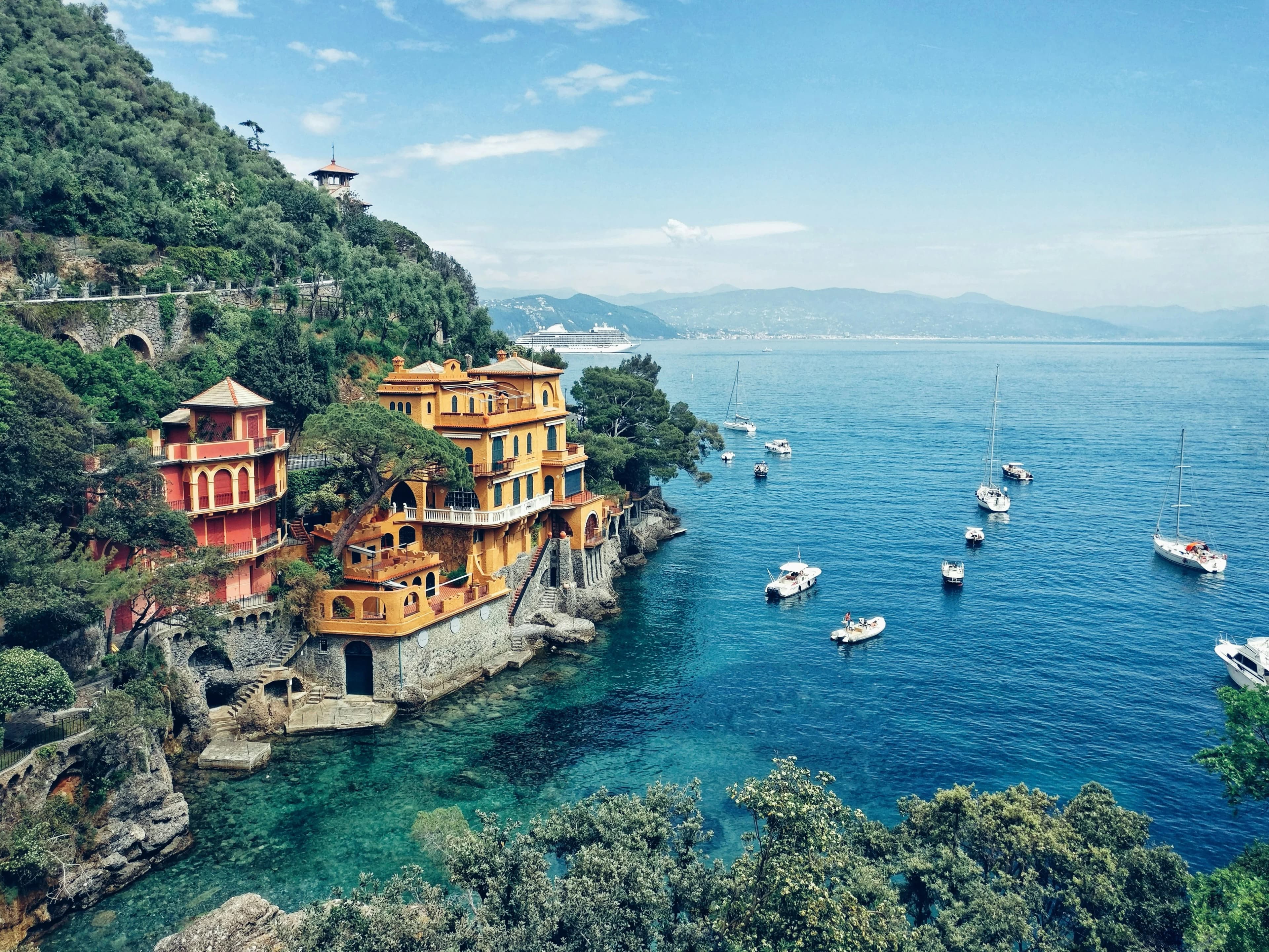
The result is a destination that rewards slowness. A luxury hotel suite in Ravello is not a base for frantic itineraries. It is a place from which to watch the light shift over the Gulf of Salerno, to walk through gardens that have been tended for centuries, and to engage with a cultural programme that, for its scale, is genuinely significant. The Ravello Festival, held each summer at the Villa Rufolo, has presented works by conductors and orchestras of international standing since 1953. The town's two principal historic gardens, Villa Rufolo and Villa Cimbrone, are open to visitors and remain among the most architecturally precise outdoor spaces in southern Italy.
The distinct areas of Ravello and where to stay
The historic centre and Piazza Duomo
The core of Ravello is compact and pedestrianised. Properties positioned within or immediately adjacent to the historic centre place guests within walking distance of the cathedral, the gardens, and the festival venue. This proximity matters in a town where the atmosphere changes measurably between morning and late afternoon, as day visitors arrive and depart. A suite at this elevation and in this location offers genuine immersion rather than observation from a distance.
The clifftop periphery and private terraces
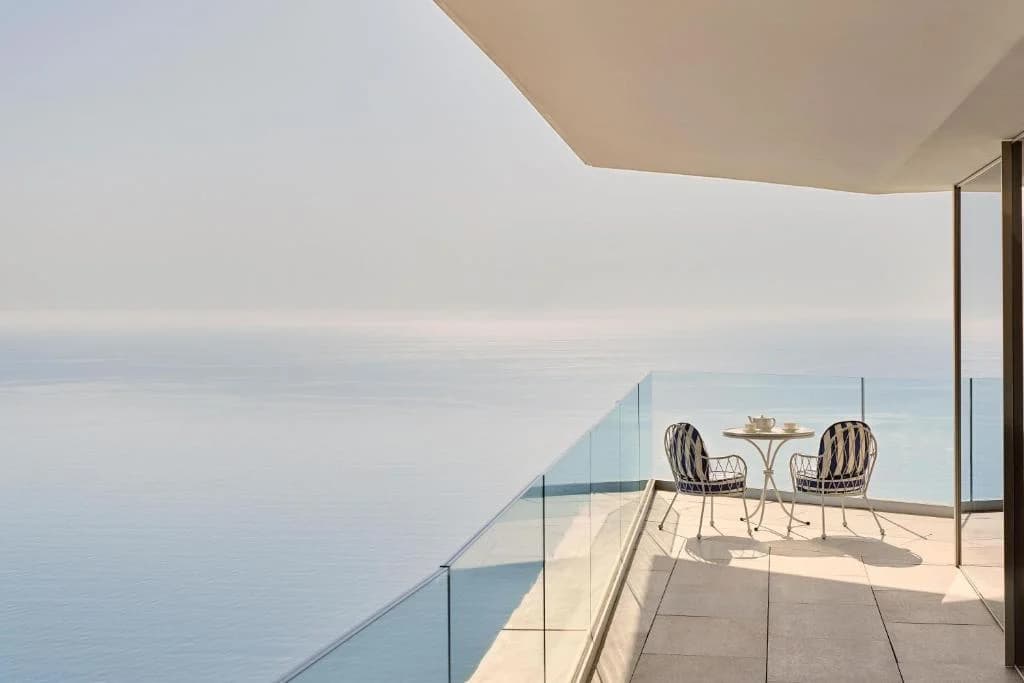
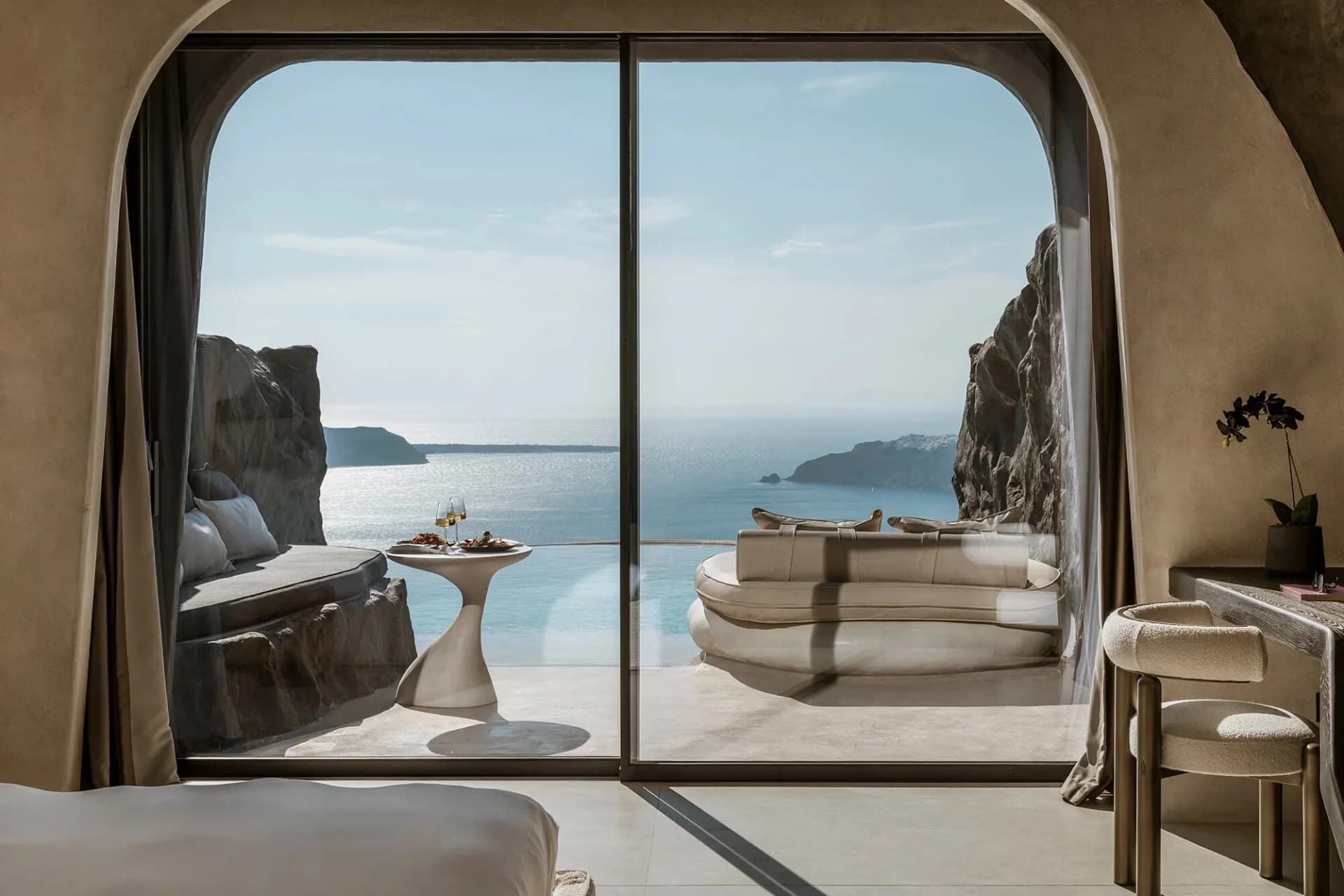
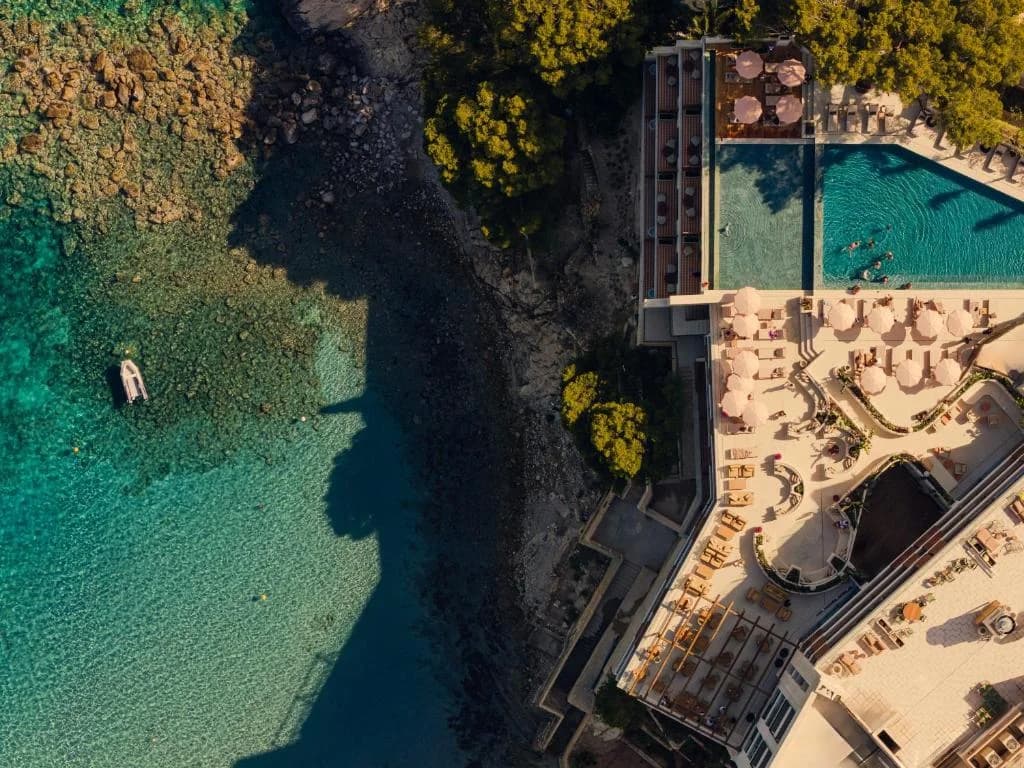
Some of the most sought-after suites in Ravello are found in properties that occupy the edges of the ridge, where terraces extend over the valley and the sea is visible from multiple orientations. These positions tend to offer greater privacy and, critically, unobstructed sightlines that make the outdoor space of a suite as architecturally considered as the interior. The terrace is not an amenity here. It is the primary room.
The road to Scala and the surrounding hillside
Scala, directly opposite Ravello across a narrow valley, is the oldest town on the Amalfi Coast and remains almost entirely unvisited. Properties accessible from Ravello that face toward Scala offer a quieter orientation, away from the sea-facing crowds, and a more intimate sense of the agricultural and medieval landscape that defines the interior of this coastline.
When to visit Ravello for a luxury suite experience
Ravello is at its most atmospheric from late April through to early October. The Ravello Festival runs primarily in July and August, drawing audiences for outdoor concerts held on the clifftop stage at Villa Rufolo, where the backdrop is the open sea. Suites during festival weeks require advance planning, as inventory at the town's limited number of high-calibre properties moves early in the calendar year.
May and June offer a considered alternative. Temperatures are moderate, the gardens are in full growth, and the volume of visitors remains lower than the peak summer months. September is equally well-regarded by experienced travelers: the light takes on a different quality, the festival has concluded, and the town returns to a rhythm closer to its own. October marks the beginning of the quieter season, and while some properties reduce their operations, those that remain open offer conditions of genuine privacy that are difficult to replicate in summer.
Local luxury standards: what to expect from top-tier properties in Ravello
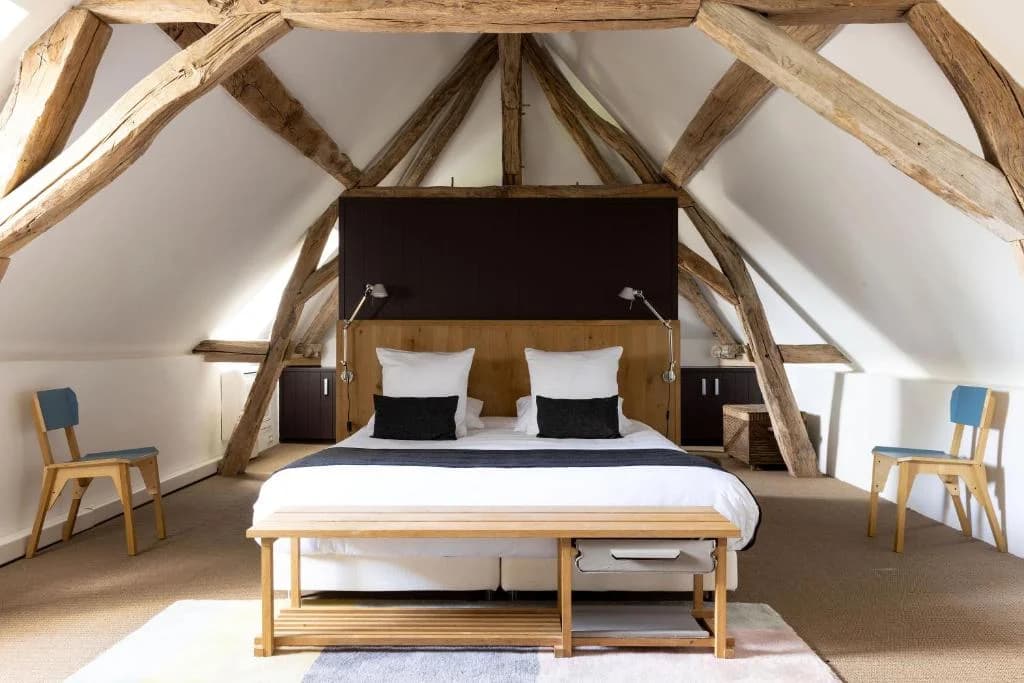
Italy's national classification system designates five-star hotels at the top of its official hierarchy, and several properties in Ravello hold this designation. However, the more meaningful reference point for this destination is the informal category of historic palazzo conversions: buildings that were originally private villas or aristocratic residences and have been adapted into hotel use while retaining their architectural character. These properties tend to feature high-ceilinged rooms, antique stone detailing, and gardens that predate the hotel's existence by several centuries.
The luxury suite offer in Ravello is defined more by spatial generosity and view quality than by the kind of amenity-dense specification found in urban five-star hotels. Spas are present in some properties but are not universally available. Restaurants are typically intimate and ingredient-focused, drawing on the produce of Campania: San Marzano tomatoes, Amalfi lemons, buffalo mozzarella from the plains of Paestum, and fish from the Tyrrhenian Sea. The expectation is not excess. It is precision.
How to choose the right suite in Ravello
Prioritise the terrace and its orientation
In Ravello, the external space of a suite is as important as the interior. When evaluating options, the orientation of the terrace matters: sea-facing positions offer the most dramatic visual context, while valley-facing terraces provide a quieter, greener outlook. Confirm whether the terrace is private to the suite or shared with adjacent rooms, as this distinction significantly affects the character of the stay.
Consider the property's access logistics
Ravello is accessible by road from Amalfi, but the approach involves a narrow mountain road that is unsuitable for large vehicles. Most properties offer transfer arrangements from nearby towns or from Naples airport. Guests arriving with significant luggage or mobility considerations should confirm logistics in advance. The town itself is navigated on foot, and some suites within historic buildings involve staircase access without lift alternatives.
Assess the seasonal operating calendar
Not all properties in Ravello operate year-round. Several of the most architecturally significant hotels close between November and March. Confirming the operational dates of a specific property is essential before travel planning in the shoulder or off seasons.
Why a curated selection by La Suite is the most efficient starting point
Ravello's hotel offer is small in volume but variable in quality. The town's reputation and the emotional weight of its setting mean that properties can trade on atmosphere alone, without the suite specification to justify a premium rate. La Suite applies a consistent editorial filter to this market: each property in the curated selection has been assessed for suite quality, terrace condition, privacy, service standard, and the coherence between what is presented and what is delivered.
For a destination as specific and as emotionally loaded as Ravello, that filter is not a convenience. It is the difference between a stay that meets the expectations the town creates and one that falls short of them. The curated selection by La Suite identifies the properties where the suite experience is genuinely commensurate with the setting.