Understanding Positano as a luxury suite destination
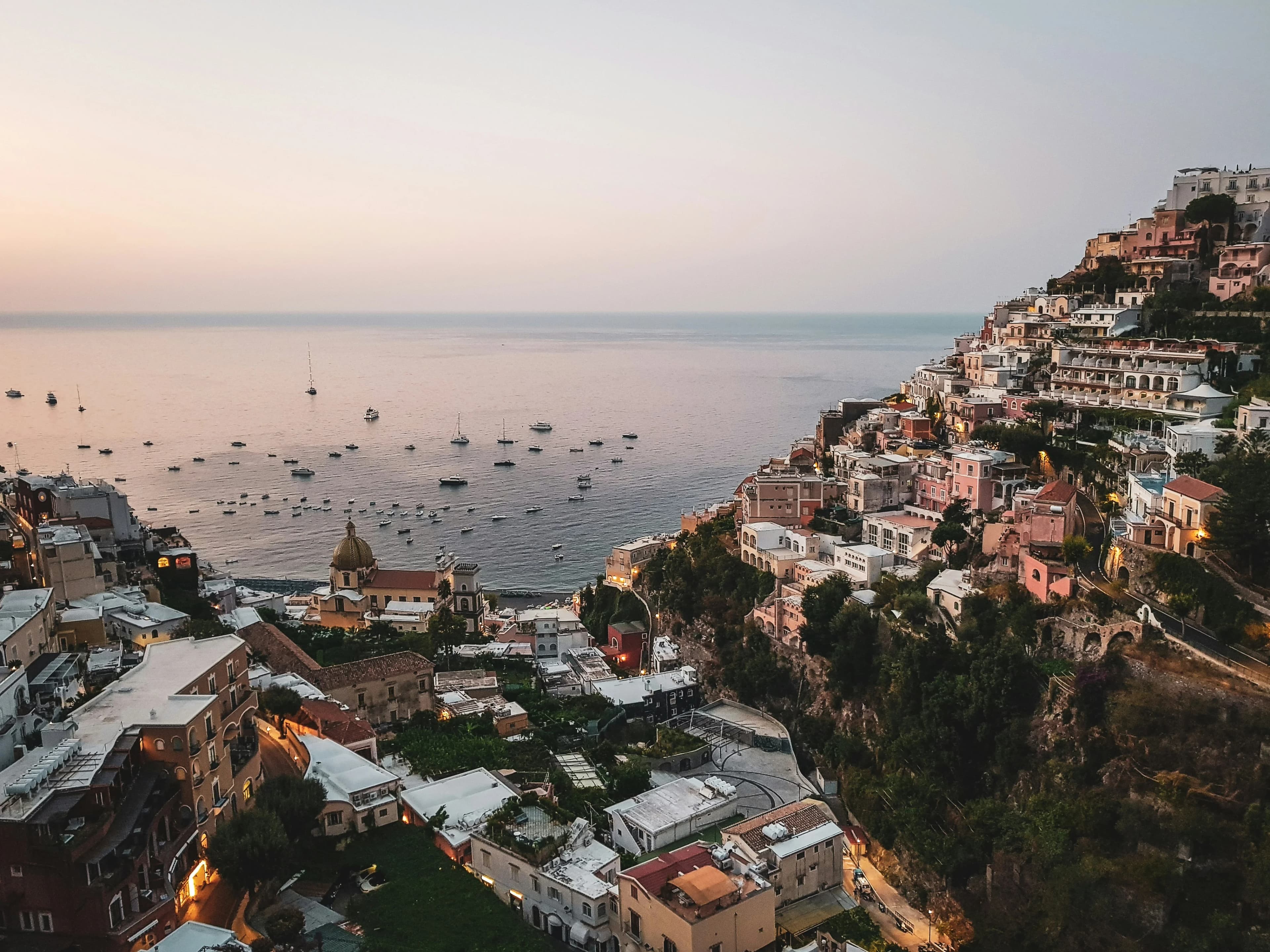
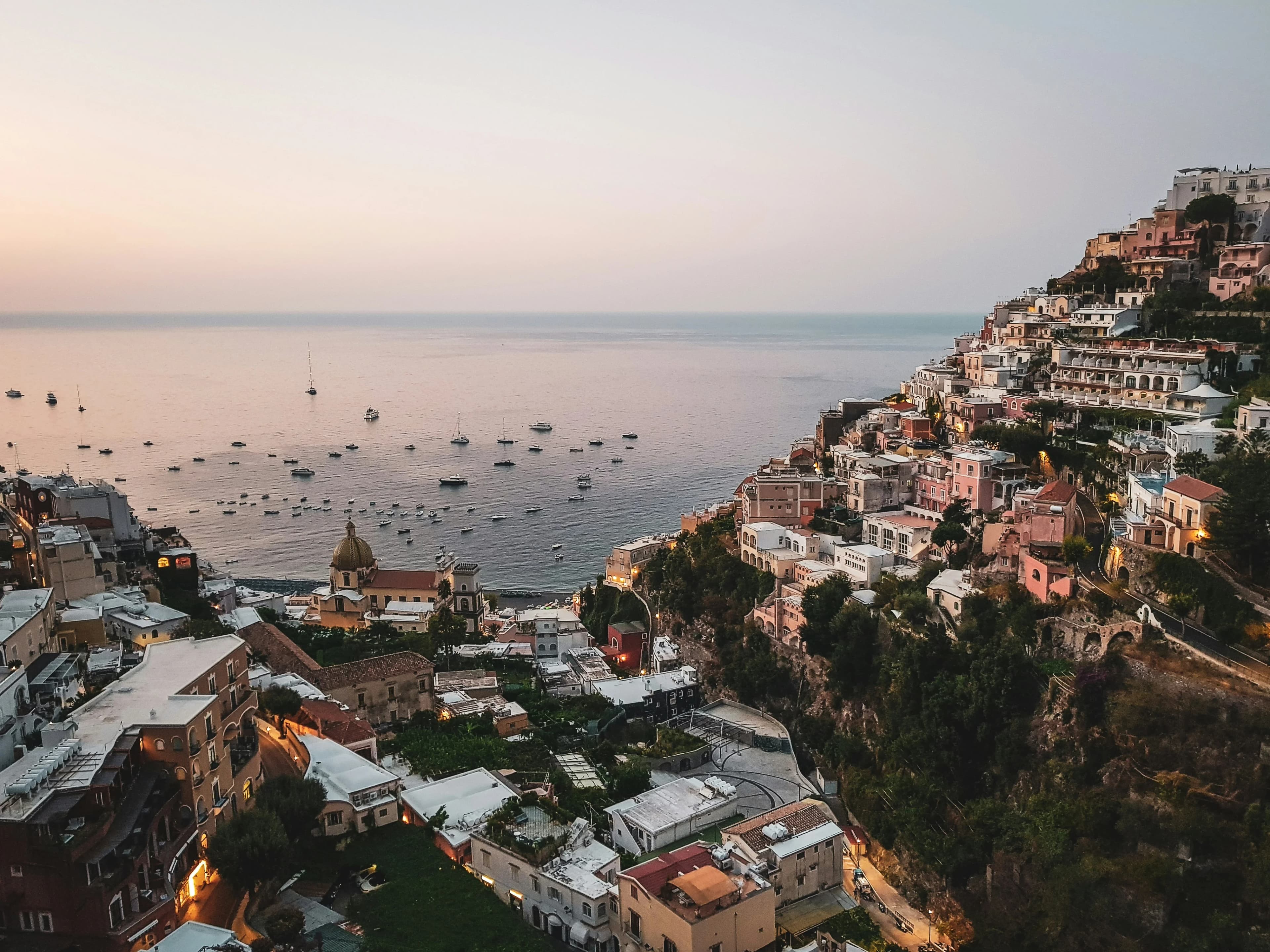
A luxury hotel suite in Positano is rarely grand in the conventional sense. It is precise. Terraces are carved from hillside rock. Views are engineered through architecture rather than accident. The materials, hand-painted Vietri ceramics, whitewashed plaster, wrought iron, local stone, are not decorative choices but a direct expression of regional craft tradition. Understanding this is essential before selecting where to stay.
Best areas to stay in Positano
The upper village
The upper reaches of Positano, closer to the main coastal road, offer a degree of accessibility that the lower village does not. Properties here tend to have broader views across the entire bay, with the advantage of being connected, however loosely, to the rest of the Amalfi Coast by road. The trade-off is distance from the beach, which requires either a walk down or a reliance on the local shuttle service.
The lower village and beachfront
The area immediately surrounding Spiaggia Grande and the smaller Fornillo beach represents the most immersive position in Positano. Suites here, when they exist at the higher end of the market, place guests within immediate reach of the water, the fishing boats, and the daily rhythm of the village. The density is higher, and the presence of other travelers is felt more acutely. For those who want proximity over panorama, this is the correct calculation.
The hillside mid-section
Between road level and beach, the majority of Positano's most considered properties occupy the middle tier of the hillside. Elevated enough for unobstructed sea views, close enough to the village for practical access. This is where much of the finest accommodation exists, built into terraced gardens and connected by private pathways.
When to visit Positano for a luxury suite stay
The Amalfi Coast operates on a sharply defined seasonal calendar. Positano is at its most accessible and its most atmospheric between late April and early June, before the peak summer density arrives. Temperatures are measured, the water is beginning to warm, and hotel occupancy has not yet reached its July and August saturation point. Suite availability at the best properties is considerably easier to secure in this window.
September and early October represent the other premium window. The summer crowd has thinned, the light changes quality, becoming more amber and directional, and the sea retains the warmth accumulated over the summer months. Local restaurants and boat operators remain fully operational. Many experienced travelers to this coast consider this the superior period.
July and August bring a concentrated density of visitors that transforms the village. Suites at top properties are typically booked months in advance, prices reach their annual peak, and the experience of moving through Positano on foot becomes significantly more effortful. For those committed to visiting in high summer, early planning is not optional.
Winter, from November through March, sees most properties close entirely. Positano is not a year-round destination in any conventional sense, and the off-season village is almost entirely residential.
Local luxury standards: what defines a high-end suite on the Amalfi Coast
Italy does not operate a formal national equivalent to the French Palace designation, though the country maintains a five-star hotel classification system. On the Amalfi Coast specifically, the markers of genuine quality at the suite level are more contextual than categorical.
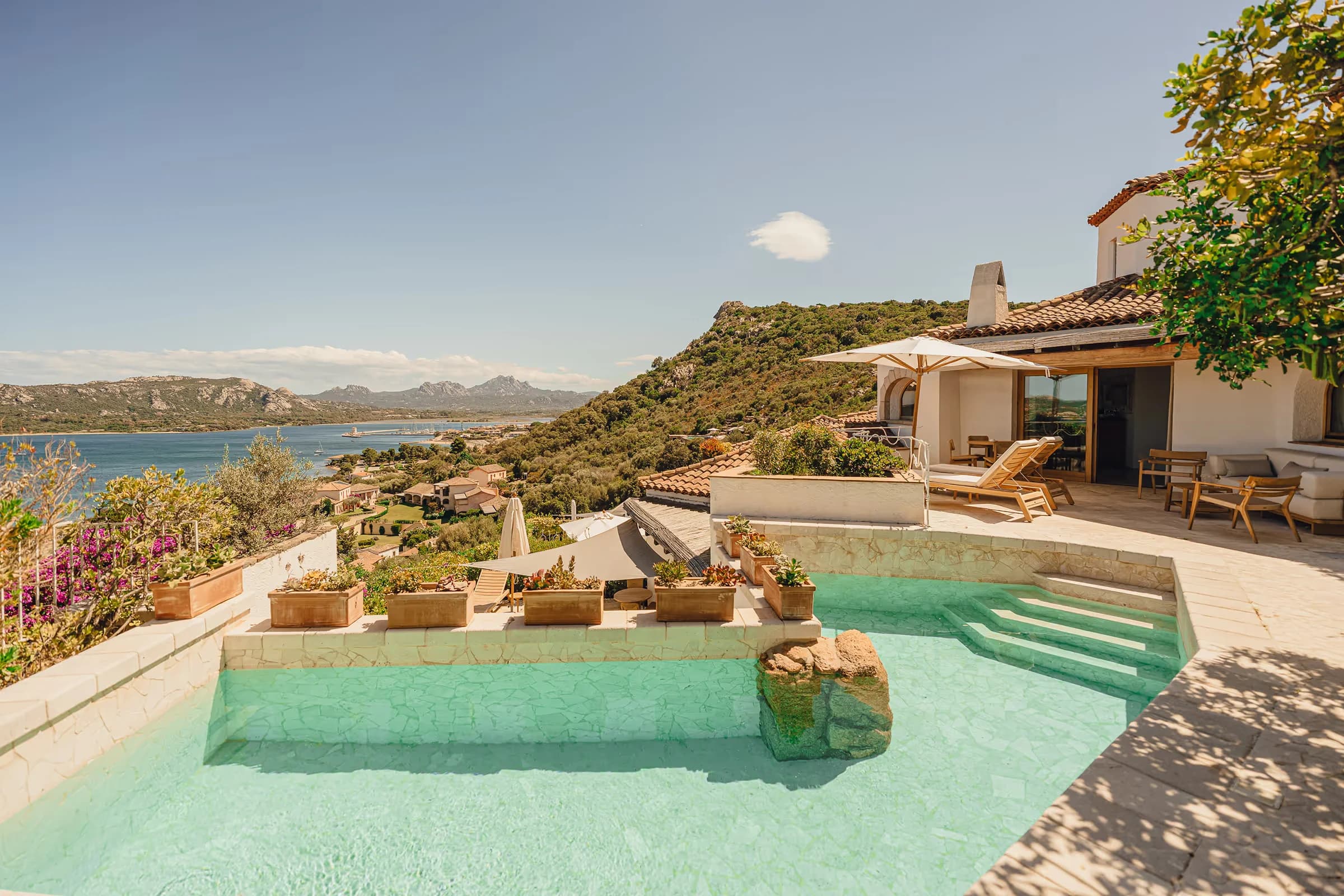
The terrace is the primary unit of value in Positano. A suite without a private, sea-facing terrace is not functioning at the level that the destination warrants. Beyond the terrace, the quality indicators include the integration of local craft (Vietri ceramics are ubiquitous but vary enormously in execution), the age and condition of the structural elements, the ratio of indoor to outdoor living space, and the directness of sea access or proximity to it.
Many properties in this area are family-owned and have been operated continuously for several generations. This produces a particular kind of service culture, attentive and personal rather than corporate, which distinguishes the finest Amalfi Coast properties from comparable international luxury hotel operations. The best suites here are not anonymous.
How to choose the right luxury suite in Positano
The first consideration is physical access. Positano's terrain is non-negotiable. Properties closer to the beach involve more stairs, often steep, and no vehicle access. Properties near the main road offer easier arrival logistics but may require a commitment to descending and ascending daily. Travelers with mobility considerations should investigate access conditions with precision before confirming a reservation.
The second consideration is orientation. The Amalfi Coast faces broadly south to southwest. Morning light enters from the east, meaning east-facing suites catch the early sun, while west-facing terraces are better positioned for the late afternoon and evening light that makes this coastline particularly compelling at dusk.
Third, the question of suite size. Positano's architecture does not favour large footprints. Genuinely spacious suites are rare. Where space is the primary requirement, expectations should be calibrated accordingly, and the outdoor terrace should be considered as an extension of the living area rather than a separate feature.
Pool access matters significantly in summer. Not all properties have pools, and roof terraces with small plunge pools are common at the upper end of the market. These are not equivalent to a full swimming pool but they do provide a private alternative to the public beach.
Why curated selection matters in Positano
Positano generates a disproportionate volume of accommodation listings relative to its actual size. The village has fewer than four thousand permanent residents, yet the number of properties presenting themselves as luxury experiences is considerable. The variance in quality between them is substantial.
A curated selection by La Suite filters this market with precision. The criteria are architectural coherence, service culture, terrace quality, sea orientation, and the overall integrity of the experience as a suite stay rather than a standard room with an upgraded view. In a destination where the difference between a genuinely considered property and a well-photographed average one is significant, that filtering is the work that matters.