Where to stay in Latvia for a luxury suite experience
Riga: the architectural core
The capital holds the highest concentration of art nouveau architecture in Europe, a fact that shapes the hotel experience at every level. Properties occupying restored early-twentieth-century townhouses offer suites with original ornamental facades, double-height ceilings, and courtyard-facing windows that filter Baltic light in a way that modern construction cannot replicate. The Old Town, a UNESCO World Heritage Site, adds medieval stone and timber-framed geometry to the mix. Staying within or immediately adjacent to these districts means the city's architectural density is experienced as a daily spatial condition rather than a tourist circuit.
Jurmala: coastal restraint
Jurmala extends along the Gulf of Riga coastline, roughly thirty kilometres west of the capital. Its character is shaped by a long tradition of wooden villa architecture, wide Baltic beaches, and pine forest corridors that separate the resort strip from the open sea. Luxury properties here tend toward the residential in scale, with suites that prioritise private terraces, proximity to the beach, and the kind of acoustic insulation that city-centre hotels cannot offer. For travelers arriving in warmer months, Jurmala functions as a natural counterpoint to Riga's urban intensity.
The Latvian countryside and manor estates
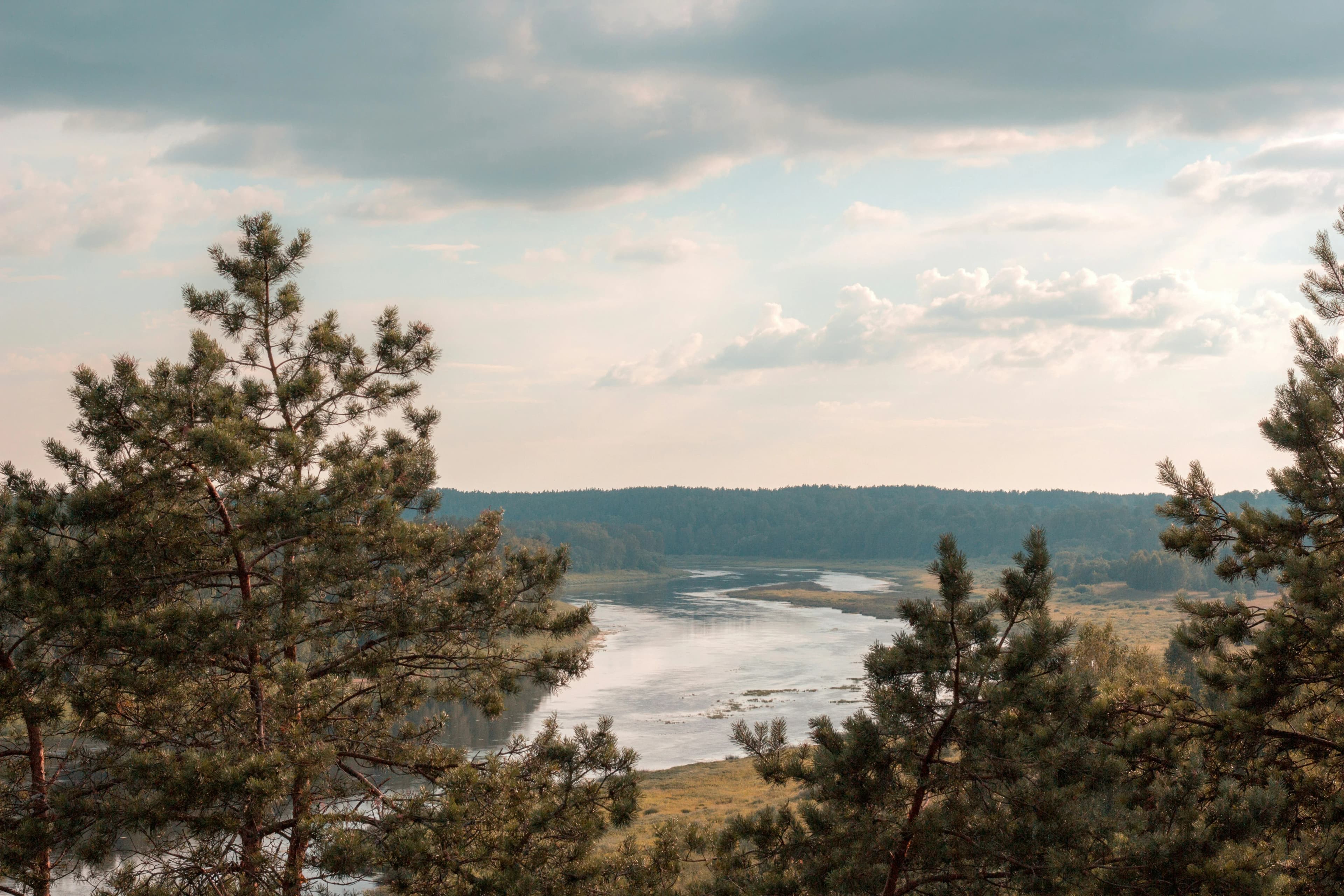
Latvia's interior is defined by river valleys, birch and pine forests, and a network of historical manor estates that date to the Baltic German aristocratic period. Several of these manors have been converted into discreet hotel properties with suite accommodations that combine eighteenth and nineteenth-century architectural bones with considered contemporary interiors. The Gauja National Park region, in particular, offers a landscape of sandstone cliffs, river bends, and medieval castle ruins that frames a stay with a distinctly Northern European seriousness.
When to visit Latvia for a luxury hotel experience
Latvia's climate follows a continental pattern with genuine seasonal contrast. Each season offers a different set of sensory and cultural conditions for suite travelers.
Late spring and early summer, from May through July, represent the peak period for most visitors. The days are exceptionally long at this latitude: in June, Riga receives close to seventeen hours of daylight. The Midsummer festival, known locally as Ligo, falls on the night of June 23rd and is one of the most culturally embedded celebrations in Latvian society. Securing suite accommodation around this date requires advance planning.
August brings warmer temperatures to Jurmala and sustained cultural programming to Riga, including the Riga Festival, one of the Baltic region's most established choral and orchestral events. Hotel rates in the capital tend to peak during major festival weekends.
Autumn, from September through October, offers a different register entirely. The deciduous forests in the Gauja valley shift colour across a palette of amber and copper, and the city's cultural season reopens after the summer pause. Suite availability is generally more flexible than in high summer, and the light quality in this latitude during autumn is notably particular: low-angled, warm-toned, and architecturally flattering.
Winter in Latvia is cold and frequently overcast, but it carries its own logic for a certain kind of traveler. Riga's Old Town under snow acquires a compositional severity that reads differently from its summer version. Spa facilities, heated indoor pools, and the private scale of a well-chosen suite make winter an entirely viable period for a focused urban stay.
Understanding luxury standards in Latvian hotels
Latvia does not operate under a state-defined prestige classification equivalent to France's Palace designation. The country's luxury hotel market is relatively young by Western European standards, having developed substantially from the mid-1990s onward following independence. This means the reference framework for suite quality in Latvia is more heterogeneous than in markets with a longer formal hospitality tradition.
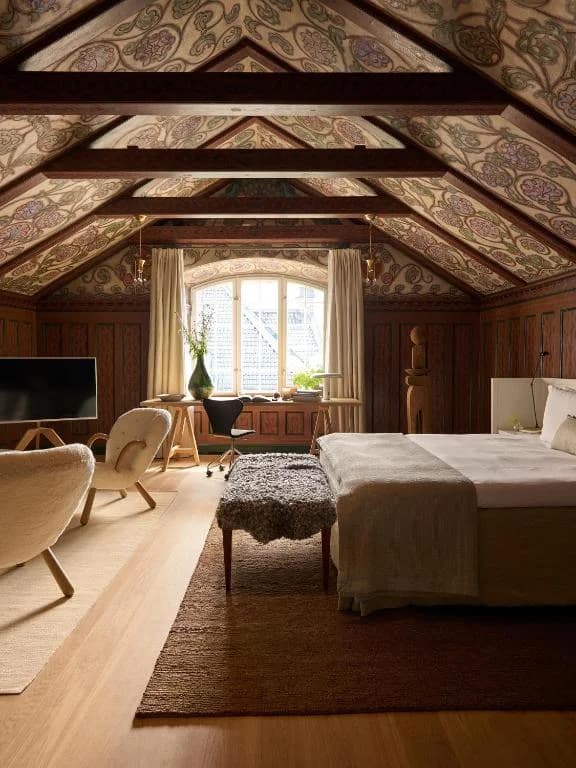
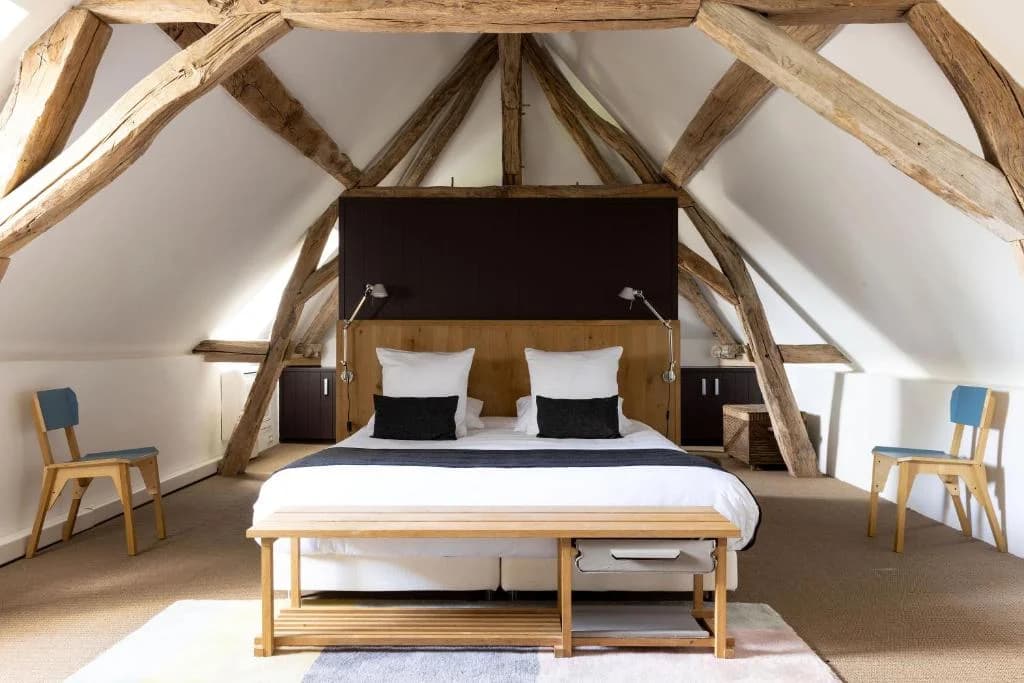
The most considered properties tend to position themselves within one of two distinct categories. The first is the restored heritage building: former bank headquarters, nineteenth-century merchant houses, and art nouveau residential structures that have been adapted for hotel use with careful attention to the original architectural language. Suites in these buildings often retain period detailing including decorative plasterwork, parquet floors, and proportions that pre-date modern room standardisation.
The second category is the purpose-built contemporary hotel, typically oriented toward business travelers but often containing signature suites with panoramic views over the Daugava river or the Old Town roofline. These properties are more consistent in their technical specifications and more likely to offer the full range of modern amenities at a high standard.
Service culture in Latvia's top hotels is formal without being stiff, and English fluency among front-of-house staff in the capital is comprehensive. Expectations around privacy and discretion are well understood in the better properties.
How to choose the right luxury suite in Latvia
Several practical considerations apply specifically to Latvia that do not arise in more established luxury destinations.
Architecture is the first filter. Travelers with a strong preference for period interiors should orient their search toward properties in Riga's art nouveau district or the converted manor estates in the countryside. Those who prioritise technical modernity in their suite, including high-specification lighting control, contemporary bathroom design, and soundproofing, will generally find better results in newer builds or comprehensively renovated properties near the capital's business district.
Scale matters in a small market. Latvia has ten properties represented on La Suite, which means the selection is already filtered to the most relevant tier. Within that group, suite categories vary from compact junior suites to full-floor arrangements with separate reception rooms and dedicated service entrances. Clarifying the purpose of the stay, whether it centres on rest, work, entertaining, or extended residence, is the most direct way to match the right suite category to the right property.
Proximity to key destinations is a more functional consideration than it might seem in a compact city. Riga's Old Town, the National Opera House, the central market, and the art nouveau district are all walkable from the central hotel cluster, but the best properties within each area have meaningfully different orientations and street-level environments.
Why a curated selection matters for Latvia suite travel
The Latvian luxury hotel market is smaller in volume than Western European equivalents, but its heterogeneity makes independent selection time-consuming. Properties vary significantly in what they classify as a suite, in the consistency of their service standards, and in the degree to which their physical environment lives up to their positioning.
La Suite's curated selection of ten properties in Latvia represents a pre-filtered answer to these variables. Each property has been assessed against a consistent set of criteria that prioritise suite quality, spatial generosity, architectural coherence, and service reliability. The result is a list that removes the noise from a market where the gap between a genuinely excellent suite and a merely marketed one can be considerable. For travelers who measure the quality of a trip by the quality of the space they return to each evening, this kind of curation is not a convenience. It is the starting point.