Best areas to stay in Lithuania for a luxury suite experience
Vilnius old town and the cathedral quarter
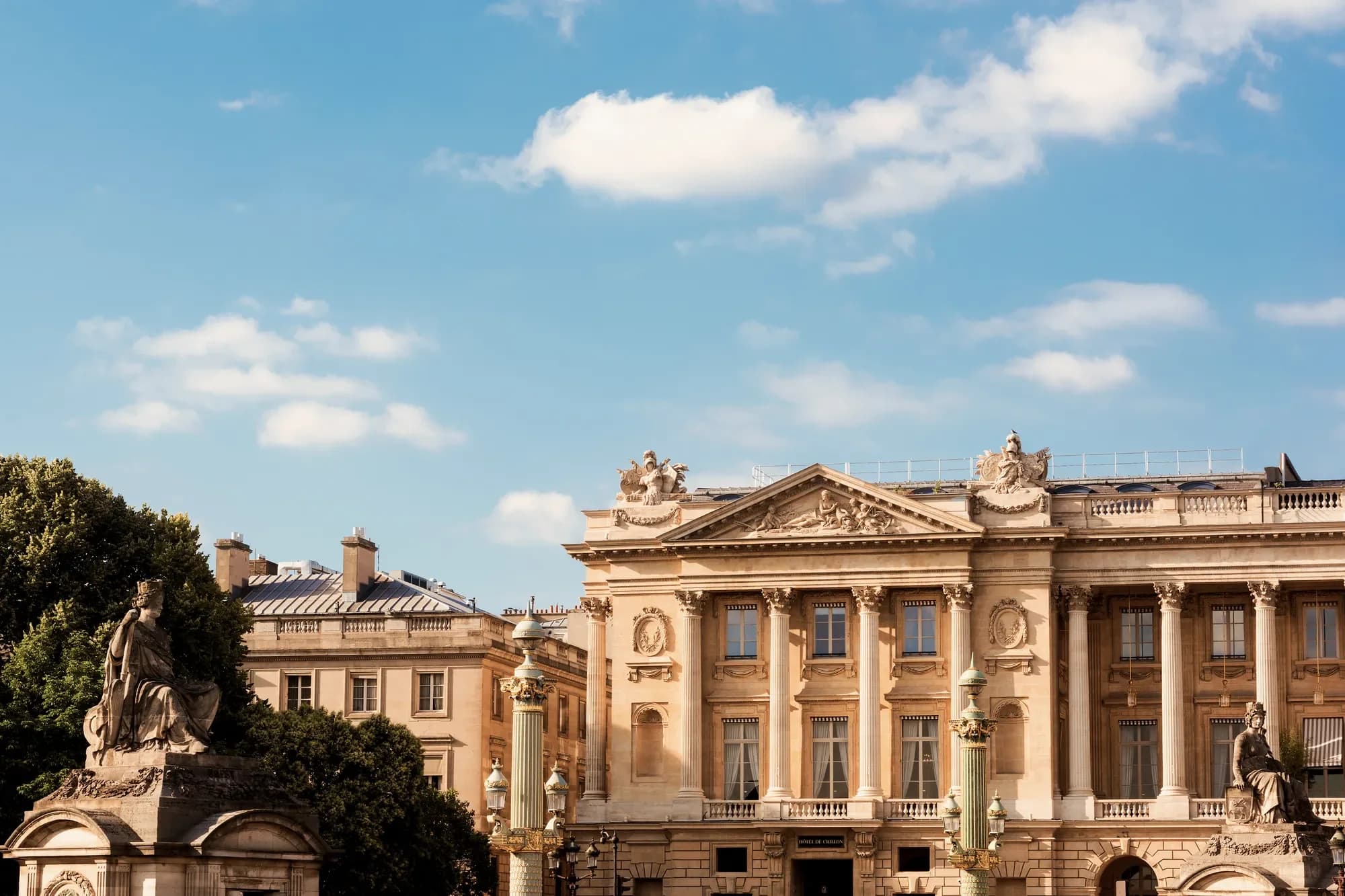
The capital's UNESCO-listed old town is one of the largest surviving Baroque ensembles in northern Europe. Staying within or immediately adjacent to this district places guests within walking distance of its major ecclesiastical architecture, its gallery circuit, and its increasingly refined restaurant culture. Luxury hotels concentrated here tend to occupy converted palaces or monastic buildings, giving suites a structural character that new-build properties rarely achieve. The stone courtyards, vaulted corridors, and period facades create a backdrop that cannot be replicated elsewhere in the Baltic region.
The Curonian Spit
This narrow strip of land, shared between Lithuania and the Russian exclave of Kaliningrad, is one of the most singular landscapes in Europe. Pine forests meet high sand dunes that descend directly to the Baltic Sea. The resort town of Nida, at the spit's southern end, has been a retreat for artists and intellectuals since the early twentieth century (Thomas Mann built a summer house here in 1930). Luxury accommodation in this area prioritizes natural immersion over urban amenity: expect generous private terraces, access to cycling trails, and rooms oriented toward forest or coastal views rather than city infrastructure.
Trakai and the lake district
Forty minutes west of Vilnius, the lake district centered on Trakai offers a quieter register. The medieval island castle, set within a network of glacial lakes, is the visual anchor. Upscale properties in this corridor tend toward the spa and wellness format, with access to water sports and forest trails. The pace here is deliberately slower, making it appropriate for guests extending a city stay or seeking a restorative counterpoint to urban programming.
Kaunas and the second city circuit
Lithuania's second city carries a distinct architectural identity. Its interwar modernist district, recognized by UNESCO in 2023 as part of a broader European modernism heritage site, gives Kaunas a mid-century visual language that differentiates it sharply from Vilnius. Luxury hospitality here is still developing relative to the capital, but the city's art museum circuit, its restored central boulevard, and its proximity to the Žaliakalnis residential district make it a credible destination for design-literate travelers.
When to visit Lithuania for a suite stay
Lithuania's climate follows a continental pattern with meaningful seasonal variation. Each season has a defensible case for the right traveler.
Late spring (May to June) brings long days, mild temperatures, and the opening of outdoor terraces across the country. This is the optimal window for the Curonian Spit, before peak summer crowds arrive in July and August. Summer (July to August) is the warmest and most socially active period, with the capital's courtyard bars and rooftop venues at full operation. Suite availability at leading properties becomes constrained during this window, and advance booking of three to six months is standard practice for first-choice properties.
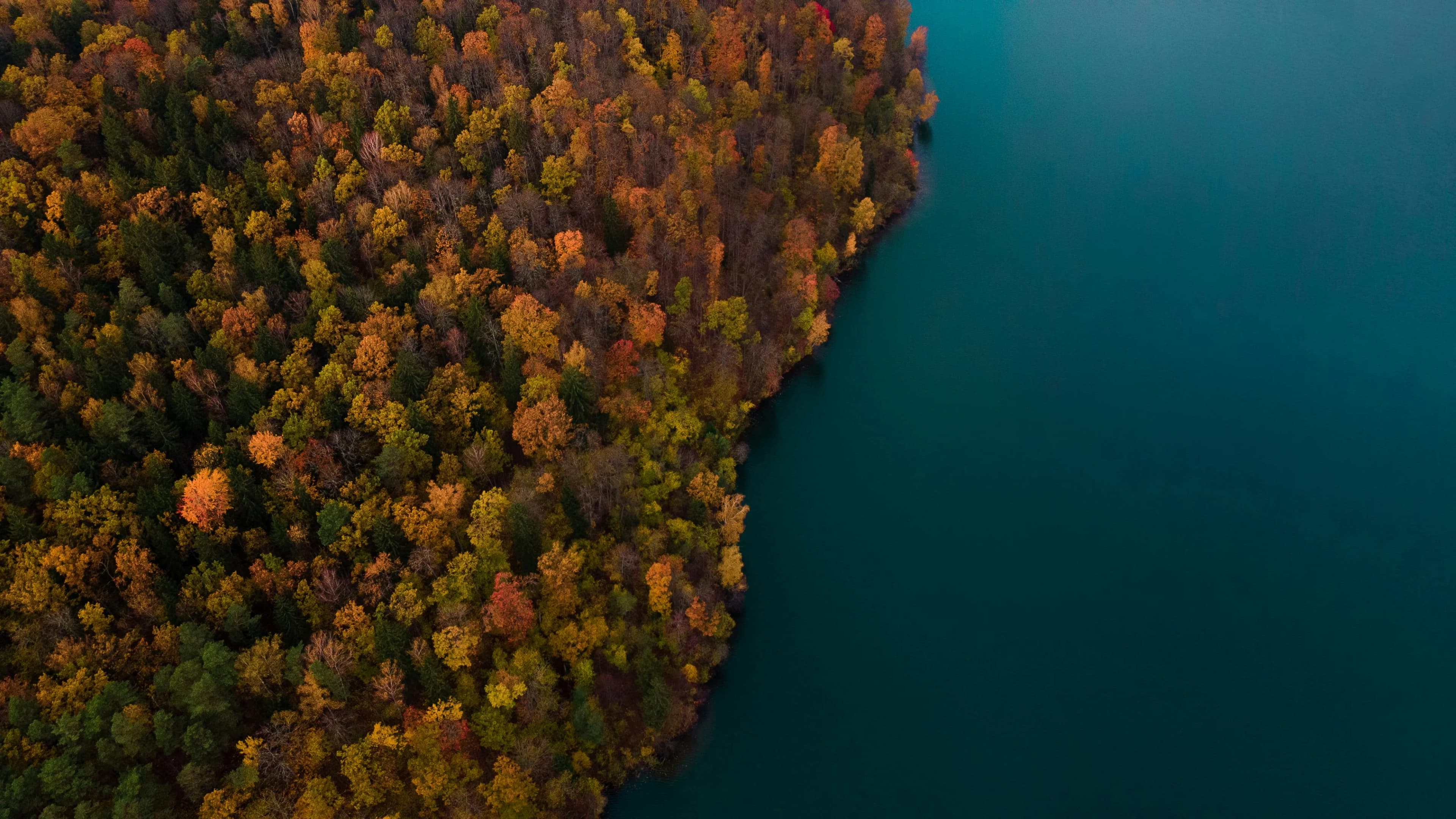
September and October represent a secondary peak of genuine quality. The old town empties of mass tourism, temperatures remain comfortable for walking, and the forested landscapes around Trakai and the lake district shift into their autumn register. For travelers whose priority is cultural access without the friction of summer crowds, this is often the most productive window.
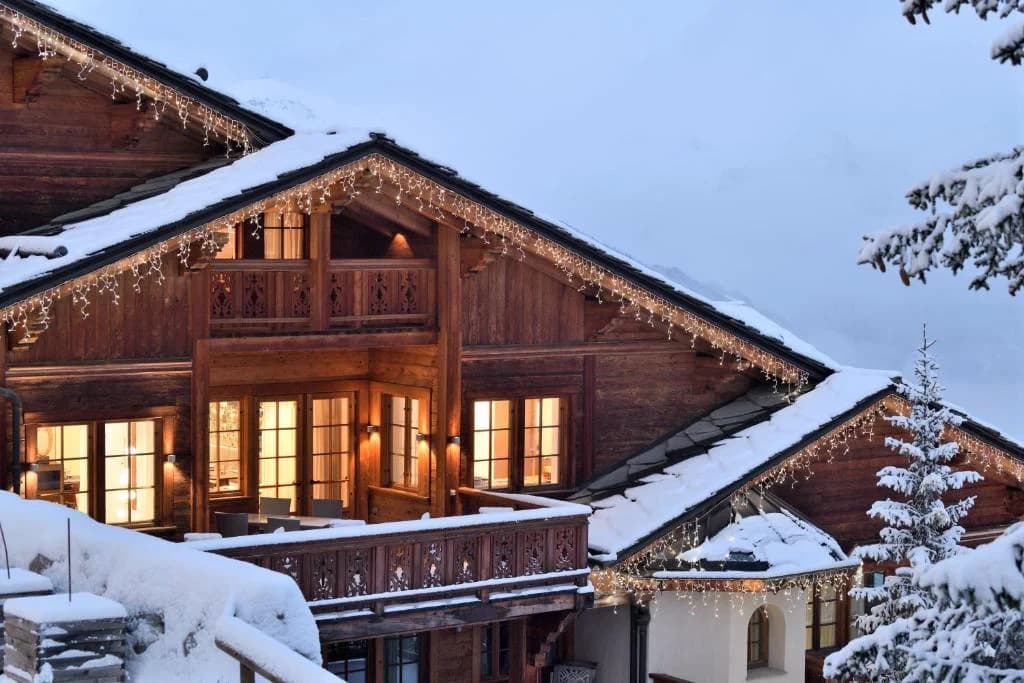
Winter in Lithuania is cold and low-light, but Vilnius in December has a specific atmosphere: the old town's Baroque facades lit against early darkness, Christmas markets operating within the cathedral square, and a reduced visitor volume that makes table reservations and suite upgrades significantly more accessible.
Understanding luxury standards in Lithuania
Lithuania does not operate a formal national prestige classification equivalent to France's Palace designation. The five-star designation applies at the upper end, but the more reliable indicators for discerning travelers are independent membership in collections such as Small Luxury Hotels of the World, Preferred Hotels and Resorts, or Leading Hotels of the World. Properties carrying these affiliations have been audited against international service and design benchmarks.
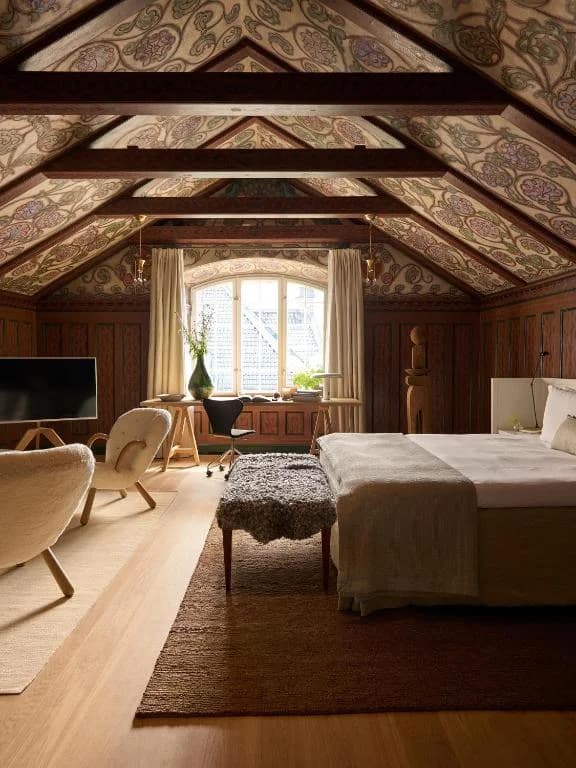
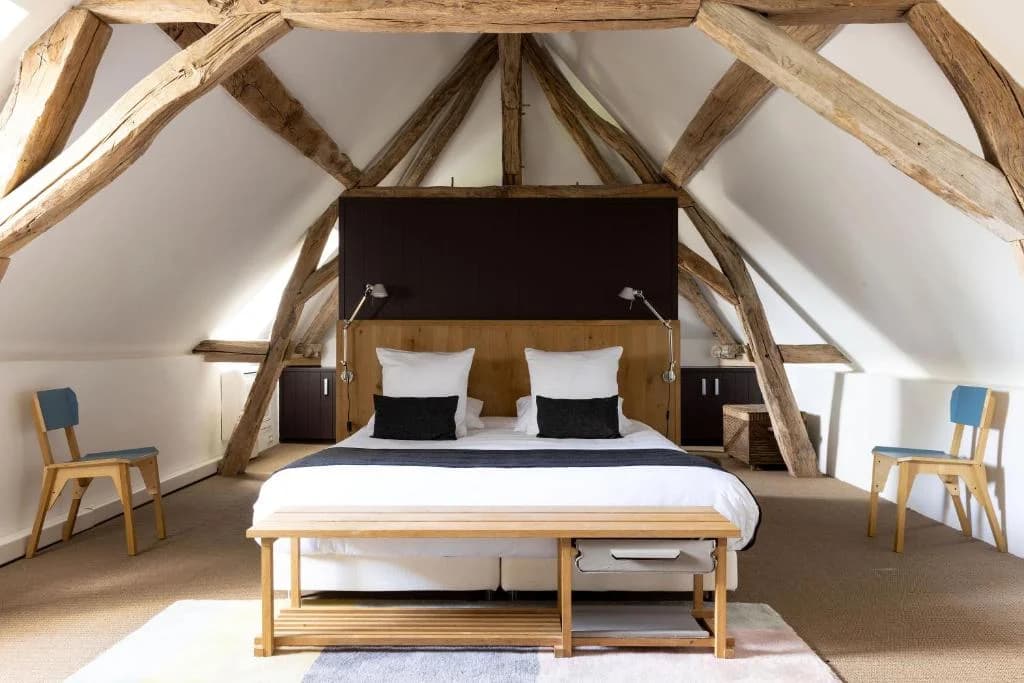
At the suite level, Lithuania's top properties tend to offer spaces that integrate local craft traditions: hand-woven textiles, amber detailing (Lithuania and the wider Baltic region account for a significant share of European amber production), and joinery from local timber species. These are not decorative gestures. In the better properties, material sourcing and craft commissioning are part of a deliberate interior language that gives suites a regional coherence absent from internationally standardized luxury.
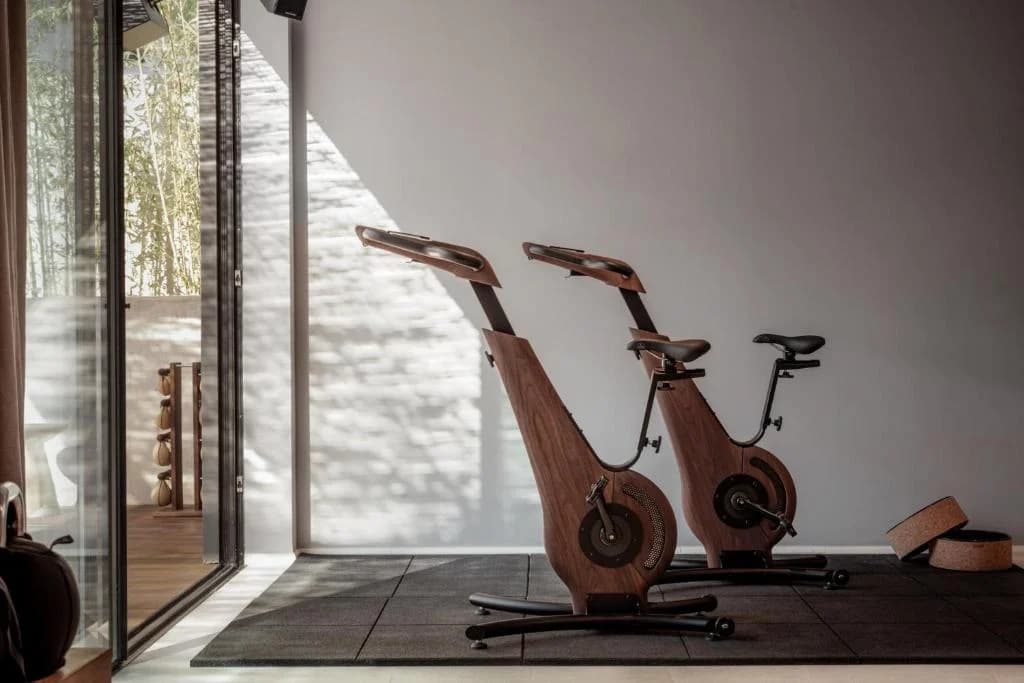
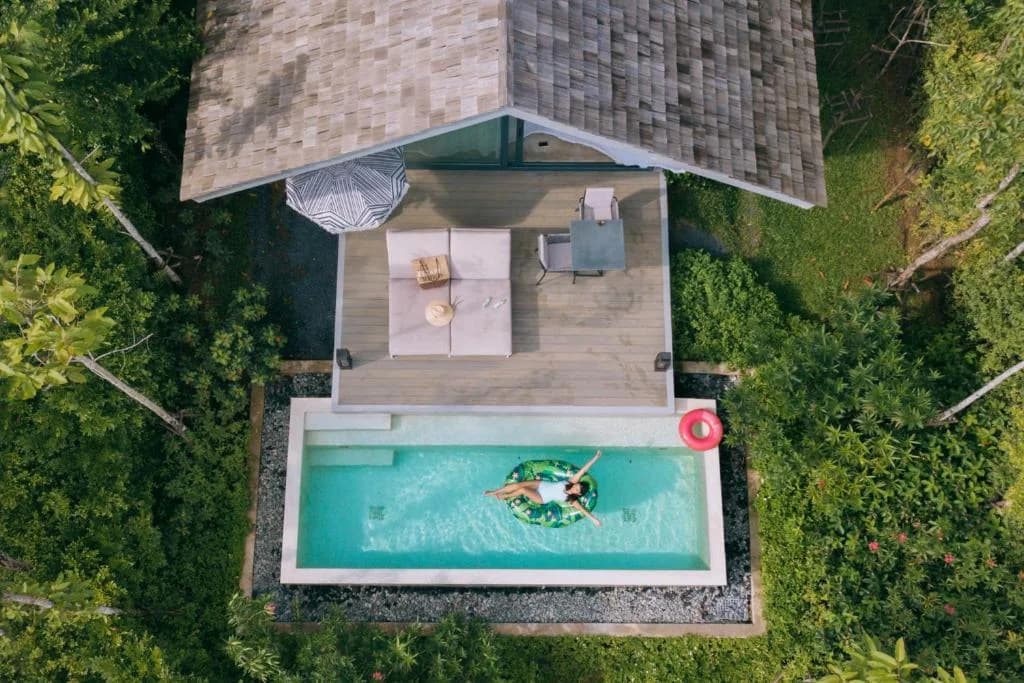
Wellness infrastructure is a consistent feature of Lithuanian luxury hospitality. The country has a strong spa culture, partly rooted in Soviet-era sanatorium traditions that have been reinterpreted through contemporary design. Steam rooms using locally harvested birch branches (a practice with deep regional roots), cold-water pools, and forest bathing programs are increasingly common at upper-tier properties outside the capital.
How to choose the right luxury suite in Lithuania
The primary consideration is architectural context. Vilnius offers suites within genuinely historic structures: a converted Dominican monastery, a Baroque merchant's palace, a neoclassical building on the cathedral square. These spaces carry physical memory. The stone walls, the ceiling heights, the proportions of the windows, all encode the building's history in ways that contemporary new-build suites do not. If architectural character matters to the guest, this is the variable to optimize for first.
For guests prioritizing landscape over urban architecture, the Curonian Spit properties require a different evaluation logic. Here, the suite's relationship to its natural setting is the primary quality indicator: the orientation of the terrace, the density of the surrounding pine forest, the proximity to the dune trail network. Interior finishes matter, but they are secondary to the suite's spatial dialogue with the exterior.
Practical considerations include transport. Vilnius has a well-connected international airport with direct routes from major European hubs. The Curonian Spit requires a ferry crossing from Klaipeda, Lithuania's third city, which itself is reached by a two-and-a-half-hour drive or a domestic flight from the capital. Suite stays on the spit therefore require a degree of logistical planning that city-based stays do not.
For extended stays combining city and nature, the Vilnius to Curonian Spit circuit covers the country's two most architecturally and ecologically distinct zones without significant redundancy. Trakai can function as a half-day or overnight break within the Vilnius segment.
Why a curated selection matters in Lithuania
With eleven properties currently listed, Lithuania is a precise rather than voluminous market on La Suite. This is appropriate to the destination's current luxury hospitality inventory. The advantage of working within a curated framework here is the same as in any market where the total supply of genuinely exceptional properties is limited: it eliminates the noise generated by properties that apply the five-star label without the corresponding depth of suite design, service, or spatial quality.
La Suite's selection process in Lithuania focuses on properties where the suite offering represents a genuine point of difference, not simply a larger room with a premium price tag. The editorial criteria privilege spatial generosity, design coherence, service that understands the guest's need for autonomy, and a location that is either architecturally or ecologically significant. In a country where luxury hospitality is still consolidating its international profile, this curatorial filter is the most efficient entry point for a traveler who values their time as much as their comfort.