Norway

Norway

Hotels with Luxury Suites in Norway

Norway divides naturally into several zones, each carrying its own character and its own logic for suite travel.

List modeShow map

15 hotels available

Basecamp Hotel
Basecamp Hotel

Centrally located in Longyearbyen, Basecamp Hotel is a traditional trapper's lodge-style property just 15 minutes’ drive from Longyearbyen Airport. The airport bus stops right outside. The hotel offer

Bekkjarvik Gjestgiveri

This historic hotel sits along the harbor in Bekkjarvik and features a restaurant with a seasonal menu designed by award-winning chefs. It began with a royal order from the 1500’s and now Bekkjarvik G

Charmante Skostredet Hôtel

Charmante Skostredet Hôtel is well situated in the center of Bergen, and has a restaurant, free WiFi and a bar. This 5-star hotel offers a 24-hour front desk. The property is non-smoking throughout an

Fjærland Fjordstove Hotell - Huseby Hotelldrift AS

This family-run hotel from 1937 is located in Fjærland Village, on the waterfront of the Sognefjord. It offers a large terrace that overlooks the fjord. Fjærland Fjordstove Hotell - Huseby Hotelldri

Funken Lodge
Funken Lodge

This hotel is located on the island of Spitsbergen, in Norway’s Arctic Archipelago, Svalbard. It offers stunning views, free WiFi and free afternoon treats. Access to a relaxation area is also free.

Henningsvær Bryggehotell - by Classic Norway Hotels

Elegant Accommodations Henningsvær Bryggehotell in Henningsvær offers a 5-star experience with a terrace, restaurant, bar, and free WiFi. Guests enjoy sea and mountain views, private bathrooms wit

Hotel Brosundet
Hotel Brosundet

Featuring sea views, this stylish hotel is set in a renovated Art Nouveau-style warehouse by the Ålesund Strait. Guests can enjoy cocktails and a wide selection of wine at the on-site ARKIVET Bar. Hot

Hotel Union Øye
Hotel Union Øye

By the majestic Sunnmøre Alps and the serene Norangsfjord, Hotel Union Øye is a historic hideaway offering timeless charm and breathtaking nature. Perfect for romantic getaways and outdoor adventures.

Nusfjord Village & Resort

Nusfjord Village & Resort offers traditional fishermen's cabins known as 'Rorbuer'. The property features free Wifi in all units, free parking, and free access to sauna. All units have a wooden floor

Opus XVI, a member of Small Luxury Hotels of The World

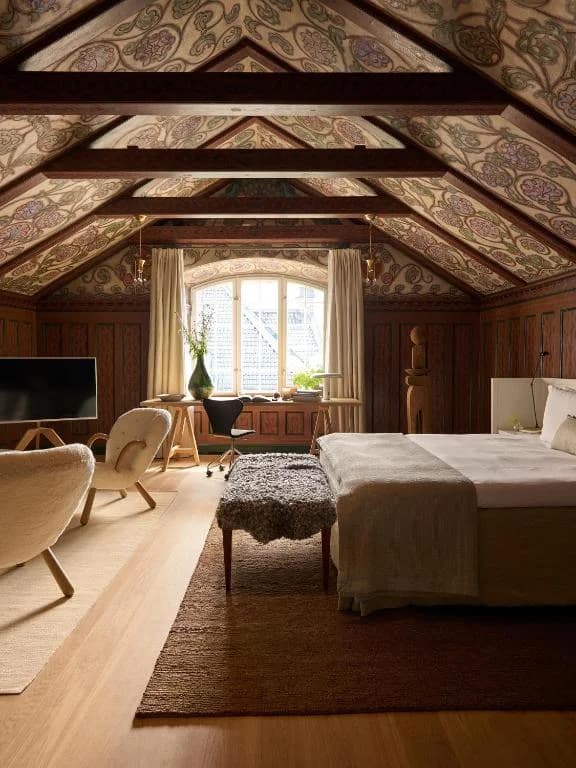
Housed in a historic building from 1876, Opus XVI, an Edvard Grieg Heritage Hotel, is a luxury hotel located in central Bergen featuring individually designed rooms and suites. Guests can enjoy a Norw

Radisson Blu Polar Hotel, Spitsbergen

Radisson Blu Polar Hotel is the northernmost full-service hotel in the world, located in Longyearbyen. Whether you are dining in the hotel restaurant or outdoors, you can enjoy impressive panoramic fj

Sommerro
Sommerro

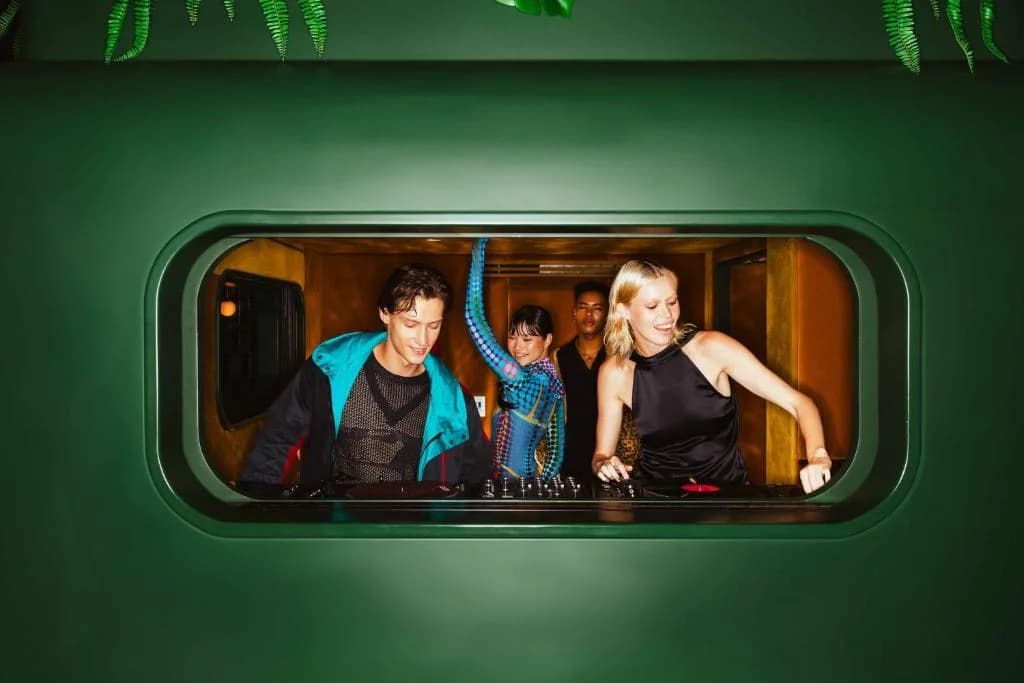
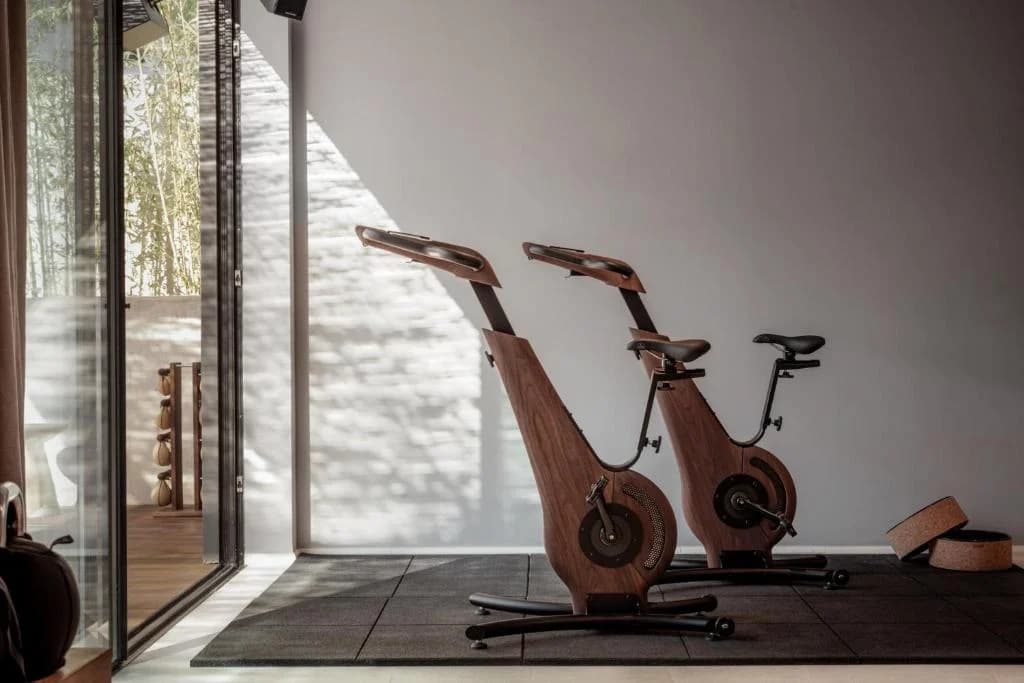
Featuring a fitness center, a terrace as well as a bar, Sommerro is located in the center of Oslo, 1.8 miles from Hovedøya Island Beach. This 5-star hotel offers room service and a 24-hour front desk.

Storfjord Hotel
Storfjord Hotel

Located in Skodje, 18 miles from Color Line Stadion, Storfjord Hotel provides accommodations with a fitness center, free private parking, a garden and a terrace. The property has a 24-hour front desk,

Svalbard Hotell | Polfareren

Centrally located in Longyearbyen, Svalbard Hotell Polfareren offers 24-hour reception, free WiFi internet access, a terrace and modern rooms with flat-screen TVs. A tour desk, snowmobile safaris and

The Well
The Well

Located in Kolbotn and within 12 miles of Oslo Central Station, The Well features a bar, non-smoking rooms, and free WiFi. Featuring a restaurant, the 5-star hotel has air-conditioned rooms with a pri

The distinct luxury geographies of Norway

The fjord country of western Norway, anchored around Sognefjord and Hardangerfjord, is where the landscape reaches its most theatrical. Suites here are valued not for urban proximity but for orientation: how a window frames a cliff face, how a terrace sits above waterline. Properties in this zone tend to be smaller, architecturally deliberate, and designed with the view as a structural element. The luxury here is spatial and sensory rather than amenity-driven.

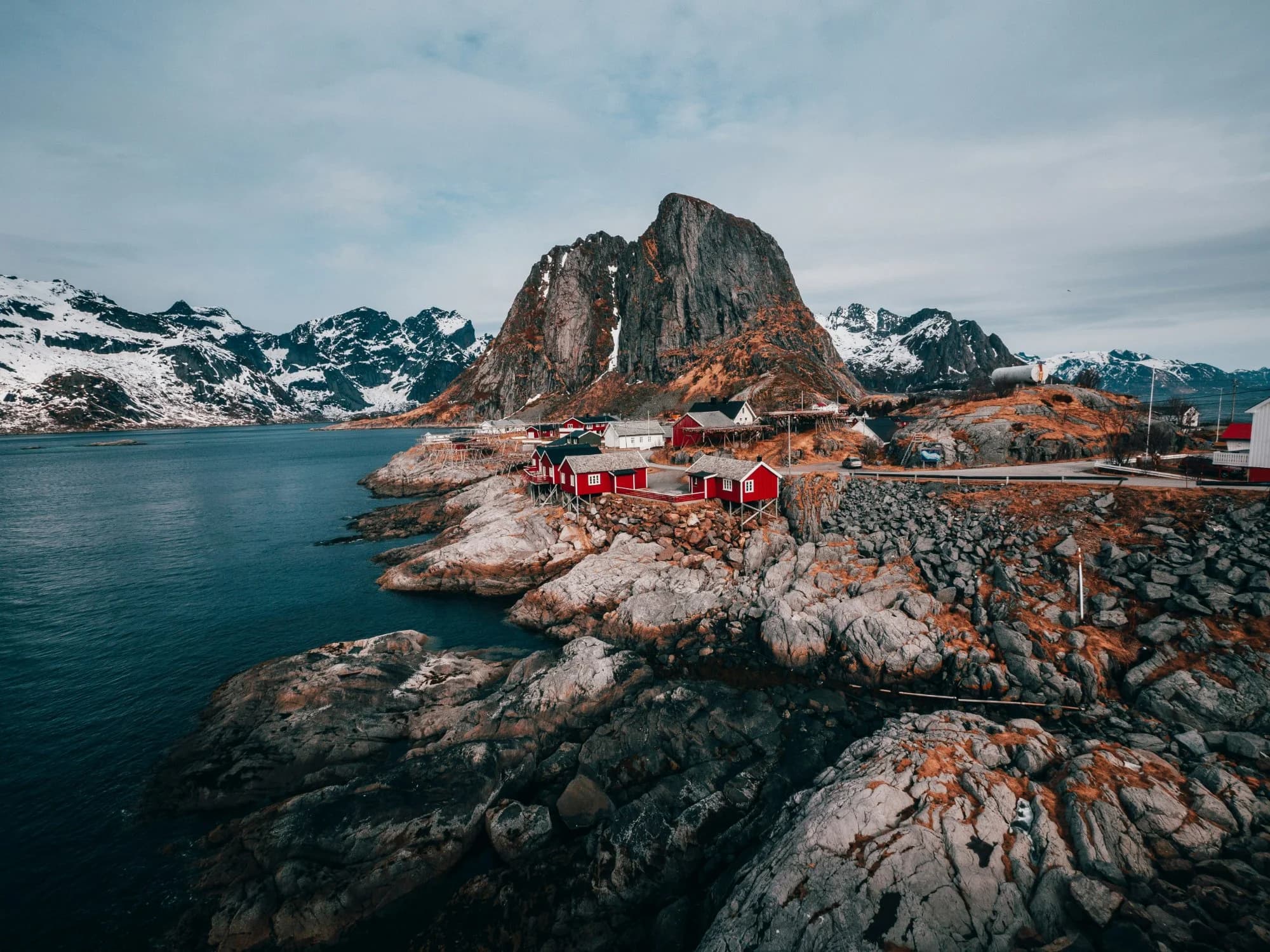
Northern Norway, above the Arctic Circle, commands a different category of attention. The Lofoten archipelago offers some of the most visually distinctive addresses in Europe: traditional rorbuer fishing cabins transformed into precision-designed suites, perched directly over the sea. Further north, Tromsø and the Senja region serve as bases for the northern lights and the midnight sun, two natural phenomena that many high-net-worth travelers treat as primary trip motivations. Suites in this zone are selected for their relationship to darkness, light, and thermal comfort.

The Oslo region and its surrounding fjord archipelago offer a more urban-adjacent luxury, where design hotels and historic manor properties sit within reach of the capital's cultural infrastructure. For travelers combining city time with nature, this corridor provides the clearest operational logic.

When to visit Norway for a luxury suite experience

Norway's appeal is genuinely year-round, but the experience varies so dramatically by season that the timing decision is effectively a choice of destination.

Winter, from November through February, is the canonical season for the northern lights. Suites in northern Norway with dedicated dark-sky orientations or glass-ceiling configurations are in highest demand during this window. Availability tightens considerably from late December through January, and premium suite inventory in Lofoten and the Tromsø area books well in advance.

The midnight sun season, running from late May through July depending on latitude, inverts the experience entirely. Light is continuous, the landscape turns intensely green, and outdoor access expands to hiking, kayaking, and fjord cruising at any hour. This is peak season for western fjord properties, and suites with private terraces or direct water access command the strongest premiums.

Shoulder seasons, particularly September and early October, offer a different quality: lower occupancy, early autumn colour, and the returning possibility of aurora sightings. For travelers who prioritise privacy and reduced rates on premium inventory, this window is consistently undervalued.

Understanding luxury hospitality standards in Norway

Norway does not operate a formal palace classification equivalent to France's distinction. The country's luxury hotel sector is instead defined by a combination of design pedigree, Michelin-recognised dining, and a particular philosophy that treats the natural environment as the primary amenity.

The most significant Norwegian luxury operators have built their reputations on what might be called environmental precision: properties where the architecture responds directly to site, where materials are sourced locally, and where the experience of nature is calibrated rather than incidental. This design intelligence distinguishes elite Norwegian properties from those simply located in scenic areas.

Suites in Norway's finest hotels tend toward generous square footage, floor-to-ceiling glazing, and a material palette drawn from the local landscape: stone, birch, wool, and water-worn timber. Many leading properties feature private saunas, which function less as a wellness amenity and more as a cultural expectation at this level. Access to a private sauna, particularly one positioned over water or with an unobstructed natural view, is a reliable indicator of suite quality in this market.

Norwegian hospitality also reflects the country's broadly egalitarian culture. Service is attentive and technically precise without being deferential in the manner of more hierarchical luxury traditions. For some guests, this directness is a distinct appeal; it is worth understanding before arrival.

How to choose the best luxury suite in Norway

The primary decision axis in Norway is not category (urban, resort, boutique) but orientation and season. A suite that excels in winter may offer a fundamentally different experience in summer, and the most design-forward properties have often been engineered with a specific seasonal phenomenon in mind.

Travelers should consider the following with precision. First, the relationship between the suite and the exterior: a glass-wall configuration facing north is architecturally inert in summer but transformative during aurora season. Second, thermal infrastructure: private saunas, hot tubs, or outdoor fire access are not optional extras at this level but core to the experience of Norwegian winter. Third, access logistics: some of the most extraordinary Norwegian properties are operationally remote, requiring small aircraft, ferry crossings, or mountainous road transfers. These logistics are part of the experience but require deliberate planning.

The distinction between a historic manor suite and a contemporary architectural property is also particularly sharp in Norway. The country's oldest luxury addresses often occupy 19th-century estates or converted industrial buildings, while newer properties represent some of the most resolved examples of Scandinavian architectural thinking currently operating in the hospitality sector. Both traditions are valid; the choice depends on whether the guest values historical texture or spatial contemporaneity.

Why a curated selection by La Suite makes sense in Norway

Norway's luxury hotel landscape is geographically dispersed, seasonally complex, and highly variable in quality. The visual appeal of a remote cabin above a fjord can obscure significant differences in suite design, service infrastructure, and access quality. Without rigorous curation, the risk of a misaligned experience is real.

La Suite applies consistent criteria across 15 Norwegian properties: spatial generosity, architectural intentionality, seasonal suitability, and the specific relationship each suite maintains with its natural environment. The selection is not comprehensive by design. It is precise. For a destination where the right suite in the wrong location, or in the wrong season, can undermine the entire rationale for the trip, this level of editorial discipline is not a luxury but a necessity.

The La Suite selection in Norway spans western fjord addresses, Arctic-latitude properties, and Oslo-adjacent design hotels, giving travelers the analytical tools to match their specific travel motivations to the suites best positioned to deliver them.

Frequently asked questions

What is the best region in Norway for a luxury suite with fjord views?

The western fjord corridor, particularly around Sognefjord and Hardangerfjord, concentrates the highest density of properties where suite design is explicitly oriented toward the fjord landscape. Suites in this zone are selected for their glazing configuration and terrace positioning relative to the water. Properties tend to be architecturally deliberate rather than large-scale resort operations.

When is the best time to book a luxury suite in Norway for the northern lights?

The northern lights are most reliably visible from late September through March, with January and February offering the longest periods of darkness. Suite availability at premier properties in northern Norway, particularly in the Lofoten archipelago and around Tromsø, tightens significantly from December onward. Booking six to nine months in advance is advisable for premium aurora-facing configurations.

Do luxury hotels in Norway include private saunas in their suites?

At the upper tier of Norwegian hospitality, a private sauna is a standard suite feature rather than an upgrade. Many leading properties position their sauna facilities with direct exterior views or over water, treating the sauna as an architectural element of the suite rather than a utilitarian wellness amenity. This is a culturally embedded expectation at this level of the market.

How does Norwegian luxury hospitality differ from French or Italian equivalents?

Norwegian luxury operates without the formal palace classification system used in France. The emphasis falls on environmental design, material quality, and a direct relationship with the natural site rather than on grandeur or historical opulence. Service culture is precise and attentive but reflects Norway's broadly egalitarian social norms, which means interactions are technically proficient without being ceremonially deferential.

What types of luxury suites are available in the Lofoten Islands?

The Lofoten Islands offer a distinctive suite typology: traditional rorbuer, historically the small red fishing cabins used by seasonal workers, have been architecturally transformed by several operators into precision-designed suites positioned directly over or immediately adjacent to the sea. These properties combine a specific visual vernacular with contemporary interiors and, in the best examples, private thermal infrastructure. They represent some of the most architecturally distinct suite experiences available in Northern Europe.

Is Norway a viable luxury destination in summer as well as winter?

Summer in Norway, particularly the midnight sun period from late May through July, offers a fundamentally different but equally compelling experience. Suites with private terraces, water access, or elevated fjord orientations are in peak demand during this season. The continuous daylight enables outdoor activities at unusual hours, and western fjord properties operate at their fullest experiential range. Rates and occupancy at premium properties peak during July.

What should high-end travelers consider when selecting a luxury hotel in remote Norwegian locations?

Access logistics are a primary consideration for remote Norwegian properties. Several of the most architecturally exceptional addresses require small aircraft connections, ferry crossings, or extended mountain road transfers. These journeys are often integral to the experience but add planning complexity and can be affected by weather conditions. Travelers should factor transfer time and flexibility into their itinerary, particularly for Arctic-latitude properties during winter.

Are there luxury hotels in Norway that combine design and Michelin-level dining?

A small number of Norwegian properties operate at the intersection of architectural distinction and serious culinary programming. Norway has developed a significant fine dining culture, particularly in Oslo, with several restaurants holding Michelin recognition. Some leading hotels have built their identity around a unified approach to design and cuisine, where the kitchen's sourcing philosophy and the suite's material palette reflect the same regional sensibility. These properties represent the most fully resolved expressions of Norwegian luxury hospitality.

How far in advance should a luxury suite in Norway be booked?

For peak aurora season (December through February) and peak midnight sun season (June through July), premium suite inventory at the most sought-after Norwegian properties typically requires a booking horizon of six to twelve months. Shoulder season travel, particularly September and October, offers greater flexibility and frequently lower rates on the same suite categories. For properties with a limited number of suites, early engagement with the property or a specialist curation platform is strongly recommended.

What distinguishes La Suite's selection of luxury hotels in Norway from a standard booking platform?

La Suite applies editorial criteria that standard booking platforms do not: architectural intentionality, seasonal suitability, spatial quality, and the specific relationship between a suite and its natural environment. The 15 Norwegian properties in the La Suite selection have been evaluated against these criteria rather than ranked by user volume or rate commission. For a destination as geographically dispersed and seasonally complex as Norway, this curatorial discipline materially reduces the risk of a misaligned experience.