Why Oslo holds a specific place in luxury suite travel
Best areas of Oslo for a luxury hotel stay
Aker Brygge and Tjuvholmen
The western waterfront, anchored by the Astrup Fearnley Museum of Modern Art, is the city's most architecturally coherent luxury district. Hotels in this area offer direct fjord views, proximity to the city's most significant private gallery, and walking access to Oslo's better restaurants. The atmosphere is composed and unhurried, with a clientele that skews toward art collectors, design professionals, and senior executives.
Kvadraturen and Bjørvika
The central district and the eastern waterfront neighbourhood of Bjørvika contain Oslo's primary cultural infrastructure. The Oslo Opera House, designed by Snøhetta and opened in 2008, sits directly on the waterfront here. The National Museum, which moved to its current building in 2022, is a short walk from the Royal Palace. Suites in this part of the city position guests at the centre of Oslo's institutional cultural life, with the practical advantage of being within reach of the main rail terminal and the airport express.
Frogner and Majorstuen
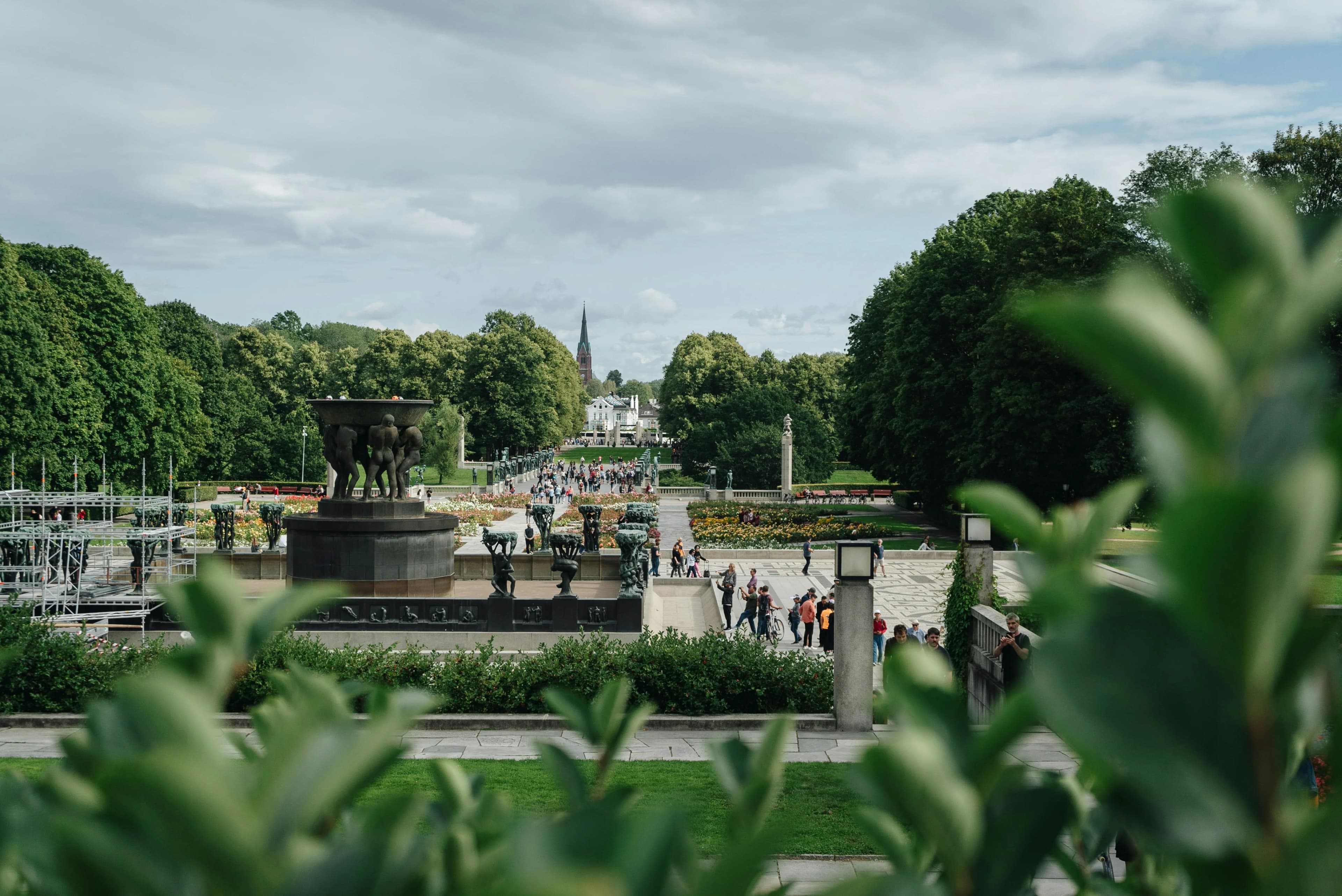
These residential neighbourhoods to the northwest of the centre carry a different kind of prestige. Wide streets, early twentieth-century architecture, independent galleries, and some of the city's better food addresses characterise the area around Frogner Park. A luxury suite in this part of Oslo offers proximity to the Vigeland Sculpture Park and a pace of daily life that is noticeably less transactional than the waterfront districts.
When to visit Oslo for a luxury suite stay
Oslo's peak season for luxury travel runs from late May through August. During this period, daylight extends well beyond midnight, the fjord is accessible by boat, and the city's outdoor culture reaches full expression. Hotel availability at the top tier tightens considerably in June and July, and advance planning is essential for suites with fjord orientation or significant floor space.
The shoulder seasons of April and September offer a more restrained version of the city: fewer visitors, more considered service ratios, and a quality of northern light that is valued by photographers and design-conscious travellers. The winter months, from November through February, present the city in a minimal state that suits certain sensibilities well. Snow on the Holmenkollen ridge, the long blue hour of the arctic afternoon, and access to the Oslo Winter Park are each compelling in their own terms. Pricing at this time of year is more accessible, and the city's cultural calendar, including the Oslo Chamber Music Festival in January, continues through the cold season.
Understanding Norwegian luxury hospitality standards
Norway does not operate a formal national classification for luxury hotels equivalent to the French Palace designation. Quality in Oslo's top tier is assessed through international systems, primarily the Forbes Travel Guide and the Leading Hotels of the World network, supplemented by the judgement of guests and the editorial standards of platforms such as La Suite.
Norwegian hospitality culture places a structural emphasis on quality of materials over decorative gesture. In a luxury hotel suite in Oslo, this means expecting exceptional textile quality, precise acoustic insulation, considered lighting design, and a standard of bathroom specification that reflects the country's expertise in product design. Service is typically direct and non-theatrical, which suits guests who prefer efficiency over ceremony. The concept of friluftsliv, the Norwegian relationship with outdoor life, often surfaces in suite amenities: access to kayaking, skiing arrangements, and fjord excursions are commonly offered by the city's leading properties.
How to choose the right luxury suite in Oslo
Several variables govern the choice of suite in Oslo with particular relevance to this city's geography and hotel stock.
Fjord orientation versus city orientation
Properties on or near the western waterfront can offer unobstructed views across the Oslofjord, particularly from higher floors. This is a significant differentiator in Oslo, where the relationship between interior space and the surrounding landscape is a genuine part of the luxury proposition. City-facing suites tend to offer proximity to cultural infrastructure and easier pedestrian access to restaurants and institutions.
Historical buildings versus contemporary design
Oslo's luxury hotel stock divides broadly between properties housed in early twentieth-century civic or commercial buildings and those occupying purpose-built contemporary structures. The former typically offer higher ceilings, more ornamental detail, and a sense of institutional history. The latter offer contemporary material standards, integrated technology, and spatial configurations that respond to current luxury travel expectations. Neither category is inherently superior; the choice depends on the guest's primary orientation.
Suite scale and configuration
Oslo's top-tier suites range from compact one-bedroom configurations in boutique properties to large multi-room arrangements with separate living areas, private terraces, and in some cases dedicated butler access. For extended stays, suites with a distinct separation between living and sleeping spaces are worth prioritising. For shorter visits focused on cultural activity, a well-positioned standard suite may serve the purpose more efficiently.
The value of curated selection in Oslo
Oslo's luxury hotel market is selective by definition. The city is not large, and the number of properties that genuinely qualify for consideration at the top tier is limited. This creates a specific challenge: within a small field, the differences between properties are meaningful and consequential, but they are not always legible from standard booking interfaces.
La Suite's curated selection applies editorial criteria that reflect the actual experience of staying in these properties, not simply their star rating or marketing positioning. For a city like Oslo, where the wrong choice within an apparently similar tier can mean the difference between a stay that is merely comfortable and one that is precisely calibrated to the traveller's expectations, that curation has direct practical value. The La Suite selection for Oslo reflects a considered reading of what each property does specifically well, and where it sits within the wider context of Nordic luxury hospitality.