Where to stay in Romania: distinct territories for luxury travel
Transylvania
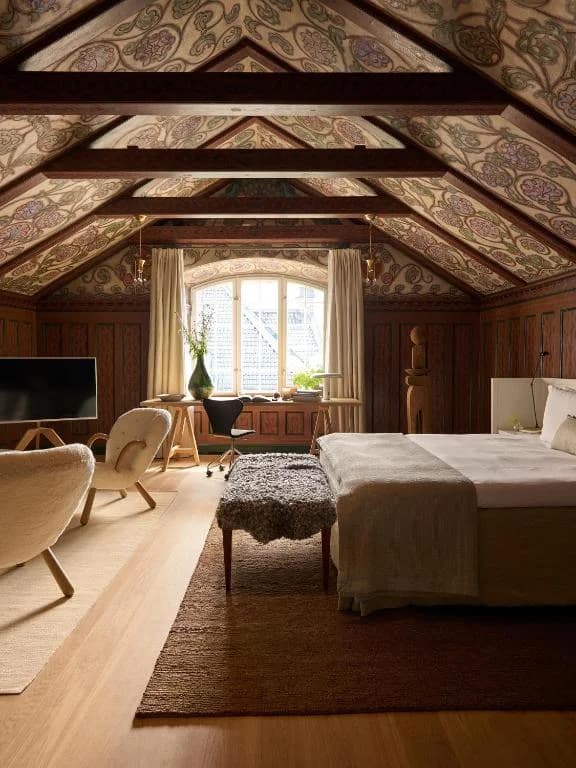
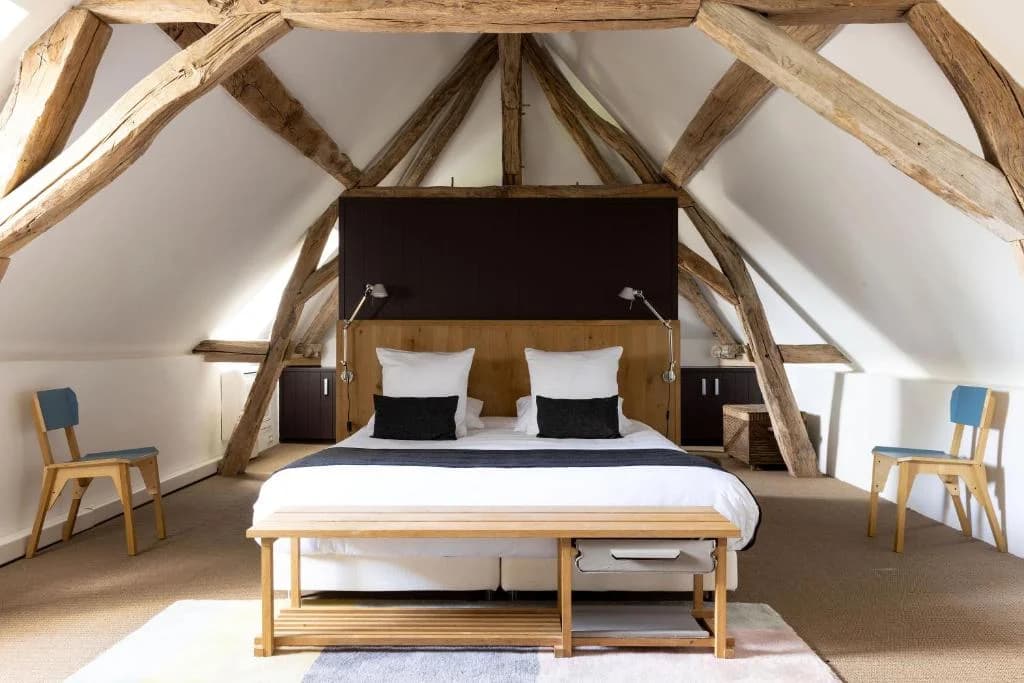
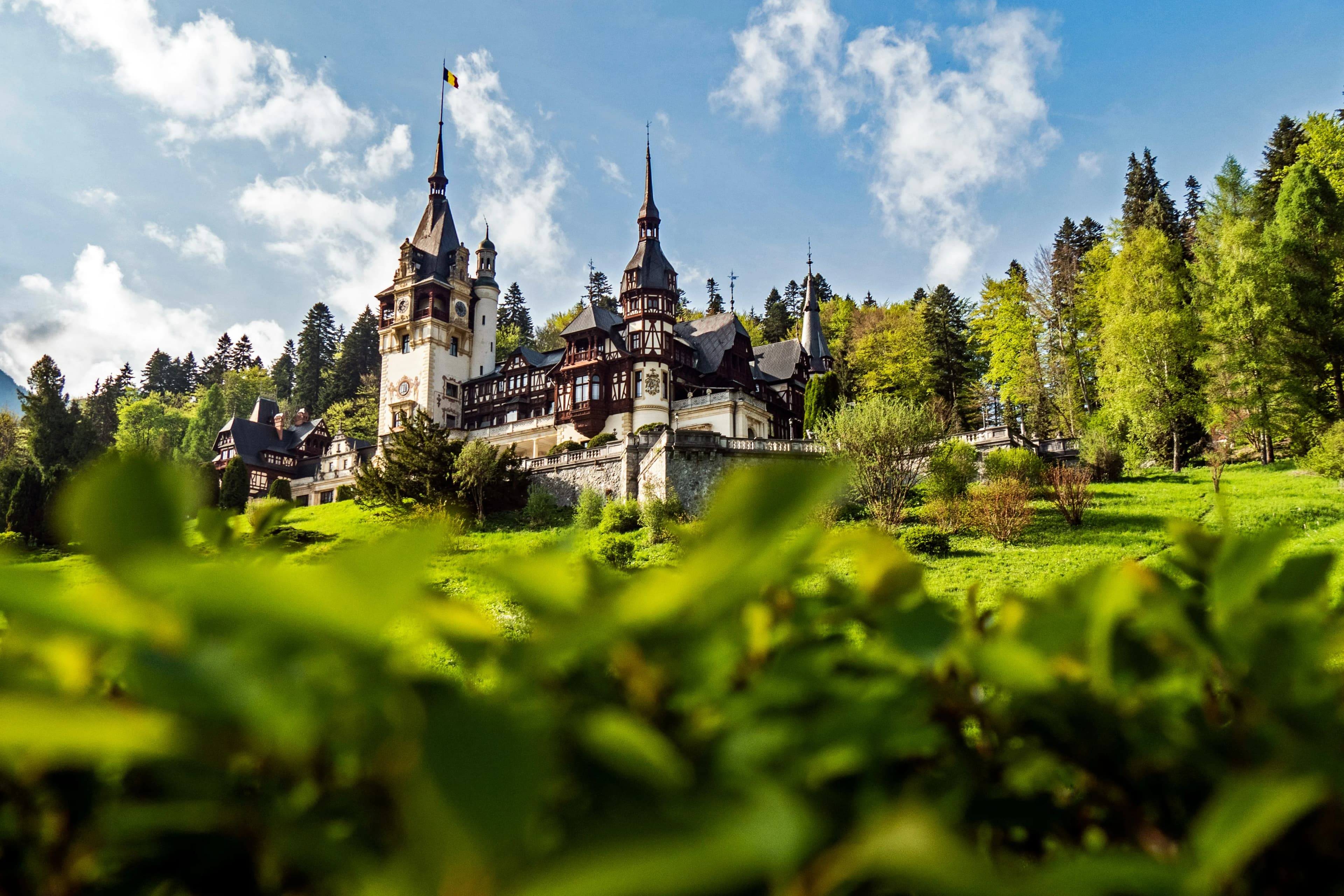
Transylvania remains Romania's most legible luxury territory for international travelers. The region's appeal is architectural and historical: medieval citadels, Gothic fortified churches, and Saxon manor houses that have been converted with varying degrees of rigor into boutique and heritage hotels. The towns of Sibiu, Sighisoara, and Brasov function as cultural anchors, while the surrounding countryside, characterized by rolling hills, beech forests, and preserved villages, provides the landscape context. Suite travelers here are drawn to properties that have absorbed the material culture of the region, stone walls, vaulted ceilings, reclaimed timber, while delivering contemporary comfort. The proximity to Bran Castle and the Fagaras Mountains adds an experiential layer that is difficult to replicate elsewhere in Central Europe.
Bucharest
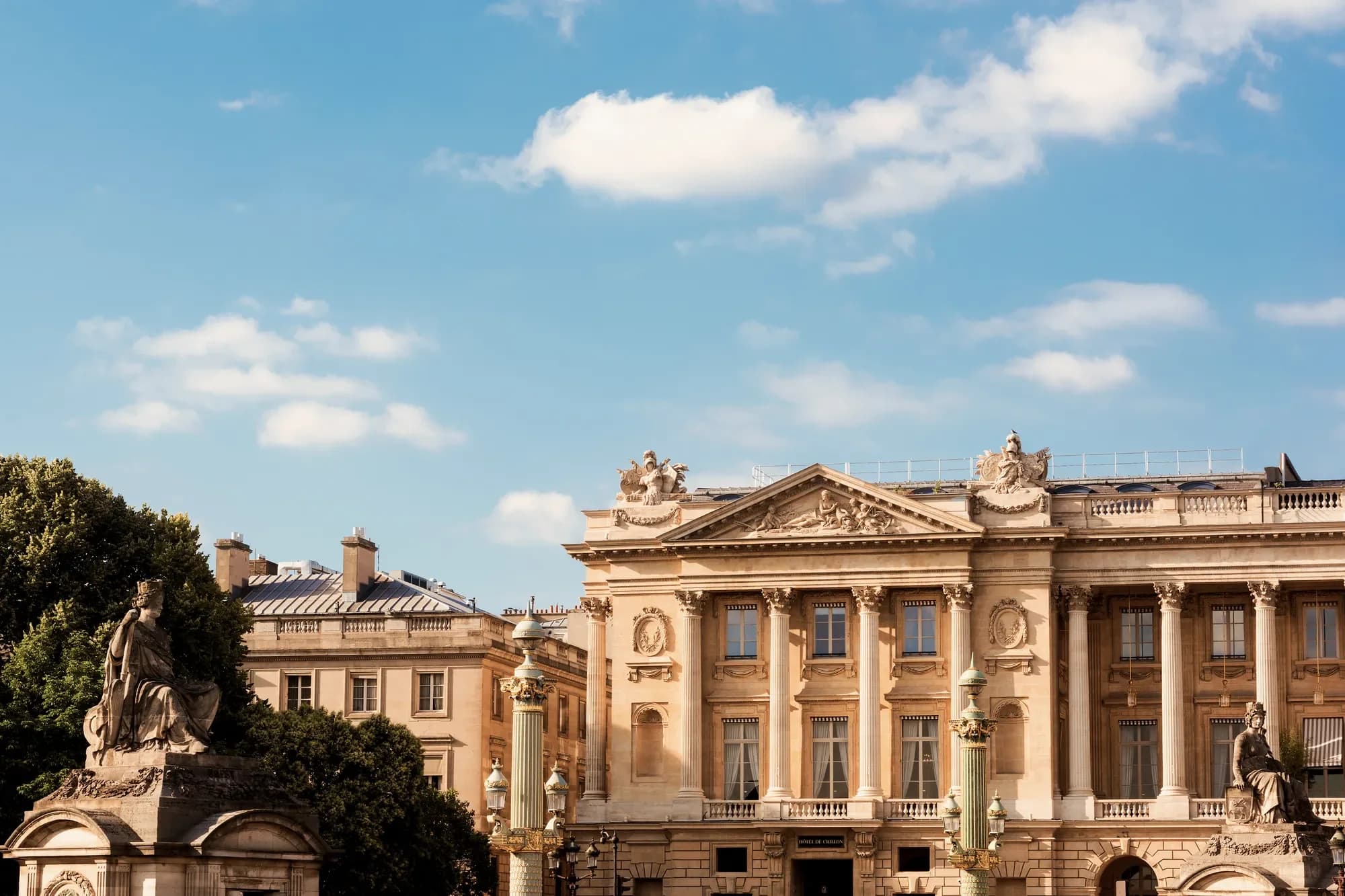
The capital operates on a different register entirely. Bucharest's luxury hospitality landscape is anchored by the grand Belle Époque boulevards of the city centre and the neo-classical architecture of the Calea Victoriei corridor. The city rewards travelers who read architecture: the contrast between the Ceausescu-era civic gigantism of the Palace of Parliament and the pre-war elegance of the Cotroceni and Floreasca districts creates a tension that is intellectually engaging. Suite-level properties in Bucharest tend toward formal European grandeur, with high ceilings, period detailing, and a service culture shaped by proximity to diplomatic and corporate clientele.
The Carpathian mountain corridor
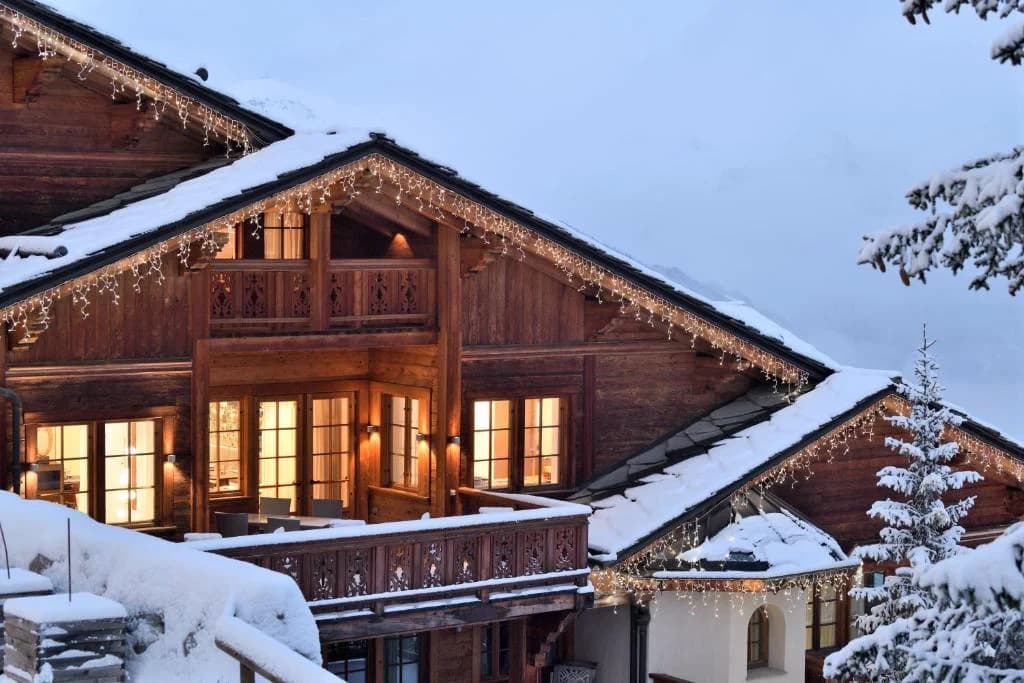
The arc of the Carpathian Mountains, running through Prahova Valley and into the Bucovina region to the northeast, supports a different category of luxury entirely. Properties here are oriented toward landscape immersion: ski access in winter, hiking and foraging culture in summer, and an emerging wellness architecture that draws on the thermal and spa traditions of the region. Suite travelers seeking altitude, silence, and proximity to protected natural environments will find the most considered options in this corridor.
The Danube Delta and Black Sea coast
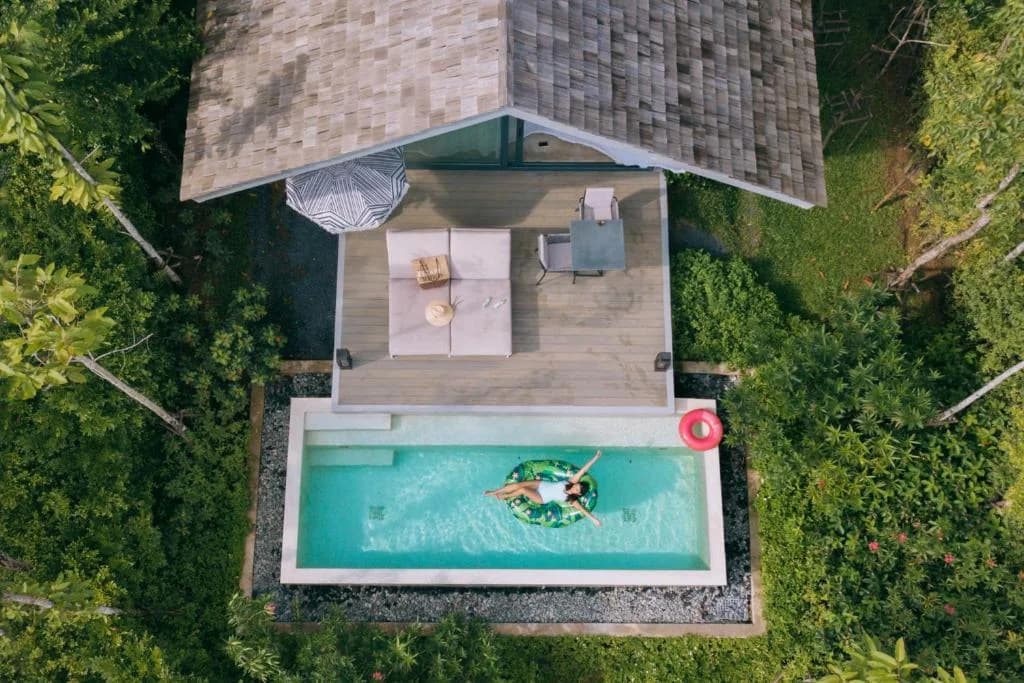
Romania's southeastern edge, where the Danube disperses into a UNESCO-listed biosphere reserve before meeting the Black Sea, represents a frontier luxury proposition. Infrastructure is thinner here, but the scarcity is part of the offer. Properties positioned within or adjacent to the Delta provide access to one of Europe's last genuinely wild ecosystems. The Black Sea coast, historically associated with mass Soviet-era resort development, is being selectively redeveloped, and a small number of suite-level properties now offer a more coherent luxury experience in this geography.
When to visit Romania for a luxury suite stay
Romania's climate is continental, with defined seasons that shape the experience meaningfully. Each period has a distinct experiential logic for suite travelers.
Late spring, specifically May and June, represents the most balanced entry point. Temperatures across the country are moderate, wildflower meadows in Transylvania and the Carpathians are at peak visual density, and hotel occupancy has not yet reached its summer ceiling. This is the period when suite availability is strongest and rates are most negotiable at independent properties.
July and August bring the full summer season. Cultural festivals concentrate in this period, including the Sighisoara Medieval Festival and various folk and music events across Transylvania. Suite demand peaks, particularly at heritage properties in Transylvania and mountain retreats in the Carpathians. Advance planning of six to twelve months is advisable for the most sought-after properties during this window.
September and October constitute what experienced travelers increasingly regard as the optimal period. Autumn light in Romania is exceptional, the beech and oak forests of Transylvania turn in sequence across October, and harvest culture, including truffle season and wine harvest in the Dealu Mare and Cotnari regions, provides experiential texture. Occupancy drops and properties become more responsive to extended-stay requests and bespoke itinerary structuring.
Winter, from December through February, is primarily relevant to travelers drawn to the Carpathian ski areas, particularly Poiana Brasov and Sinaia, and to those seeking the atmospheric quality of Transylvanian cities in the absence of tourist volume. Bucharest's cultural season, including opera, classical music, and theatre, concentrates in the winter months.
Understanding luxury standards in Romanian hotels
Romania does not operate the French Palace designation system or an equivalent national prestige classification. The formal hotel grading system uses a five-star maximum, but the gap between a five-star property in a major Western European capital and a five-star property in Bucharest or Brasov can be significant in both directions: some Romanian properties deliver a standard of architectural authenticity and personal service that exceeds their international equivalents at a materially lower price point, while others use the classification without the operational depth it implies.
The most relevant category for suite travelers is the emerging class of heritage conversion properties, Saxon manors, boyar estates, and fortified farmhouses that have been restored with serious architectural attention and positioned at the upper end of the market. These properties rarely carry international chain affiliations and are better identified through specialist curation than through standard booking platforms.
A growing segment of wellness-oriented mountain retreats is also relevant, drawing on Romania's thermal spring tradition, which is particularly concentrated in areas such as Baile Herculane, Covasna, and the Prahova Valley. These properties vary considerably in the sophistication of their suite product and their overall design language.
How to choose the right luxury suite in Romania
The primary decision axis for suite travelers in Romania is the tension between architectural heritage and contemporary design. Heritage properties in Transylvania and the Bucharest urban core offer a spatial and material richness that modern new-build properties cannot replicate, but they require careful selection. Ceiling heights, suite orientation, noise exposure from adjacent courtyards or streets, and the quality of restoration work vary considerably between properties that appear comparable at the category level.
For Carpathian mountain retreats, the relevant considerations shift toward landscape orientation: which suites have direct mountain or forest views, what is the altitude and seasonal accessibility, and how the property manages the transition between outdoor activity and interior comfort. Heated terraces, private sauna access, and proximity to thermal facilities are meaningful differentiators at this category level.
For the Danube Delta, the logistical framework matters as much as the suite itself. Access typically involves boat transfer from Tulcea, and the absence of road infrastructure shapes the entire experience. Suite selection here should be approached as part of a broader itinerary design question, not an isolated accommodation decision.
Why a curated selection matters in Romania
Romania's luxury hospitality market is fragmented and unevenly documented. International booking platforms index primarily chain-affiliated properties and well-resourced independent operators, leaving a significant portion of the most interesting suite inventory effectively invisible to travelers who rely on standard search tools.
La Suite's curated selection of twelve properties across Romania is assembled through direct assessment and editorial judgment, prioritising architectural integrity, suite-level spatial quality, and the coherence of the overall guest experience. For a market where the gap between a compelling property and a disappointing one is not always visible at the photography and rate-card level, a curated approach materially reduces the decision risk for travelers operating at this price point.