Where to stay in Slovakia for a luxury suite experience
Bratislava and the western lowlands
Bratislava sits on the Danube, directly adjacent to Vienna and less than an hour from Budapest. The old town is compact and dense, with baroque palaces, narrow streets, and a castle that dominates the ridge above the river. Suite-level accommodation here tends to occupy historic structures: restored merchant houses, former aristocratic residences, and contemporary properties that reference the Habsburg architectural vocabulary. The western lowlands extending toward the Small Carpathians produce some of Slovakia's finest wine, and a number of estate properties in this corridor have developed serious hospitality offerings around their vineyards.
The High Tatras
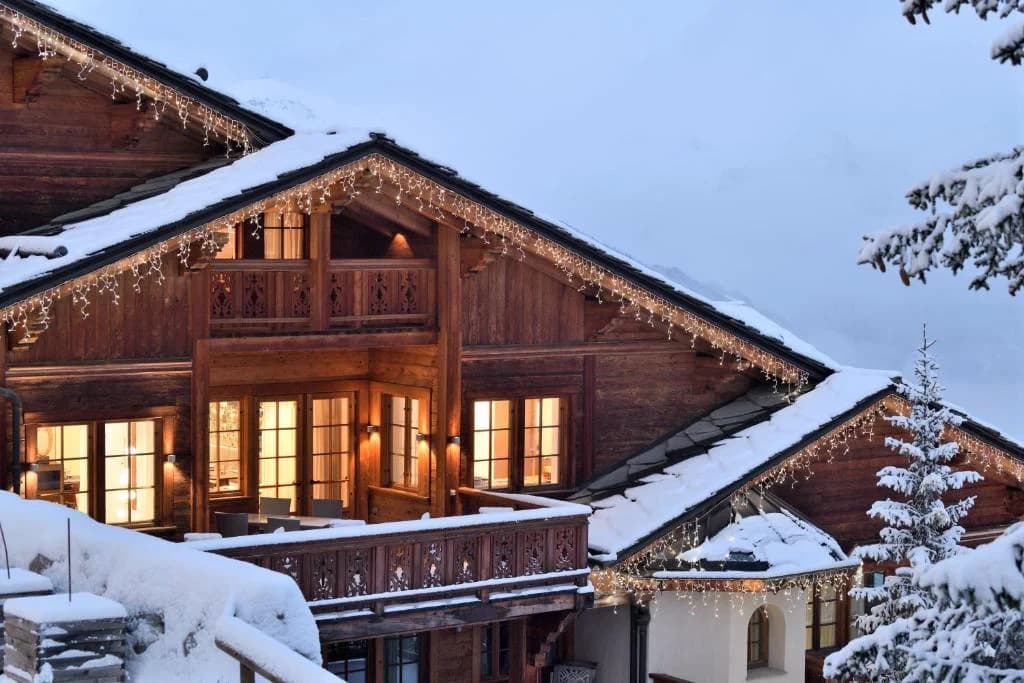
The Tatras represent Slovakia's most dramatic landscape. The range is compact by Alpine standards but rises sharply, with peaks above 2,600 metres and glacial lakes at altitude. The towns of Strbske Pleso, Stary Smokovec, and Tatranska Lomnica developed as spa and resort destinations during the late nineteenth and early twentieth centuries, and several grand hotel structures from that era remain in operation. Suite travellers visiting the Tatras are typically drawn by winter skiing, summer hiking at altitude, and the particular atmosphere of a mountain resort town that has not been fully commercialised. The air quality and the scale of the landscape are the primary draws.
Central Slovakia and spa country
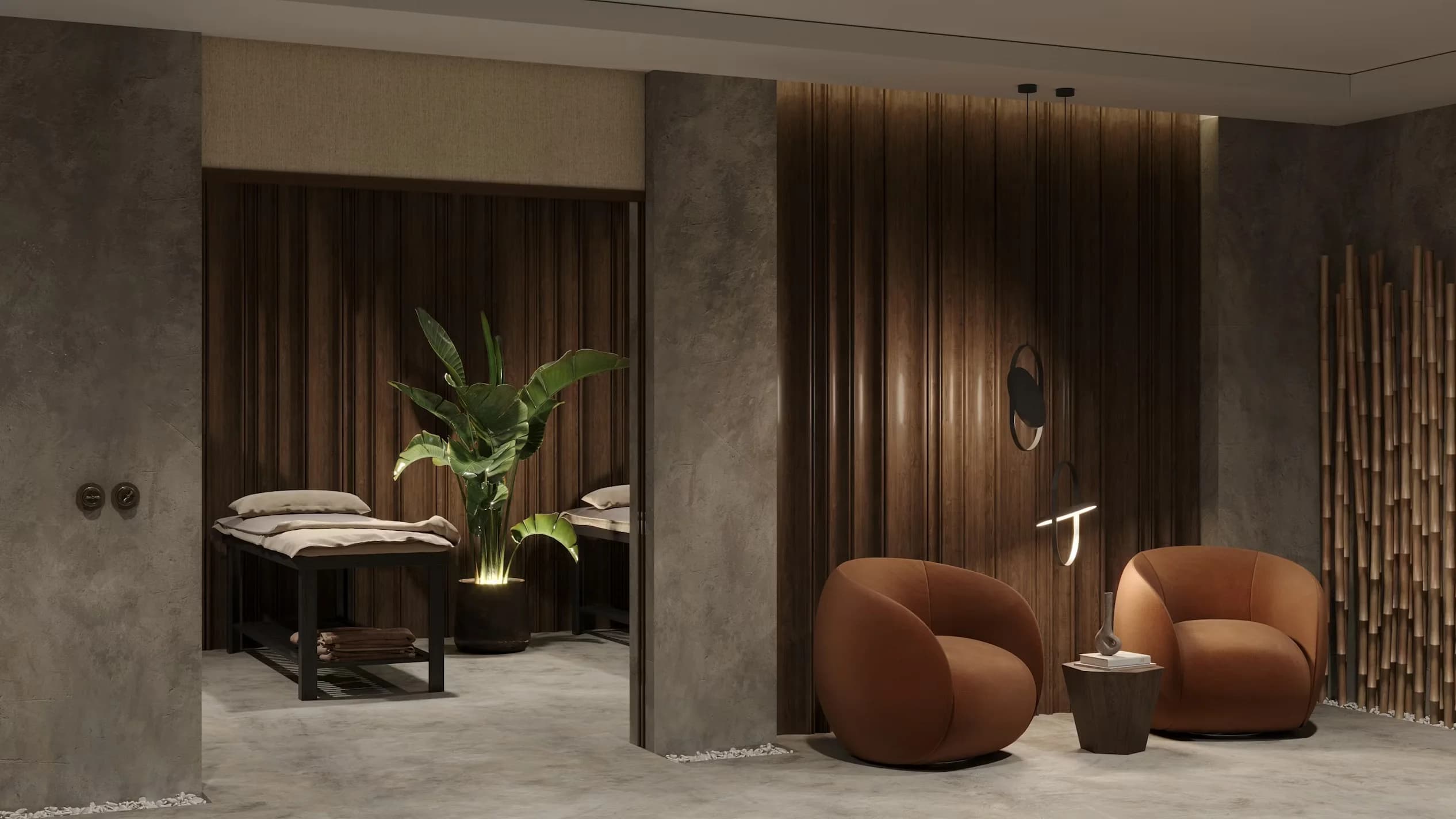
Central Slovakia contains the historic mining towns of the Kremnica and Banska Bystrica regions, as well as a concentration of thermal spa resorts built around geothermal springs. Piestany, located on an island in the Vah river, has operated as a spa destination since the nineteenth century and continues to attract visitors seeking medically oriented thermal treatments alongside conventional wellness programming. Properties in this region tend to pair suite-level rooms with comprehensive spa infrastructure.
East Slovakia and the Tokaj wine region
The eastern reaches of Slovakia, bordering Ukraine and Hungary, contain rolling agricultural lowlands and a section of the Tokaj wine appellation. The pace here is slower and the infrastructure less developed, but the region offers a form of quietude and authenticity that is increasingly difficult to find elsewhere in Central Europe. Boutique manor properties and small estate hotels are emerging in this corridor for travellers who prioritise experience over amenity density.
When to visit Slovakia for a high-end suite stay
Slovakia operates across four clearly defined seasons, and the optimal timing depends entirely on the type of experience the traveller is seeking.
Spring, from April through May, offers mild temperatures, lower occupancy at most properties, and the particular quality of light that arrives in Central Europe after winter. Bratislava in spring is walkable and relatively uncrowded. The Tatras at this time of year are transitioning out of ski season and into early hiking conditions.
Summer, June through August, is the high season in mountain regions and in Bratislava. The Tatras are fully accessible for hiking, and demand at quality properties is at its peak. Advance reservation at suite level is strongly advisable for July and August.
Autumn is arguably the most atmospheric season across the country. The wine regions of the Small Carpathians and the Tokaj zone harvest between September and October, and a number of estate properties organise guest programming around this period. The Tatras turn dramatically in early October. Occupancy eases across most of the country by late September.
Winter, from December through March, is the primary season for mountain resort properties in the Tatras. Skiing is the central draw, but spa-focused properties throughout Central Slovakia maintain strong occupancy year-round. Bratislava in December carries a significant Christmas market calendar, and hotel rates in the capital rise accordingly during this period.
Understanding luxury hospitality standards in Slovakia
Slovakia does not operate the same state-administered prestige classification system as France, where the Palace designation carries formal regulatory weight. The country uses the standard European star system, with five-star hotels representing the ceiling of official classification. Within that category, the range of actual quality is considerable, and star rating alone is an insufficient guide for suite-level travellers.
The most relevant local category to understand is the spa hotel, which in Slovakia often operates at a scale and with a medical seriousness that distinguishes it from the spa amenity found in conventional luxury hotels elsewhere. Piestany in particular has a long tradition of therapeutic thermal treatment that is supervised by licensed physicians, not simply offered as a wellness add-on. Travellers seeking genuine therapeutic programmes should look specifically at properties with this orientation.
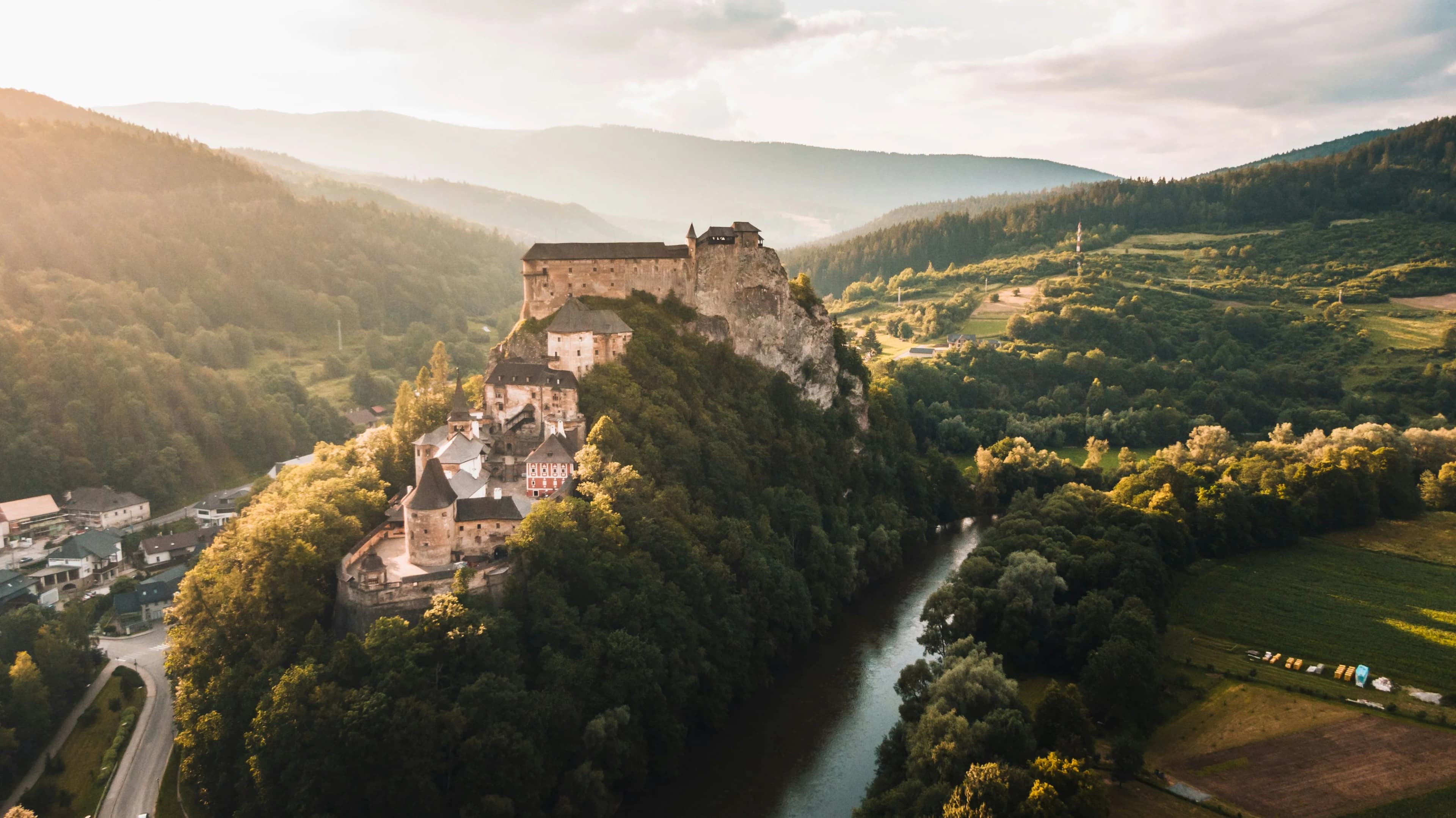
Castle hotels and manor house conversions represent a second significant category. Slovakia has a notable density of medieval and baroque castles, and a number of these have been converted into hotel operations. The quality of these conversions varies considerably. The most successful ones have preserved architectural integrity while introducing contemporary comfort standards at suite level. The less successful conversions have prioritised volume over finish. The distinction matters significantly when booking at this level.
How to choose the right luxury suite in Slovakia
Several practical considerations apply specifically to choosing a luxury hotel suite in Slovakia.
First, define the primary purpose of the stay. Slovakia's luxury suite offer divides broadly into urban (Bratislava), mountain (Tatras), spa (Piestany and Central Slovakia), and rural estate (Small Carpathians, east Slovakia). Each serves a different traveller profile, and the country is small enough that combining two zones within a single trip is entirely practical.
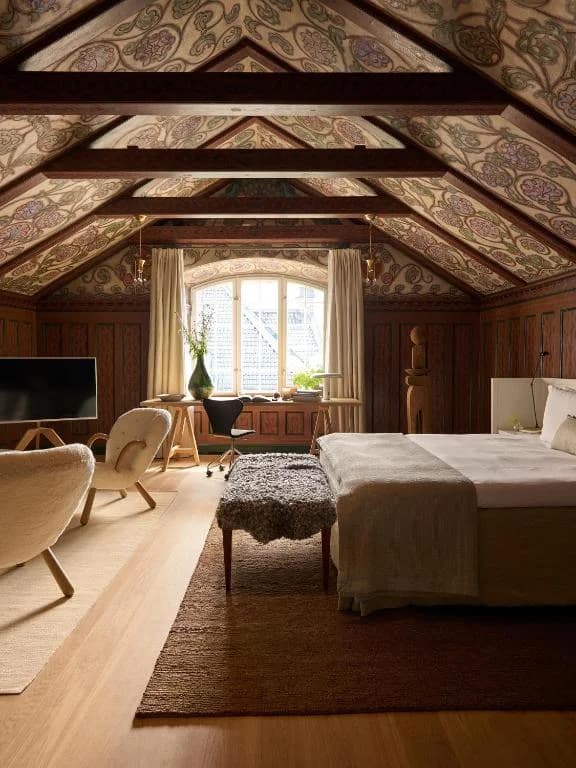
Second, assess the architectural character of the property. Older castle and manor conversions offer historical atmosphere and often exceptional views, but may come with structural limitations in room layout or soundproofing that newer builds do not. Contemporary properties in Bratislava tend to offer more standardised suite formats with modern infrastructure.
Third, consider transport logistics. Slovakia's road infrastructure is improving, but mountain resorts can require careful planning in winter conditions. Bratislava has a functional international airport with connections to major European hubs. For east Slovakia, Kosice airport offers an alternative entry point.
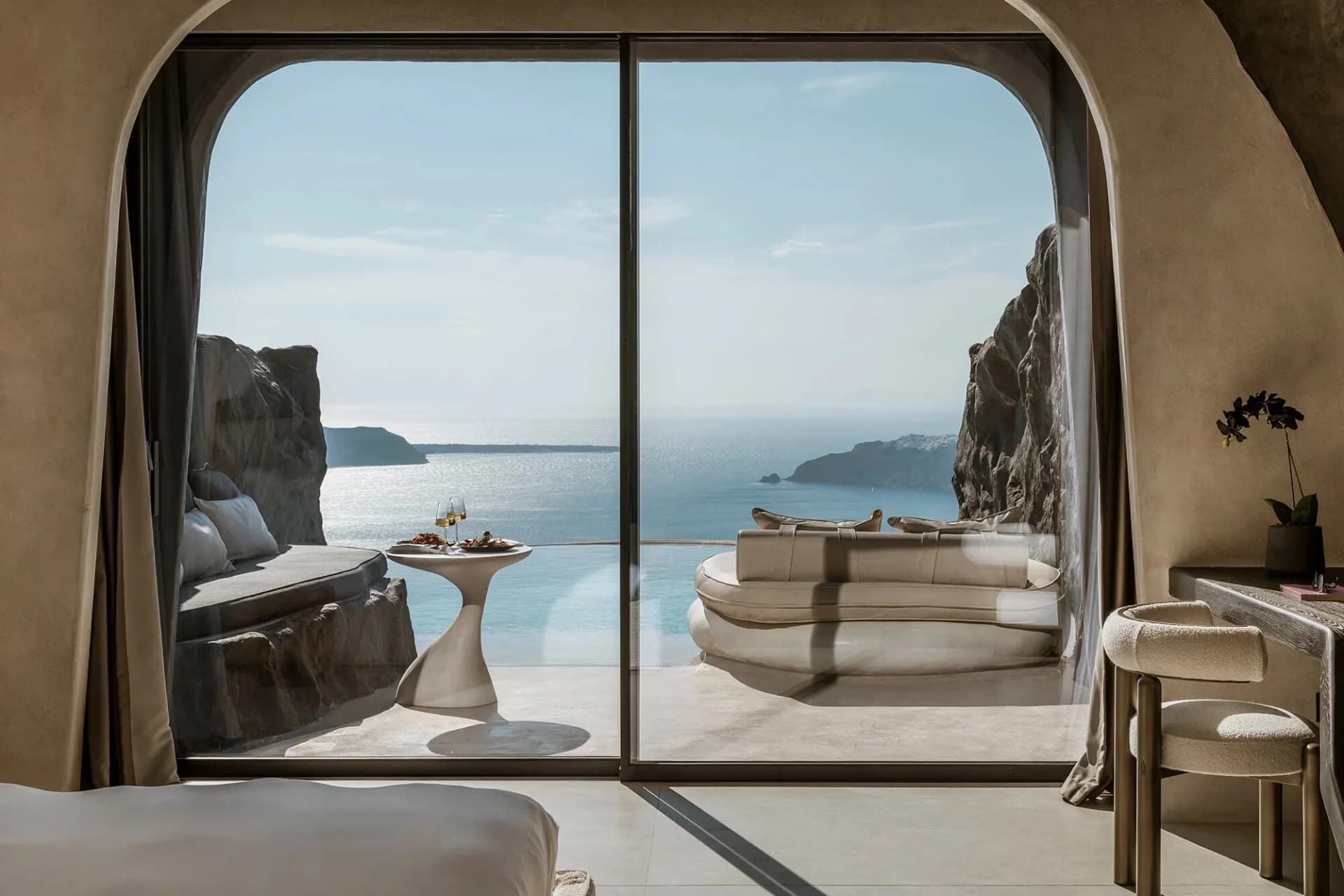
Fourth, evaluate the suite's relationship to the surrounding landscape or urban context. In the Tatras, a suite with a direct mountain view is a material difference from one without. In Bratislava, proximity to the old town and the castle ridge defines the experience significantly.
Why a curated selection by La Suite matters in Slovakia
The Slovak luxury hotel market is smaller and less documented than equivalent markets in France, Italy, or Austria. The volume of properties claiming suite-level quality exceeds the volume of properties actually delivering it at a consistent standard. For a traveller approaching Slovakia for the first time at this level, independent research tends to produce an unreliable picture.
La Suite applies a consistent editorial filter across twelve selected properties in Slovakia, assessing suite architecture, finish quality, service calibre, and the coherence of the overall guest experience. The selection is intentionally limited. Every property included has been evaluated against the same criteria applied across the platform's global inventory.
For a destination like Slovakia, where the market is still developing and the range of actual quality is wide, curation is not a convenience. It is a meaningful reduction of risk for the traveller who does not have time or appetite for error at this level of spend.