Where to stay in Slovenia for a luxury suite experience
The Julian Alps and the Triglav region
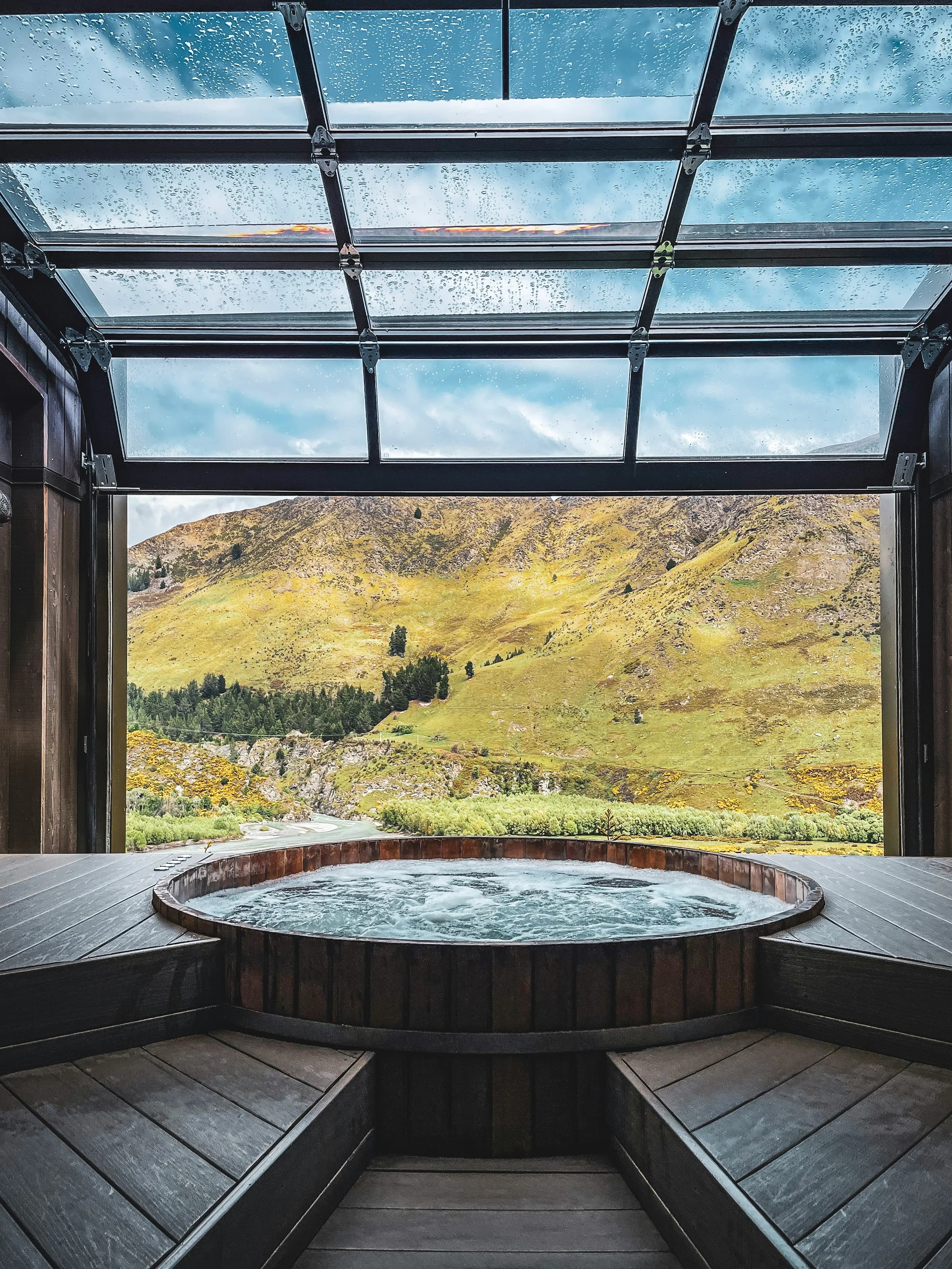
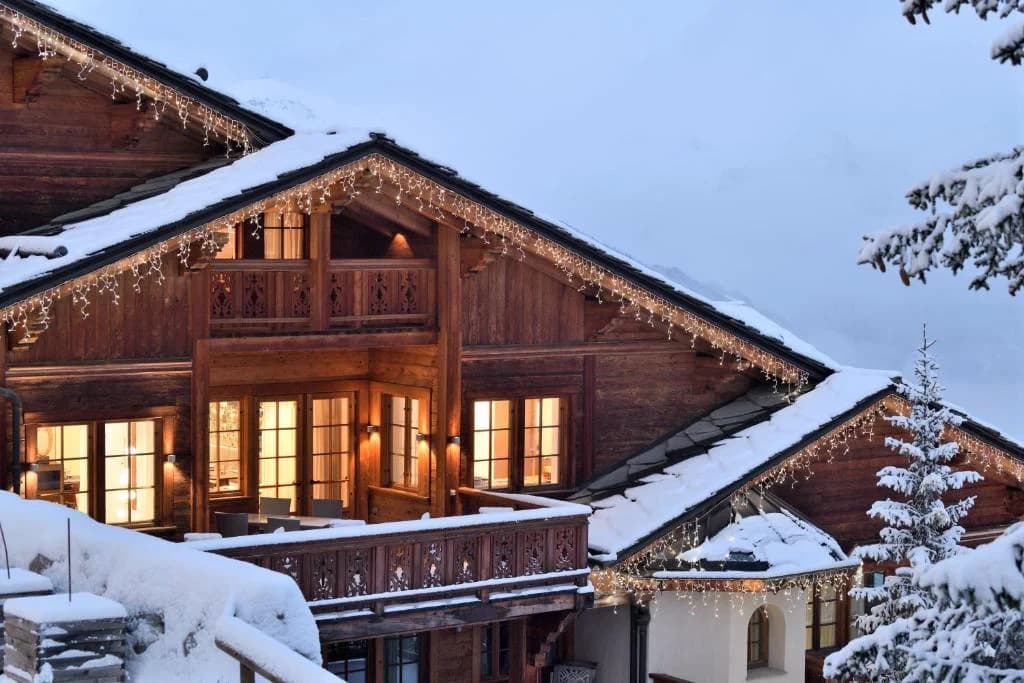
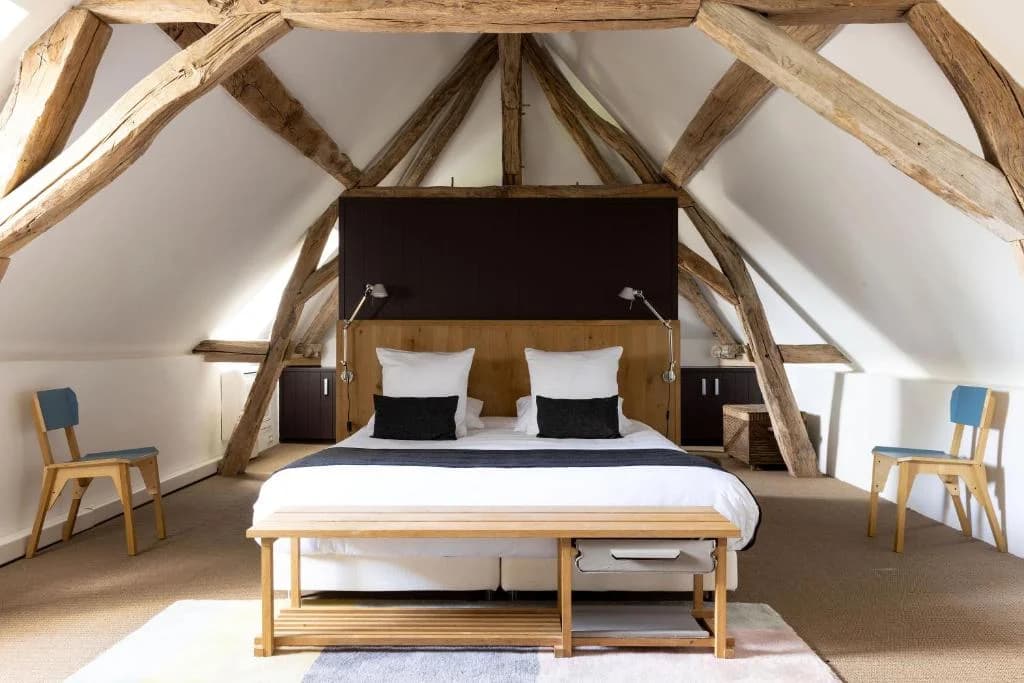
The northwestern corner of Slovenia is defined by Triglav National Park, the country's only national park, and the Soča Valley, known for its glacially turquoise river. Accommodation here trends toward Alpine architecture: pitched roofs, timber interiors, and properties oriented around mountain access. Luxury suites in this zone emphasize views, thermal facilities, and proximity to hiking and ski terrain. The scale of properties tends to be intimate. This is not the region for grand hotel lobbies. It rewards travelers who want altitude, quiet, and physical immersion in landscape.
Lake Bled and Lake Bohinj
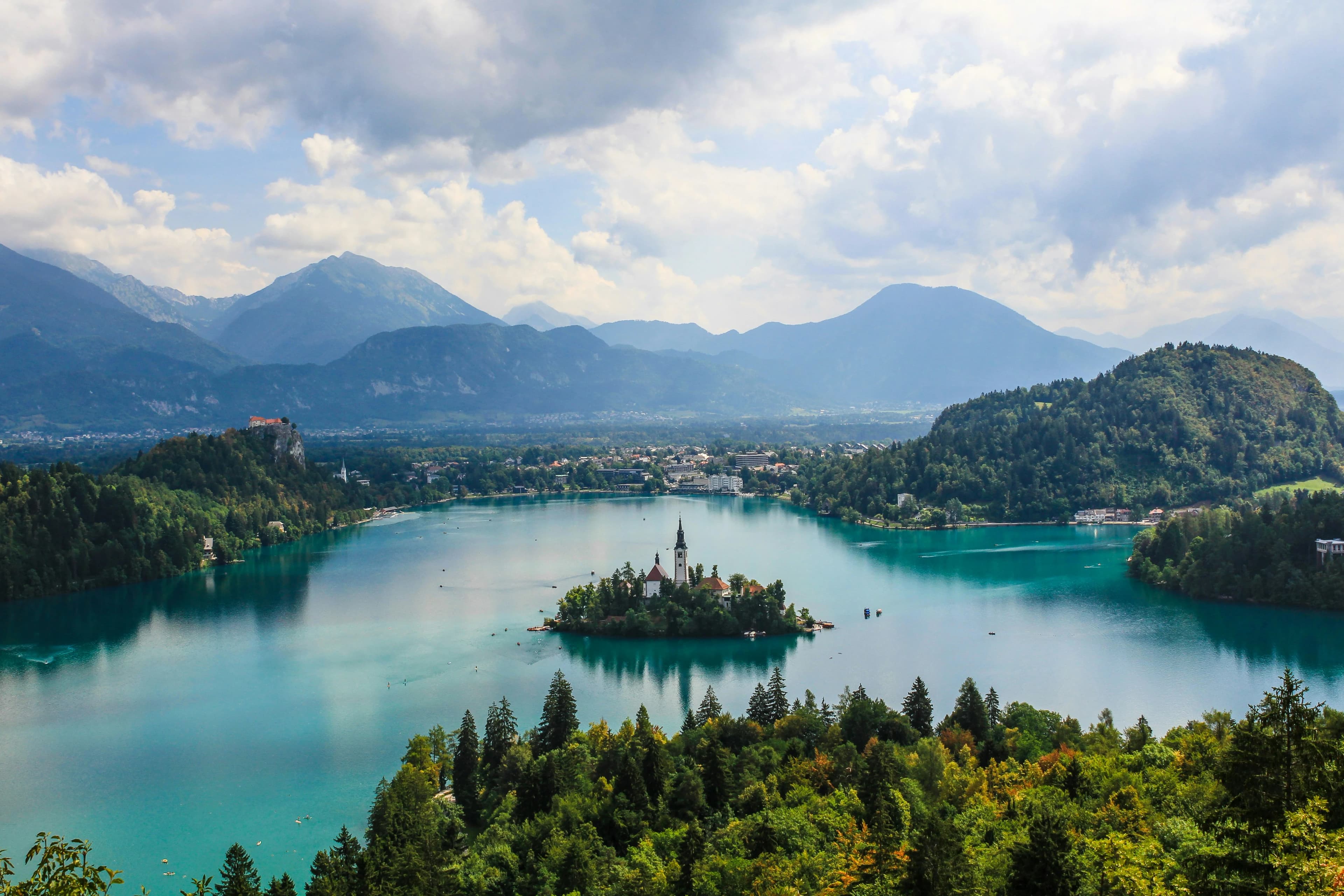
Lake Bled is Slovenia's most recognized image: a glacial lake with a church on an islet and a medieval castle on a cliff. The area supports a mature hospitality infrastructure, with several established luxury hotels positioned directly on or above the lake. Suites with lake-facing terraces are the defining offer here. Lake Bohinj, approximately 26 kilometers to the west, is less developed and more interior in atmosphere. Travelers who value lower density and less curated scenery tend to prefer it. The two lakes serve different temperaments and are worth distinguishing when selecting where to base yourself.
Ljubljana and the central region
Slovenia's capital is compact by European standards, with a population under 300,000, but it carries a coherent architectural identity shaped by Jože Plečnik, the Viennese-trained architect who transformed much of the city in the early 20th century. The historic center is pedestrianized and walkable. Luxury hotels here are typically boutique in scale, housed in renovated palaces or Secessionist buildings. A suite in Ljubljana functions differently from one in the mountains or on the coast: it provides a cultural base for galleries, restaurants, and the city's understated design scene rather than landscape access.
The Karst and the Adriatic coast
Piran, the Venetian-Gothic coastal town, and the surrounding Slovenian Istria represent the country's most Mediterranean expression. The coastline itself is short (approximately 47 kilometers) but architecturally dense, with Venetian palazzi and stone lanes that have been in continuous use for centuries. The Karst plateau behind the coast is the terrain of Lipizzaner horses, Škocjan Caves, and the wine region around the Vipava Valley. Suites in this zone often occupy restored stone buildings and tend to reference the regional material culture directly in their interiors.
When to visit Slovenia for a high-end suite stay
Slovenia's climate varies significantly by zone, which affects the optimal travel window by region rather than by country overall.
The Alpine north is best accessed from late June through September for outdoor pursuits, and from December through March for skiing, particularly in the Kranjska Gora area. Shoulder seasons in April, May, and October offer reduced occupancy at mountain properties and access to landscapes at transitional stages: snowmelt rivers, autumn larch color.
The coast and Karst region perform best from May through October, with July and August representing peak thermal conditions and peak hotel occupancy. Late spring and early September offer the same warmth with considerably more availability and shorter lead times on suite bookings.
Ljubljana operates effectively year-round. The city hosts the Ljubljana Festival from late June through August, a major program of outdoor classical music, opera, and theater that draws international attendance. December brings a widely attended Christmas market. Neither period is a reason to avoid the city, but both affect hotel rates and availability.
For travelers prioritizing suite availability and rate flexibility, May and September represent the most efficient windows across all regions simultaneously.
Understanding luxury standards in Slovenian hotels
Slovenia does not operate a formal national designation equivalent to France's Palace label. The country uses the standard European hotel star classification, with five-star properties representing the upper tier. Within that tier, quality varies considerably, and star rating alone is an insufficient filter for identifying genuine suite experiences.
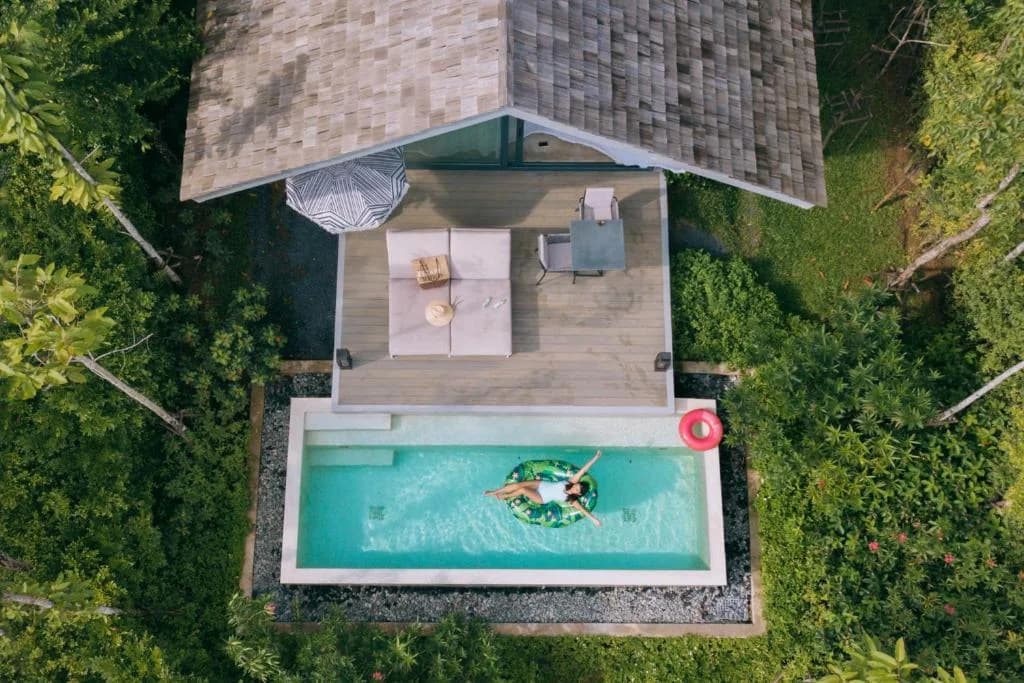
What distinguishes the top properties in Slovenia is typically one of three things: architectural provenance (a converted castle, a Habsburg-era villa, a restored stone masseria-equivalent in Istria), spatial generosity (suites that offer private terraces, outdoor thermal pools, or panoramic exposures unavailable in standard rooms), or spa infrastructure (Slovenia has a strong thermal culture, with natural thermal springs found across the country, particularly in the Pannonian lowlands to the east and in the Kranjska Gora area). Properties built around thermal facilities often offer suite categories that include direct spa access or private pool arrangements.
Service culture in Slovenian luxury hotels tends toward discretion and competence rather than performance. Staffing ratios at top properties are high, but the register is understated. Travelers accustomed to more expressive hospitality cultures (Middle Eastern or Southeast Asian luxury hotel service, for example) should calibrate expectations accordingly. The experience is European in tone: present when needed, absent when not.
How to choose the right luxury suite in Slovenia
Several practical considerations apply specifically to Slovenia that are less relevant in larger luxury markets.
First, geographic proximity matters more than it appears on a map. The country is small but the terrain is varied, and road travel between zones can involve mountain passes or narrow coastal roads that extend journey times. A suite positioned in the Julian Alps is not a practical base for a day visit to Piran. Selecting a single zone as your primary base, or planning a multi-property itinerary with intentional transitions, produces a more coherent experience than attempting to cover the country from one location.
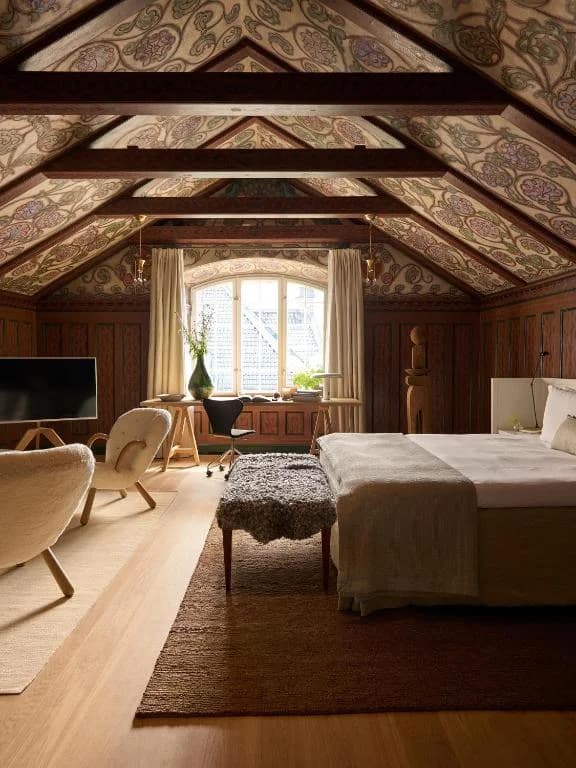
Second, the distinction between historic and contemporary architecture carries real experiential implications. Converted castle properties, of which there are several in Slovenia, offer spatial drama and historical resonance but sometimes compromise on acoustic insulation, elevator access, or bathroom scale. Newer purpose-built luxury hotels offer more consistent technical standards. The decision between them should be conscious rather than incidental.
Third, suite categories at Slovenian properties sometimes include features that are locally specific and worth interrogating directly: private terrace access to a thermal pool, for instance, or a suite positioned to receive morning Alpine light versus afternoon lake reflection. These distinctions are material and rarely communicated adequately through standard booking interfaces.
Why a curated selection by La Suite matters in Slovenia
Slovenia's luxury hotel market is growing but remains relatively small by Western European standards. The 23 properties in La Suite's Slovenia selection represent a filtered view of a market where quality is uneven and where category labels (junior suite, deluxe suite, panoramic suite) are applied inconsistently across properties.
La Suite's curation process applies consistent criteria across the selection: spatial standards, view quality, service infrastructure, and the degree to which a property delivers a genuine sense of its specific Slovenian location rather than a generic luxury formula. The result is a set of properties where a suite booking carries a meaningful guarantee of experience rather than a statistical probability.
For a destination of Slovenia's scale and specificity, a curated selection by La Suite removes the considerable noise present in broader booking platforms and allows the decision to focus on the right zone, the right architectural character, and the right suite configuration for the trip being planned.